Selling a house with old plumbing in Iowa
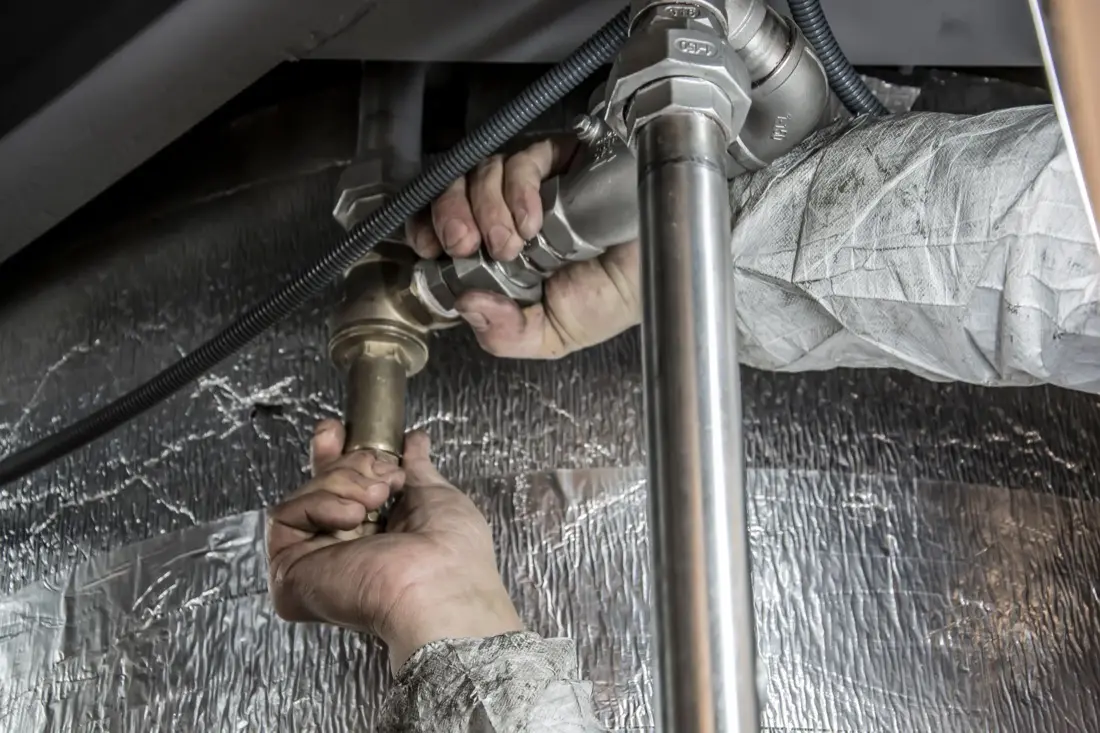
Old pipes don't announce themselves until the day one lets go behind a wall. Until then it is a slow drip you never hear: pressure that has quietly gotten worse for years, a hot tap that takes forever, a rusty tint in the first glass of water each morning that you stopped noticing a decade ago. Then a joint splits inside a wall, a ceiling below it turns brown, and selling a house with old plumbing goes from a someday problem to the reason your buyer is on the phone with their inspector. If the supply lines are galvanized steel, polybutylene, or lead, that phone call is coming sooner than you would like.
Here is the honest version. Old plumbing is a real issue, but it is a known and fixable one, and you have more room to move than the water stain suggests. The pipes buyers worry about are the supply lines, the ones that carry pressurized fresh water to your fixtures. Galvanized steel corrodes shut, polybutylene splits at the fittings, and lead is a health question all its own. A plumber can tell you in an afternoon which you have. From there you have three real moves: repipe the house, list it as-is on the MLS, or sell it as-is to a cash buyer who repipes it themselves.
A buyer never sees the pipe. They see a rust ring in the tub, a faucet that only dribbles, a brown tint in the first glass of water, and they price the whole system off those three clues. Left to guess, they guess high and cruel. Your job is to know exactly what is in the walls, so the number stays tied to reality instead of to whatever a nervous buyer pictures at midnight.
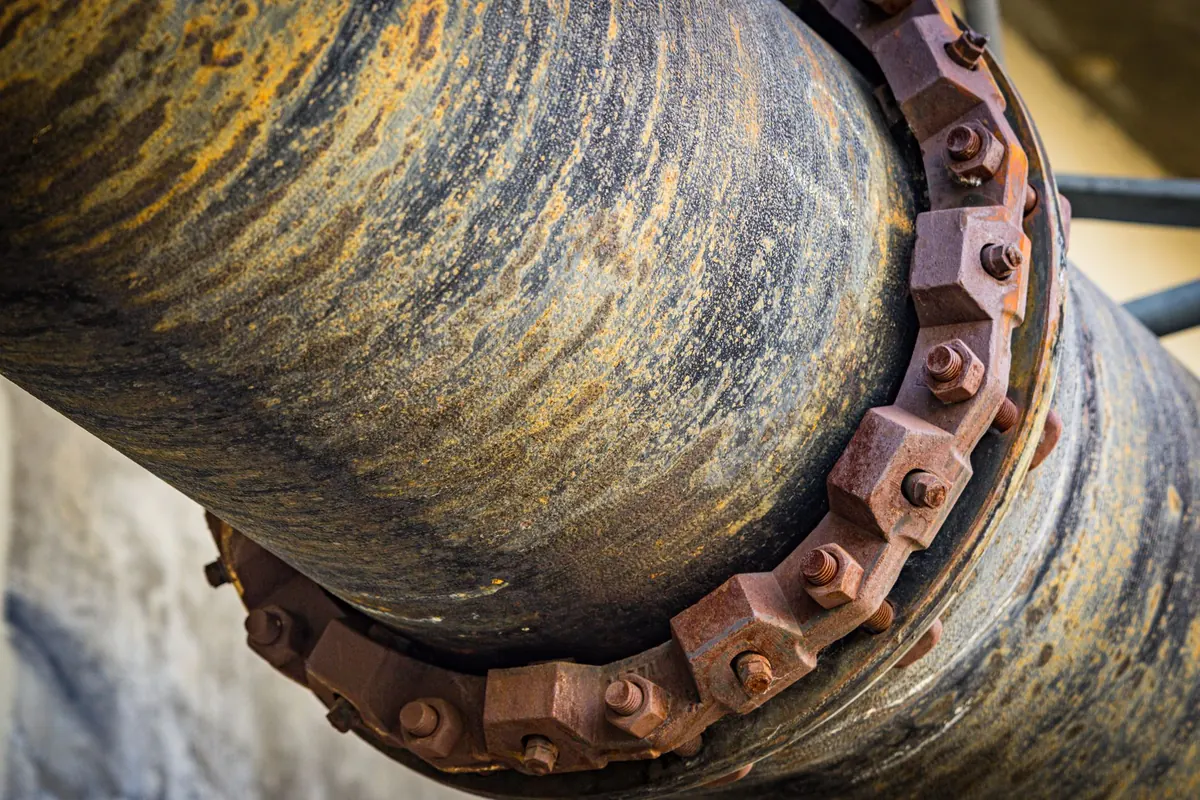
What "old plumbing" actually means
Strip the dread away and "old plumbing" is just a materials question. Somebody ran pipe through this house forty, sixty, ninety years ago, and the stuff they used has not aged the way we would like. Knowing which material you have changes the entire conversation, because a buyer treats each one very differently.
The three supply materials that make buyers flinch:
- Galvanized steel. Common in homes built before the 1960s. The zinc coating wears off and the steel rusts from the inside, slowly choking the pipe until pressure crawls and the water runs rusty. It does not fail all at once; it strangles itself over decades.
- Polybutylene. A gray (sometimes blue) plastic pipe, often branded Qest, installed roughly from the late 1970s into the mid 1990s because it was cheap and quick. It earned a bad name for splitting at the fittings and flooding houses, and that reputation is why many insurers and lenders treat it as a red flag today.
- Lead pipes or lead solder. The oldest houses may still have lead service lines, or copper joined with lead solder. This is a health concern, not just a plumbing one, and the EPA is clear that there is no safe level of lead in drinking water. It is the one material where the worry is about your family, not just your pressure.
The only honest way to know which of these is in your walls is to have a licensed plumber look. Some of it is visible at the water heater or in the basement: galvanized reads as dull gray metal you cannot scratch to bright copper, polybutylene as flexible gray plastic, lead as soft, dull metal that dents. But a chunk of it hides inside finished walls, and a pro can date the house and read the exposed runs to tell you what you are almost certainly working with.
(I have watched a seller go pale over "old pipes" that turned out to be perfectly good copper with one ugly galvanized stub left at the hose bib. Same scary words, completely different house. You cannot judge it from a rust ring in the tub.)
A stain on the ceiling is a symptom. The material in the wall is the diagnosis. Sell on the symptom and the buyer imagines the worst; sell on the diagnosis and the number stays honest.

Supply pipes, not the sewer or the wiring
Before you spiral, get the map straight, because "old plumbing" gets blamed for problems that belong to entirely different systems with different buyers and different fixes.
What this post is about is the supply side: the pressurized lines that bring clean water to your sinks, showers, and water heater. Galvanized, polybutylene, and lead all live here. When these fail you get low pressure, leaks, or water-quality worries.
What it is not about is the drain side, the gravity pipe that carries waste out of the house to the city main or your septic tank. That is the sewer lateral, and a cracked or collapsed one is its own animal with its own repair. If a backup, not the pressure, is your real trouble, read this instead: selling a house with a broken sewer line in Iowa.
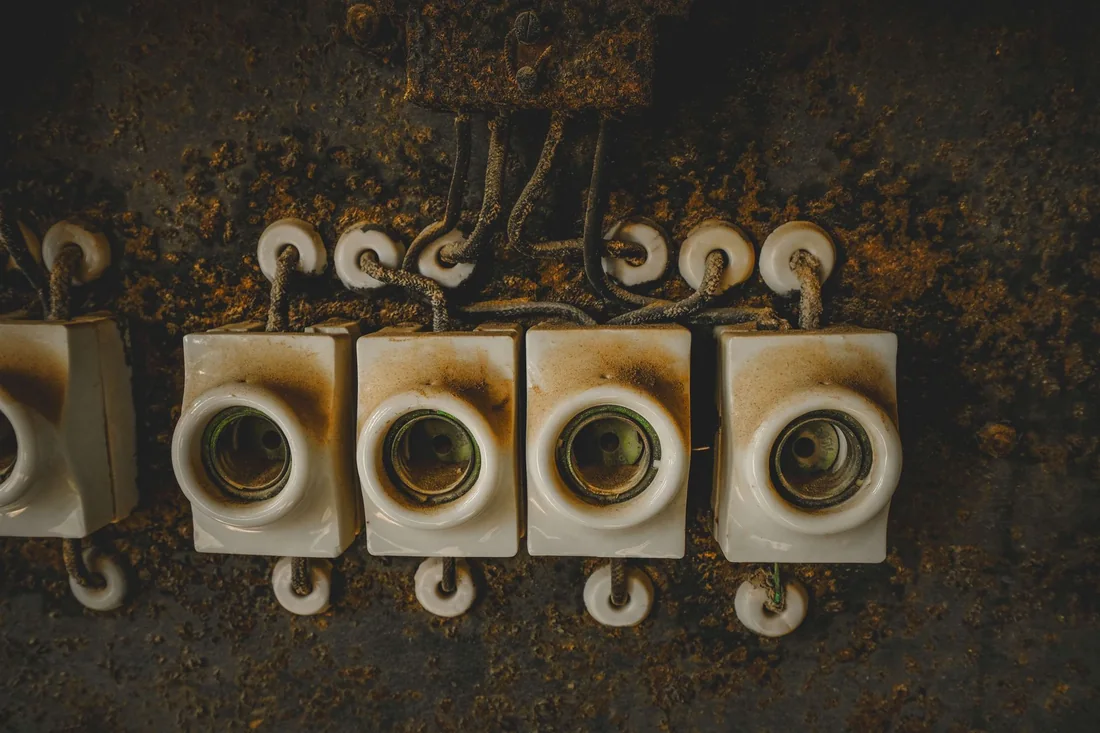
And it is not the electrical system, even though the two often show up together in the same vintage house. Knob-and-tube wiring and a fuse box worry the same buyers for the same reason old pipe does, but they are a separate inspection line item and a separate fix. If the house has both, the wiring guide is here: selling a house with old wiring in Iowa.
Why bother sorting this out before you list? Because the fix, the cost, and the buyer's reaction are different for each one. A seller who says "the plumbing is old" and means one galvanized stub is in a very different spot than one whose whole house is polybutylene with a sewer lateral full of roots. Name the actual problem and you can price the actual house.
Why buyers, lenders, and insurers get skittish
The quiet dealbreaker is rarely the buyer's taste. It is that a financed buyer often cannot close on a house that a lender or an insurer has flagged, even when they love the place.
Start with the mortgage. When a buyer needs a loan, the lender sends an appraiser, and working plumbing is part of what makes a home safe and livable. An appraisal exists to protect the lender's collateral, and an active leak, dead pressure, or obvious lead service line is exactly the kind of thing that can hold up an underwriter until it is addressed. Government-backed loans are strictest of all: FHA and USDA loans, which a lot of Iowa buyers lean on, expect safe, sound, working systems, and a house that is actively leaking or has no water pressure can fail that on sight.
Then there is the sleeper issue: insurance. Some carriers will not write or renew a homeowner's policy on a house with polybutylene supply lines, because of that split-at-the-fitting history. And here is the catch that surprises sellers: no insurance means no mortgage, because lenders require a policy to fund the loan. So a plumbing material can quietly knock out a financed buyer without anyone ever opening a wall.
Stack those up and the pool of buyers who can close on an unrepiped house shrinks to two groups: people paying cash, and investors who plan to repipe it themselves and have already priced it in. That is not a knock on your house. It is just how financing reacts to a system a lender or insurer is nervous about, and it is the single biggest reason old supply plumbing pushes a sale toward cash. If you would rather skip that fight altogether, here is what selling a house as-is in Iowa actually means before you decide.
Your three options, honestly compared
Whatever the plumber turns up, there are three honest ways out. Here they are straight, with the catch on each.
1. Repipe, then sell
Have the house repiped in modern PEX or copper, then list on the open market with clean, current plumbing. On a house that is otherwise solid, this usually earns the most, because you reopen the door to every financed buyer and every insurer, and you can hand them the receipt. The catch is cash and disruption: a repipe means opening walls and ceilings to reach the runs, then patching and painting, and you pay for all of it up front and wait before you can list. Best when the rest of the house is worth the investment, your budget is comfortable, and you have the weeks to spare.
2. List it as-is on the MLS
Put it up honestly, old pipe disclosed, and let buyers come knowing they inherit the repipe. You skip the repair spend, but you are fishing in a smaller pond, because financed buyers can still trip on the appraisal, and polybutylene can trip on insurance. Expect harder negotiation, a longer wait, and a real chance the deal dies when the buyer's inspector confirms the material or their insurer says no. It can work when the pipe is one modest issue on an otherwise sharp house. On a full polybutylene or lead situation, it often becomes the slow road to the same cash buyer you could have called first.
3. Sell it as-is to a cash buyer
Sell directly to a cash or investor buyer who prices the repipe in and handles the pipe themselves. You get less than a polished retail number. That is the honest trade, and I will not pretend otherwise. In exchange you spend nothing more on the plumbing, open no walls, chase no plumber, skip the showings, pick the closing date, and get certainty the deal closes, because there is no lender or insurer to say no over the pipe. On a house that cannot get financed or insured until it is repiped anyway, this often nets closest to a repiped sale once you subtract the cost to redo it, the carrying months, and the risk.
| Path | Best when | The catch |
|---|---|---|
| Repipe, then sell | The house is otherwise solid and you have cash and time | Walls opened and patched, repipe paid up front, weeks of waiting before you list |
| List as-is on MLS | The pipe is one modest issue and the rest of the house shows well | Smaller buyer pool, appraisal and insurance snags, deals that die at inspection |
| Sell as-is for cash | Whole-house polybutylene or lead, tight timeline, or no budget to repipe | Lower price traded for speed, certainty, and zero more spend |
Here is how a fair cash buyer builds the number, so it is not a mystery: we start with the after-repair value (what the house is worth with modern, insurable plumbing and everything working), then subtract the cost to repipe and anything else it needs, the holding and selling costs, and a margin to make the risk worth it. That is why the offer lands under a repiped retail price, and also why a whole-house repipe widens the gap more than one bad stub does. No games, just arithmetic. If you want to see how the rest of a cash sale runs start to finish, walk through how the process works.
One honest note, because it is how I run things: sometimes repiping and listing is your better move, and I will say so. If a plumber finds good copper and one galvanized leftover, fixing that and selling on the open market will likely net you more, and I would rather tell you that than talk you out of money. I am one more option, not the only one. If it turns out to be a fit, this is where I buy houses across Iowa.
The bottom line
Selling a house with old plumbing is not hopeless. It is a fear problem before it is a sale problem, because the buyer is pricing the worst version of what is in your walls until you hand them a plumber's read that says otherwise. Get the material identified, keep it separate from your sewer and your wiring, and sort the choice honestly. Good bones, one modest fix, budget in hand? Repiping and listing usually keeps you on the open market for the most money. Whole-house polybutylene or lead, a tight timeline, or an insurer already saying no? A cash sale usually wins on what actually lands in your pocket once the repipe and the waiting come out.
If you want the honest math on your specific house, rust rings, low pressure, and all, tell me about it and I will send a fair, no-obligation cash offer within 24 hours, with no walls to open, no plumber to chase, and no fee. I buy houses across the Des Moines metro and the rest of Iowa, and if repiping and listing is your smarter move, I will tell you that too.
Selling a house with old plumbing: FAQ
Can you sell a house with old plumbing in Iowa?
Yes. You can sell a house with old plumbing in Iowa, and plenty of older homes here still run on their original pipes. The question is who will buy it and for what. If the supply lines are galvanized steel, polybutylene, or lead, buyers and lenders get nervous, because those materials fail, drop pressure, or raise health questions. Your three real moves are to repipe the house in PEX or copper, list it as-is on the MLS, or sell it as-is to a cash buyer who plans to repipe it themselves.
What kinds of old pipes are a problem when selling?
Three supply materials draw the most concern. Galvanized steel corrodes from the inside out, which chokes water pressure and can tint the water rusty. Polybutylene (often gray, sometimes blue, branded Qest) was installed roughly from the late 1970s into the mid 1990s and has a reputation for splitting at the fittings, so many insurers and lenders are wary of it. Lead pipes or lead solder on the water lines are a health concern, not just a plumbing one. Old fixtures and shutoff valves are a smaller worry. A licensed plumber can tell you what you actually have.
Do I have to replace old plumbing before selling?
No. Iowa does not require you to repipe a house before you sell it. If you list on the open market, though, a financed buyer's lender or home insurer may balk at polybutylene or an active leak, which pushes some sellers toward repiping or toward a cash sale. If you sell as-is to a cash or investor buyer, they price the repipe in and handle it themselves, so nothing has to be torn open before closing. Either way, a known plumbing defect still has to be disclosed.
Does old plumbing affect getting a mortgage or home insurance?
It can. A mortgage appraisal expects safe, working systems, so an active leak, no water pressure, or obvious lead lines can stall a financed sale until they are addressed. Home insurance is the quieter hurdle: some carriers refuse to write or renew a policy on a house with polybutylene supply lines, and a buyer who cannot get insurance usually cannot close a mortgage. That is a big reason old supply plumbing tends to push a sale toward cash buyers who do not need either approval.
Do I have to disclose old plumbing problems when selling in Iowa?
Yes. Iowa requires most sellers to give the buyer a written property condition disclosure, and selling as-is does not erase your duty to disclose what you know. Known galvanized, polybutylene, or lead supply lines, recurring leaks, low pressure, or rusty water belong on that form. As-is means you are not agreeing to make repairs, not that you can stay quiet about the condition. Disclosing the plumbing up front also keeps the deal from falling apart at the buyer's inspection.