Sell my house as is in Iowa: what it really means
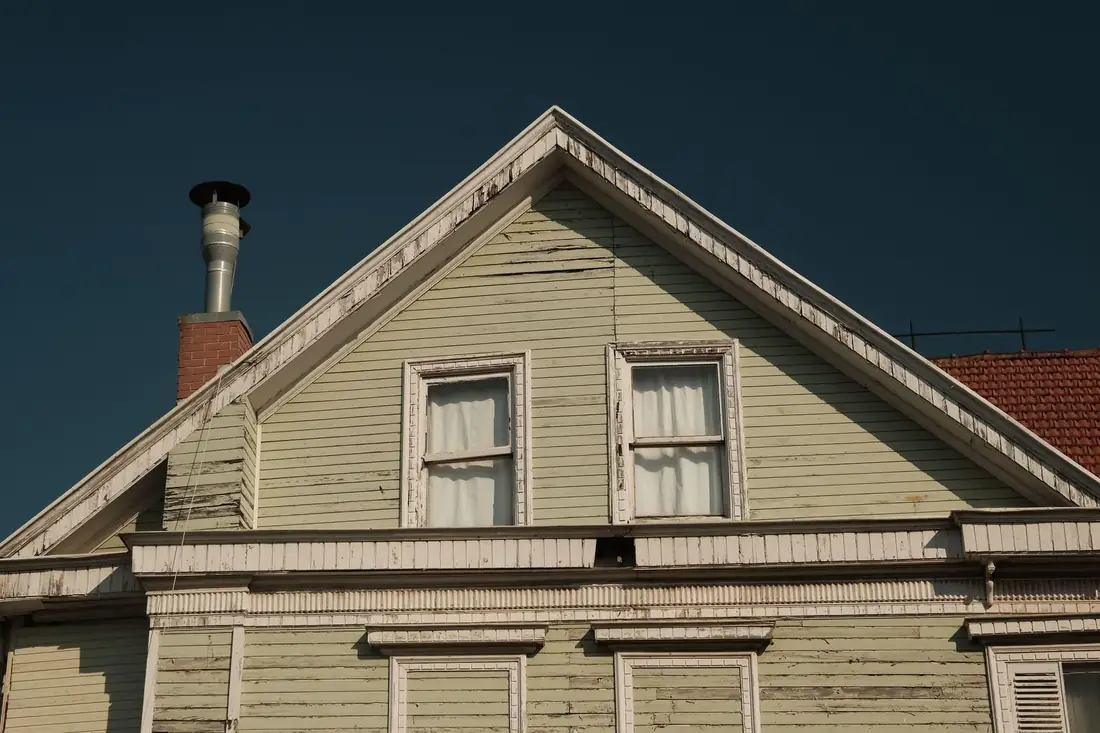
You're standing in the hardware-store aisle holding the inspector's "short list," and the math is getting loud. Drywall, a water heater, a roof patch, a furnace that's on borrowed time. Twenty minutes ago this was a quick weekend fix. Now you're doing arithmetic on a paint-can lid and realizing the small repairs have quietly turned into a second mortgage. That's the exact moment "sell my house as is" stops sounding lazy and starts sounding like the smartest thing you've considered all week.
Selling a house as is simply means you're selling it in its current condition and you won't be making repairs or giving repair credits before closing. The buyer knows the house needs work and agrees to take it that way. In Iowa you can do this two ways: list it as-is on the open market, or sell it directly to a cash buyer who prices it knowing it needs work. One word of "as is" does a lot of heavy lifting, but it does not erase your duty to be honest about what you know.
The catch most people miss is this: "as is" controls what you fix, not what you tell. Skip the repairs, yes. Skip the honesty, no.

What selling "as is" actually means
"As is" is a legal term, not a vibe. When you sell a house as is, you're telling buyers up front that you will not be repairing anything and you won't be handing over a credit to do it themselves. The price reflects the house exactly as it sits today, cracked driveway and all. What you're really buying with that phrase is the right to stop fixing things and stop apologizing for them.
Here's what it does not mean, which is where people get tripped up. It doesn't mean "sight unseen," and it doesn't usually mean the buyer waives their right to look. On a normal listing, a buyer can still hire an inspector, still discover the same furnace you already know about, and still try to renegotiate or back out. The phrase sets expectations. It doesn't seal anyone's lips or eyes.
I tell people "as is" is permission, not a disguise. You're allowed to stop fixing the house. You're not allowed to pretend the basement stays dry when it doesn't.
For a deeper plain-English version of how a no-repairs deal works, the federal Consumer Financial Protection Bureau is a solid, non-salesy place to read about the home-selling process. And if your house genuinely needs work, that's not a problem to be ashamed of. It's a normal house. I buy houses across Iowa in exactly that condition every month.
What you still have to disclose in Iowa
This is the part the national blogs gloss over, so read it twice. In Iowa, most sellers of residential property have to complete a written property disclosure statement before the sale and give it to the buyer. "As is" does not get you out of it. The form asks about the roof, the basement, the well and septic, the foundation, known water issues, pests, and a long list of other things you'd want to know if you were the one buying.
The rule of thumb: you have to disclose what you actually know. You're not expected to be a home inspector or to guess at problems hidden behind a wall. But if you know the basement takes on water every spring, you write that down. Selling as-is just means you won't be fixing it, not that you get to forget it exists. You can read the disclosure requirements directly in the Iowa property disclosure law (Code Chapter 558A).
Why does this matter so much? Because the cheapest mistake to avoid is the one that comes back later. A buyer who finds a problem you knew about and hid has a real grievance, and "but I sold it as is" is not the shield people think it is. Honesty up front is what makes an as-is sale clean. It's also, frankly, just easier. You tell me what you know, I price it, and nobody gets a surprise. If you want the human version of how I handle that, it's on my about page.

As-is on the MLS vs. selling to a cash buyer
"Sell as is" can mean two pretty different experiences, and people lump them together. The first is listing the house as-is on the MLS with an agent. The second is selling it directly to a cash buyer like me. Same word, very different week.
List it as-is and you've told buyers you won't repair, but you've signed up for everything else: cleaning, staging, photos, showings on a Tuesday night, an open house, and then a buyer who hires an inspector anyway and asks for a price drop on the very furnace you disclosed. It can absolutely work, and sometimes it nets the most money. It just isn't the "skip the hassle" option people imagine when they say "as is."
| What you deal with | As-is on the MLS | Cash buyer (me) |
|---|---|---|
| Repairs | None required, but buyers may demand them | None. Priced for the condition. |
| Cleaning & staging | Yes, to compete | No. Leave what you don't want. |
| Showings & open houses | Yes | One walkthrough |
| Inspection renegotiation | Common | No surprise renegotiation |
| Financing falling through | Possible | No mortgage to fall through |
| Typical timeline | Weeks to months | About a week to 30 days |
The honest trade-off: a cash, as-is sale usually nets a bit less than a perfectly executed retail sale on a fixed-up house, but it removes the repairs, the months, and the risk. If your goal is "most dollars on paper and I don't mind the project," list it. If your goal is "done, clean, and soon," that's the cash lane. Want the fast-sale mechanics in detail? I broke them down in how to sell your house fast in Iowa, and you can see how my process works in three steps.
How much less do you really get selling as-is?
This is the question everyone actually wants answered, so let's be straight about it. National sources peg homes that need real work at roughly 15 to 20 percent below their fixed-up market value. That sounds like a big haircut until you do the comparison correctly, because most people compare the wrong two numbers.
The wrong comparison is "as-is offer" versus "Zillow's estimate of a perfect house." The right comparison is the net in your pocket either way. Fixing the house to hit that higher number costs real money you spend now, plus months of holding costs (mortgage, taxes, insurance, utilities) while you do it, plus an agent commission at the end, plus the very real chance the repairs run over. Stack all of that up and the gap between "list it fixed" and "sell it as-is" is usually a lot smaller than the headline 15 percent.
A cash offer isn't a lowball. It's after-repair value, minus the repairs, minus the carrying costs, minus a fair margin. When you see the math laid out, the number stops feeling like a trick.
That's also why I never quote a price online. The honest number depends on the house, the repairs, and the market on your street, not on a national average. What I can promise is that I'll show you the arithmetic so you can compare it to your real net from a traditional sale, not a fantasy one. For the dollars-and-cents side, my piece on the repairs that are a waste of money before selling in Iowa saves people from spending in the wrong places.

How to sell your house as-is fast in Iowa
If you've decided "done and soon" beats "maximum on paper," the as-is cash route in Iowa is refreshingly short. Here's the actual path, from someone who's bought 100-plus houses across the state.
First, you tell me about the house. Honestly, warts and all. The leak, the layout, the carpet that's seen things. Second, I look at comparable sales and figure the after-repair value, then subtract the repairs and costs to land on a fair, no-obligation offer. Third, if the number works for you, we open title. In Iowa that means updating the abstract, our state's running history of the property, which a title company brings current. Fourth, we close at a local title office, often in about a week to 30 days, and you take whatever you want and leave the rest.
No staging, no Saturday open houses, no buyer's lender deciding your timeline. A few asides worth saying plainly: you don't clean it, you don't haul the junk, and you don't fix the furnace I'm already planning to replace. We serve Des Moines, Ames, Ankeny, all of Polk County, and the rest of Iowa, so "local buyer" actually means local. When you're ready, tell me about your house and I'll get you a number.
The bottom line
Selling a house as is means you stop fixing and stop apologizing, but you keep being honest: disclose what you know, and the rest gets easy. Decide whether you want the maximum-on-paper retail route or the fast, clean, as-is cash route, then compare the real net, not the fantasy one. If the house in question is in Iowa and you'd rather hand over the keys than haul home another load from the hardware store, get a fair cash offer and put the repair list back in the drawer where it belongs.
Selling a house as is: FAQ
Does selling as is mean I don't have to disclose anything?
No. In Iowa, selling as is means you won't make repairs, but it does not cancel your duty to disclose known problems. Most sellers still have to complete the state's residential property disclosure statement and answer it honestly. As is limits repairs, not honesty.
Can a buyer still do an inspection on an as-is house?
Usually yes. On a traditional as-is listing, the buyer can still order an inspection and walk away, or ask you to renegotiate based on what it finds. The only way to skip the inspection drama is to sell directly to a cash buyer who has already accounted for the condition.
How much less do you get selling a house as is?
It depends on how much work the house needs. National sources put homes that need real repairs at roughly 15 to 20 percent below their fixed-up market value. The right comparison isn't list price, it's net price after repairs, agent commission, holding costs, and months of your time.
What should I fix before selling as is?
Usually nothing major. If you're selling as is to a cash buyer, repairs rarely pay you back, since the buyer prices the home on its current condition. Save your money. You don't paint a car right before you trade it in.
How fast can I sell my house as is in Iowa?
A cash, as-is sale can often close in about a week to 30 days, once the title and the Iowa abstract are squared away. There are no repairs, no staging, and no waiting on a buyer's mortgage approval, so the timeline is mostly paperwork.