Selling a house with lead paint in Iowa
If your house went up before 1978, there's a good chance lead is layered into its walls, one coat at a time. You find out the hard way: a home inspector taps a windowsill, a buyer's agent frowns, and suddenly the sale you thought was simple has a chemistry problem attached to it. Selling a house with lead paint sounds like it should be a nightmare, and most sellers assume they're about to spend a fortune scraping walls. The good news is that the law asks far less of you than the panic suggests.
Here's the honest version. For any home built before 1978, federal law makes you tell the buyer what you know about lead-based paint and hand them a pamphlet. It does not make you remove it, fix it, or spend a dime on abatement. You disclose, you give them a window to test, and you can sell the house exactly as it stands, including to a cash buyer.
People get this backwards: the federal rule is about disclosure, not repair. Tell the truth, hand over the pamphlet, follow the four steps, and lead paint becomes a paperwork item instead of a wrecking ball.

The one rule you can't skip: federal disclosure
Most of what you'll read about selling an old house is soft advice you can take or leave. This part isn't. There is one federal rule with real teeth, and it applies to "target housing," which is basically any home built before 1978. It comes from the same law that banned lead paint in housing back in 1978, and it's enforced by the EPA and HUD. Before you sell, you have to do four specific things:
- Disclose what you know. Tell the buyer, in writing, about any known lead-based paint or lead hazards in the home, and hand over any inspection reports or records you have. You are not required to go test for it. You just cannot hide what you already know.
- Give them the pamphlet. Provide the buyer the EPA booklet "Protect Your Family From Lead in Your Home." It's a free PDF. You give it, they get it, done.
- Put the warning in the contract. Include a lead warning statement and a disclosure attachment in the purchase agreement, signed and dated by both sides. Most Iowa purchase contracts already have this addendum built in.
- Offer a 10-day window to test. Give the buyer 10 days (or another period you both agree to in writing) to have the house inspected or risk-assessed for lead before they're locked in. They can waive it in writing if they want to.
That's the entire obligation. Notice what's not on the list: fixing anything. (Also worth knowing: brand-new records aren't required. You disclose what you have, not what you wish you'd gone and tested.) Skip these steps, though, and you're exposed to real federal penalties and a lawsuit from the buyer, so this is the one corner you never cut.
The law wants you to tell the truth about the paint. It does not want you to scrape it off the walls. Those are two very different bills.
If the paperwork side of an old house makes you nervous, that's normal. Most sellers aren't scared of selling, they're scared of the parts they don't know. Walking through the disclosure up front is exactly the kind of thing I do before we ever talk price, the same way I explain the as-is selling process in Iowa so nothing sneaks up on you at closing.

Do you have to fix the lead paint?
No. This is the single most misunderstood thing about selling an older home, so let me say it plainly: disclosing lead paint and removing lead paint are not the same job, and only one of them is required. You can sell a house with lead paint sitting right there on the walls, the trim, and the windows.
That matters because abatement is not cheap. Proper lead removal or encapsulation means certified contractors, containment, and cleanup, and it can run into many thousands of dollars on a whole house. Spending that money right before you sell, on a place you're leaving anyway, rarely makes financial sense. It's the same logic behind knowing what not to fix when selling a house: pouring cash into repairs a buyer will redo, or accepts as-is, is money you don't get back.
There are a couple of real-world wrinkles worth naming. If a buyer is using an FHA or certain government-backed loans, the lender may flag peeling or chipping paint on an older home and require it be addressed before they'll fund. That's a financing hurdle, not a legal one, and it's a big reason a rough pre-1978 house often lands better with a cash buyer than on the open market. (No lender means no appraiser deciding your flaking paint is a dealbreaker.) The CDC's guidance on preventing lead exposure is the honest health context here, and it's worth reading if kids will live in the home.
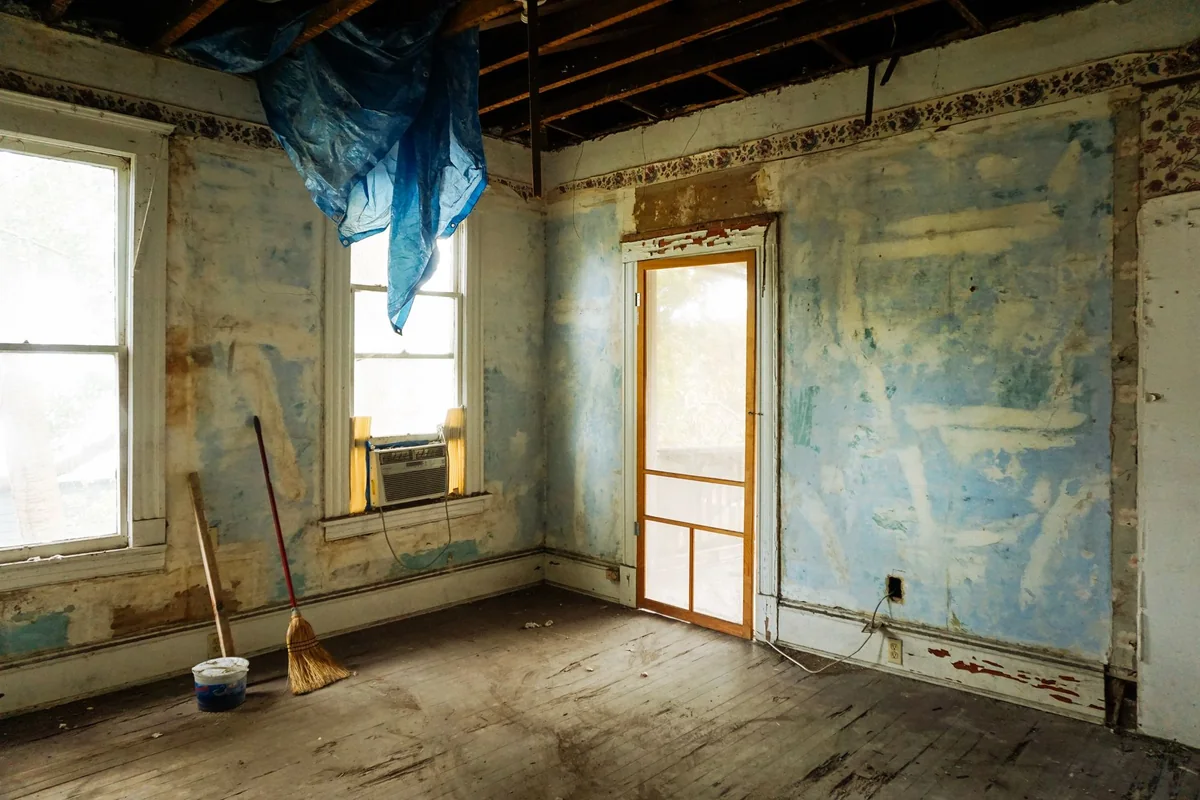
Selling as-is or for cash
Selling as-is doesn't cancel the disclosure. That trips people up, so it's worth being clear: even in an as-is or cash sale, you still owe the buyer the lead disclosure, the pamphlet, and the warning statement. What "as-is" changes is the repairs, not the honesty. You're telling the buyer "I'm not fixing anything," and lead paint is one of the things you're not fixing.
Here's where a cash sale actually earns its keep on an old house. The buyer can waive the 10-day inspection window in writing, because they've already decided to buy the place in whatever shape it's in. There's no lender to spook, no FHA appraiser circling the chipped trim, no request to abate before funding. You disclose, they acknowledge, and the deal moves. For a house full of decades-old paint, that's often the difference between a clean close and a listing that stalls every time a financed buyer's inspector gets nervous.
This is also the honest place to say a cash offer isn't always your best move. If your house is updated and shows well and you've got time, the open market may pay you more even with lead paint in the mix. I'll tell a seller that straight. But if the house needs work on top of the paint, or you're dealing with an inherited place, a move, or a tired rental, selling to a buyer who takes it in poor condition, warts and all tends to be the cleaner path. Leave the junk, leave the paint, we handle it. Here's where I buy houses across Iowa.
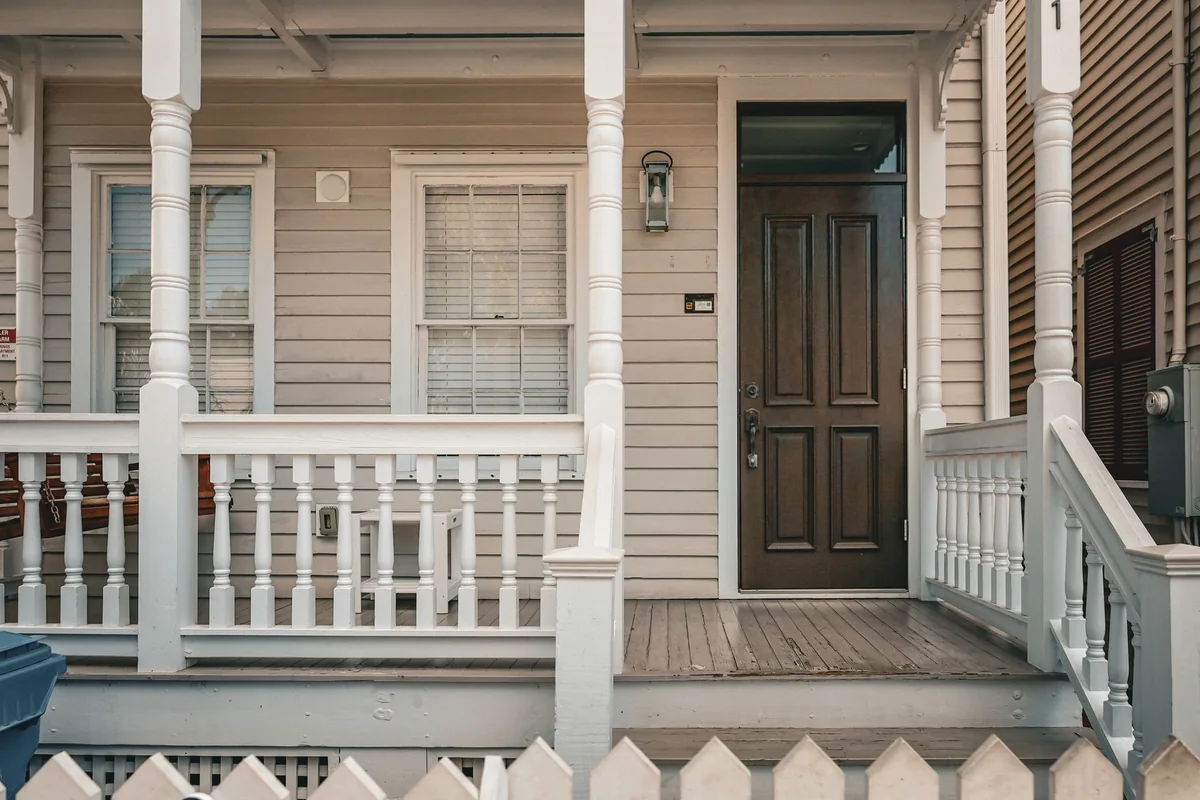
How a cash buyer prices an old house
People assume lead paint tanks the offer. It usually doesn't, at least not on its own, because a cash buyer isn't pricing the paint in isolation. The math is straightforward: I start with what the house is worth fixed up, then subtract the repairs it needs, the holding costs, and a margin. On a pre-1978 home, the age and its typical issues are already baked into that repair number before anyone says the word "lead."
So the disclosure rarely moves the price much, because I already expect an old house to be an old house. What moves it is the real condition: the roof, the furnace, the foundation, the years of deferred maintenance. Lead paint is a line item, not the headline. (I've bought plenty of homes where the paint was the least of the story.) I put over 100 houses through this in six years around Iowa, and cleared out my very first flip myself, so an old house with some history on the walls doesn't scare me off.
What I won't do is charge you for the privilege. A fair cash buyer shows you the math and never asks you for money to sell your house. The FTC has plain guidance on how to spot a scam, and it holds for home sales too: if someone wants a fee up front, walk. With me, there are no commissions and no fees, and the disclosure work is part of what I walk you through, not a bill I hand you.
The bottom line
Selling a house with lead paint is a disclosure job, not a demolition job. If the home predates 1978, you tell the buyer what you know, give them the EPA pamphlet, sign the lead warning in the contract, and offer the 10-day window to test. You don't have to remove a single flake of paint, and Iowa doesn't pile on extra rules beyond the federal ones and the standard condition disclosure. You can sell it as-is, and you can sell it for cash.
If you've got an older Iowa house and you'd rather not think about scraping, testing, or a financed buyer's inspector, tell me about it and I'll give you a fair, no-obligation cash number, disclosure and all. Leave the paint where it is. I buy houses across the Des Moines metro and the rest of Iowa, and if listing turns out to be your better move, I'll be the one to tell you.
Selling with lead paint: FAQ
Do I have to disclose lead paint when selling my house?
If your house was built before 1978, yes. Federal law requires you to disclose any known lead-based paint and hazards, hand the buyer the EPA pamphlet, include a signed lead warning statement in the contract, and give the buyer a 10-day window to test. You only have to disclose what you actually know, but you cannot hide what you do know. This applies even to an as-is or cash sale.
Do I have to remove or fix lead paint before selling?
No. Federal law makes you disclose lead-based paint, not remediate it. You can sell a house with lead paint exactly as it sits. Removal and abatement are expensive and are not required to transfer the property, which is a big reason selling as-is to a cash buyer is a common route for older homes.
Can I sell a house with lead paint as-is or for cash?
Yes. Lead paint does not stop a sale. You still have to give the federal disclosure and pamphlet, but you can sell the house as-is, and a cash buyer will factor the age and condition into the offer rather than asking you to fix anything. No repairs, no abatement, no showings.
What is the 10-day lead paint inspection period?
Federal law gives the buyer a 10-day period, or another length you both agree to in writing, to have the home inspected or risk-assessed for lead-based paint before they are obligated under the contract. The buyer can waive that period in writing, which cash buyers often do because they already price for an older home.
Does Iowa have its own lead paint rules for sellers?
Iowa does not add a stricter lead-paint sale rule on top of the federal one. You follow the federal disclosure for any home built before 1978, plus Iowa's standard written property condition disclosure that applies to most home sales. Get the federal lead disclosure right and you have covered the part a seller genuinely must do.