Selling a House That Won't Pass FHA in Iowa
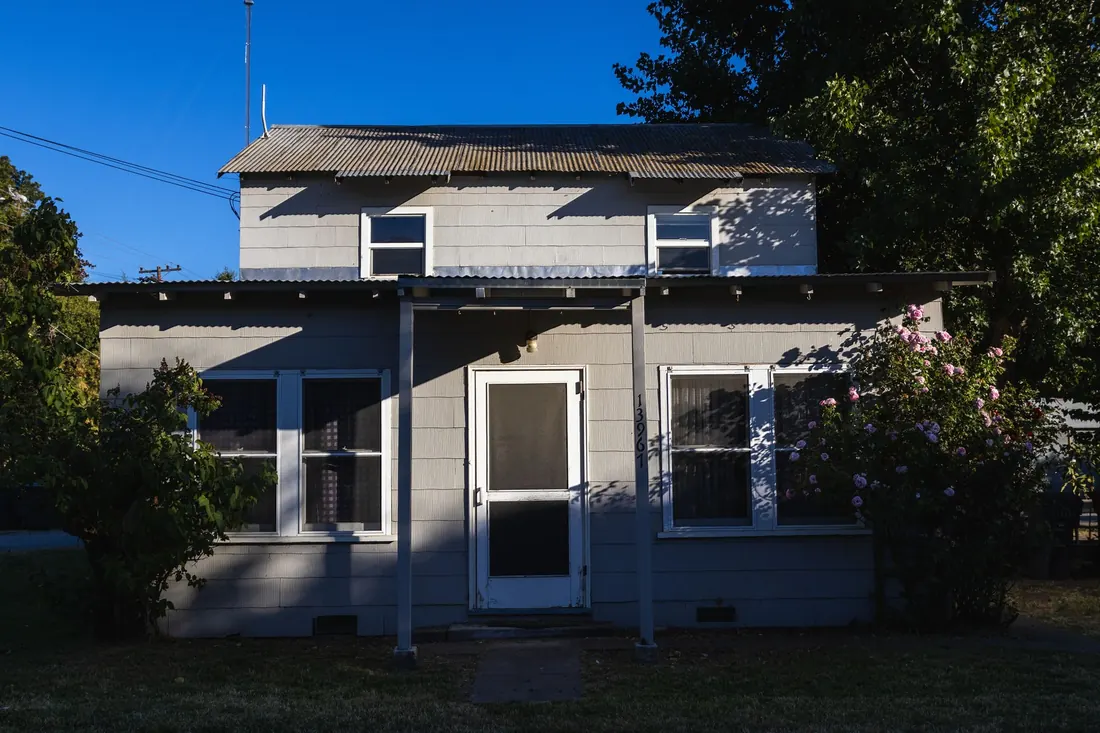
An FHA appraiser grades a house the way a building inspector would, then hands the buyer the repair list. You accepted a solid offer from a first-time buyer, felt good about it, and then a report comes back flagging peeling paint by the back door, a missing handrail on the basement stairs, and a water heater that quit last winter. None of it changed what your home is worth. It changed whether the loan can close. Selling a house that won't pass FHA is less about the number on the contract and more about a health-and-safety checklist your buyer's mortgage insists on before it funds a single dollar.
Here's the honest version. An FHA loan is insured by the federal government, so before the lender releases the money, the home has to clear FHA's minimum property requirements, a baseline for health, safety, and soundness. When the appraiser spots a problem that trips those standards, it has to be repaired before closing, or the loan dies. That knocks your FHA buyer off the deal, and since FHA is how a huge share of first-time buyers finance a home, it shrinks your buyer pool fast. It is fixable, and it does not mean you are stuck.
A can of exterior paint and a red-tagged furnace are now standing between your buyer and their mortgage, and you get to decide who deals with them: you, a different kind of buyer, or nobody at all because the offer walks. This walks through exactly what an FHA appraiser flags, why it is a condition problem and not a value problem, and the three clean ways out.

What an FHA appraiser is actually checking
An FHA appraiser wears two hats on the same visit. First, they estimate what your home is worth, the same as any appraiser. Second, they run it against FHA's minimum property requirements, and this is the part that surprises sellers. The government is insuring this loan, so it wants the house to be safe, sound, and livable before it stands behind a 30-year mortgage. If you want the plain-English background on how these loans work, the Consumer Financial Protection Bureau explains FHA loans in one short page.
They are not doing a full home inspection. An appraiser is not crawling your ductwork or pulling apart your electrical panel. But if a safety problem is visible during a normal walk-through, HUD requires them to note it. That is the trap. A defect that a private buyer might shrug off becomes a formal flag on a document the lender reads before releasing money. HUD spells these standards out in its appraiser guidance for FHA loans, and the appraiser is bound by it.
(The frustrating part for sellers: your house can be perfectly comfortable to live in and still get flagged. FHA is not asking "would a normal person live here." It is asking "does this meet a federal minimum." Those are different bars.)
The same basic checklist applies to VA and USDA loans too, which lean on similar minimum property standards. So a repair issue that fails FHA usually fails those government-backed loans as well, which narrows your buyer pool to conventional financing and cash.
The repairs that knock an FHA loan out
Most FHA problems come from a short list of usual suspects. If your house has one of these, expect it to show up on the report and expect the lender to want it handled before closing.
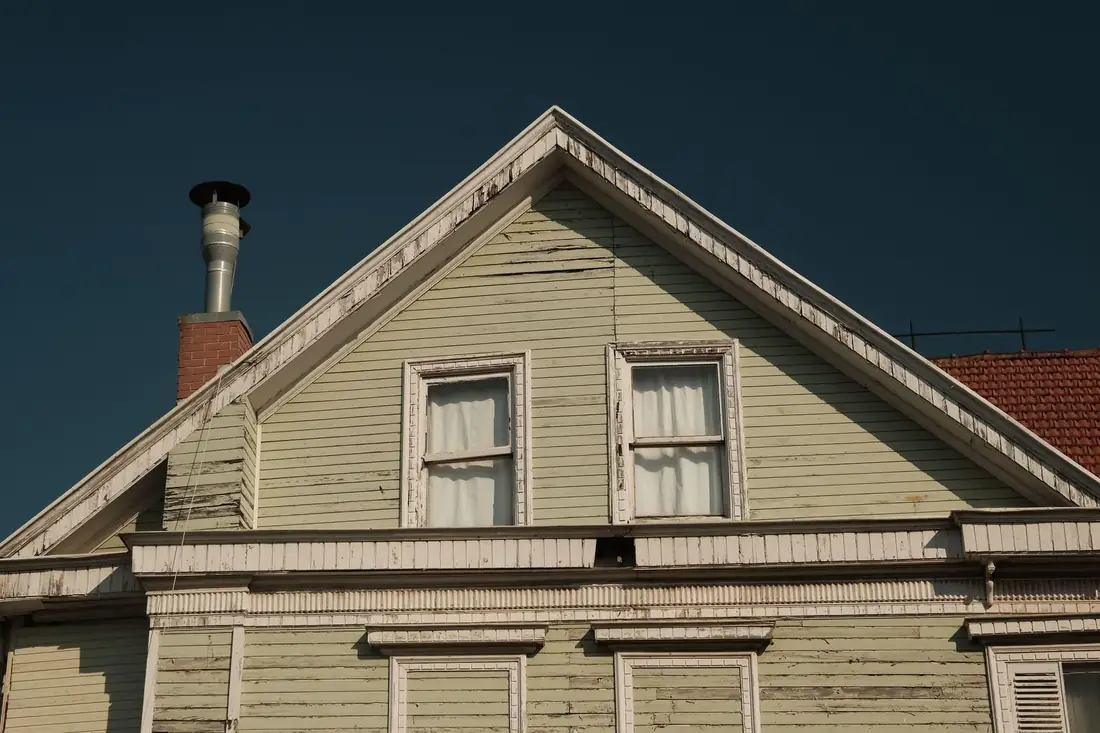
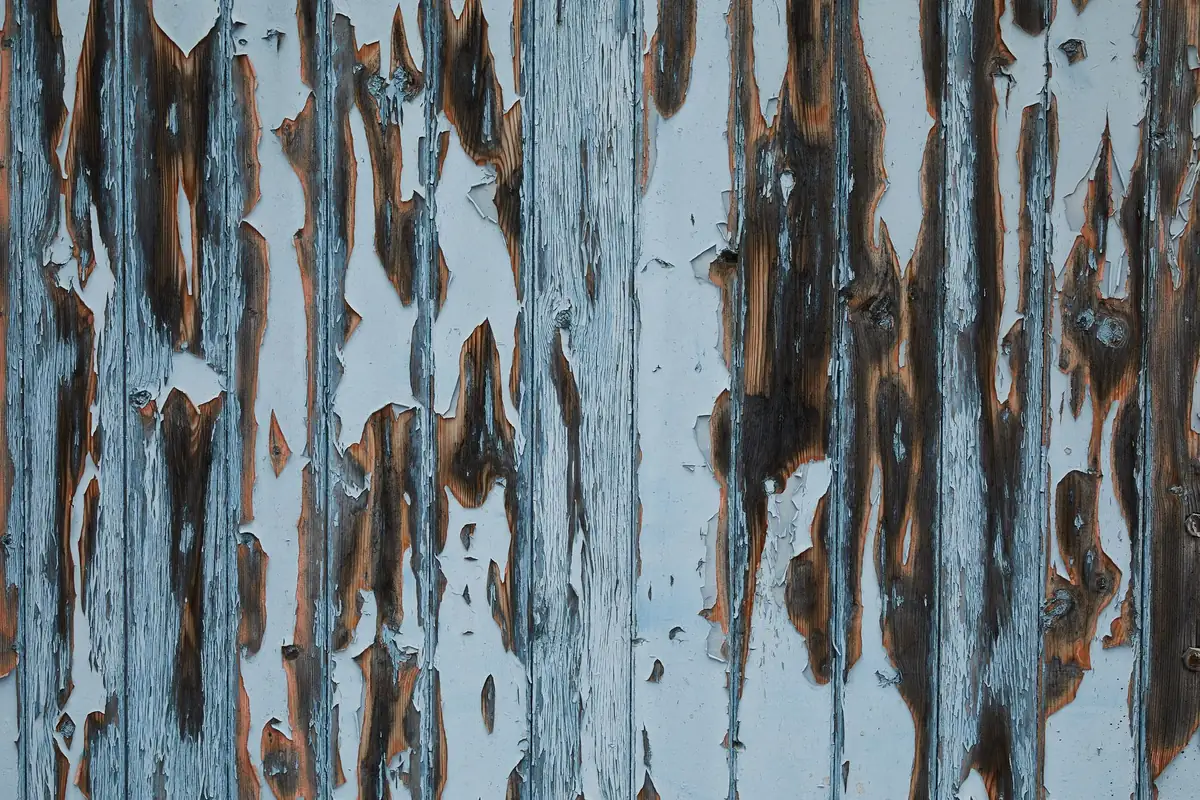
- Peeling or chipping paint on a pre-1978 home. FHA treats it as a possible lead hazard, inside or out, so it has to be scraped and repainted. This is the single most common flag on older Iowa housing stock, and it ties back to federal lead-paint safety rules for homes of that era.
- A non-working furnace or water heater. The home needs functional heat and hot water. A dead furnace in Iowa is an automatic problem.
- A roof near the end of its life. Active leaks, missing shingles, or a roof with little useful life left will get flagged.
- No functioning kitchen. If the stove is gone or the kitchen was mid-remodel, the home is not considered livable.
- Broken windows, missing flooring, or a rotted exterior. Anything that undermines the basic soundness of the structure.
- Active water intrusion or foundation issues. A wet basement or a cracked, shifting foundation raises a soundness question the lender cannot ignore.
Here is the honest catch. Someone has to pay for these repairs before the loan funds, and an FHA buyer putting down the minimum usually does not have spare cash sitting around for a new water heater. They also cannot legally start renovating a house they do not own yet. So the work tends to slide back onto you, the seller, unless you renegotiate the price or change buyers. If the flag is a bad furnace specifically, I wrote a fuller walk-through on selling a house with a bad furnace in Iowa that gets into the numbers.
FHA is not judging whether your house is nice. It is judging whether it is safe, sound, and secure. A charming 1920s bungalow with flaking porch paint can fail while a plain, boring house across the street sails through.
Handrails, wiring, and the small stuff that fails a house
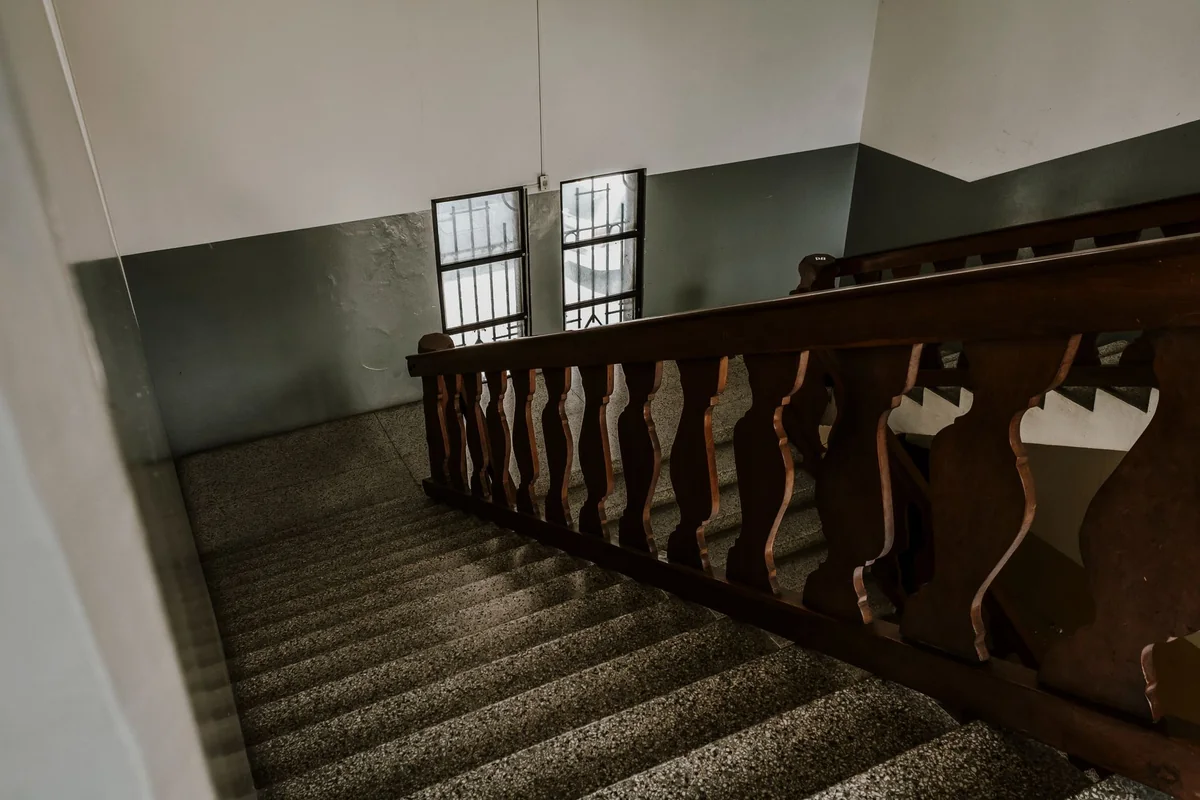
Not every FHA flag is a big-ticket repair. Some of the most common ones are cheap, which is what makes them maddening. A missing handrail on an open stairway is a textbook example. It might cost a little to install, but until it is there, an appraiser can note it as a safety defect and the loan can stall over it.
Exposed or unsafe wiring is another one. Knob-and-tube in an old Iowa farmhouse, a bare junction box, wires hanging in the basement, any of it can draw a flag even if the house has never had an electrical problem. Same with an unprotected drop-off, a broken exterior step, or a garage door opener with no working safety reverse.
The reason this stings is timing. You are usually days from closing when the report lands, the buyer is emotionally committed, and now an inexpensive handrail or a couple hours of an electrician's time is holding up the whole sale. If you have the time and the cash, most of these are quick to knock out. If you do not, they pile up into a reason to look at a different kind of sale entirely.
(One aside from doing this for six years: it is rarely one flag. It is usually three or four, and the small ones plus one big one is what tips a seller from "I'll just fix it" to "I need this gone.")
This is not a low appraisal: condition, not price
It is worth being precise here, because sellers mix these two up constantly and it costs them the right fix. A house that won't pass FHA on minimum property requirements is a condition problem. A house that comes in below the contract price is a value problem. Different report, different cause, different solution.
| FHA fails on repairs (this post) | Low appraisal (value) | |
|---|---|---|
| What triggered it | A health-and-safety defect: paint, handrail, furnace, roof, wiring | The appraised value came in under your agreed price |
| What the lender wants | The item repaired before closing | The gap between price and value closed with cash or a price cut |
| How you solve it | Fix it, change buyers, or sell as-is to cash | Renegotiate price, buyer brings cash, or sell to a buyer who waives the appraisal |
If your deal actually cracked on the number, not the condition, the playbook is different, and I laid it out here: selling a house that failed appraisal in Iowa. And if a buyer's private inspector is the one who found the problems, that is a third scenario worth reading, because a failed inspection and a failed FHA appraisal overlap but are not the same. Here's the honest version of selling a house that failed inspection in Iowa.
Your three options when the house won't pass FHA
Strip away the noise and you have three real moves. None of them are secret. The right one depends on how much cash you have, how much time you have, and how much you want to babysit contractors.
- Make the FHA-required repairs. If the list is short and you have the money and the calendar, fix the flags and let the FHA buyer close. This keeps you in the biggest buyer pool. The downside is you are fronting cash and time on a house you are trying to leave, and if the repairs uncover more repairs, the timeline slides.
- List for a conventional or cash buyer instead. Conventional loans have their own appraisal, but the minimum-property bar is generally lighter than FHA's, so a home that fails FHA can still finance conventionally. You can also market it as-is and target buyers who are not using government financing. You give up the first-time-buyer FHA crowd, but you avoid the repair bill.
- Sell to a cash buyer. No mortgage means no lender, no FHA appraiser, and no minimum-property checklist at all. A local cash buyer takes the house as-is, factors the repairs into the offer, and closes on your timeline. This is the fastest exit and the one that makes the whole FHA problem disappear. Here's how a true as-is sale in Iowa actually works.
There is no universally correct answer. A seller with a couple of small flags and a flexible move date should probably just fix them. A seller staring at a red-tagged furnace, a bad roof, and a move-out date in two weeks is a different story. That is where a cash offer usually wins, and it is worth running the numbers on a cash offer before you sink money into a house you are leaving.
Why a cash buyer has no appraiser and no checklist
This is the part that confuses people, so let me be plain. FHA's minimum property requirements exist to protect the lender's insured loan. Take the loan out of the picture and the whole apparatus disappears. A cash buyer is not borrowing money against your house, so there is no lender demanding an appraisal, and no FHA checklist to satisfy. The peeling paint, the handrail, the tired furnace, none of it stops the sale.
That does not mean the condition is free. A cash buyer accounts for repairs, they just do it inside the offer instead of on a punch list you have to complete first. The math is straightforward: after-repair value, minus the cost of the repairs, minus the costs of the sale, minus a fair margin. You are not writing checks to contractors or waiting for a lender to re-approve. You take the number, or you don't.
I've bought over 100 homes across Iowa in six years, plenty of them houses no FHA buyer could have touched: junk-filled, half-renovated, systems on their last legs. That is genuinely the work. I'll also tell you if a cash sale is not your best move. If fixing three small flags and closing with your FHA buyer nets you more, I will say so. No harm, no foul, I am just one more option. You can read more about how I work if you want the background first.
One Iowa-specific note while you are planning: Iowa is an abstract state, so closing involves updating and examining a physical abstract of title rather than title insurance. It adds a few days and trips up out-of-state sellers, and it is one more reason working with a local buyer who does this every week tends to go smoother.
The bottom line
A house that won't pass FHA is not a broken house. It is a house with a repair list attached to one type of loan. You can clear the list and keep your FHA buyer, widen the pool to conventional or cash financing that does not care about the FHA checklist, or sell to a cash buyer and make the entire problem vanish overnight. All three are real, and the right one comes down to your cash, your clock, and your patience for contractors.
If the repair list is longer than your timeline or your budget, that is exactly the situation I buy in. Tell me what the appraiser flagged and I'll give you a straight read on your options, including the ones that are not selling to me. Request a free, no-pressure cash offer or call 515-216-0652 and we'll talk it through.
Selling a house that won't pass FHA: FAQ
What will fail an FHA appraisal?
Anything that trips FHA's health-and-safety minimum property requirements: peeling or chipping paint on a home built before 1978, a missing stair or porch handrail, a furnace or water heater that does not work, exposed or unsafe wiring, a roof near the end of its life, broken windows, no functioning kitchen, active water intrusion, or foundation problems. The appraiser notes these on the report, and they have to be corrected before the FHA loan can close.
Can I still sell a house that won't pass FHA?
Yes. You have three main paths: make the FHA-required repairs so the loan can close, keep the house on the open market for a conventional or cash buyer who is not using FHA financing, or sell directly to a cash buyer who brings no appraiser and no minimum-property-requirement checklist. The house is sellable in every case. The only question is which route fits your timeline and budget.
Who pays for FHA-required repairs, the buyer or the seller?
It is negotiable, but the practical answer is usually the seller. The repairs have to be finished before closing, and an FHA buyer using a low down payment often does not have the cash or the legal standing to fix a house they do not own yet. So the work, and the cost, tends to land on you unless you renegotiate the price or switch to a buyer who does not require the fixes.
Is an FHA appraisal the same as a home inspection?
No. A home inspection is a detailed, buyer-ordered report on the condition of everything in the house. An FHA appraisal is a lender-ordered valuation that also includes a lighter health-and-safety review against FHA's minimum property requirements. An appraiser is not a home inspector, but if they can see a safety defect, they must flag it, and that flag can hold up the loan.
Can I sell to a cash buyer instead of making FHA repairs?
Yes, and it is the most common reason Iowa sellers with an FHA problem call us. A cash purchase does not involve a mortgage, so there is no lender, no FHA appraiser, and no minimum-property-requirement list to satisfy. We buy the house as-is, factor the needed repairs into a fair offer, and close on your timeline, often in about a week.