How much do you lose selling a house as-is in Iowa?

Under every as-is question, there's one nobody says out loud. It isn't "will it sell." A rough house always sells to somebody. The real worry is the size of the haircut: the gap between what your place would fetch fully fixed up and what it fetches the way it sits, minus the cost and the months of fixing it. So how much do you lose selling a house as-is, honestly, with no rounding in the seller's favor?
Plan on roughly 5% to 30% under the fixed-up price, with 10% to 20% being the usual band. Light, cosmetic homes land near the low end. Houses with real problems land near the high end, because a buyer prices in the repairs plus a cushion for whatever they find later.
The discount is the part everyone fixates on. The number that actually lands in your account is what nobody runs. Those are two different things, and the rest of this is about the second one.

What selling as-is really costs you
"As-is" just means you're selling the house in its current condition and you won't be making repairs or improvements to land the sale. That's it. It is not a confession that something is wrong, and it is not a free pass for the buyer to lowball you into the ground. It's a statement about who does the work: not you.
The cost shows up as a lower top-line price. A buyer looks at a house that needs a roof, or a kitchen, or just a hard scrub and fresh paint, and they subtract. They subtract the repair bill. Then they subtract a little more, because nobody wants to discover a $9,000 surprise behind the drywall after closing. That second subtraction, the cushion, is the part that stings, and it's normal. I do the same math when I buy. The honest version of "selling as-is" is in this guide to selling a house as-is in Iowa if you want the full walkthrough.
As-is doesn't mean "broken." It means "I'm not the one swinging the hammer." The discount is just the price of handing that job to somebody else.
Here's the part the calculators skip: a fixed-up sale has costs too, they just arrive on a different schedule. You pay them in repair invoices, in monthly carrying costs while the work drags, and in commission at the closing table. As-is trades all of that for one clean discount up front. Whether that's a good trade is the whole question.
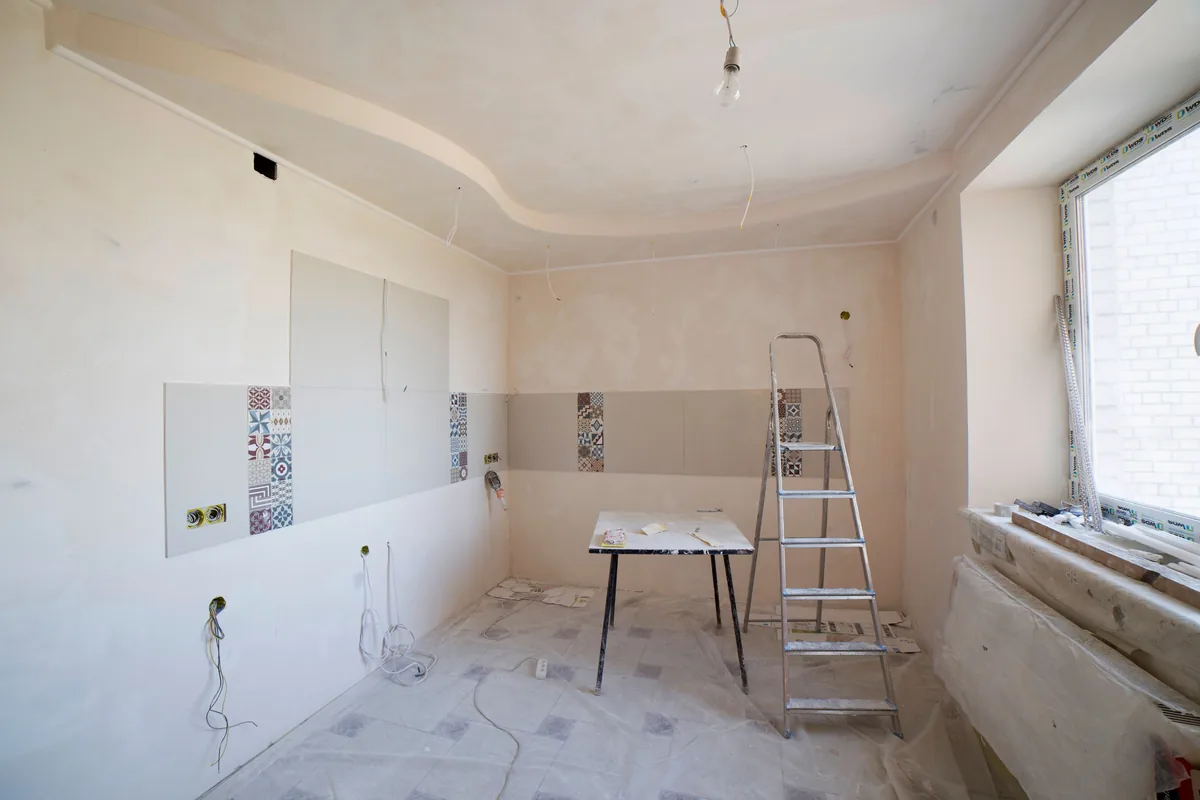
The typical as-is discount, by the numbers
The honest range is 5% to 30% off the fixed-up value, and most as-is sales sit in the 10% to 20% middle. Put real numbers on it. On a house that would be worth $250,000 fully updated, a 15% as-is discount is about $37,500. That's the headline loss, and it's a real number. It's also not the number you take home.
Why the wide band? Because "as-is" covers everything from a dated but solid ranch to a house with a tarp on the roof. A buyer's discount tracks the work, plus the cushion for unknowns. Here's how the two paths compare on a $250,000 example house that needs about $30,000 of work:
| The math | Fix it up, then list | Sell as-is |
|---|---|---|
| Sale price | $250,000 (fixed-up value) | ~$212,500 (15% as-is discount) |
| Repairs you pay | −$30,000 | $0 |
| Agent commission (~5–6%) | −$13,750 | $0 to a cash buyer |
| Carrying costs while you work | −$3,000 to $6,000 (months of taxes, insurance, utilities) | $0 |
| Roughly what's left | ~$200,000 to $203,000 | ~$212,500 |
Those are illustrative numbers, not a quote on your house. The point isn't the exact figures, it's the shape: the loud as-is discount shrinks fast once the fixed-up path pays its own bills. Sometimes it flips entirely.
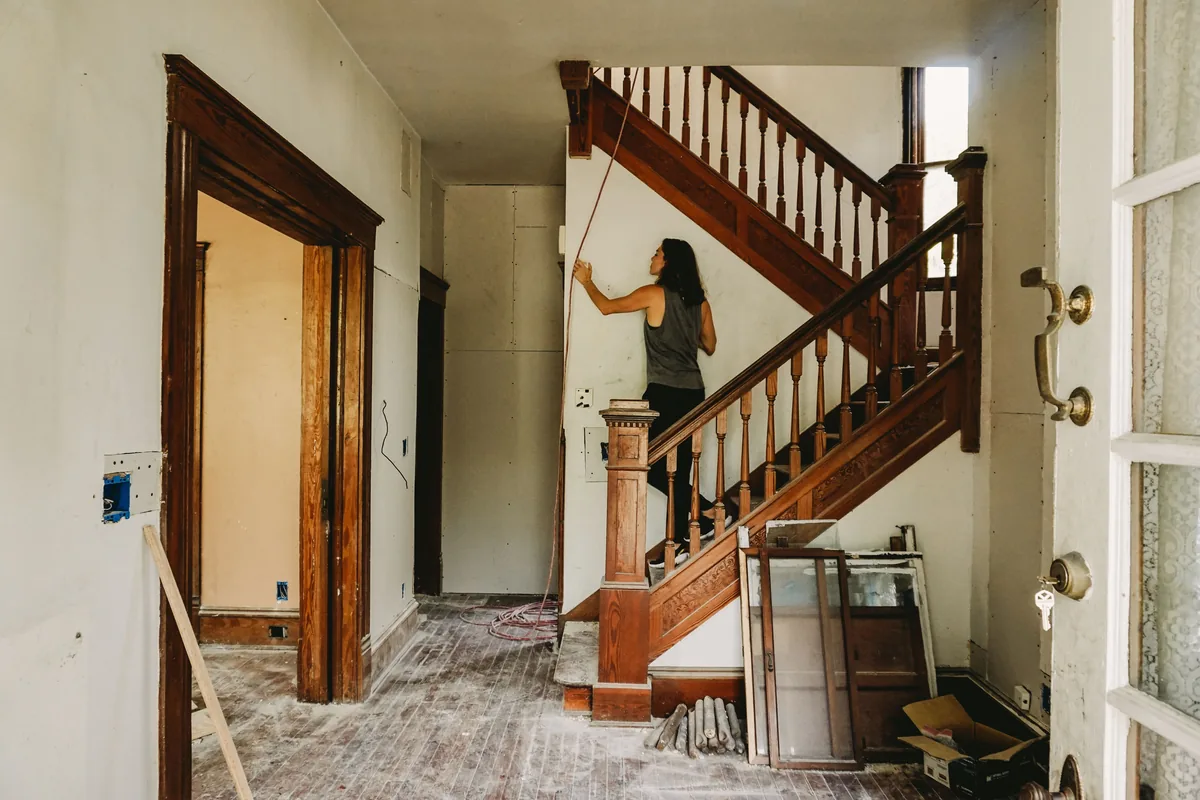
What drives the size of the haircut
Four things move the dial, and they're worth knowing because two of them you can read off your own house:
- The actual work. Cosmetic (paint, carpet, dated cabinets) is cheap to discount. Major systems (roof, foundation, HVAC, plumbing) are expensive, because buyers don't price the likely cost, they price the worst case.
- The market. A hot, low-inventory market forgives a rough house. A slow one widens the discount, because the buyer has options and you don't.
- Location and lot. A solid neighborhood pulls the number back up. Buyers will overlook a lot of ugly for the right street.
- How scary it looks. A visible question mark, like a stain on the ceiling or a sloping floor, costs more than the repair itself. Fear is expensive. A clean, honest disclosure can actually shrink the haircut.
That last one matters more than people think. Some repairs are worth doing and some are money you'll never see again. I sorted the worth-it from the waste-of-time in what not to fix before selling a house in Iowa. If you're going to lift a finger at all, lift it on the cheap, scary-looking stuff, not the granite.
Buyers don't pay for the repair. They pay for the uncertainty. Take away the mystery and the discount usually gets smaller, not bigger.
When fixing up pays (and when it doesn't)
Fixing up pays when the house is fundamentally sound and the work is light, fast, and cosmetic. Fresh paint, new carpet, a deep clean, and a tidy yard can return more than they cost, and they're done in a couple of weekends. That's the case where listing it the traditional way usually wins, and you shouldn't be reading a cash-buyer blog about it. Go for it.
Fixing up stops paying the moment the work gets big, slow, or open-ended. A full kitchen, a new roof, a foundation fix: you front the cash, you wait months, and renovation budgets have a way of growing legs. Most national remodeling data shows the average project recoups only a fraction of its cost at resale, and that's before you count the carrying costs of owning the place while contractors no-show. The U.S. Department of Housing and Urban Development has plain-language guidance on home buying and selling worth a look before you sink money into a house you're trying to leave.
And there's a softer cost nobody invoices: the months of your life spent managing it. If you inherited the house, are going through a divorce, or are moving for a job, a six-month renovation is a six-month anchor. Sometimes the smartest financial move and the sane one are the same move.
When as-is actually nets you more
This is the part the big national sites tend to skip, because they're usually trying to talk you into a listing. As-is genuinely nets you more in a handful of common situations:
- The house needs major work. When the repair bill is large, the as-is discount and the repair-it cost converge, and as-is wins on stress alone.
- You can't or won't manage a renovation. Out of state, out of time, out of patience. Managing contractors from two hours away is its own part-time job.
- Carrying costs are bleeding you. Every month the house sits, you pay taxes, insurance, and utilities on a place you don't want. As-is stops the bleed now.
- You have a hard deadline. A foreclosure date, a job start, a divorce decree. Certainty is worth real money, and a fixed-up sale can't promise a date.
When you sell as-is to a cash buyer, two of the fixed-up costs disappear: there's no agent commission, and a fair buyer typically covers the usual closing costs. You trade some top-line price to keep more of what's left, with nothing out of pocket on the way. That's how a cash offer gets built, and it's worth understanding the pieces, not just the number. The Consumer Financial Protection Bureau has solid neutral resources on owning and selling a home if you want to vet the process. I lay out the whole approach on the where and how I buy houses page, and you can see the kind of person you'd be dealing with on my about page. No call center, just me.
The seller who "loses the most" on paper often keeps the most in the bank, because they never spent the repair money, never paid commission, and never carried the house another six months.
The bottom line
So how much do you lose selling a house as-is? On the sticker, 5% to 30%, usually 10% to 20%. In your pocket, often a lot less than that, and sometimes nothing at all, once you account for the repairs you didn't pay, the commission you skipped, and the months you didn't carry. The discount is loud. The net is quiet. Run the quiet one. If you've got an Iowa house you'd rather not pour money into, tell me about it and I'll give you a fair, no-obligation cash number, so you can compare the as-is net against the fix-it net and pick with your eyes open.
Selling a house as-is: FAQ
How much do you lose selling a house as-is?
Most as-is sales come in 5% to 30% under what the same house would fetch fully fixed up, and 10% to 20% is the common range. Light cosmetic homes land at the low end; houses with real problems like roof, foundation, or systems land at the high end, because a buyer prices in the repairs plus a cushion for surprises.
Is selling as-is always a bad deal?
No. The discount is only half the math. When you fix up instead, you spend the repair money up front, carry the house for months of taxes, insurance, and utilities, and pay agent commission and closing costs at the end. Once you subtract all of that, the gap between the two net numbers is often much smaller than the headline discount suggests.
What makes the as-is discount bigger or smaller?
Four things: how much the house actually needs (cosmetic versus major systems), how hot or slow the local market is, the house's location and lot, and how visible or scary the problems look to a regular buyer. A cracked driveway costs little; a question mark over the foundation costs a lot, because buyers price in the worst case.
When does selling as-is actually net you more?
When the house needs major work, when you can't or don't want to manage a renovation, when carrying costs are bleeding you each month, or when you need to be done by a hard date. In those cases the speed, the zero repair spend, and the dropped commission frequently leave you with more in hand than a fixed-up sale would after costs.
Do I lose money on commission and closing costs if I sell as-is to a cash buyer?
Selling as-is to a cash buyer usually means no agent commission and no repair spend, and a fair cash buyer often covers typical closing costs. You trade some top-line price for keeping more of what's left, with no money out of pocket along the way.