Selling a house with old wiring in Iowa
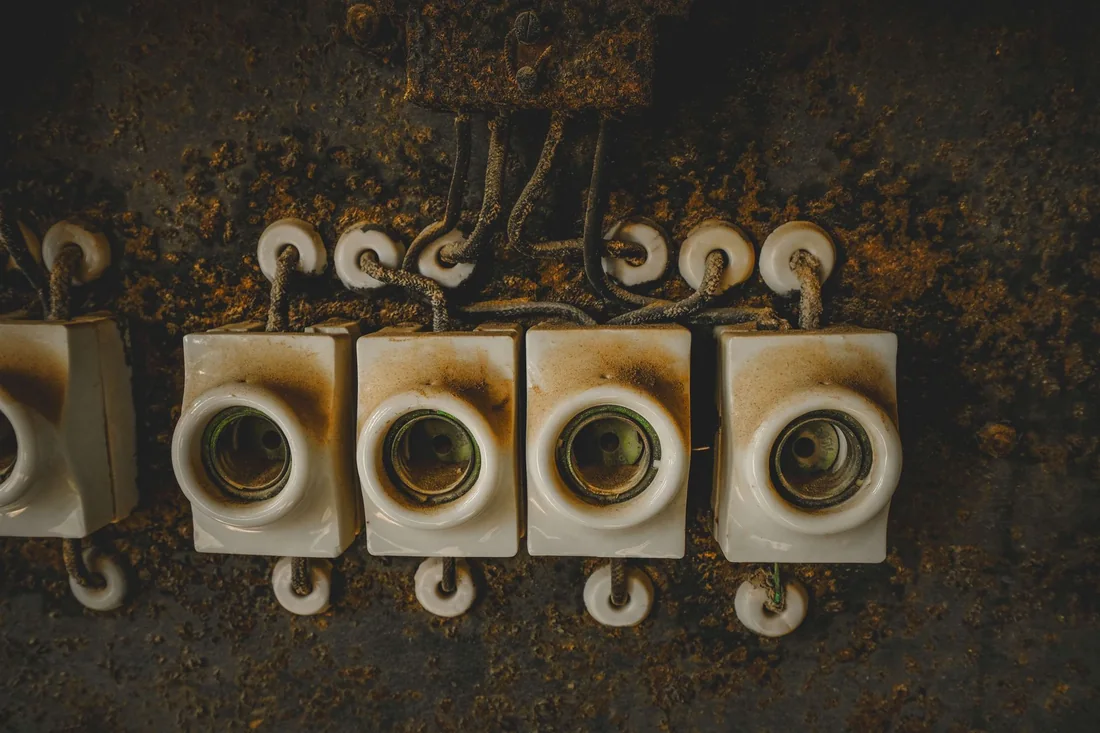
Old wiring is the kind of problem that hides behind the walls until a home inspector or an insurance company goes looking. Then it is suddenly everyone's business. You flip what you thought was a breaker and it turns out to be a screw-in fuse. You notice cloth-wrapped wire strung between little white ceramic knobs in the basement rafters. Every outlet upstairs has two flat prongs where a third should be. Then a buyer's inspector says "knob-and-tube" out loud, and you watch your agent's face change. Selling a house with old wiring gets complicated fast, and not because the lights stopped working.
Here is the honest version. Old wiring (knob-and-tube, aluminum branch wiring, ungrounded two-prong outlets, or an old fuse panel) can make a house hard to insure, and a house nobody will insure is a house nobody can get a mortgage on. That quietly shrinks your buyer pool down to cash and investor buyers. From there you have three real paths: rewire the house, list it as-is on the MLS, or sell it as-is straight to a cash buyer who takes on the rewire.
The wiring might light every bulb in the house just fine, but the label on it, knob-and-tube or aluminum or a Federal Pacific panel, is what decides whether a buyer can insure and finance the place at all.
Why old wiring spooks buyers, banks, and insurers
This is the part almost nobody explains, and it is the whole reason a house with old wiring is hard to sell. A buyer can love your house, have a great job, and still not be able to buy it. Not because of them. Because of a chain reaction that starts with the insurance company.
Watch how it goes. A financed buyer has to insure the house before the loan can close, because the lender demands it. So the buyer calls for a homeowners insurance quote, and the insurer asks one deceptively simple question: what is the wiring? If the answer is active knob-and-tube, or certain aluminum branch wiring, a lot of carriers say no, or they quote a premium that makes the buyer flinch. No policy, no loan. The deal dies before it ever reaches the closing table, and the buyer never even mentions wiring when they walk.
The appraiser is the second domino. On most loan types, and especially government-backed ones like FHA, the appraiser is not only guessing a value. They also flag health and safety problems, and unsafe or exposed electrical is right on the list. When they circle it, the underwriter can require the fix before closing. Guess who is expected to make that happen? You, the seller, on a house you are trying to leave. The appraisal exists to protect the lender's collateral, and a house with wiring that could start a fire is a shaky bet for a 30-year loan.
Add it up and the effect is simple. The scarier the wiring reads on paper, the more buyers get filtered out at the insurance and financing steps, until what is left is people paying cash: investors, flippers, and buyers like me who price the rewire in on purpose. That is not a scare tactic. It is just where the road narrows, the same way it does when a house has open code violations in Iowa that a buyer would inherit.
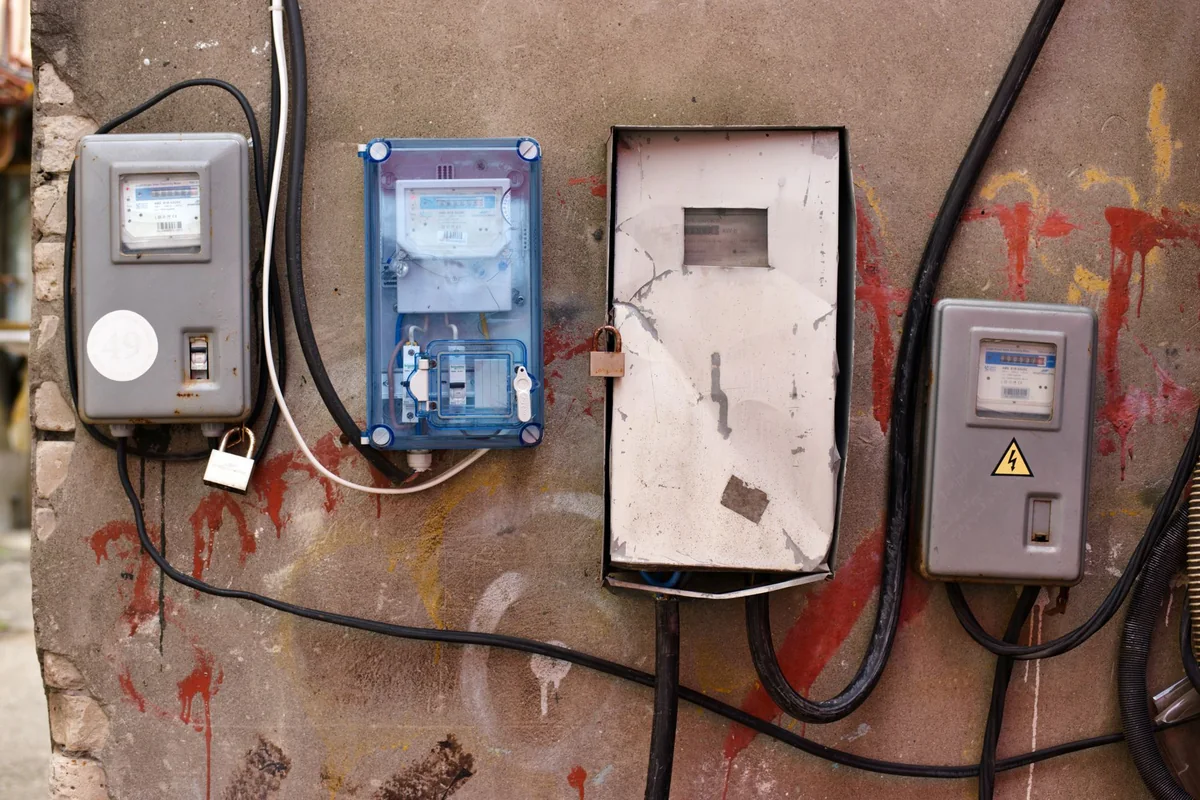
The wiring that raises red flags
Not all old wiring is a problem, and it helps to know which words actually scare an insurer. Here are the usual suspects, from "call a buyer's bluff" to "call a cash buyer."
- Knob-and-tube. The old ceramic-and-cloth system in homes built before roughly the 1950s. It has no ground wire, it gets brittle with age, and it is dangerous when buried under insulation. Many insurers will not touch an active knob-and-tube house at all.
- Aluminum branch wiring. Common in homes wired in the mid-1960s to mid-1970s. Aluminum expands, loosens at connections, and can overheat. The Consumer Product Safety Commission has flagged it as a fire risk for decades, and insurers know it.
- Ungrounded two-prong outlets. Not a fire-breather on their own, but they signal an old system and rule out safe grounding for modern electronics.
- Old fuse panels. Screw-in fuses instead of breakers usually mean an undersized, dated service that struggles with a modern household.
- Federal Pacific and Zinsco panels. Specific panel brands with a long-documented reputation for breakers that do not trip when they should. An inspector who spots one will call it out, and buyers who Google the name get nervous fast.
Sort your own house against that list before you spend a dollar. One ungrounded bedroom outlet is a shrug. Active knob-and-tube feeding the whole second floor plus a Federal Pacific panel in the basement is a different animal, and it is the combination that steers a sale toward cash.
Wiring does not have to spark to sink a sale. It just has to be a name the insurance company does not like.
If your house also picked up a few "improvements" over the years that never saw a permit, read up on selling a house with unpermitted work in Iowa too, because a former owner's weekend rewiring job in a back bedroom tends to show up in the same inspection.

Your three options, honestly compared
There is no universal right answer, only the one that fits your house and your situation. Here are the three, straight, with the catch on each.
1. Rewire, then list it
Hire a licensed electrician, pull a permit, and bring the wiring current so the house is insurable and financeable again. On paper this earns the most, because you reopen the door to every mortgage buyer. The catch is real: a whole-house rewire is expensive, and it is invasive, since crews often have to open up walls and ceilings to run new cable. It takes weeks, you may need to move out while it happens, and you eat the mortgage, taxes, insurance, and utilities the whole time. If the wiring is your only big flaw and your budget is comfortable, this can be the smart play. If money is tight or the clock is running, the math gets thin fast.
2. List it as-is on the MLS
Put it up honestly, old wiring and all, and let buyers come knowing they inherit the work. You skip the rewire spend, but you are fishing in a smaller pond, because financed buyers still trip on the insurance quote and the appraisal, and the ones left are hunting for a deal. Expect lowball offers, a longer wait, and a real chance a deal collapses once a buyer's insurer balks. It can work on a house where the wiring is dated but not a hard "no" from carriers. On a true knob-and-tube fixer, it often becomes a slow road to the same cash buyer you could have called on day one. If you go this route, know exactly what selling a house as-is in Iowa does and does not get you off the hook for.
3. Sell it as-is to a cash buyer
Sell directly to a cash or investor buyer who prices the rewire in and closes fast. You get less than a fixed-up retail price. That is the honest trade, and I will not pretend otherwise. In exchange, you pay for zero electrical work, pay no commission, skip the showings, pick the closing date, and get certainty that the deal actually closes, because there is no lender or insurer standing between you and the money. On a house that cannot get financing anyway, this is often the option that nets closest to a listing once you subtract the rewire, the carrying costs, and the months of waiting. This is the lane I work in, and I would rather show you the arithmetic than sell you a slogan.
| Path | Best when | The catch |
|---|---|---|
| Rewire, then list | Wiring is the only big flaw and you have cash and time | Expensive, walls opened up, weeks of work, months of carrying costs |
| List as-is on MLS | Wiring is dated but carriers will still insure it | Smaller buyer pool, lowballs, deals that die on the insurance quote |
| Sell as-is for cash | Knob-and-tube or a problem panel, tight timeline, no repair budget | Lower price in trade for speed, certainty, and zero rewire spend |

How to decide, and what Iowa makes you disclose
Skip the gut feeling and run it like a checklist. Four questions get most people to the answer.
- How bad is the wiring, really? One ungrounded outlet points you toward listing. Active knob-and-tube, aluminum branch wiring, or a Federal Pacific panel points you toward cash.
- What is your timeline? A foreclosure date, a job in another state, or an inherited house draining money every month all put a dollar value on speed that a slow listing cannot beat.
- What can you actually spend? If funding a rewire means a loan you do not want or savings you cannot spare, the rewire-then-list path is riskier than it looks on a spreadsheet.
- How is your stomach for risk? A rewire can uncover more problems once the walls are open. A financed buyer can walk when their insurer says no. If a sure thing is worth more to you than a maybe, that tells you something.
One thing you cannot skip, no matter which path you pick: disclosure. Iowa requires most sellers to give the buyer a written property condition disclosure, and it asks directly about the electrical system. Selling as-is does not erase that duty. If you know the house has knob-and-tube, aluminum wiring, or a panel with a bad reputation, put it on the form. As-is means you are not agreeing to fix anything, not that you get to hide the wire behind the plaster. Honesty up front also keeps the deal from detonating later at inspection.
Here is how a fair cash buyer builds the number, so it is not a mystery: we start with the after-repair value (what the house is worth fully rewired and updated), then subtract the rewire, the holding and selling costs, and a margin to make the risk worth taking. That is why the offer comes in under retail, and also why the scarier the wiring, the wider the gap. No games, just arithmetic. If you want to see how the rest of a cash sale runs, walk through how the process works start to finish, then check where I buy houses across Iowa.
One honest note, because it is how I run things: sometimes a cash sale is not your best move, and I will say so to your face. If your wiring is dated but insurable and you have got time, listing will likely net you more, and I would rather tell you that than talk you out of money. I am here to be one more option, not the only one.
The bottom line
Selling a house with old wiring is not hopeless. It is just a different game, because the wiring quietly decides who is allowed to insure, finance, and therefore buy it. Figure out which names are hiding in your walls. Dated but insurable, and you can wait? Fix what is cheap and list. Active knob-and-tube, aluminum, or a Federal Pacific panel? A cash sale usually wins on what actually lands in your pocket once the rewire and the waiting come out.
If you want the honest math on your specific house, old wiring and all, tell me about it and I will send a fair, no-obligation cash offer within 24 hours, with no rewiring, no cleanout, and no fee. Leave the mess. I buy houses across the Des Moines metro and the rest of Iowa, and if listing is your smarter move, I will tell you that too.
Selling a house with old wiring: FAQ
Can you sell a house with old or knob-and-tube wiring?
Yes. You can always sell a house with old wiring. The catch is who can buy it. Old wiring like knob-and-tube or aluminum branch wiring can make a house hard to insure, and a house that cannot be insured usually cannot be financed, so your buyer pool narrows to cash and investor buyers. You can still rewire it and list, list it as-is, or sell it as-is to a cash buyer.
Will old wiring stop a buyer from getting a mortgage or insurance?
It can, and insurance is usually the first domino. Some insurers will not write a policy on a house with active knob-and-tube or certain aluminum wiring, or they charge much more. Lenders require the home to be insured before closing, so no policy means no loan. On top of that, an appraiser can flag unsafe electrical as a health and safety issue that has to be fixed first. Together that pushes a lot of financed buyers out of the deal.
Do I have to rewire the house before selling it?
No. Rewiring is one option, not a requirement. A full rewire opens the house back up to insured, financed buyers and usually earns the most on paper, but it is expensive, disruptive (walls get opened up), and takes time. If the wiring is a deal-killer and you do not want to spend or wait, listing as-is or selling to a cash buyer who takes on the rewire are both legitimate paths.
Do I have to disclose old wiring or electrical problems in Iowa?
Yes. Iowa requires most home sellers to give the buyer a written property condition disclosure, and it asks about the electrical system. Selling as-is does not erase your duty to disclose known defects. If you know the house has knob-and-tube, aluminum wiring, or a problem panel, put it on the form. Being upfront also keeps the deal from blowing up later at inspection.
How fast can I sell a house with old wiring to a cash buyer?
Fast, because there is no lender or insurer to satisfy first. Without a mortgage, appraisal, or insurance condition to clear, a cash sale can close in as little as one to two weeks, on a date you pick. In Iowa the abstract of title has to be updated and examined, which adds a few days, but you skip the months a wiring-flagged listing usually takes.