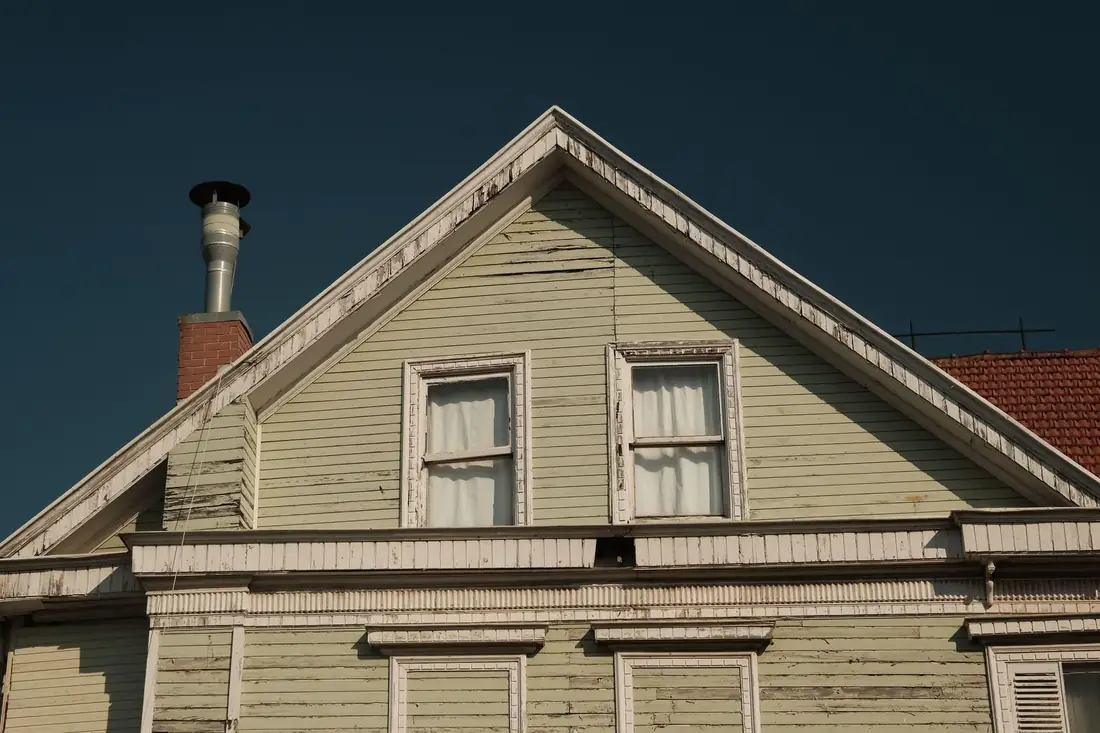
Selling a house in poor condition in Iowa
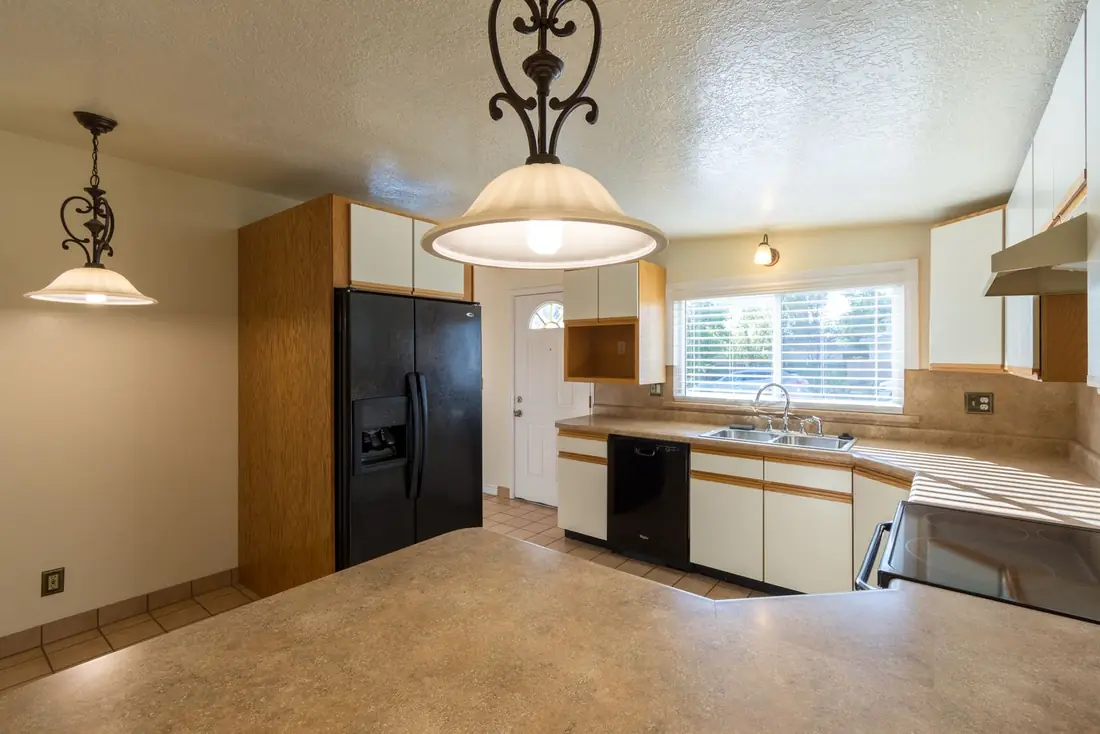
The hardest part of selling a rough house is almost never the paperwork. It's the moment somebody else stands in your kitchen, looks at the ceiling stain, and you watch them see it. That flinch is why people put this off for years, so let's get one thing settled before we talk about selling a house in poor condition: the house isn't a verdict on you. It's a house with a list.
Here's the short version. A house in poor condition is still worth real money, it just gets valued differently. Retail buyers price on emotion and move-in readiness. Investors and cash buyers price on math: what the place is worth fixed up, minus what fixing it costs, minus the time it takes. You can list it as-is, repair the big stuff first, or sell it as-is to a cash buyer and skip all of it. In Iowa, whichever route you pick, you still have to disclose what you know.
Most of the fear here is about being judged, and most of the money is in understanding how a rough house gets priced. Those are two different problems, and only one of them is real.
What actually counts as "poor condition"
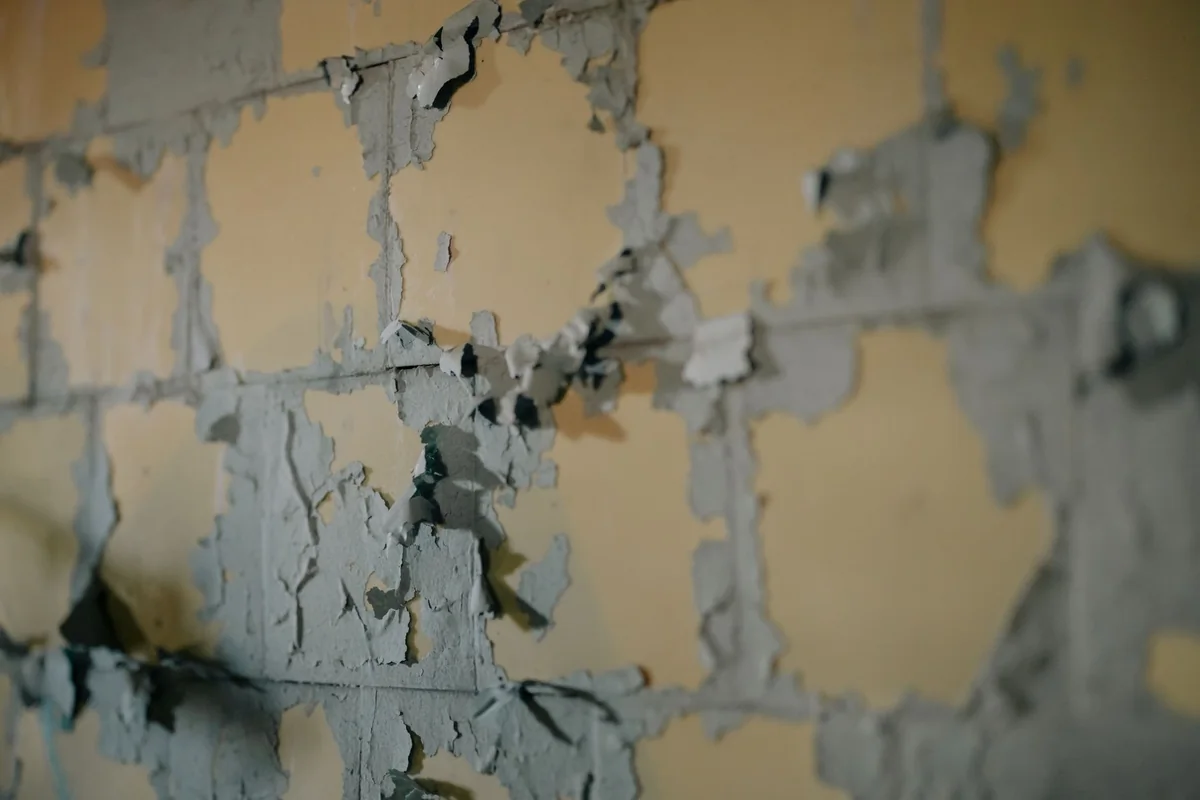
Almost everybody who calls me thinks their house is worse than it is. "Poor condition" is a phrase people apply to a home that needs a weekend and a home that needs a bulldozer, which makes it useless as a category. So here's the split that actually matters to a buyer.
Cosmetic is everything you can see. Dated cabinets, gold fixtures, worn carpet, a wall color from an era nobody misses, a lawn that's had opinions of its own. It looks bad. It prices small.
Functional is the stuff that has to work. Roof, furnace, water heater, electrical panel, plumbing, windows. When those are done, a buyer isn't decorating, they're replacing.
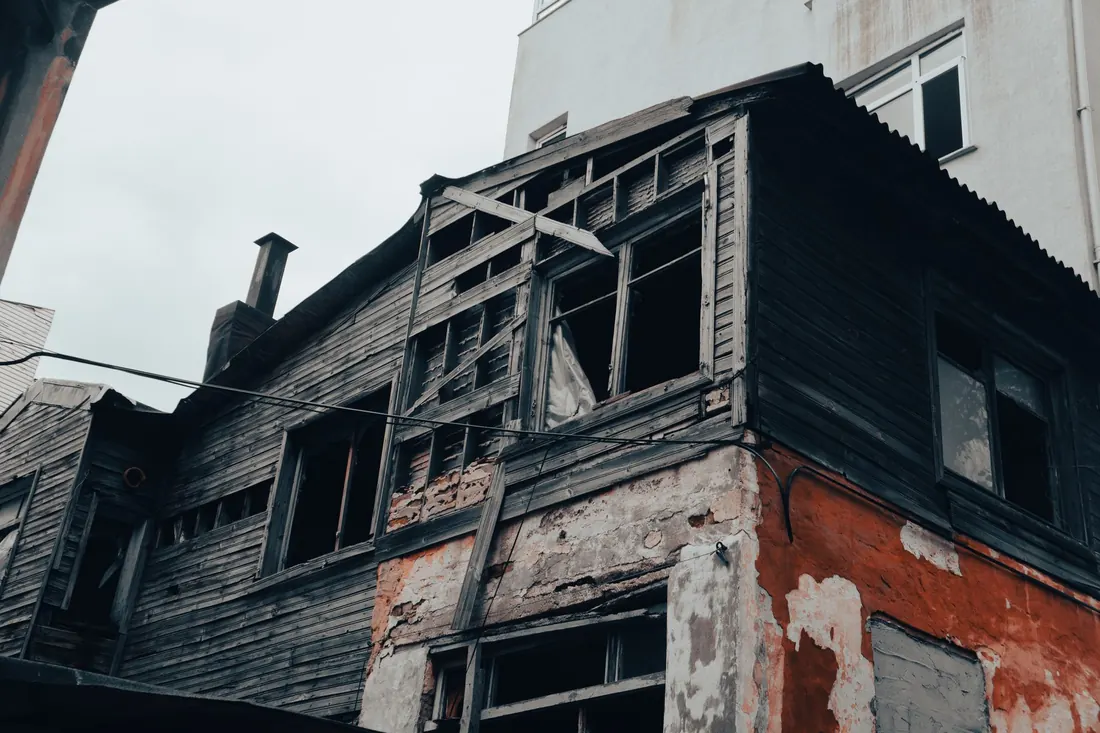
Structural is the short list that scares lenders: foundation movement, a sagging roofline, fire or water damage, mold, a bowing basement wall. Iowa's freeze-thaw cycle is very good at making basements interesting.
A house with three cosmetic problems and a bad roof isn't in "poor condition." It's in fine condition with a roof problem. Naming the actual defect is worth more than any adjective.
Then there's the fourth category nobody wants to say out loud: clutter. A full house feels condemned and usually isn't. I've walked into places the owner apologized for the entire time, and the only real issue was a water heater and forty years of belongings. Stuff isn't damage. Stuff is just stuff.

Who really buys these houses
The pool is smaller than for a move-in-ready home, but it's not empty, and it's not just me. There are four buyers for a rough house.
- Cash buyers and investors. They buy condition problems on purpose, because repairs are their business model. Fast, certain, as-is, and priced with a margin in it.
- Renovation-loan buyers. An FHA 203(k) or similar lets an owner-occupant borrow the purchase price plus the repairs. Great price potential, slower close, more paperwork, and the loan still has standards.
- Handy owner-occupants. The couple who wants a project and has a brother-in-law with a truck. They exist. They also tend to renegotiate after the inspection.
- Landlords. They care about the numbers and the neighborhood, not the countertops.
Here's the part the national sites skip: for the first group, condition is not a deduction from your character. It's a line item. When I walk a house, I'm not thinking "how did it get like this." I'm thinking "roof, panel, subfloor," and doing arithmetic. It's the least emotional walkthrough you'll ever host, which is exactly why so many people find it a relief. I'm a local Iowa buyer, not a call center, so you get one person and one number. More on how I work if you want the background.
What you lose with the retail buyer is the thing nobody mentions: a conventional lender usually won't fund a house with a failed roof, no working furnace, or a structural issue, because it can't pass the appraisal's minimum standards. So half your "real buyers" evaporate at the bank, not at the showing. The Consumer Financial Protection Bureau lays out how that mortgage process works if you want to see the checkpoints.

What it's worth (the honest math)
Nobody can quote you a real price from a blog post, and I won't pretend to. But I'll show you the formula, because once you see it you can check anybody's offer, including mine.
| The math | What it means |
|---|---|
| After-repair value | What the house sells for once it's fixed, based on real comps in your neighborhood. This is the ceiling, and it's set by the market, not by hope. |
| Minus repairs | Actual contractor cost to get it there. Roof, systems, floors, kitchen, the surprise behind the drywall. |
| Minus carrying and closing costs | Taxes, insurance, utilities, and the costs of reselling it. Months of quiet bleeding while the work happens. |
| Minus margin | The buyer's profit for taking the risk. If it's zero, nobody does the deal. |
| = Your cash offer | One number, no repairs, no showings, no financing to fall through. |
Two things fall out of that. First, cosmetic problems barely move the needle, because paint and carpet are cheap relative to a sale price. Second, the expensive discount isn't the repair itself, it's the uncertainty. A buyer who can see the whole problem prices the problem. A buyer who can only see part of it prices the problem plus a cushion. Which means the most profitable thing you can do is be specific: the furnace is from 2003, the roof leaked in the northwest corner, the basement takes water in a hard rain.
Vagueness is expensive. Every unknown gets priced like the worst version of itself.
And yes, listing it retail can produce a bigger headline number. It also comes with agent commission, holding costs, a repair addendum after the inspection, and the buyer who walks in month two. Run both all the way to the bottom line before you decide. I wrote more about how selling a house as-is actually works in Iowa if you want the comparison.
What you still have to disclose in Iowa
This is the section the national guides never localize, and it's the one that can actually cost you after closing. Iowa isn't a "buyer beware" free-for-all. Under Iowa Code Chapter 558A, most sellers of residential property have to give the buyer a written disclosure statement covering the known condition of the home before the deal becomes binding. Basement seepage, roof leaks, structural issues, known problems with the well or septic, pest damage: if you know it, it goes on the form.
Selling as-is does not switch that off. This is the single biggest misunderstanding I run into. As-is means you won't fix it. It does not mean you don't have to mention it. The disclosure protects you as much as the buyer, because a defect written on a form is a defect the buyer accepted, and a defect you knew about and left blank is the one that shows up in a letter eight months later.
The good news for people who've been dreading this: the form asks what you know, not what a professional would find. You aren't required to go hunting for problems. There are limited exemptions, and there's an Iowa quirk worth knowing, most Iowa closings run on an abstract of title rather than title insurance alone, which is one more reason the paperwork on a rough house is more routine than dramatic. Your attorney or closer will walk you through the form line by line.
A blunt aside: the instinct to leave the water stain off the form is understandable and it is always the wrong trade. You save nothing and you buy yourself a problem with a longer tail than the roof ever had.

Selling it as-is, fast
If you've read this far and thought "I just want it done," here's what that path actually looks like. It's short on purpose.
- You tell me about the house. Address, rough condition, what you already know is wrong. Ten minutes on the phone. No forms with fourteen required fields.
- I look at it. One walkthrough, one person, no clipboard theater. You don't have to clean, stage, or empty a room. Take what matters to you and leave the rest.
- You get a number. Usually within 24 hours, and I'll show you the math behind it. If it doesn't work for you, that's a fine answer and we shake hands.
- You pick the date. Cash means no lender, no appraisal to fail, no financing contingency. Closings can happen in about a week, or in two months if you need time to find your next place.
No commission, no repair credits negotiated at the eleventh hour, no listing photos that require you to hide your own belongings in the garage. That's the whole trade: a smaller headline number in exchange for certainty and speed. For some houses that's a bad deal. For a house with a bad roof, a stressed owner, and a deadline, it's usually the only deal that finishes.
I buy across Des Moines, Ankeny, West Des Moines, Urbandale, Ames, and the towns in between, and I do it as a local, not a national brand licensing a logo. Here's every Iowa area where I buy houses, and a deeper dive on what "any condition" really covers.
The bottom line
A house in poor condition is a solvable problem wearing a scary costume. Name the actual defects instead of calling the whole place bad. Understand that the offer is arithmetic, not opinion. Disclose what you know, because Iowa requires it and because it protects you. Then pick the path that gets you out with the least damage, which is sometimes a listing and often just a clean, as-is sale.
And the part I'd want someone to tell me: nobody worth dealing with is going to walk through your house and think less of you. Life happened. Roofs age. Money went other places. If your Iowa house needs more work than you have time, money, or patience for, tell me about it and I'll give you an honest number with no obligation and no lecture. Or just call me at 515-216-0652 and describe it out loud. That first sentence is the hard part. The rest is arithmetic.
Selling a house in poor condition: FAQ
Can I sell a house in poor condition without making any repairs?
Yes. Selling as-is is legal and common in Iowa. You disclose what you know about the property's condition, price it honestly, and let the buyer decide. Cash buyers and investors buy houses that need work every day, because repairs are the job, not a dealbreaker.
How much less does a house in poor condition sell for?
It depends on what's wrong. Cosmetic problems like dated finishes, worn carpet, and tired paint usually cost you a small slice of value. Structural, roof, foundation, or systems problems cost more, because a buyer prices in the repair plus the risk of what the repair uncovers. The honest math is the after-repair value minus repairs, minus carrying and closing costs, minus the buyer's margin.
Do I have to tell buyers about the problems with my house?
In Iowa, yes. Iowa Code Chapter 558A requires most sellers to give buyers a written disclosure of the property's known condition before an offer becomes binding. Selling as-is does not cancel that duty. As-is means you won't fix it, not that you can hide it.
Should I get an inspection before selling a house in bad condition?
It's optional and it cuts both ways. An inspection gives you a full list so nothing surprises you mid-deal, but once you know about a defect you generally have to disclose it. If you're selling to a cash buyer who's already accepted the condition, a pre-listing inspection often isn't worth the money.
Will a bank give a buyer a loan on a house that needs work?
Often not. Most conventional and government-backed loans require the home to meet minimum condition standards, so a house with a bad roof, no working furnace, or major structural issues can fail the appraisal. That's why rough houses tend to sell to cash buyers or renovation-loan buyers instead.