Selling a vacant house in Iowa: what to watch for
An empty house looks like the easy part. No tenants, no clutter, nobody to schedule around, just a quiet place waiting for a buyer. That calm is the myth. Selling a vacant house is really a race against the house itself: pipes freeze with no one to hear them, a slow leak becomes a ceiling stain, the insurer starts eyeing all those empty rooms, and the yard quietly announces that nobody lives here. Vacancy is not a pause. It is a meter running, and the good news is you can stop it.
Here is the honest version. A vacant house can absolutely be sold, and sometimes it even shows fine empty, but time is not on your side. The two real risks are money (insurance, utilities, taxes, and upkeep that keep billing whether anyone lives there or not) and condition (small problems that go unwatched turn into big ones). Your job is to get it sold quickly, or lock it down tight while it waits.
An empty house pulls you in two directions at once. It drains money while it also gets more fragile, and both of those speed up the longer it stays dark. Here is how to stay ahead of both.
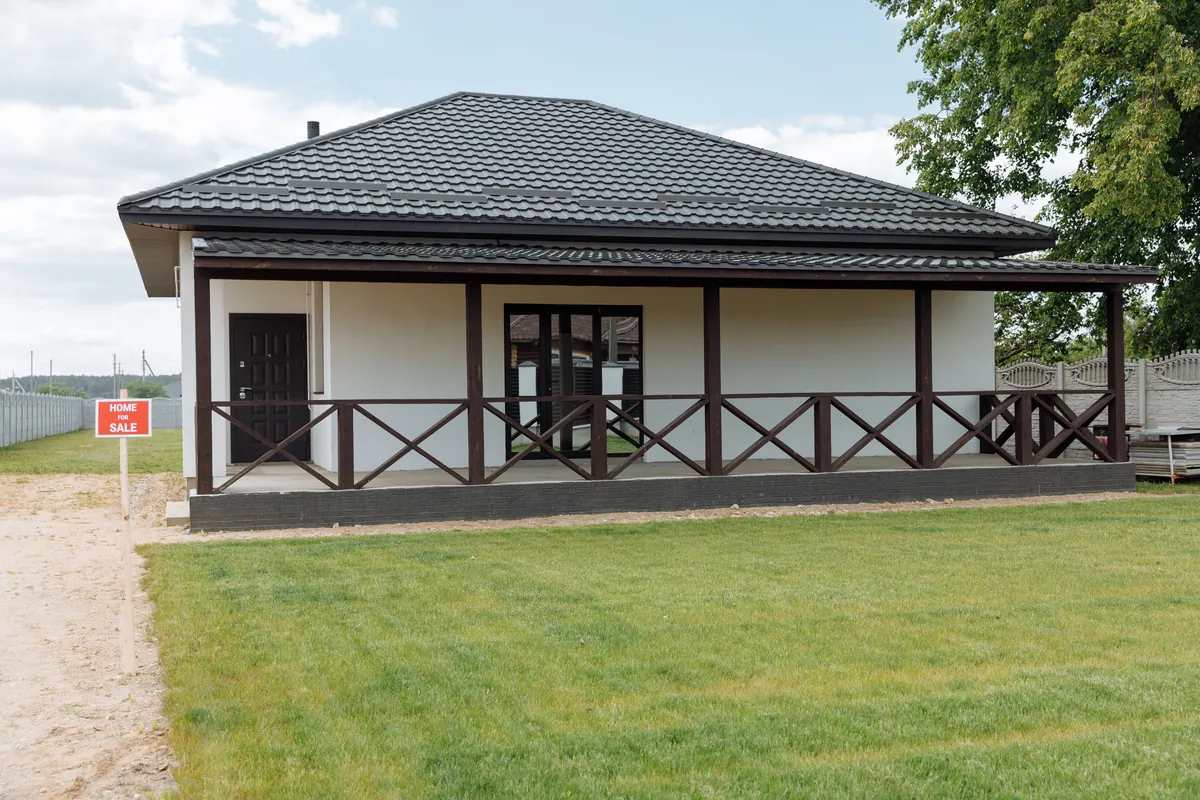
Why an empty house costs you more
A vacant house does not go on pause when everyone moves out. The mortgage, if there is one, keeps its due date. Property taxes keep adding up. Insurance renews. The utilities still have to run at some level so the pipes do not freeze and the sump pump still works when the rain comes. None of that stops just because the beds are gone.
Those are the carrying costs, and they are the quiet reason empty houses turn into a problem. One month feels harmless. Six months of taxes, insurance, heat, and a lawn service starts to look like a used car. I have watched families spend more keeping a house "safe" while it sat than they ever would have lost by just selling it in the first month.
Then there is the damage math. An occupied house has a built-in alarm system, and it is a person. Somebody hears the drip, smells the mildew, notices the furnace quit on the coldest night. An empty house keeps its secrets until they get expensive. The most common disaster in a vacant home is water: a burst pipe or a failed fixture nobody caught for weeks. That is exactly why shutting off the water is step one, not step ten. If the bills are already piling up, it may be worth looking at how to sell the house for cash before the meter runs any longer.
The cheapest month to sell an empty house is the first one. Every month after that, the house is quietly bidding against you.
The vacant-home insurance trap
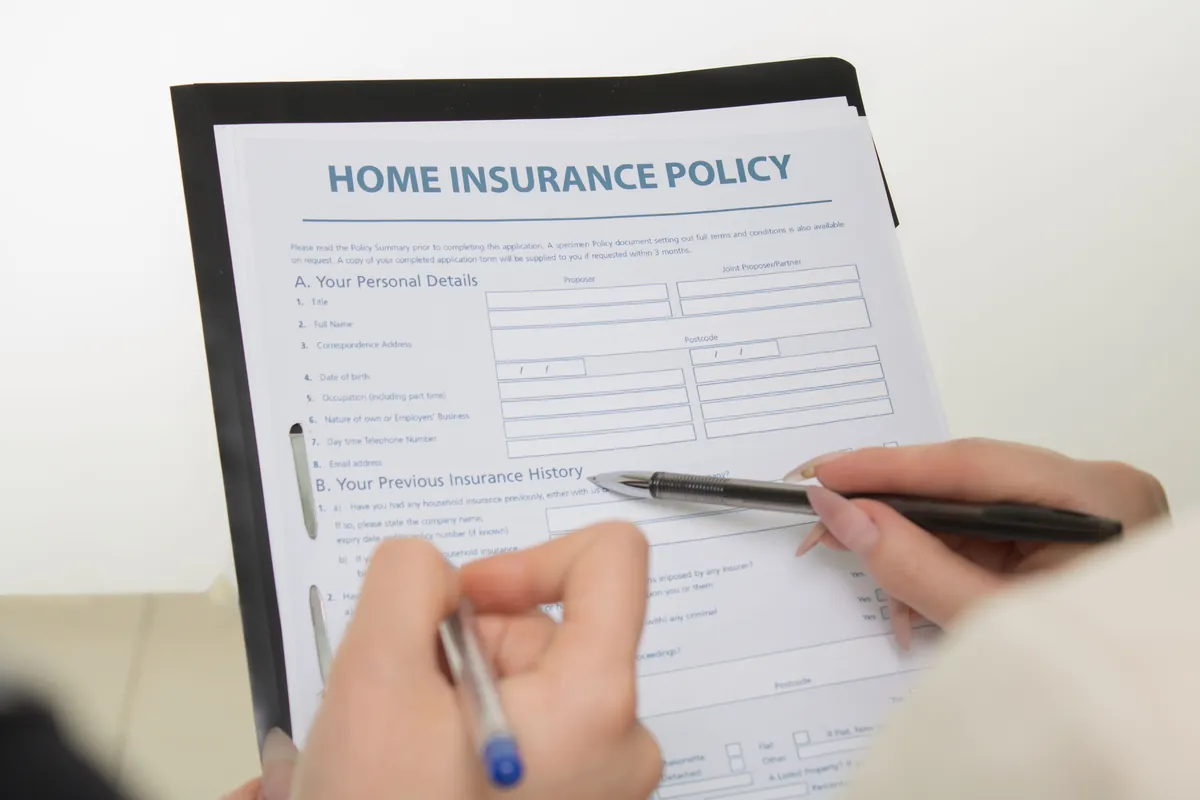
Here is the part most sellers never see coming. A standard homeowners policy is written for a lived-in house. Once a home sits empty past a set window, often somewhere around 30 to 60 days, many insurers consider it "vacant" and can limit or flat-out deny coverage for exactly the things empty houses suffer: burst pipes, vandalism, water damage. So the moment the house needs coverage most, the policy can quietly stop showing up.
The fix is not complicated, but you have to do it on purpose. Call your insurer, tell them the house is vacant, and ask about a vacant-home policy or a rider. It usually costs more, because the risk really is higher, but a higher premium beats a denied claim on a flooded basement.
Nobody reads the vacancy clause until they need it. That is the whole trap. The federal Consumer Financial Protection Bureau has plain-English basics on how homeowners insurance works, and it is worth five minutes before you assume your current policy still has your back on an empty house.
Why vacant houses sell slower
There is a myth that empty houses sell faster because they are easier to show. Easier to show, sure. Easier to sell, not really. Studies of listings have found that vacant homes tend to sell for a bit less and sit a little longer than comparable occupied ones, on the order of several thousand dollars and roughly a week of extra time on the market.
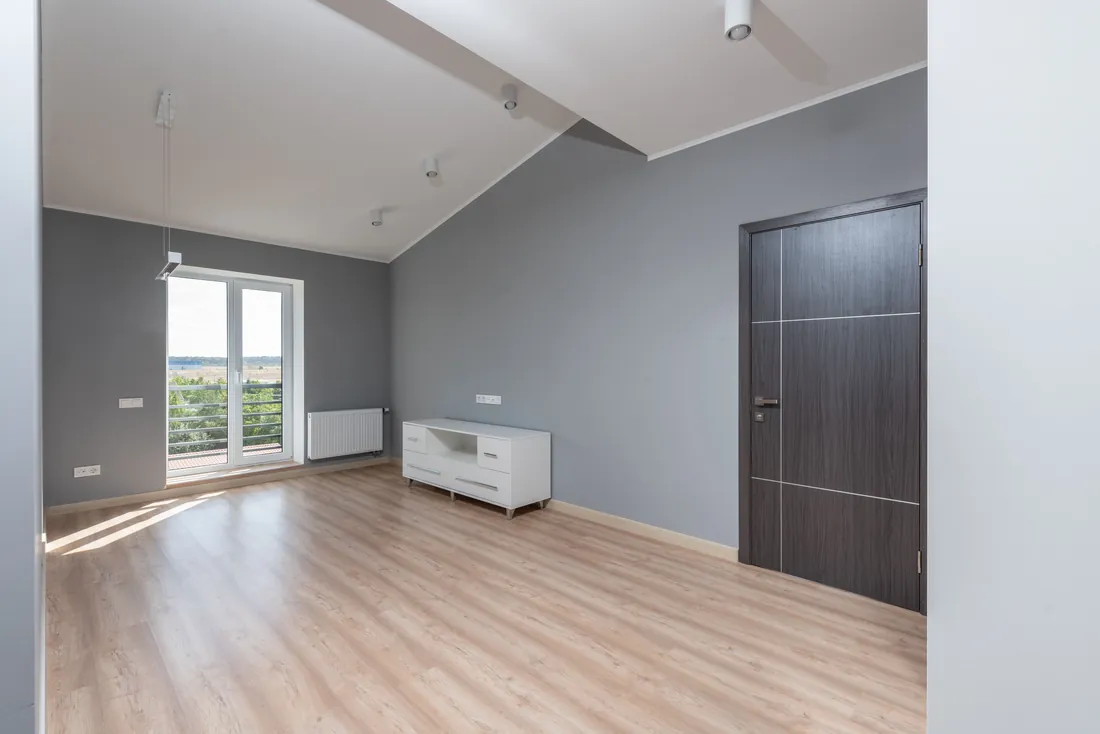
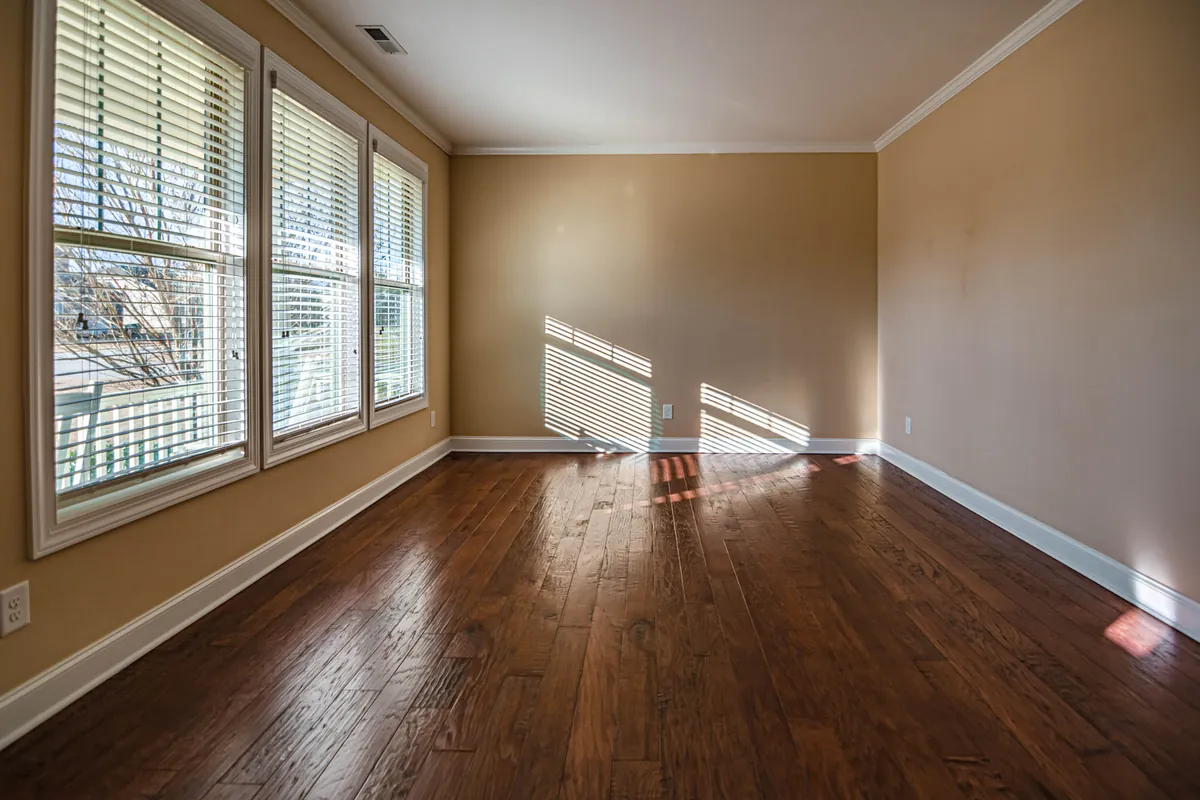
The reason is human. An empty room gives a buyer nothing to hold onto. It looks smaller than it is, every scuff and outlet and slightly-off paint color becomes the only thing to look at, and there is no warmth to fall for. Buyers buy a feeling, and blank walls do not have one. An empty living room has never once looked bigger than a furnished one, no matter what your cousin the flipper swears.
Empty is easy to walk through and hard to fall for.
The flip side: if your house is empty because it is rough, that can be fine. A buyer who wants a project is not shopping for throw pillows. But if the place won't sell no matter what you try, the problem is almost always price or condition, not the furniture.
Stage it or leave it empty?
So do you furnish it or not? It depends on why the house is empty and who is going to buy it.
You do not need a full staging package. A little goes a long way: a couch and a rug in the living room, a bed frame and a side table in the primary bedroom, a small table in the kitchen. Enough to give each room a purpose and a sense of scale. Even virtual staging in the online photos, where furniture is added digitally, helps buyers get their bearings before they ever walk in.
| Consideration | Leave it empty | Light staging |
|---|---|---|
| Cost | Nothing up front | A few hundred dollars, or less for virtual staging |
| Best for | Rough houses, cash sales, tight timelines | Move-in-ready homes on the open market |
| What buyers feel | Cold, hard to judge scale | Warm, easy to imagine living there |
| The trade-off | May sell for a little less | Costs money and effort while you wait |
The goal is not a magazine spread. It is to keep a buyer from standing in a blank room doing math about whether their couch fits. And if the house is distressed or you are selling to a cash buyer, skip all of it. No one stages a house for an investor. Save the money for the move.
Selling a vacant house fast
If the carrying costs are the whole problem, the fastest fix is to stop owning the house. On the open market in Iowa, a traditional sale runs about 30 to 60 days to get under contract and another 30 to 45 to close, plus roughly 6% in agent commission and about 2% in closing costs. All of that while the vacant-house meter keeps running.
A cash sale collapses that timeline. No financing, no appraisal, no waiting on a buyer's loan, which is how a cash deal can close in as little as seven days. You sell as-is, so there is no cleanout and no repairs, and you skip the endless showings an empty house makes so easy to schedule and so hard to win. One note for out-of-state sellers: Iowa is an abstract state, meaning we use an attorney-examined abstract of title instead of title insurance. It adds a couple of days but is completely routine here.
I will also tell you if a cash sale is not your best move. If listing gets you more and you can afford to wait, I will say so from the get-go. No harm, no foul, I am just one more option. How the offer gets built is simple: after-repair value, minus repairs, minus costs, minus a fair margin. That is the whole formula, and I will walk you through the number so it is not a black box. If you have already inherited an empty house two towns away, selling it as-is is usually the least painful exit. And if the empty house is tied to a mortgage you are struggling to carry, the HUD housing counselor directory lists free help before you make any big decision.
The bottom line
An empty house is not resting. It is spending your money and shedding a little value every month it waits, and the two ways to win are speed and protection. Winterize it, insure it as vacant, keep it looking lived-in, and decide early whether staging earns its keep. I have bought more than a hundred houses across Iowa, plenty of them empty and rough, and the pattern never changes: the sooner you deal with it, the less it costs you. If your vacant Iowa house is stacking up bills, tell me about it and I will send a fair, no-obligation cash number you can take or leave.
Selling a vacant house: FAQ
Is it better to sell a house vacant or staged?
An empty house is easier to show but often harder to sell, because buyers struggle to picture scale in blank rooms. A little staging, even virtual staging in the listing photos, usually helps a move-in-ready home. If the house is rough or you're selling to a cash buyer, skip staging entirely.
Do I need special insurance for a vacant house?
Often yes. A standard homeowners policy is written for a lived-in home, and many insurers limit or deny coverage once a house sits empty past roughly 30 to 60 days. Call your insurer, tell them the home is vacant, and ask about a vacant-home policy or rider so you're covered while it waits.
How do I protect a vacant house that's for sale?
Shut off the water or winterize the plumbing, keep the heat and sump pump running, put lights on timers, keep the lawn mowed so it looks lived-in, and switch to a vacant-home insurance policy. The most common empty-house disaster is a burst pipe nobody catches.
Do vacant houses sell for less?
Studies of listings suggest vacant homes tend to sell for a bit less and sit a little longer than comparable occupied ones, on the order of several thousand dollars and about a week. Empty rooms look smaller and give buyers nothing to connect with emotionally.
Can I sell a vacant house fast for cash in Iowa?
Yes. A cash sale skips financing, appraisal, and showings, so it can close in as little as seven days. You sell as-is with no cleanout or repairs. Iowa is an abstract state, so an attorney-examined abstract of title adds a couple of routine days at closing.