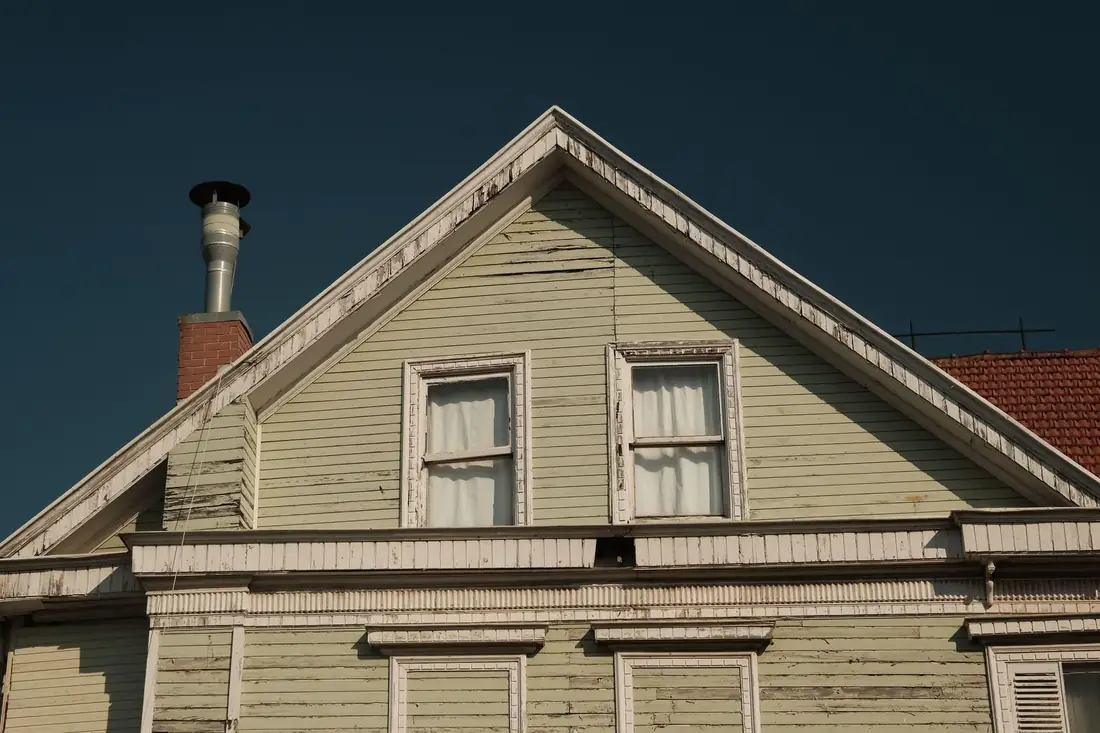
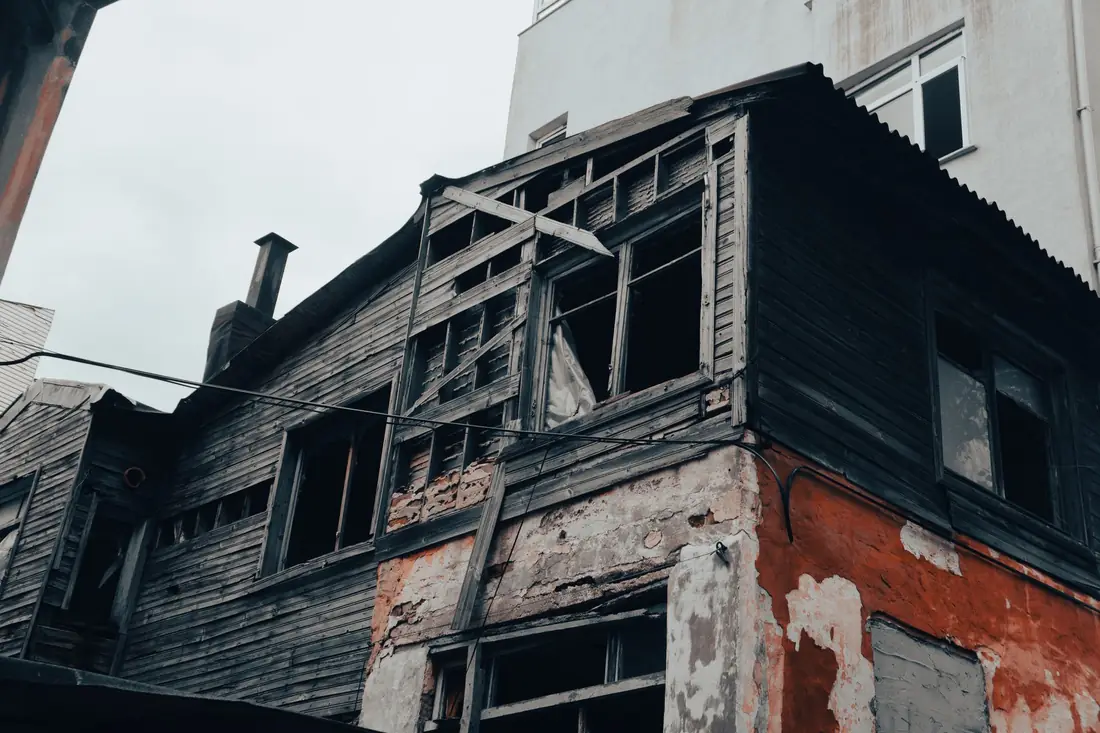
Selling a house with water damage in Iowa
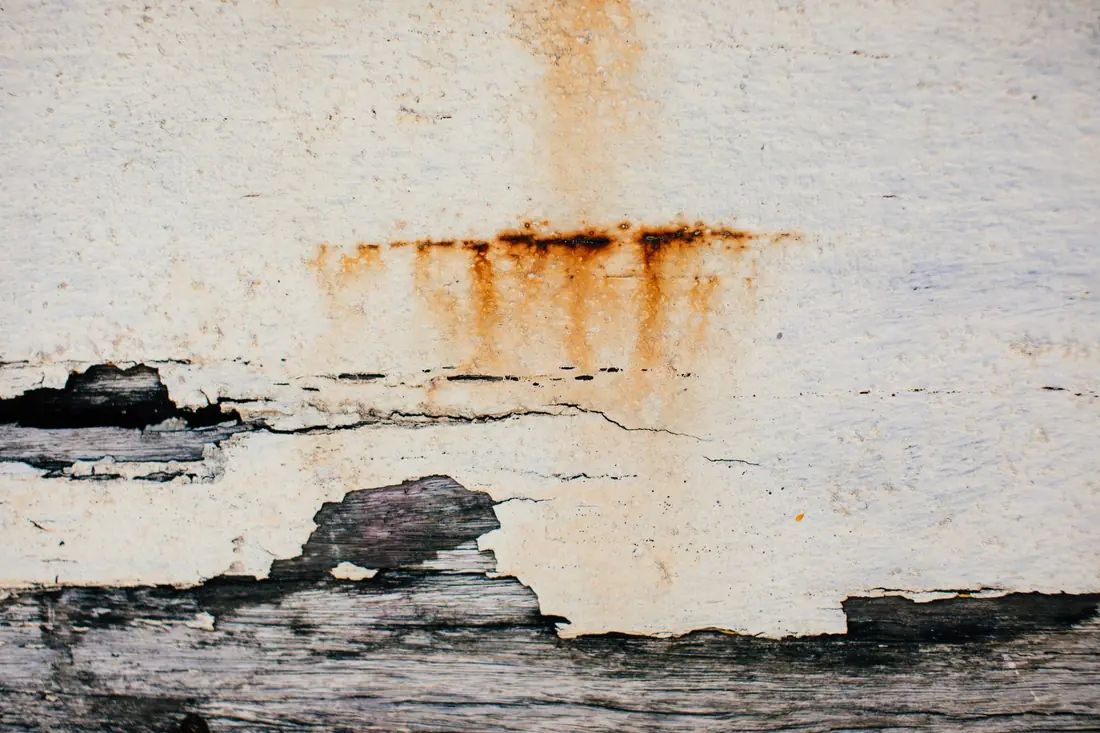
Water always tells on you. It leaves a paper trail: a rusty ring blooming across the ceiling, a baseboard that warped and pulled away from the wall, that faint basement smell nobody can name and no candle covers. So selling a house with water damage starts with one honest fact. The stain you can see is rarely the real problem. The real problem is what grew behind the drywall while you weren't looking, and what you now have to put in writing for a buyer.
Here's the plain answer: yes, you can sell it, and Iowans do it every week. You have three real paths. Fix the damage and list on the open market, sell it as-is to a buyer who's comfortable with repairs, or sell it as-is for cash and skip the whole repair-and-showing circus. Which one fits comes down to how bad the damage is, whether mold came along for the ride, and how much time and money you're willing to spend before you're done with the place.
What actually complicates a water-damaged sale isn't the water. It's proving you were honest about it and pricing the house so a buyer still says yes. Get those two things right and the rest is logistics.
Water damage vs. the mold problem underneath
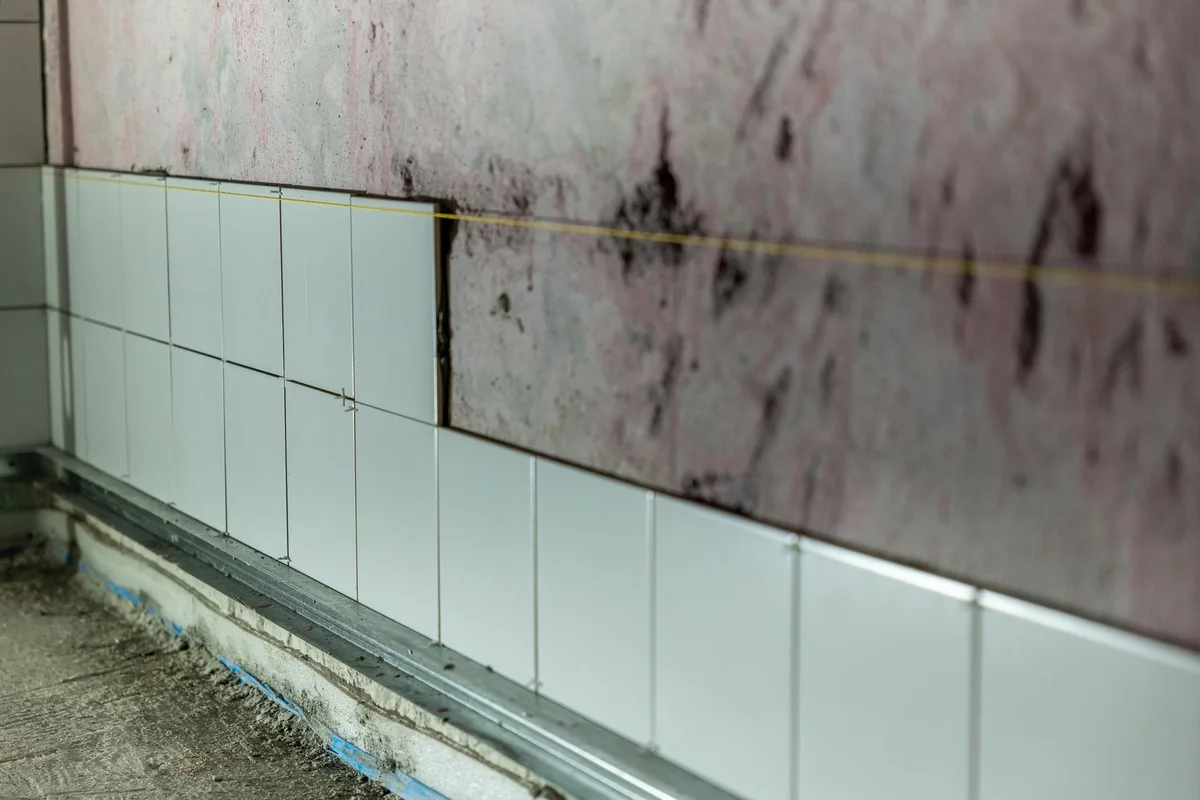
Buyers don't panic over a water stain. They panic over what a water stain implies. A brown ring on the ceiling could be a one-time overflow from the upstairs tub that dried out years ago, or it could be a roof that's been leaking into the insulation every spring. Same stain, wildly different price. So the first job is sorting cosmetic from structural.
Cosmetic is the dried, isolated stuff: a stain that's fully dry, a bubbled patch of paint, a curled corner of vinyl. Structural is the expensive stuff: a soft subfloor, rotted joists, a swollen door frame, and the big one, mold. Mold is what turns a manageable repair into a project. It hides behind drywall and under carpet, it spreads in warm damp spaces, and the EPA is blunt about it: if you can smell it or see it, you likely have a moisture problem feeding it. Their guidance on mold and moisture is worth a read before you decide the stain is "nothing."
The rule of thumb: water damage is priced by what it caused, not by how it looks. A tidy little stain sitting on top of a rotted subfloor is the trap. If you smell that basement smell and can't explain it, assume there's more under the surface, and plan accordingly.

What you have to disclose in Iowa
This is the part people get wrong, and it's the part that comes back to bite them. Iowa is a disclosure state. Under Iowa Code Chapter 558A, the seller of a residential property has to give the buyer a written disclosure statement covering the home's known condition, and that form asks directly about water damage, roof leaks, and basement seepage. If you know about it, you write it down.
Two things trip sellers up here. First, "as-is" is not a magic word. Selling as-is means you won't make repairs, but it doesn't erase your duty to disclose a defect you already know about. Second, painting over a stain the week before photos isn't a fix, it's evidence. Cover up a known leak and you're not hiding a problem, you're building the buyer's future lawsuit for them.
The sellers who get sued aren't the ones with the leaky basement. They're the ones who knew and stayed quiet. Honesty is cheaper than a lawyer, every single time.
The good news: disclosure isn't a confession, it's a checklist. Write down what you know, hand it over, and you've done your job. A buyer who knows about the water and buys anyway can't circle back later. If you'd rather not fill it out under the pressure of a nervous retail buyer, note that a straightforward cash sale still involves disclosure, just without the showings and the renegotiation after every inspection.

Insurance: what it covers (and doesn't)
Before you spend a dime out of pocket, check whether it's a claim. Homeowners insurance loves a sudden accident and hates slow neglect, and the whole fight lives in that distinction. A pipe that bursts on a January night is exactly what the policy is for. A drip you ignored for two years usually is not.
| Water event | Usually covered? |
|---|---|
| Burst pipe or sudden appliance failure | Yes, typically covered as sudden and accidental |
| Storm-driven rain through a damaged roof | Often covered, depending on the cause and your policy |
| Slow leak, seepage, or deferred maintenance | Usually not covered, treated as neglect |
| Flooding from outside (river, heavy rain, sump failure) | No, needs a separate flood policy |
That last row matters a lot in Iowa. Standard homeowners policies exclude flood, so if the water came up from the ground during a wet spring, you likely needed separate flood coverage to be made whole. Whatever your situation, read your own policy or call your agent before you assume anything, because a covered claim can change your entire math on whether to repair or sell. And keep the paperwork: a documented, professionally-repaired claim is far easier to sell than a mystery stain with no story behind it.
Repair it or sell as-is?
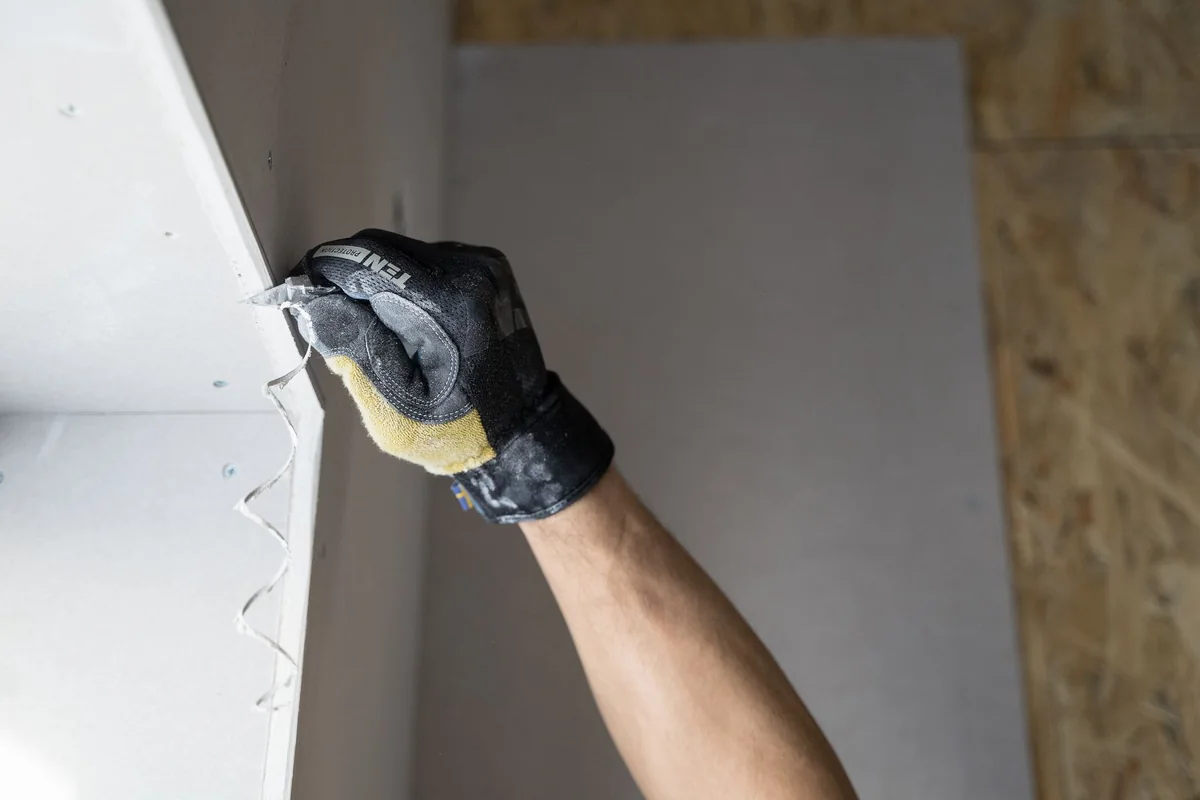
Here's the decision everything else has been building toward. Do you fix it, or sell it as-is? The honest answer depends on one number: what the repairs actually cost versus what they add back to the price.
Fixing makes sense when the damage is minor and dry. Fresh paint over a stabilized stain, a swapped-out vanity, a small drywall patch: cheap, fast, and it opens the door to financed buyers who won't touch a moldy listing. But once you're into remediation, subfloor replacement, or a roof, the costs balloon and the timeline stretches, and every week you own the house it keeps charging you taxes, insurance, and utilities. Financed buyers also start dropping out, because their lender's appraiser flags active water damage and the loan stalls. That's the moment selling as-is usually wins.
People assume as-is means giving the house away. It doesn't. A cash offer is built off a simple formula: the after-repair value of the home, minus the cost of the repairs, minus closing and holding costs, minus a fair margin for the buyer's risk and work. You're not eating a mystery discount. You're handing off the repair bill and the six weeks of your life it would've taken, in exchange for a clean, certain close. For a lot of water-damaged houses, the as-is number lands close to what you'd net after repairs anyway, minus the headache. If you want the deeper breakdown, we covered buying houses in any condition in its own post.

Who buys water-damaged houses
Retail buyers want move-in ready. Water-damaged houses sell to a different crowd: cash buyers, local investors, and people like me who fix the worst house on the block and put it back into service. We price in the repairs, close without a lender's condition requirements, and take on the remediation ourselves. You don't lift a hammer or empty a shop-vac.
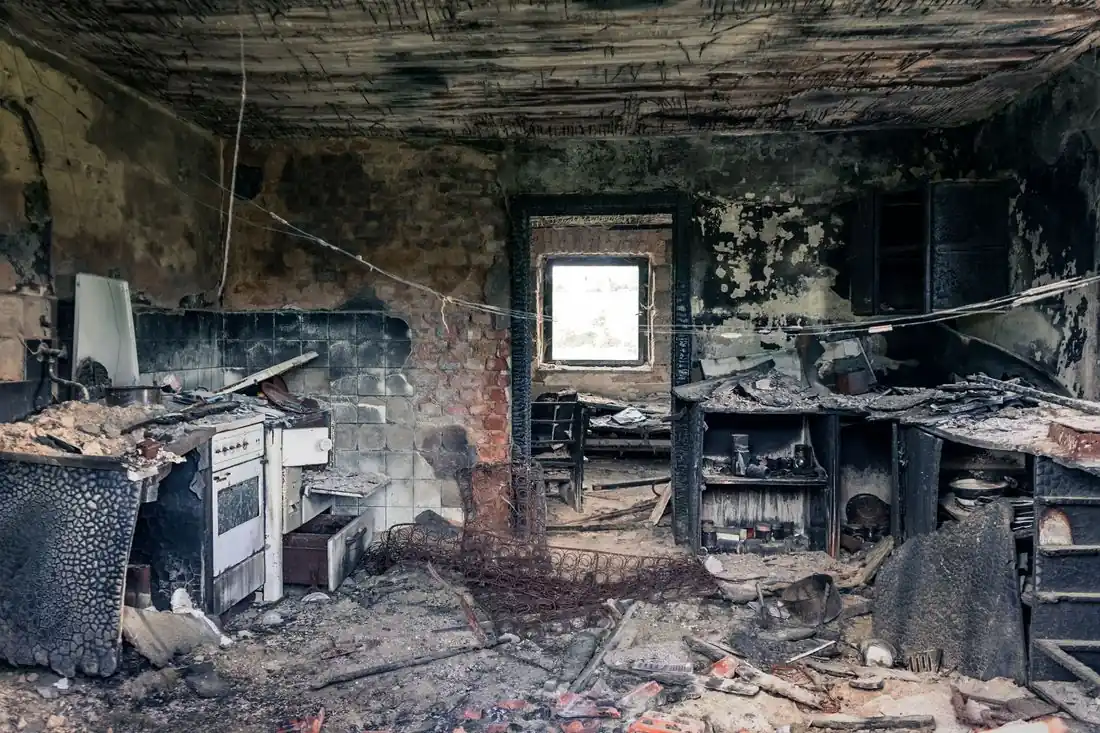
My first flip was the worst house next to Ames High School. I cleaned it out myself, picked hundreds of needles out of the yard before the real work even started, and a nice couple ended up buying it; their kids go to that school now. Rough houses don't scare me, water included. Same goes for a fire-damaged house or anything else that a traditional agent won't list because it needs too much work.
One caution, because it's your money: not every "we buy houses" sign belongs to someone straight. Ask how the offer was calculated, get it in writing, and don't sign anything you don't understand. The Consumer Financial Protection Bureau keeps plain-language guides on protecting yourself in a home sale. A real buyer will happily show you the math, walk you through the Iowa abstract and the due-diligence period, and tell you if a cash sale isn't your best move. If someone won't explain the number, that's your answer. You can see the areas where I buy across Iowa and exactly how it works.

The bottom line
Selling a house with water damage comes down to three moves. Sort cosmetic from structural so you know what you're actually dealing with, disclose what you know in writing so it never comes back on you, and then choose your path: fix the small stuff and list, or sell as-is and hand off the repairs. There's no wrong answer, just the one that fits your house, your timeline, and how much of your weekend you want back.
If the house is in Iowa and you'd rather skip the remediation quotes, the appraisal drama, and the stain that keeps getting worse, tell me about the property and I'll give you a fair, no-obligation cash number, water and all. If a cash sale isn't your best move, I'll tell you that too. No harm, no foul, just one more honest option. You can also read more about how I work before you reach out.
Selling a water-damaged house: FAQ
Can you sell a house with water damage?
Yes. You can repair the damage and list it, or sell it as-is to a buyer who prices in the repairs. The right path depends on how bad the damage is, whether mold is involved, and how much time and money you want to spend before you close.
Do I have to disclose water damage when selling a house in Iowa?
Yes. Iowa Code Chapter 558A requires sellers of residential property to give buyers a written disclosure of the home's known condition, including water and roof problems. Selling as-is does not remove that duty. Disclose what you know in writing, because hiding a known defect is how sellers get sued after closing.
Does homeowners insurance cover water damage?
It depends on the cause. A sudden, accidental event like a burst pipe is usually covered. Gradual damage from a slow leak, deferred maintenance, or seepage usually is not, and flooding from outside the home needs a separate flood policy. Always read your own policy or ask your agent.
Should I repair water damage before selling?
Minor, dried-out cosmetic damage can be worth fixing to widen your buyer pool. But once mold, a soaked subfloor, or structural rot is involved, repair costs climb fast and financed buyers get scared off. In that case, selling as-is to a cash buyer is often faster and nets about the same after you subtract repair bills and holding costs.
Who buys houses with water damage?
Cash buyers and local investors buy water-damaged houses every week. They price in the repairs, close without an appraisal or a lender's condition requirements, and handle the mold remediation and rebuild themselves, so you do not have to fix anything first.