Selling a house with termite damage in Iowa
Termites do their worst work where you can't see it, in the framing behind the drywall. You find out the hard way: a pen that sinks into a door casing that should be solid, a soft spot in the subfloor near the tub, or one ugly line in a buyer's inspection report that turns a signed deal into a renegotiation. Now you're up late reading about selling a house with termite damage in Iowa, and every result either wants to sell you a repair estimate or pretend the problem will just go away.
Here's the straight version. You can absolutely sell a house with termite damage in Iowa, and you have two honest roads. Treat and repair the damage, then list on the open market for top dollar. Or sell it as-is to a cash buyer who prices the damage into the offer and handles the fix themselves. Iowa does not require you to repair anything before you sell. It does require that you disclose the damage if you know about it.
One distinction decides the price. Cosmetic wood damage from a colony that's long gone is a very different problem than termites still eating the studs today, and buyers pay for the two very differently.
What termite damage does to a house
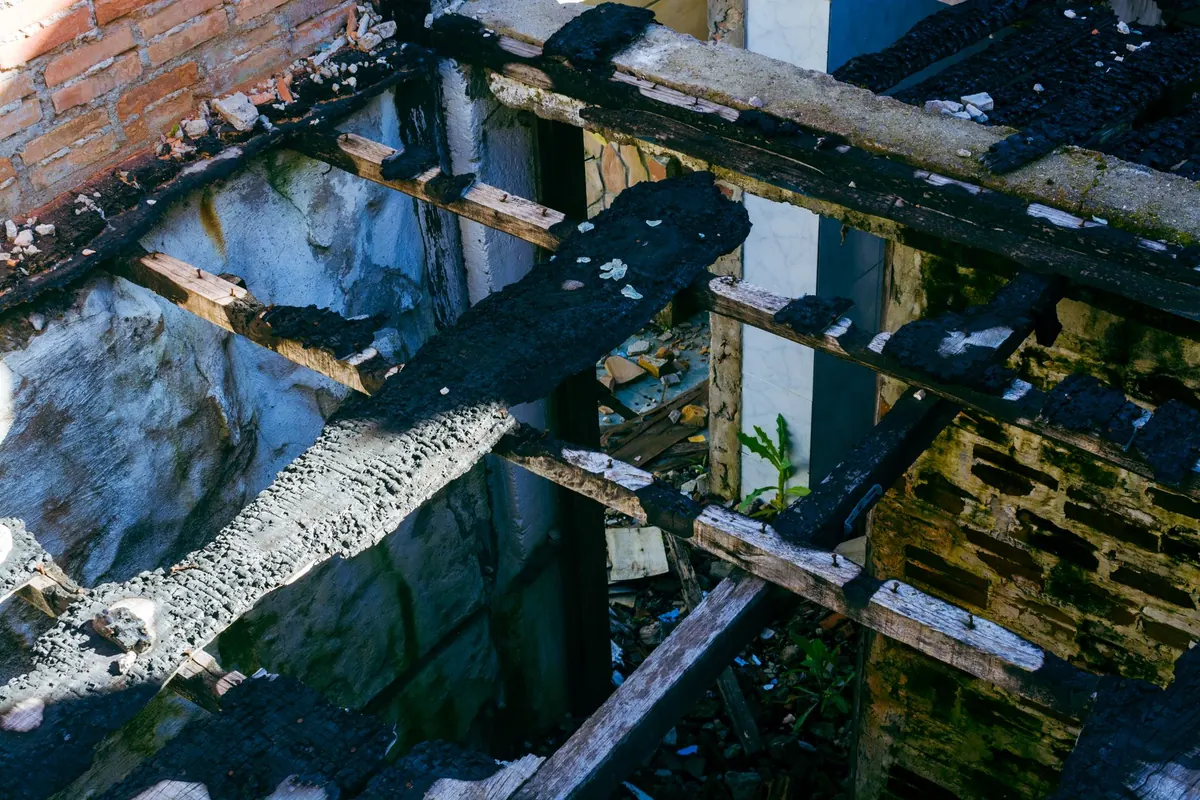
Termites eat cellulose, which is a fancy word for wood. In Iowa that almost always means subterranean termites working up from the soil into the parts of the house that touch the ground: sill plates, floor joists, basement framing, the bottom of studs. They hollow the wood out from the inside, so a beam can look fine and crumble when you push a screwdriver into it. The EPA's overview of termites is a good plain-English primer if you want to understand what you're actually dealing with.
Here's the part that matters for your sale. Not all termite damage is equal. A little surface tunneling in a garage stud is a shrug. Termites that got into the load-bearing frame are a real repair. (I've walked into basements where the previous owner painted right over the mud tubes and hoped nobody would notice. Somebody always notices.)
Old damage vs. an active colony
This is the single biggest driver of what your house is worth right now. If the colony was treated years ago and the damage is cosmetic, a buyer is mostly pricing the cost to sister a joist or replace a stud. If the termites are still active, a buyer has to price treatment, the repairs, and the uncertainty of what's still hidden behind finished walls. That uncertainty is expensive, because nobody prices a mystery cheaply. A current wood-destroying insect report that shows the colony is dead is one of the most valuable pieces of paper you can hand a buyer.

Do you have to disclose it in Iowa?
Short answer: if you know about it, yes. Iowa's residential property condition disclosure statement (Iowa Code chapter 558A) asks the seller to report known problems with the home, and known pest or termite damage is a material defect. You fill it out, you sign it, and it becomes part of the record of the sale.
You don't have to go tear open walls hunting for problems you don't know about. The duty is about honesty, not clairvoyance. But leaving out damage you're aware of is exactly how a clean closing turns into a phone call from a lawyer six months later. I wrote more about that in what you can still be liable for after selling a house in Iowa, and termite damage is a textbook example.
Disclosing a problem doesn't tank your sale. Hiding one does. Every seller who tried to bury it paid more than the repair would have cost.
The honest move is also the smart move here. A buyer who learns about damage on the disclosure can plan for it. A buyer who discovers it mid-deal assumes you were hiding it and starts wondering what else you buried. Trust is cheap to keep and brutal to rebuild.

The WDI inspection and the lender problem
A wood-destroying insect inspection, usually called a WDI or termite inspection, is a licensed inspector checking the house for active insects and past damage. It is not always required, but it becomes a hurdle when your buyer is getting a loan. Some programs demand a clean report before they'll fund. VA loans in particular typically require a WDI inspection, and a report that flags active termites can freeze the whole deal until the problem is treated and re-inspected.
That's the trap a lot of sellers walk into. You accept a strong offer from a financed buyer, the WDI comes back with active termites, and now the lender won't close until you pay for treatment and repairs on a house you're trying to leave. The mortgage closing process has a lot of boxes that all have to get checked, and a bad bug report can reopen every one of them.
A cash buyer removes that box entirely. No lender means no lender-required WDI, no appraisal gap, and no underwriter deciding your buyer no longer qualifies. If certainty matters more to you than squeezing out the last dollar, that's the trade. This is the same reason people sell a house as-is in Iowa instead of chasing a retail buyer through an inspection minefield.
Your two real options
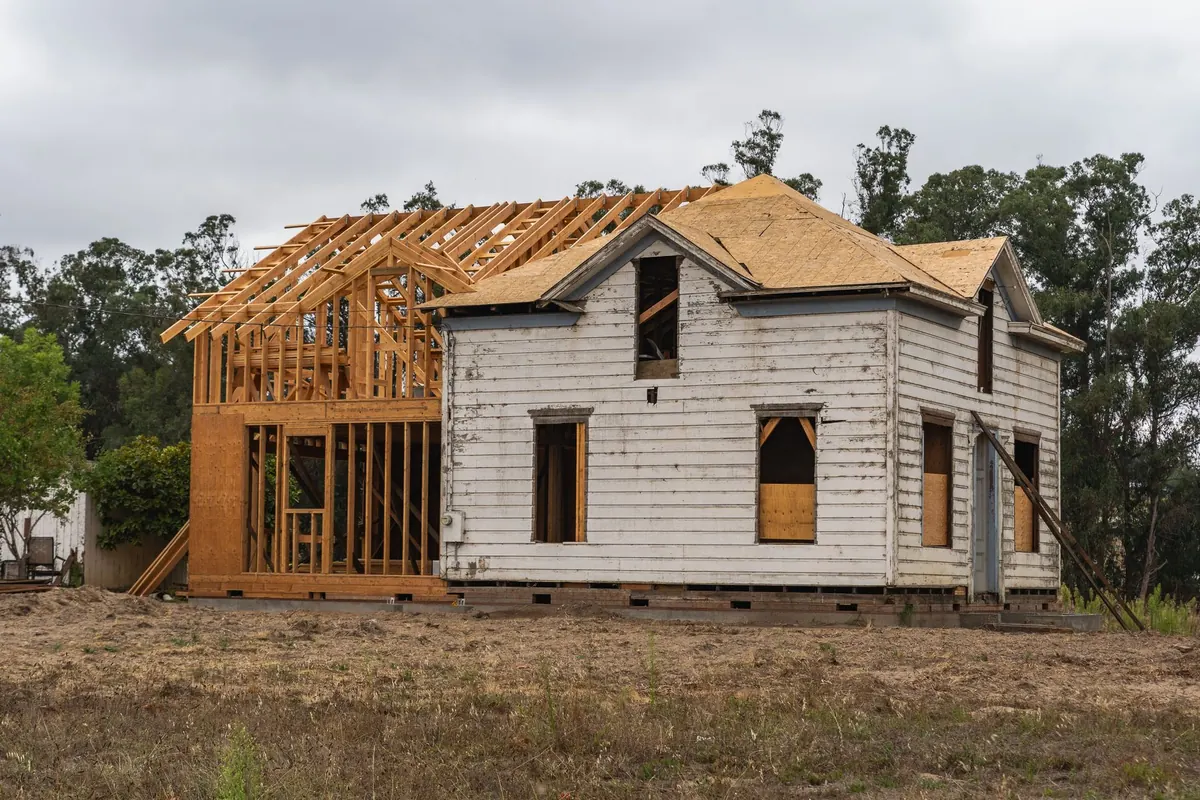
Strip away the noise and you have two paths. Which one wins depends on the shape of the damage and how much time and cash you want to put in.
Option 1: treat, repair, then list
If the damage is limited and you have the money and the patience, fixing it first can pay off. Get the house treated, repair the affected framing, keep the receipts and the clean WDI report, then list it as a sound house. On an updated home in a neighborhood buyers want, the open market will usually pay you more than any single cash buyer can. The catch is time and money out of pocket, plus the risk that once a contractor opens the wall, the repair grows.
Option 2: sell as-is to a cash buyer
If the damage is significant, the colony is active, or you just don't want to sink money into a house you're leaving, selling as-is is often the cleaner move. A cash buyer prices the treatment and repairs into the offer, buys the house in its current condition, and closes on your timeline. No showings, no WDI to pass, no writing a check to an exterminator on your way out the door. If the damage went deep enough to affect the structure, that story often rhymes with selling a house with foundation problems in Iowa, where the fix is big enough that most retail buyers walk.

How a cash buyer prices termite damage
People assume a cash offer on a damaged house is a dartboard number. It isn't. A fair buyer, me included, works backward from what the house is worth once it's fixed, then subtracts what it takes to get there:
- The after-repair value: what the house sells for in good shape, in that neighborhood.
- Treatment: killing the active colony if there is one, plus a warranty.
- Repairs: replacing or sistering the damaged framing, and any finishes that come out with it.
- Holding and selling costs, plus a margin that keeps the lights on.
That's why the active-versus-old distinction moves the number so much. Active termites and hidden structural damage mean bigger repair and risk line items, so the offer comes down. A treated, documented, cosmetic issue barely moves it. This is also why an honest buyer will always show you the math instead of just barking a figure. If someone won't walk you through how they got there, that tells you something. Here's how a cash sale actually works in Iowa, step by step, and it's the same process whether your problem is bugs, a bad roof, or water damage.
One rule that never changes: a legitimate cash buyer never asks you for money to buy your house. The FTC has plain guidance on how to spot a scam, and it applies to home sales too. If anyone wants an upfront fee, walk.
The bottom line
Selling a house with termite damage in Iowa is not the dead end it feels like when you find the first soft board. Disclose what you know, figure out whether the damage is old and treated or active and structural, and then pick your road. Sound house with minor damage and time to spare? Treat it, fix it, and list it. Rough house, active colony, or a timeline you can't move? Selling as-is to a cash buyer usually nets you more once you count the treatment, the repairs, and the months you'd spend chasing a financed buyer through a WDI report.
If you want the honest number on your specific house, bugs and all, tell me about it and I'll give you a fair, no-obligation cash offer you can hold next to what an agent thinks you'd net after repairs. I buy houses across the Des Moines metro and the rest of Iowa, and if listing is your smarter move, I'll tell you that too.
Selling with termite damage: FAQ
Can you sell a house with termite damage in Iowa?
Yes. Nothing in Iowa law forces you to repair termite damage before you sell. You can treat and repair it and list on the open market, or sell the house as-is to a cash buyer who factors the damage into the offer and handles the fix. What you cannot do is hide it: if you know about the damage, you have to disclose it.
Do I have to disclose termite damage when selling a house in Iowa?
If you know about it, yes. Iowa's residential property condition disclosure statement, required under Iowa Code chapter 558A, asks the seller to report known problems, and known pest or termite damage is a material defect. You are not required to go dig for problems you do not know about, but you cannot leave out damage you are aware of.
Does termite damage lower a home's value a lot?
It depends on whether the damage is structural and whether the colony is still active. Old, treated, cosmetic damage often knocks off only the cost to make it right. Active termites eating load-bearing framing can take a much bigger bite, because a buyer has to price in treatment plus structural repairs plus the risk of what is still hidden behind the walls.
Do I need a termite or WDI inspection to sell my house?
Not always. A wood-destroying insect (WDI) inspection is common and some loan programs, like VA loans, require one before closing. If your buyer is paying cash and buying as-is, there is usually no lender demanding a WDI report, so you can skip that hurdle entirely.
Can I sell a house with termite damage as-is for cash?
Yes, and for a lot of sellers it is the cleanest path. A cash buyer looks at the house in its current condition, prices the treatment and repairs into the offer, and closes without asking you to fix anything or pass a WDI inspection. You still disclose what you know, but you are not writing a check to an exterminator on your way out.