Selling a house with tenants in it in Iowa
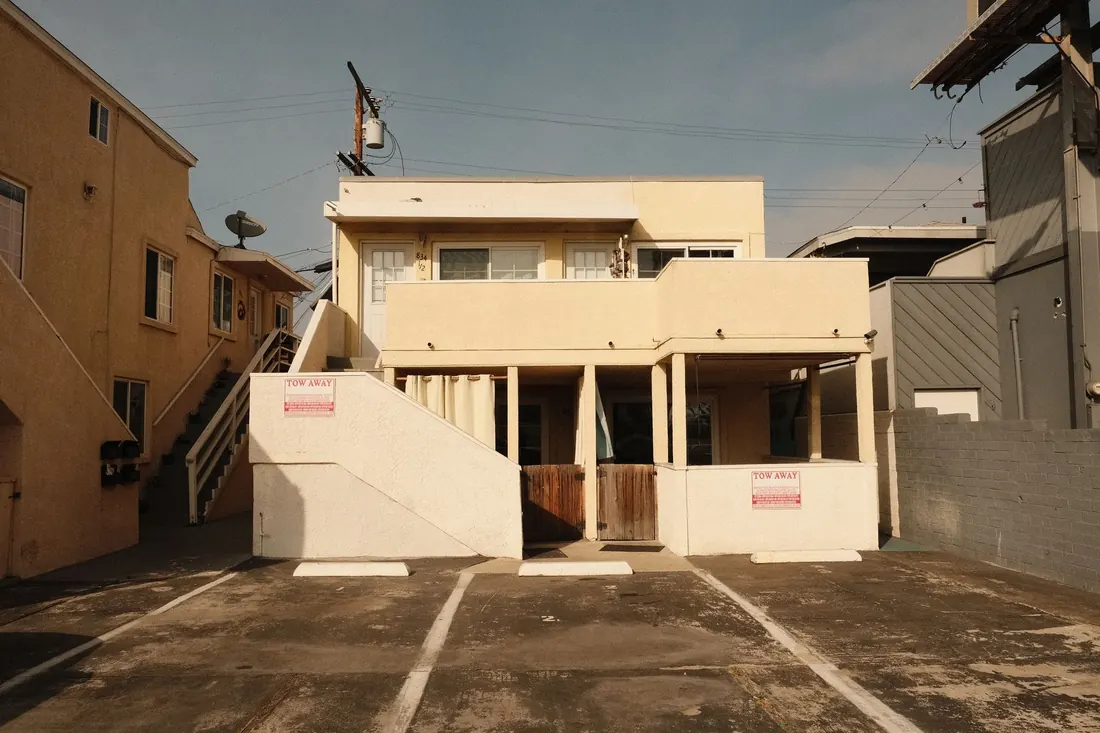
A rental is a strange thing to sell. The deed says it's yours, the mailbox says otherwise, and the people who actually live inside it have a signed lease, a set of rights, and no particular reason to care about your closing date. Selling a house with tenants means selling something you don't entirely control: their signature isn't on your sale, but their whole life is sitting inside it.
Here's the short version. You can sell an Iowa rental any time you want, and you don't need the tenant's permission to do it. What you can't do is make the lease disappear by selling. It rides along to the new owner, at the same rent, for the rest of its term. So the real question isn't "how do I get them out." It's "which kind of buyer do I want."
So the whole thing hinges on one split: your timeline belongs to you, but the lease belongs to the tenant.
The lease travels with the house
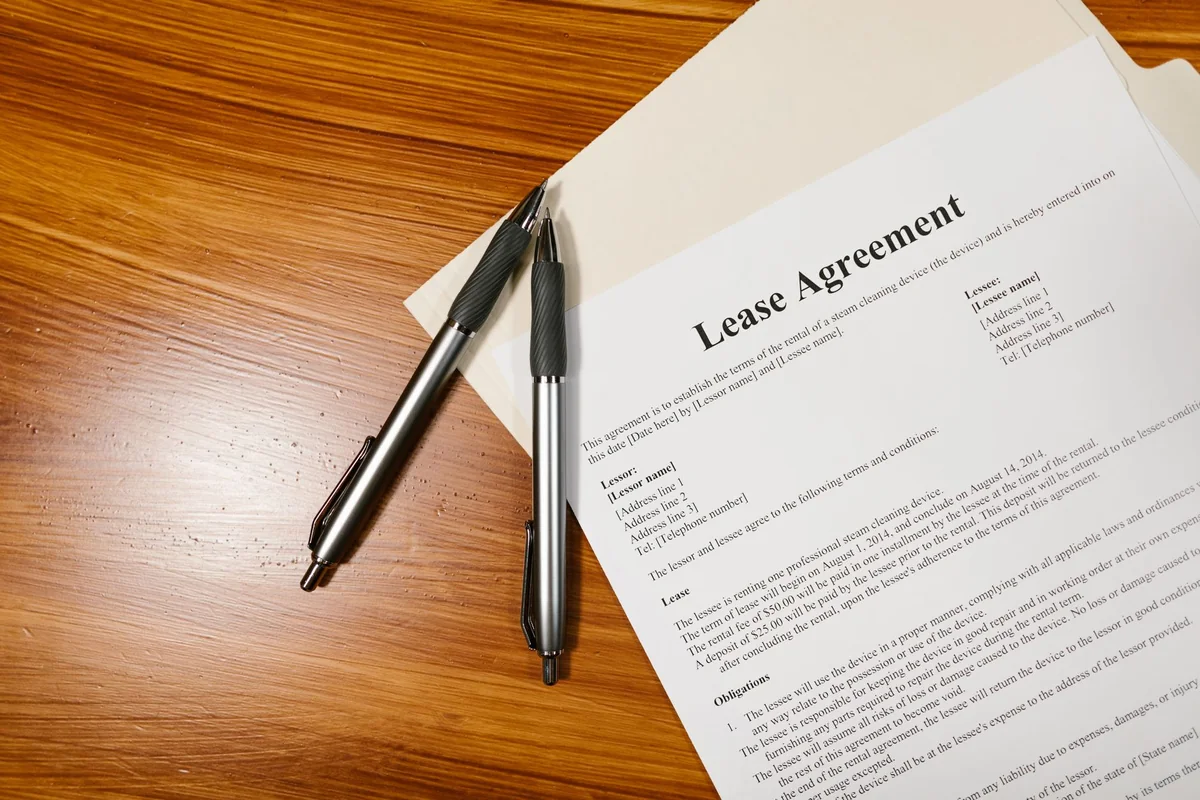
This is the rule that explains every other rule, so start here. When you sell a tenant-occupied property, the buyer doesn't get a blank house. They get the house, the tenant, the lease, and the rent, all in one package. Lawyers say the buyer takes title "subject to" the tenancy. In plain English: the new owner becomes the new landlord, and every promise in that lease is now theirs to keep.
What that means for you depends on what you signed:
- Fixed-term lease. Say a one-year lease with eight months left. It survives the closing. Same rent, same terms, same end date. The buyer inherits all eight months whether they enjoy it or not.
- Month-to-month tenancy. Much more flexible. Under Iowa Code 562A.34, the landlord or the tenant can end it with at least 30 days written notice, timed to the rental due date.
So before anything else, go find the lease. Not the version you remember. The version you signed. I've had sellers tell me with total confidence that their tenants were month-to-month, and then the paperwork turned up a term running through next spring. The paperwork wins that argument every time.
You aren't selling a house. You're selling a house and a contract, and the contract got there first.
One more thing that catches people. The security deposit isn't yours to keep. It follows the tenancy, so at closing you either hand it to the buyer or return it to the tenant. If you transfer it, Iowa expects the tenant to be told in writing how much moved and who the new owner is. Skip that and you can still be the person on the hook when they ask for it back.

Iowa tenant rights you can't ignore
Iowa's landlord-tenant rules live in Iowa Code Chapter 562A, the Uniform Residential Landlord and Tenant Law. It's short, and it isn't written to trap you. Three pieces of it decide how smoothly your sale goes.
You owe 24 hours notice before you walk in
Section 562A.19 says a tenant can't unreasonably refuse to let you in to show the place to a prospective buyer. It also says that except in an emergency, you give at least 24 hours notice, you enter at a reasonable hour, and you don't abuse the right of access or use it to harass anyone. Translation: "I'll be there in ten minutes with a buyer" isn't a plan. Every showing gets a text, a day ahead, at a decent hour.
Selling is not a lease violation
A tenant who pays on time and follows the rules can't be pushed out early just because you found a buyer who'd prefer the house empty. Ending a tenancy before its term takes either the tenant's agreement or an actual legal cause. "I'm selling" is not one.
Fair housing applies right through closing
You're still the landlord until the deed changes hands, so the federal fair housing rules from HUD still cover how you handle showings, notices, and any move-out deal you offer. Same terms, in writing, for everyone in the same situation.
None of this is meant to scare you off. Iowa landlords sell occupied rentals constantly, and most of those sales are uneventful. The trouble almost always starts the same way: somebody skipped the notice, or promised the tenant something out loud that nobody bothered to write down. This is general information, not legal advice. Run your specific situation past an Iowa attorney before you act on it.
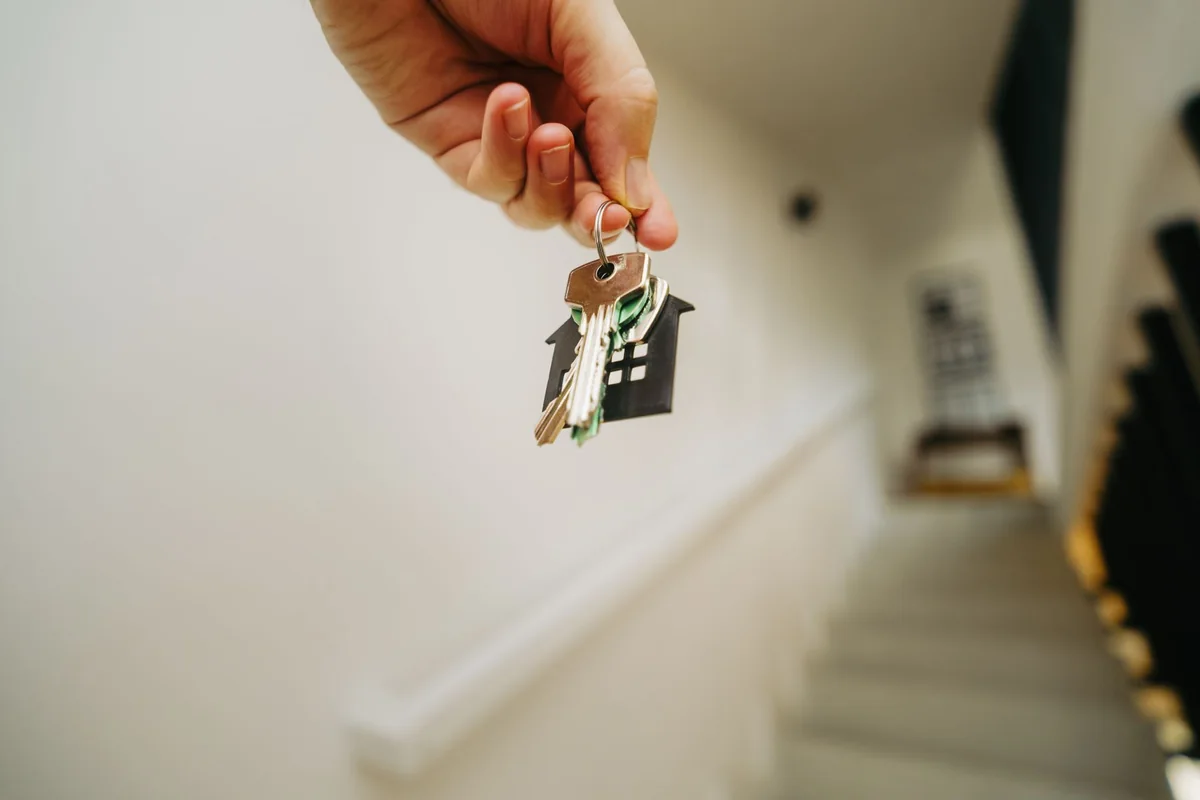
Your options: wait it out, cash-for-keys, or sell occupied
There are three honest paths here, and one of them fits your situation better than the other two.
1. Wait out the lease. If six weeks are left on the term, this is usually the easy answer. You give proper notice that you aren't renewing, they move at the end, and you sell an empty house to anyone you like. The cost is time, plus the risk that the place comes back in a condition you weren't picturing. If eleven months are left, waiting isn't a plan. It's a delay with a mortgage payment attached.
2. Cash for keys. You offer the tenant money to leave early and leave it clean. Everyone in this business has done it, and it works because it's honest. They're losing their home for reasons that have nothing to do with them, and you're paying for the disruption. Put it in writing, spell out the move-out date and the condition, and pay when the keys are actually in your hand. Two rules: it has to be voluntary, and it has to be in writing. If they say no, that's the end of it. Compared to an eviction, cash for keys is faster, cheaper, and doesn't involve a courthouse.
3. Sell it occupied. Move nobody. Sell the house with the tenant and the lease in place to a buyer who's glad they're there. This is the option most sellers never seriously consider, and it's frequently the right one.
| Option | Best when | The catch |
|---|---|---|
| Wait out the lease | The term ends in a couple of months and you're not in a hurry | You carry the house until then, and move-out condition is a coin flip |
| Cash for keys | You need it empty and the tenant is reasonable | It costs money, and they can simply say no |
| Sell occupied | The tenant pays on time and you want out now | Your buyer pool narrows to investors, not families |
If you're still deciding whether to be a landlord at all, that's a different question with its own math. I wrote that one up separately in should you sell or rent out your Iowa house.

Selling to an investor who WANTS the tenants
Here's the reframe that changes the whole problem. A tenant is only a liability if you're selling to somebody who wants to live there. To a family with a moving truck booked, your tenant is an obstacle. To an investor, your tenant is revenue that starts on day one.
Think about what a rental buyer is actually shopping for: a house that produces rent. If they buy an empty one, they have to market it, screen applicants, and eat the vacancy while they do it. You're handing them a house where somebody already lives, already pays, and already signed a lease. That isn't a defect. That's the product, pre-assembled.
What an investor will ask to see, so have it ready:
- The signed lease, with the term and the rent amount
- A payment history, even a simple one, showing rent actually shows up
- The security deposit amount and where it's sitting
- Any side agreements you've made with the tenant, written or otherwise
Clean records raise your number. A seller who says "they pay, mostly, I think, usually around the 5th" is asking a buyer to price in uncertainty, and buyers price uncertainty by subtracting. Six years in Iowa real estate and 100-plus houses later, I can tell you the sellers with a tidy folder get better offers than the ones with a shoebox.
To the wrong buyer, your tenant is a problem. To the right buyer, your tenant is the reason they're interested.

Selling fast with tenants in place
This is the part I do. I'm a local Iowa buyer, and an occupied rental doesn't bother me, because I'm not planning to move into it. I buy across the Des Moines metro, Ankeny, West Des Moines, Urbandale, Ames, and the towns in between, and I'll take the house with the tenant, the lease, and the deposit exactly as they sit.
What that saves you is the awkward part. No showings, so no 24-hour notices and no negotiating with somebody about whether Thursday at 6 works for them. No staging a house you don't live in. No cash-for-keys conversation. No cleanout, no repairs, no arguing about the furnace. Look at the lease, look at the house, make a number, close on your timeline.
On price, I'd rather show you the math than quote you something I can't back up. A cash offer is after-repair value, minus repairs, minus holding and closing costs, minus a margin. That's the entire formula. It's the same one every honest cash buyer in this state uses, and I'll walk you through my numbers line by line. If you want to know who you're dealing with, here's my story, and here's every Iowa area I buy in.
One heads-up before you sell. The tax side of a rental is not the tax side of a house you lived in. Depreciation recapture is real and it surprises people at exactly the wrong moment. I covered it in taxes when you sell a rental property in Iowa. Read it before you sign, not after.
The bottom line
Selling a rental with people living in it feels like it should be complicated, and mostly it isn't. The lease transfers. The tenant keeps their rights. You keep the right to sell. Find the lease, give proper notice, decide whether you're waiting, paying, or selling occupied, then pick the buyer who fits that choice.
And if your honest answer is "I'd rather just be done," that's a legitimate answer. If you've got an Iowa rental with tenants in it and you want a fair, no-obligation number on it as-is, tenants and all, tell me about the property or call me at 515-216-0652. Nobody has to move, and nobody has to clean anything.
Selling a house with tenants: FAQ
Can I sell my house in Iowa if a tenant is still living in it?
Yes. You own the property and you can sell it whenever you want. The sale does not cancel the lease, so the buyer takes the house with the tenant and the lease attached. Nobody needs the tenant's permission to close.
Does a new owner have to honor the existing lease?
Yes. A fixed-term lease survives the sale, and the buyer steps in as the new landlord for the rest of the term at the same rent and the same terms. A month-to-month tenancy can be ended by either side with at least 30 days written notice under Iowa Code 562A.34.
How much notice do I have to give a tenant before showing the house?
Iowa Code 562A.19 requires at least 24 hours notice before you enter, and entry has to be at a reasonable time. Showing the unit to prospective purchasers is a permitted reason to enter, but you cannot use that right of access to harass the tenant.
What is cash for keys and is it legal in Iowa?
Cash for keys is a voluntary agreement where you pay the tenant to move out early and leave the place clean. It is legal, it is far cheaper than an eviction, and it only works if the tenant agrees in writing. Nobody can be forced into it.
What happens to the security deposit when I sell the rental?
The deposit follows the tenancy, not you. Either transfer it to the buyer at closing or return it to the tenant. If you transfer it, tell the tenant in writing how much moved and who the new owner is, or you can stay on the hook for it.
Do tenants lower what my house is worth?
It depends on the buyer. To a family who wants to move in, an occupied house is a problem, and the pool of interested buyers shrinks. To an investor, a paying tenant with a signed lease is income on day one, which can make the house more attractive, not less.