Selling a house with fire damage in Iowa
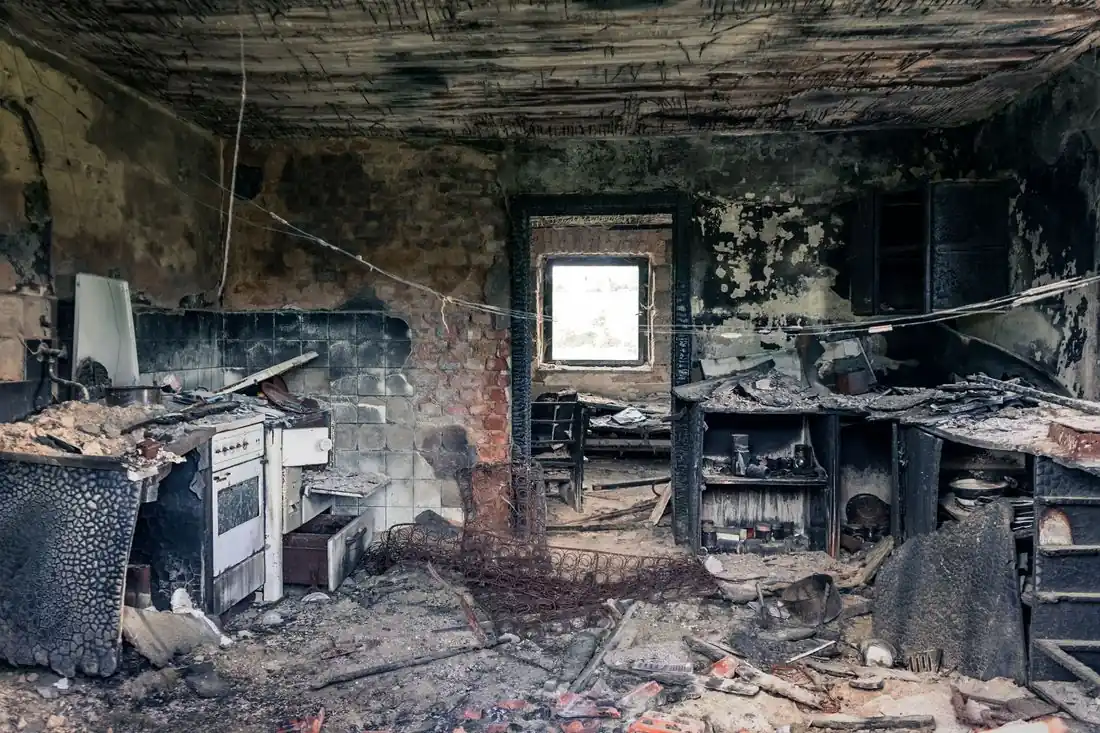
A fire turns your house into a claim number. Somewhere between the smoke and the second week, the place where you hung the Christmas stockings becomes a thing that adjusters photograph, contractors bid on, and strangers have opinions about. And the question of what to do with it, whether that means rebuilding or selling a house with fire damage, lands on you months before you feel ready to answer it.
Here's the short version. You have three real paths: restore the house and sell it on the open market, sell it as-is to a cash buyer, or do a limited cleanup and sell somewhere in the middle. Which one is right depends on three things: how much of the damage is structural instead of cosmetic, what your insurance settlement actually covers, and whether you have the cash and the patience for a rebuild that will take months.
Every fire sale comes down to the same split: the insurance check and the sale price are two separate pots of money, and how you handle the first one quietly changes the second. Most of the costly mistakes happen right there.
Repair it or sell it as-is?
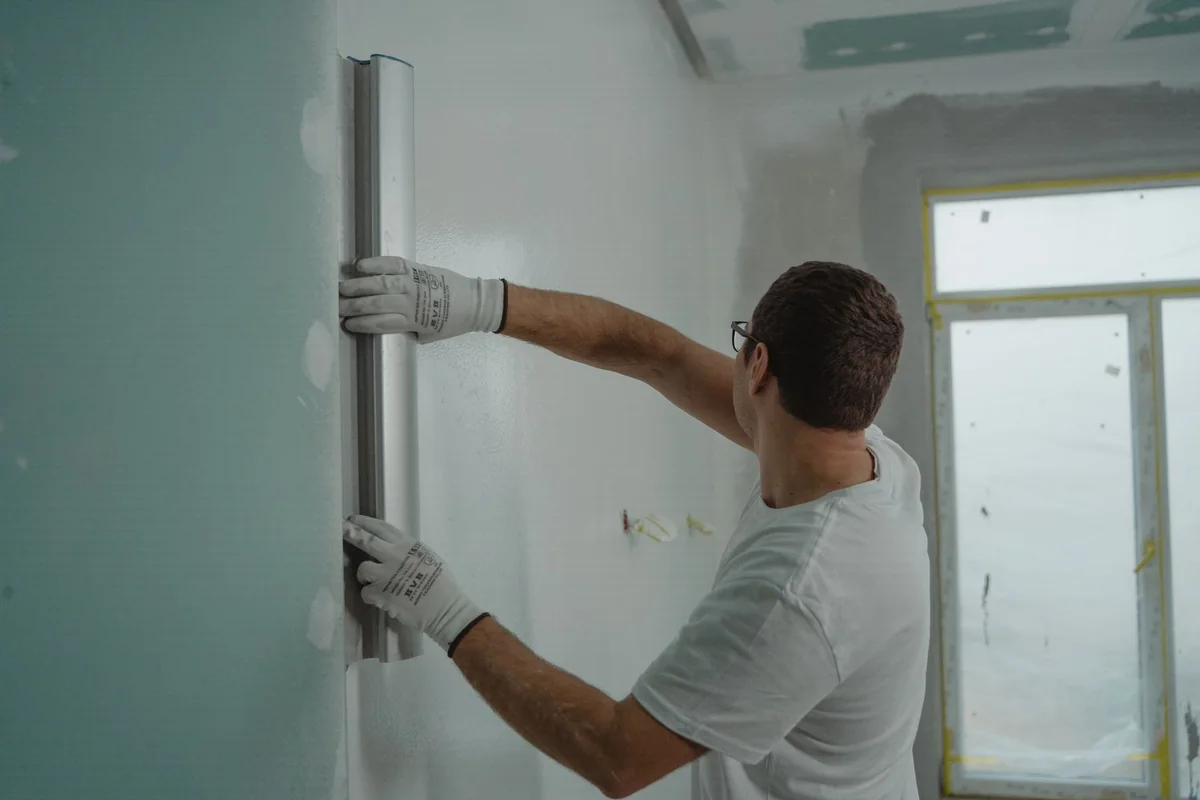
Start by separating cosmetic damage from structural damage, because they lead to completely different answers. A grease fire that scorched a kitchen wall and pushed smoke through the house is a cleanup and a repaint. A fire that got into the roof trusses, the floor joists, or the wiring is a rebuild. Nationally, fire and smoke repairs run anywhere from about $3,000 for a small contained fire to $50,000 and up, with a serious kitchen or roof job landing somewhere in the $15,000 to $40,000 range. A full restoration typically takes two to six months and recovers roughly 60% to 80% of the pre-fire value.
That last number is the one people misread. Restoration does not put you back at full market value, and it does not usually pay you back dollar for dollar. It gets you most of the way there, if you can front the money, manage the crew, and wait.
Every restoration bid I have ever read has a line item called "unforeseen conditions." That is contractor for "we are going to find something behind the drywall, and you are going to pay for it."
| Restore, then list | Sell as-is for cash | |
|---|---|---|
| Time to money | Two to six months of work, then 30 to 60 days on market | Typically 7 to 21 days to close |
| Cash out of pocket | Contractors, permits, and holding costs, often paid before the claim reimburses you | None. The buyer takes on the repairs |
| Who runs the rebuild | You, plus a general contractor and a permit office | The buyer, after closing |
| Showings and inspections | Yes, plus a buyer's lender and appraiser | No showings, no lender, no appraisal |
| Sale price | Higher gross, minus repairs, commissions, and months of taxes and insurance | Lower gross, but it's a net number with no deductions coming |
| Best when | Damage is cosmetic and you have cash and time | Damage is structural, or you need to be done |
If you want the longer version of that trade-off, I broke down the math in selling a house as-is in Iowa. The logic is the same here, just with a bigger repair number attached to it.

How your insurance claim fits in
This is the part most national articles skip, and it's worth more to you than anything else on this page.
Most homeowner policies pay a fire claim in two pieces. The first is actual cash value, what the damaged property was worth the day it burned, after depreciation. That check usually shows up fairly quickly. The second is recoverable depreciation, the gap between actual cash value and full replacement cost. Here's the catch: on most policies, the insurer only releases that second piece after the work is actually done and the invoices are submitted. If you sell the house instead of rebuilding it, that money often never gets paid to anyone.
So the honest math is not "sale price plus the whole insurance settlement." It's usually sale price plus the actual cash value piece. Finding out which bucket your money sits in, before you decide anything else, is the highest-value hour you'll spend this month.
The most expensive fire mistake I see: someone takes the first check, spends a chunk of it on demo and cleanup, then decides months later to sell anyway. Now the cash is gone, the house is still gutted, and the recoverable depreciation never gets released because nobody ever rebuilt.
Then there's your lender. If you still have a mortgage, that claim check is almost certainly made out to you and your servicer. The servicer parks it in escrow and releases it in draws as an inspector signs off on the work. You don't get to cash it at the drive-through. When you sell, the loan gets paid off at closing and the escrowed funds get sorted out then, which is exactly why you loop in your servicer's loss draft department early instead of at the end. The Consumer Financial Protection Bureau publishes plain-English guidance on how servicers handle insurance proceeds, and the U.S. Fire Administration's after-the-fire resources cover the first-30-days checklist most people never get handed.
One practical rule: photograph everything before anyone hauls anything away. The adjuster, the loss draft department, and the restoration company will each call you in the same week, and none of them will have spoken to each other. Your photos end up being the only version of events all three will accept.
What a fire-damaged house is worth
The rough industry brackets: smoke and cosmetic damage knocks somewhere around 3% to 10% off market value. Structural damage takes 25% to 50% or more. But those percentages are averages built out of other people's houses, and a burned house doesn't really trade on percentages. It trades on a repair bid.
Here's how any serious cash buyer, me included, actually builds a number. Start with the after-repair value, what the house is worth in your neighborhood once it's fixed and sitting on the market. Subtract the full cost of the repairs. Subtract the carrying costs: taxes, insurance, utilities, and money tied up for however many months the rebuild takes. Subtract the resale costs at the far end. What's left is the offer. Nothing about that structure changes based on who's making it, which is also why I'd rather walk you through my repair numbers line by line than hand you a figure and hope you don't ask.
Two things move that number more than sellers expect. The first is smoke odor, the sleeper problem in almost every fire. Smoke gets into the ductwork, the subfloor, and the insulation, and "we painted over it" is not remediation. The second is financing. A fire-damaged house generally won't pass an appraisal for a conventional or FHA loan, so the buyer pool collapses down to cash buyers and the small group using renovation loans. Fewer bidders is itself a price.
And if the structure is a true total loss, stop valuing the house and start valuing the lot. Sometimes the most valuable thing left on the property is the dirt, the location, and the utility hookups already in the ground.

What you have to disclose in Iowa
Iowa is a disclosure state. Under Iowa Code chapter 558A, if you're selling most residential property of one to four dwelling units, you have to give the buyer a written disclosure statement covering the condition of the property, including known structural damage and known defects, and you have to deliver it before the buyer is bound. Fire damage belongs on that form. So do the repairs you made after the fire.
That second part surprises people. A fire that was fully and professionally restored still gets disclosed. Repairs don't delete the history, they just change what you're describing. Some transfers are exempt from 558A (certain estate, court-ordered, and foreclosure transfers, for example), but a normal sale of your own house isn't one of them.
The standard is good faith about what you actually know. You're not required to go hire an inspector to discover new problems. You are required not to bury the ones you already know about. Skipping it doesn't make the fire go away. It just moves the conversation to a courtroom two years later, when it's expensive and you've already spent the money.
Selling as-is doesn't exempt you either. As-is describes who pays for the repairs. It says nothing about what you're allowed to leave out.

Who buys fire-damaged houses
Smaller pool than a normal sale, but a real one:
- Local cash buyers and investors. They buy the house in its current condition, close in a week or two, and absorb the rebuild. That's the trade: speed and certainty, in exchange for a price that reflects who's paying for the repairs.
- Renovation-loan buyers. A small group of owner-occupants use rehab financing to buy a damaged house and fix it. They exist, but they're slow, the loan can fall apart late, and they're rare on a house that's genuinely unsafe.
- Builders and lot buyers. If it's a total loss in a good location, somebody wants the dirt.
- National fire-damage lead sites. The ones ranking for these searches in every state at once. A lot of them don't buy anything. They sell your phone number, and then five people call you in an hour.
That last one is why I'd rather you talk to a person than a portal. I'm one Iowa buyer with an actual truck, and I buy across the Des Moines metro, Ankeny, West Des Moines, Urbandale, Ames, and the towns in between. You can see every area where I buy houses, or read the honest version of how condition moves an offer in we buy houses in any condition. If you want to know who you'd actually be dealing with, that's on the about page, not behind a call center menu.
The bottom line
After a fire, you're asked to make a large financial decision on the worst timeline of your life. So take the boring steps, in order. Find out whether your damage is cosmetic or structural. Find out which part of your settlement is actual cash value and which part only pays out if you rebuild. Call your mortgage servicer before you cash anything. Then decide whether you want to spend the next six months managing a construction project, or whether you'd rather be done.
Both answers are legitimate. Plenty of people rebuild and are glad they did. Plenty of people look at the house, feel their stomach drop, and know they're never going to want to live there again. That's not weakness. That's information.
If you're in Iowa and the second one sounds like you, tell me about the property and I'll walk the house, show you my repair math, and give you a fair as-is number with no obligation and no cleanup required. Or just call me at 515-216-0652 and talk it through. No pressure either way. You've had enough of that.
Selling a fire-damaged house: FAQ
Can you sell a house that has fire damage?
Yes. You can sell a fire-damaged house before it's repaired. Your options are to restore it and list it on the open market, or sell it as-is to a cash buyer who takes on the repairs. As-is sales close faster because they don't depend on a lender's appraisal, which a fire-damaged house usually won't pass.
Do I keep the insurance money if I sell the house instead of rebuilding?
Usually you keep the actual cash value portion of the settlement, but not all of it. Most policies only release recoverable depreciation, the gap between actual cash value and full replacement cost, after the repairs are actually completed and invoiced. If you still have a mortgage, the check is typically made out to you and your servicer, and the loan gets paid off at closing.
Do I have to disclose a fire that was already repaired in Iowa?
Yes. Iowa Code chapter 558A requires a written disclosure statement for most residential sales of one to four dwelling units, covering known defects and structural damage. A fire that was fully restored still gets disclosed. Repairs change what you're describing, they don't erase the history, and selling as-is doesn't exempt you.
How much value does fire damage take off a house?
As a rough range, cosmetic and smoke damage reduces value by about 3% to 10%, while structural damage can take 25% to 50% or more. In practice a fire-damaged house isn't priced off a percentage. It's priced off the repair bid: after-repair value minus repairs, minus carrying costs, minus resale costs.
How fast can I sell a fire-damaged house in Iowa?
A cash sale on a fire-damaged house typically closes in about 7 to 21 days, because there's no lender, no appraisal, and no repair requirements to satisfy. Restoring first and listing on the market usually means two to six months of construction before the house even goes up for sale.