Selling a house with squatters in Iowa
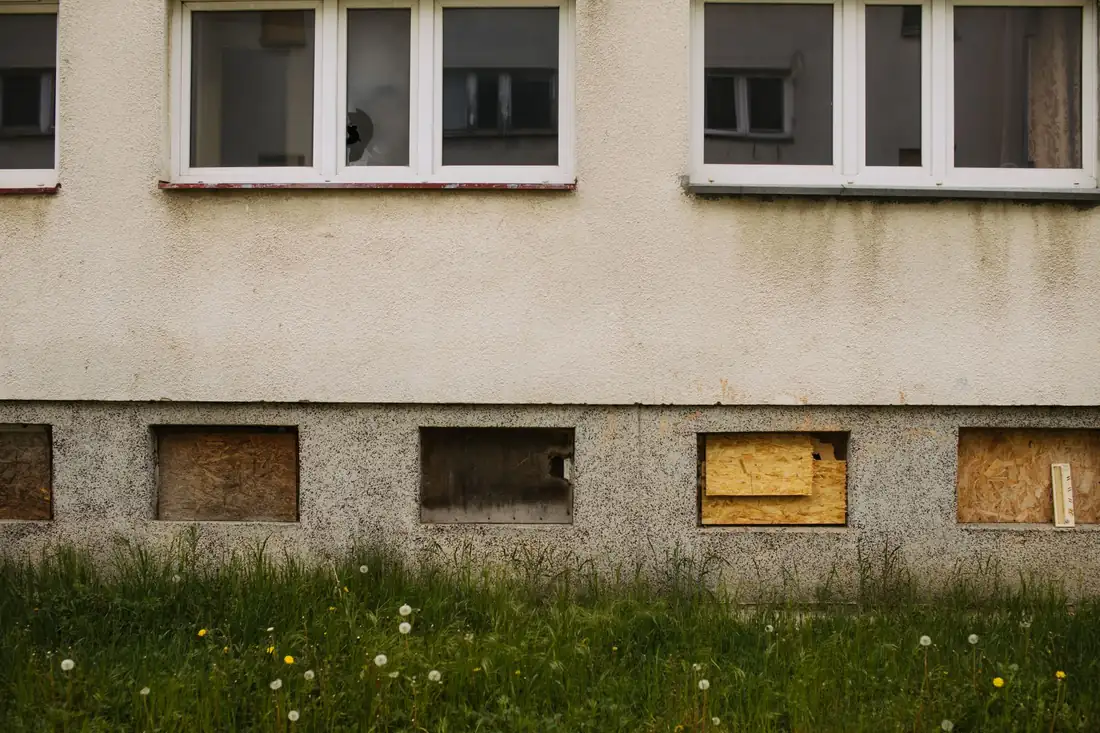
A squatter is the rare house problem that can lock its own front door. Picture the place you inherited across town, empty since the funeral. You swing by to check on it and there's a bike on the porch that isn't yours, a curtain in the front window that wasn't there last month, and a name you don't recognize written on a piece of cardboard taped over the mailbox. You still hold the deed. You just can't get in. Selling a house with squatters is the problem where you own the asset, owe the taxes, and have the least control of anyone involved.
Here's the honest version. You can list or sell the property whenever you want, but you almost certainly can't hand a buyer a clean, empty house until the person inside is gone. And in Iowa, gone means removed through a legal process, not a locksmith and a bad afternoon. That reality shapes every choice you have: remove them through the courts and then sell on the open market, or sell as-is to a cash buyer who is willing to inherit the situation and handle it.
You generally do not get to sell a clean house while a squatter is still inside, and in Iowa the only lawful way to get them out runs through a courtroom and the sheriff, not through you and a new set of locks. Everything below is built around that one fact, because it decides your timeline, your buyer pool, and your price.
Talk to an Iowa attorney about your specific situation. This is a plain-English overview from someone who buys these houses, not legal advice, and the details matter.
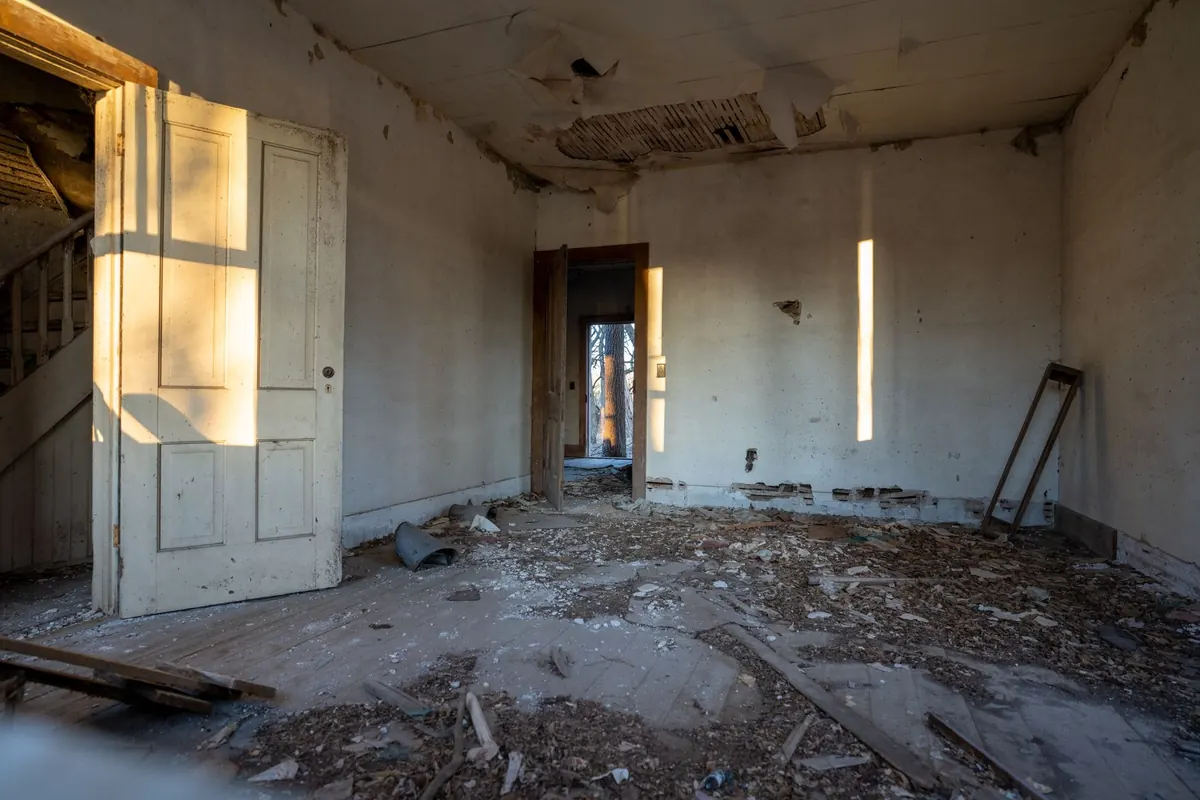
Squatter, holdover tenant, or trespasser?
Before you do anything else, you have to name who is actually in your house, because the label changes your legal path. People throw the word "squatter" at anyone they didn't invite, but Iowa treats three situations differently.
- A trespasser just broke in and hasn't set up shop. No belongings moved in, no mail, no claim to live there. This is the closest thing to a call-the-police situation, because law enforcement can often remove a genuine intruder who has not established any residence.
- A holdover tenant once had a lease or your permission and then stayed past it. They started out legal. That history usually pushes you into the standard landlord eviction process, and if the house came with a lease you never signed, read up on selling a house with tenants in Iowa first.
- A squatter moved into a vacant property and lives there without ever having permission or a lease. This is the murky middle, and it's the one that most often ends up in front of a judge before you can sell.
Why so fussy about the wording? Because once a person has genuinely settled in, established residence, gotten mail, kept belongings there, Iowa generally stops treating it as a police matter and starts treating it as a court matter. That shift is the whole ballgame. A trespasser you might clear in a day. A settled-in squatter can take weeks of paperwork.
(The maddening part for owners: the longer a squatter stays, the more the law tends to treat them like an occupant with process rights, not an intruder. Time is on their side, not yours, which is exactly why a stalled decision costs you.)
Vacancy is what invites the whole mess in the first place. If your bigger issue is an empty house sitting exposed, here's an honest look at selling a vacant house in Iowa and the risks of letting one sit.

Why removal runs through the courts, not force
Here is the part sellers hate, and the part I won't soften: you almost certainly cannot legally throw a squatter out yourself. Not with the locks, not with the utilities, not by moving their stuff to the curb while they're at the store.
Iowa, like most states, forbids what the law calls "self-help" removal once someone has established occupancy. Changing the locks, cutting the power or water, or hauling belongings out can flip the situation against you fast. You can end up owing the occupant money, or facing your own legal exposure, over a house you rightfully own. It feels backwards. It's also the rule.
The lawful route is a court eviction. In Iowa this is often handled through the Iowa court system as a forcible entry and detainer action, which is the formal name for the fast-track eviction case. In plain terms: you (or your attorney) give the required notice, you file the case, there's a hearing, and if the judge sides with you, the court issues an order and the sheriff carries out the actual removal. Not you. The sheriff. Iowa Legal Aid has plain-language explainers on how the eviction process and notice requirements work, and they spell out why self-help lockouts get owners in trouble.
A squatter is the one house problem where kicking the door in makes your situation worse, not better. The boring paperwork is the fast lane.
How long does it take? That depends on the county, the court's calendar, and whether the person fights it. It can be a couple of weeks in a clean case or drag out if it gets contested. What it is not is instant, and that timeline is exactly why some owners would rather sell the house and its problem to someone who deals with this for a living. If you want to understand the machinery of who removes whom, the phrase to search is forcible entry and detainer, and the right person to call is a local landlord-tenant attorney or your county sheriff's civil division.
Can a squatter take the house? Adverse possession in Iowa
This is the fear that keeps owners up at night: can the person in my house actually end up owning it? The doctrine behind that fear is called adverse possession, and the honest answer for a normal squatter is almost never.
Adverse possession is real, but it's built for slow-motion boundary and long-occupancy disputes, not for someone who slipped into a vacant house last month. In Iowa, a claim generally requires possession that is open, hostile, exclusive, actual, and continuous, under a claim of right, for a long stretch of time, roughly a decade or more. You can read a general legal overview of adverse possession from Cornell's Legal Information Institute, but the theme is the same everywhere: it is measured in years, not weekends.
Run the math against a typical squatter and it falls apart quickly. Someone who has been in your inherited house for three weeks, or even a few months, is nowhere close to the standard. They also usually can't show the "exclusive" and "under a claim of right" pieces, because they know they don't own it and they know you do. Adverse possession is a hard, slow, expensive thing to prove, which is why it rarely applies to the kind of squatter that stalls a sale.
That said, do not shrug at it. If a property has sat neglected for many years and someone has openly treated it as their own that whole time, the picture gets more complicated, and that is precisely when you want an attorney reviewing the history before you sell. For an ordinary "someone moved into my empty house" situation, the risk to your title is small. The real problem is possession, not ownership.

Your options for selling a house with squatters
Once you accept that possession is the real hurdle, the choices get simple. There are two honest ways out, and the right one depends on your stomach for the process and your timeline.
1. Remove them legally, then sell on the open market
Go through the court eviction, get the sheriff to deliver the house empty, then clean it up and list it like any other property. If the house is otherwise sound and you have the patience, this usually earns the most, because a vacant, financeable home opens the door to every buyer using a mortgage. The catch is time, cost, and stress: you're filing a case, waiting on a court date, paying an attorney, and carrying the taxes, insurance, and risk on a house you can't control until the order comes through. And a house that just held a squatter often needs real cleanup and repairs before it shows well.
2. Sell it as-is to a cash buyer
Sell the house, and its occupant, to a cash or investor buyer who prices the situation in and closes on their own terms. Some buyers (I'm one) will purchase a house subject to the situation and take the removal on ourselves. Others will want the person out before closing and will time it accordingly. Either way you get less than a cleaned-up retail price, that's the honest trade, but you skip the eviction filing, the court date, the cleanup, and the financing that would collapse the second an appraiser found someone living there. If the whole thing feels like more than you signed up for when you inherited the place, this is the lane where selling a house as-is in Iowa actually earns its keep.
| Path | Best when | The catch |
|---|---|---|
| Remove, then sell retail | House is sound, and you have patience and budget for the court process | Weeks in court, attorney and carrying costs, cleanup before it shows |
| Sell as-is for cash | You want out fast, or the removal and cleanup feel like too much to manage | Lower price in trade for speed, certainty, and handing off the whole problem |
Here's how a fair cash buyer builds the number, so it isn't a mystery: we start with the after-repair value (what the house is worth cleaned up and empty), then subtract the repairs, the cost and time of clearing the occupant, the holding and selling costs, and a margin to make the risk worth it. A squatter widens that gap, because removing a person is slower and less predictable than fixing a roof. No games, just arithmetic. If you want to see how a cash sale runs start to finish, walk through how the process works.
One honest note, because it's how I run things: sometimes a cash sale isn't your best move, and I'll say so. If the squatter is a straightforward removal and the house is in good shape, clearing it and listing will likely net you more, and I'd rather tell you that than talk you out of money. I'm one more option, not the only one. If it's a fit, this is where I buy houses across Iowa.
The bottom line
Selling a house with squatters isn't hopeless, it's just backwards from how selling normally goes. You hold all the ownership and almost none of the control, and in Iowa the law makes you earn that control back through the courts, not through force. So name who's really in the house, keep your hands off the locks, lean on an attorney and the sheriff for the removal, and stop losing sleep over adverse possession that almost certainly does not apply. Then pick your lane: clear the house and list it, or sell the whole situation as-is and be done.
If you want the honest math on your specific house, occupant and all, tell me about it and I'll give you a fair, no-obligation cash offer, with no repairs, no cleanup to chase, and no fee. I buy houses across the Des Moines metro and the rest of Iowa, and if clearing the squatter and listing is your smarter move, I'll tell you that too.
Selling a house with squatters: FAQ
Can you sell a house with squatters in it?
Yes, but with a catch. You can put the property up for sale, but most buyers who need a mortgage will not close while someone is living there without a lease, and you usually cannot deliver a clean, vacant house until the squatter is legally removed. In Iowa that means a court eviction, not changing the locks. The realistic buyers are cash or investor buyers who either wait for the removal or buy the situation as-is at a lower price.
What is the difference between a squatter, a holdover tenant, and a trespasser in Iowa?
A trespasser just broke in and has not established any residence, so law enforcement can often remove them quickly. A holdover tenant had a lease or your permission and stayed past it. A squatter moved in and lives there without ever having permission or a lease. The line matters, because once someone has actually settled into the home, Iowa generally treats removing them as a court matter (a forcible entry and detainer or eviction case), not a call to the sheriff. Talk to an attorney about which category fits your situation.
Can I change the locks or shut off the utilities to force a squatter out?
Generally no, and it can backfire badly. Iowa law does not allow self-help removal like changing the locks, cutting the power, or hauling someone's belongings to the curb once they have established occupancy. Do that and you can end up owing the occupant money or facing your own legal trouble. The safe path is a court order through the eviction process, carried out by the sheriff. Confirm your specific options with an attorney.
Can a squatter take ownership of my house in Iowa through adverse possession?
Almost never in a normal squatter case. Iowa adverse possession requires open, hostile, exclusive, and continuous possession under a claim of right for a long stretch of time, generally a decade or more. A person who moved into a vacant house a few weeks or months ago does not come close. It is a real doctrine, but it is slow and hard to prove, so it rarely applies to an ordinary squatter. If you are worried about a long-running claim, have an attorney review the history.
Can a cash buyer buy a house that still has squatters inside?
Sometimes, yes. Some cash and investor buyers will purchase a house subject to the situation and take on the removal themselves, priced into a lower offer. Others will want the person legally removed before closing. Either way you skip repairs, showings, and financing that would fall apart over an occupied house. A local buyer can tell you up front which approach fits your property and your timeline.