Selling a house with storm damage in Iowa

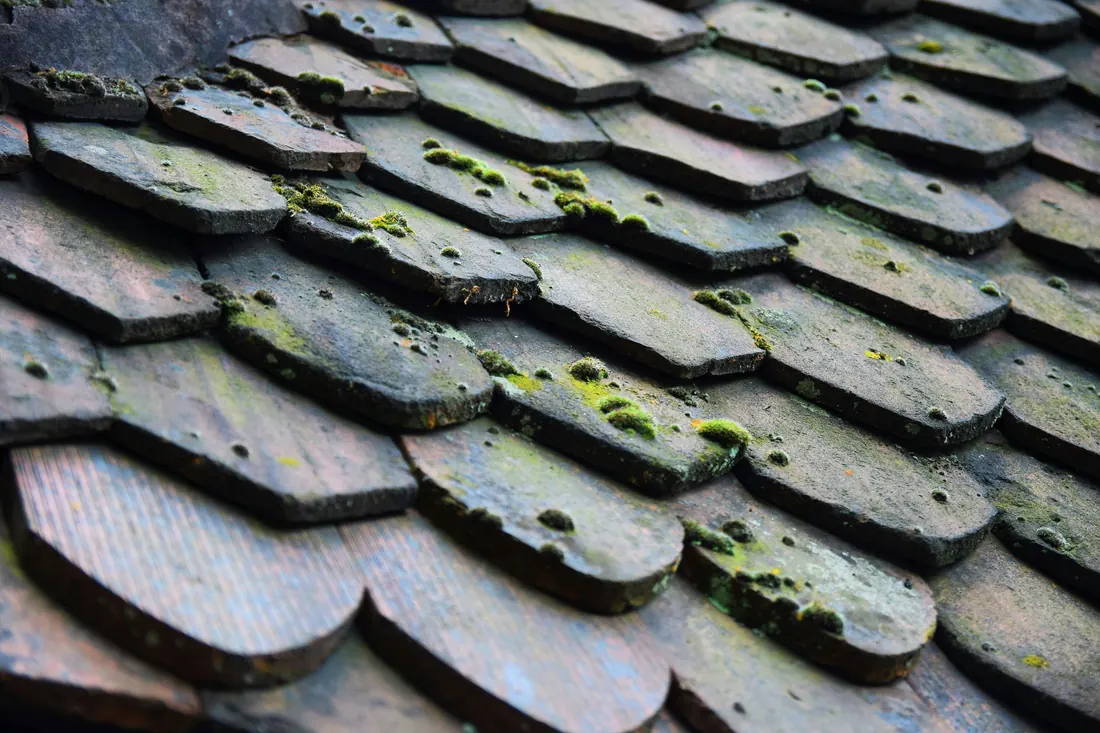
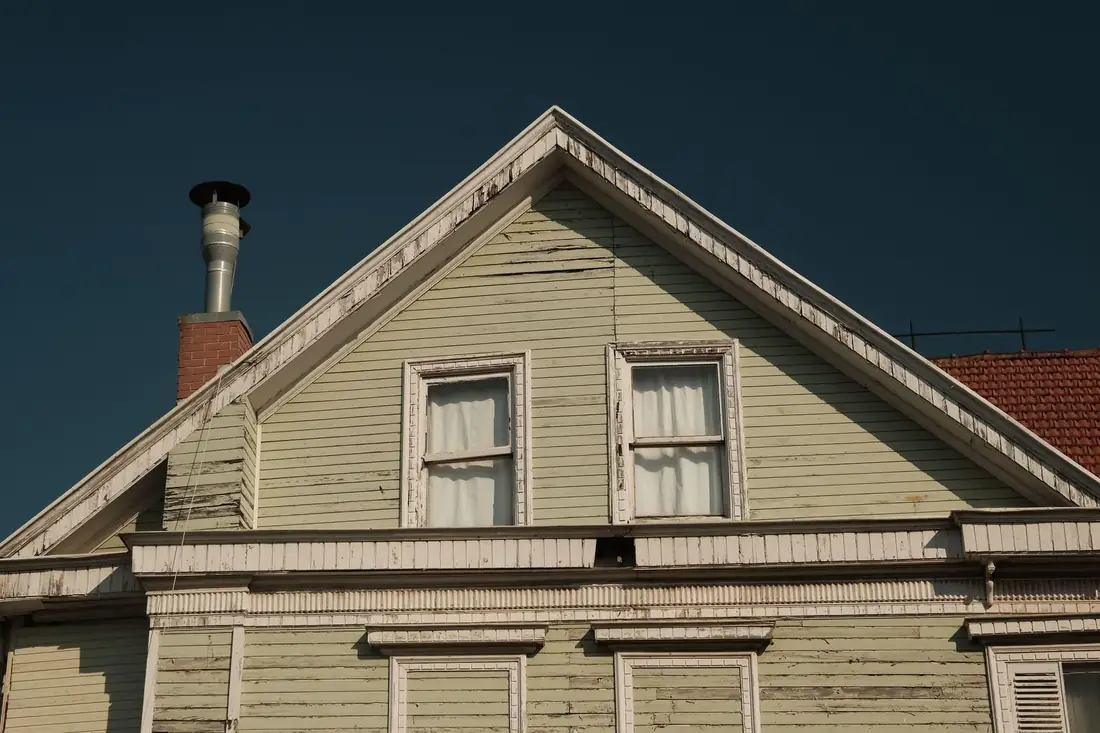
Hail leaves its signature on a roof long after the storm has moved on. You saw the first draft in the yard: the neighbor's shingles in your grass, a gutter peeled back like a sardine can, a blue tarp doing the job the roof used to do. Now the adjuster's estimate is curling on the counter, half a claim started and never finished, and you need to move. Selling a house with storm damage feels stuck because every financed buyer who tours it hits the same wall you did: their lender won't sign off on a roof that's one more thunderstorm from the living room.
Here's the honest version. You can sell a storm-damaged house in Iowa. Two things decide how it goes: the damage itself (usually the roof, but hail and wind get creative) and the insurance claim. Bad enough damage can keep the house from qualifying for a normal mortgage, which quietly narrows your buyers to cash and investors. The claim adds its own fork in the road: repair it with the insurance money and then sell, or sell as-is and settle who keeps the proceeds.
The insurance check and the repair bill rarely line up the way you hope. And the longer a damaged roof sits, the more buyers and lenders treat it as a problem instead of a project.
Why storm damage scares off financed buyers
This is the part nobody explains at the coffee shop, and it's the whole reason a storm-damaged house is hard to sell. A buyer can love the place, have great credit, and still not be able to buy it. Not because of them. Because of the loan.
Iowa is not shy about weather. We get serious hail, straight-line wind, and once in a while something that rewrites the record book, like the August 2020 derecho that flattened crops and roofs across the middle of the state. When storms like that hit a roof, they don't just look bad. They shorten its life, and a lender notices.
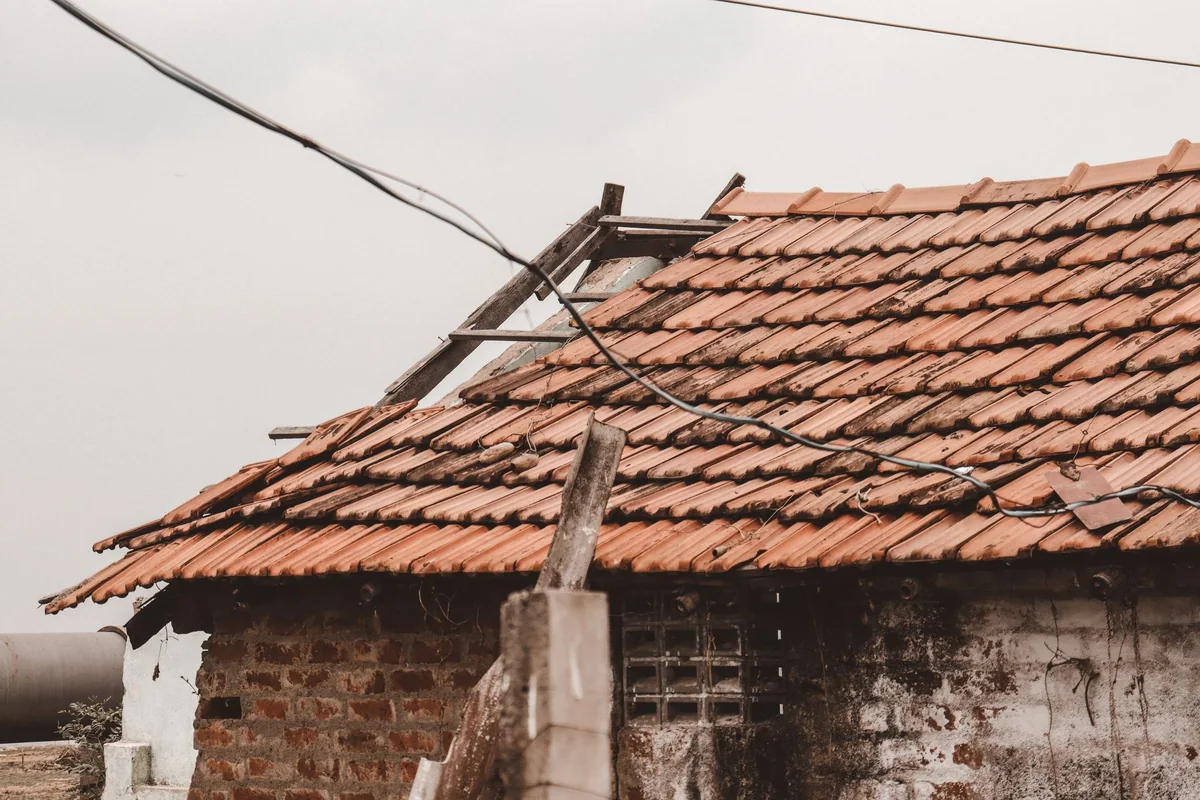
When a buyer gets a mortgage, the lender sends an appraiser, and that appraiser isn't only guessing at value. On most loan types they also flag health, safety, and structural problems: a roof at the end of its rope, active leaks, missing shingles, a wind-cracked chimney. When those show up, the underwriter can require the repairs be done before closing. Guess who's expected to make that happen? You, the seller, on the house you're trying to leave. The appraisal is the lender protecting its collateral, and a storm-beaten roof is a bad bet for a 30-year loan.
Government-backed loans are the strictest. FHA and USDA loans, which a lot of first-time and rural Iowa buyers use, hold the house to minimum standards for safety and soundness. A roof failing those standards can stall the deal until it's fixed. So the effect is simple: the worse the storm damage, the more financed buyers get filtered out, until what's left is people paying cash. A cash buyer can take the house exactly as the storm left it. If the roof is the whole story, it's worth reading how selling a house with a bad roof in Iowa actually plays out. (I've watched more than one financed deal die the week the appraiser climbed the ladder.)

The insurance claim is the real question
Roof aside, the claim is the part that actually keeps people up. Storm damage almost always comes with an insurance question, and it's a bigger fork than most sellers realize. Get this piece right and the sale gets a lot simpler.
Start with where your claim stands. An unfiled claim means the damage happened but you haven't reported it yet. A filed but open claim means you reported it and the money or the repairs haven't fully wrapped. Insurers usually have a deadline to report storm damage, so if you're going to file, don't sit on it. The Iowa Insurance Division has plain-language homeowner claim resources worth a look before you call.
Now the question everybody asks: who keeps the insurance money? The honest answer is that it depends, and a lot of it is negotiable in the sale.
- If you repair before closing, the proceeds go toward the work, and you hand over a fixed house.
- If you sell as-is without repairing, money already released to you is generally yours to keep. But many policies pay the depreciated value (actual cash value) up front and hold back the rest, the recoverable depreciation, until the repairs are actually done. Sell without fixing it and you can leave that piece on the table.
- If you still owe a mortgage, your lender may be listed as a payee on the claim check and can have a say in how the money is used. That's normal, and it surprises people.
- Handing the open claim to the buyer is not as simple as it sounds. The claim usually belongs to whoever owned the house when the loss happened, so what actually gets traded is the proceeds, spelled out in the purchase agreement, not the claim itself.
I'm not your insurer, and every policy reads a little differently, so confirm your own numbers with your agent before you bank on any of this. But the shape of the decision is almost always the same: repair with the money and sell to a wider pool, or sell as-is and negotiate the proceeds into the deal.
The roof is a repair. The claim is a decision. People stress about the shingles when the money question is the one that actually moves the needle.
Disclose the damage: Iowa requires it
Whatever path you pick, you don't get to be coy about the damage. Iowa requires most sellers to give the buyer a written property condition disclosure, and a storm event goes on it: hail on the roof, a wind-cracked window, water that got in, a claim you filed or chose not to.
Selling as-is doesn't change this. As-is means you're not agreeing to fix anything, not that you get to hide the tarp on the roof. A buyer can accept a damaged house with eyes open, but they have to have their eyes open. Skipping the disclosure is how a closed sale turns into a lawsuit a year later, and Iowa gives buyers room to come after a seller who hid a known defect.
The good news: honesty is easier than it sounds when the price already reflects the damage. If you want the fuller picture of what as-is really covers, here's a straight read on selling a house as-is in Iowa. And before you pour money into a roof you're leaving, it's worth knowing what not to fix when selling a house, because not every repair earns its cost back.
Your three options, honestly compared
There's no universal right answer, only the one that fits your house, your claim, and your timeline. Here are the three, straight, with the catch on each.
1. Repair with the insurance money, then list
File the claim, get the roof and the rest made whole, and put a sound house on the open market. On paper this earns the most, because you reopen the door to every financed buyer. The catch is time and hassle: you're managing an adjuster and a contractor, roofers stay booked after a big storm, and you carry the mortgage, taxes, insurance, and utilities the whole time. If the damage is contained and your claim covers it cleanly, this can be the smart play.
2. List it as-is on the MLS
Put it up honestly, damage and all, and let buyers come knowing they inherit the roof. You skip the repair spend, but you're fishing in a smaller pond, because financed buyers still trip on the appraisal and the ones left are hunting for a deal. Expect lowball offers, a longer wait, and a real chance a deal dies at inspection or appraisal and you start over. It can work on lighter damage that's still financeable. On a true storm-wrecked roof, it often becomes a slow road to the same cash buyer you could have called on day one.
3. Sell it as-is to a cash buyer
Sell directly to a cash or investor buyer who prices the storm damage in and closes fast. You get less than a repaired retail price. That's the honest trade, and I won't dress it up. In exchange you pay for zero repairs, skip the contractor and the showings, keep your options on the claim open, pick the closing date, and get certainty the deal closes because there's no lender to say no. On a house that can't get financing until the roof is fixed anyway, this often nets closest to a listing once you subtract the repairs, the carrying costs, and the months. It's the lane I work in, and if you want to see how the offer gets built, here's how the process works start to finish.
| Path | Best when | The catch |
|---|---|---|
| Repair, then list | Damage is contained, the claim covers it, and you have time | Managing the adjuster and contractor, booked-up roofers, months of carrying costs |
| List as-is on MLS | Lighter damage, house still financeable | Smaller buyer pool, lowballs, deals that die at appraisal |
| Sell as-is for cash | Severe damage, tight timeline, no repair budget | Lower price in trade for speed, certainty, and zero repair work |
Here's how a fair cash buyer builds the number, so it isn't a mystery: start with the after-repair value (what the house is worth fixed up), then subtract the repairs, the holding and selling costs, and a margin to make the risk worth it. That's why the offer lands under retail, and why worse storm damage widens the gap. No games, just arithmetic. One honest note, because it's how I run things: sometimes a cash sale isn't your best move, and I'll say so to your face. If your damage is light and your claim is clean, listing will likely net more, and I'd rather tell you that than talk you out of money. If it is a fit, this is where I buy houses across Iowa.
The bottom line
Selling a house with storm damage isn't hopeless. It's just a different game, because the damage decides who's allowed to buy the house and the insurance claim decides where the money lands. Sort out the claim first. Damage contained and time on your side? File, repair, and list. A wrecked roof, a tight deadline, and a claim you'd rather not chase? A cash sale usually wins on what actually reaches your pocket once the repairs and the waiting come out.
If you want the honest math on your specific house, tarp and all, tell me about it and I'll send a fair, no-obligation cash offer within 24 hours, with no repairs, no cleanup, and no fee. I buy houses across the Des Moines metro and the rest of Iowa, and if listing is your smarter move, I'll tell you that too.
Selling a house with storm damage: FAQ
Can you sell a house with storm damage?
Yes. You can sell a storm-damaged house in Iowa. What changes is who can buy it and how the insurance money is handled. If the hail or wind damage is bad enough that the roof or another major system isn't sound, the house may not qualify for a traditional mortgage, so financed buyers may need it repaired before they can close. A cash buyer can take it as-is. You can repair with the insurance proceeds and then list, or sell as-is and negotiate the claim.
Who keeps the insurance money when you sell a house with an open claim?
It depends on your policy and your mortgage, and it is negotiable in the sale. If you repair the damage before closing, the proceeds go toward that work. If you sell as-is without repairing, the money already released to you is generally yours, but many policies pay the depreciated value first and hold the rest until repairs are done, so you can leave the recoverable depreciation on the table. If you still owe a mortgage, your lender may be a payee on the claim check. Confirm the specifics with your insurer before you decide.
Should I file the insurance claim before selling or sell as-is?
There is no single right answer. Filing and repairing can open the house back up to financed buyers and a retail price, but it takes time and you have to manage the contractor and the adjuster. Selling as-is to a cash buyer is faster and skips the repair work, and you can negotiate who keeps any claim proceeds. If the damage is severe or your timeline is tight, as-is often nets closer to repair-then-list than people expect. Talk to your insurer about deadlines to file so you don't lose the claim.
Do I have to disclose storm or hail damage when selling a house in Iowa?
Yes. Iowa requires most sellers to give the buyer a written property condition disclosure, and selling as-is does not erase your duty to disclose known defects. If you know the roof took hail, the basement flooded, or a wind event cracked something, you disclose it. As-is means you are not agreeing to make repairs, not that you can hide the damage. Honesty up front also keeps the deal from unraveling at inspection.
Can I sell a house with a damaged roof to a cash buyer without repairing it?
Yes. A cash buyer prices the roof and any other storm damage into the offer and closes without a lender, appraisal, or repair conditions to satisfy. That is the whole reason storm-damaged houses often end up selling for cash: there's no bank requiring the roof be fixed first. You get less than a repaired retail price, but you pay for zero repairs, skip the claim paperwork if you want to, and pick your closing date.