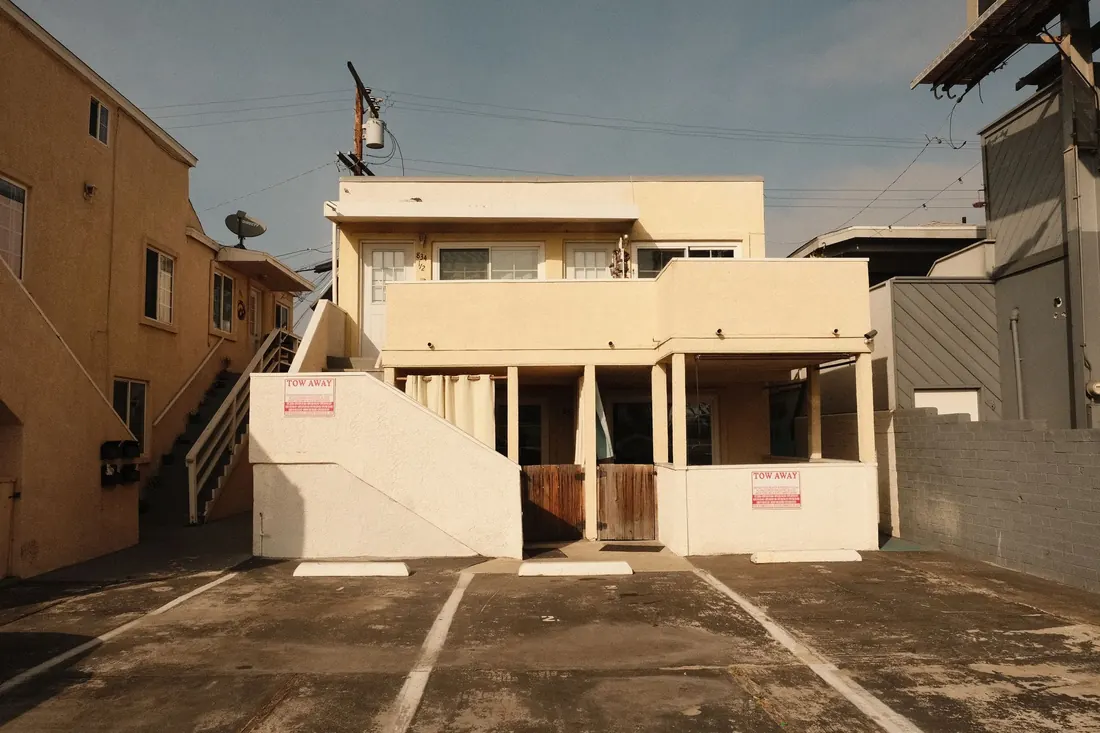
Selling a House With a Section 8 Tenant in Iowa

A Section 8 tenant comes with a lease, a housing authority, and a rulebook that does not vanish just because you decided to sell. Picture the folder in your filing cabinet: a signed lease, a HAP contract with the local housing authority, last year's inspection sheet, and a rent that shows up in two pieces, part from the tenant and part from the government. You want out, but that folder does not close on command. Selling a house with a Section 8 tenant is absolutely doable in Iowa, it just means the paperwork rides along with the property instead of disappearing at the closing table.
Here is the honest version. A Housing Choice Voucher tenant, which is what most people still mean when they say Section 8, holds two things: a lease with you, and a HAP (Housing Assistance Payments) contract between you and the local housing authority. When you sell, a new owner generally has to honor the remaining lease term, and if the tenancy continues, the buyer steps into that HAP contract with the housing authority. You have three real paths, and none of them is blocked by the voucher.
Most owners who land on this page are tired landlords who assumed selling meant handing over an empty house, and the voucher paperwork is the part nobody warned them about. The good news is that the same contract that feels like a tangle to you is a green light to the right buyer. Below is what a Section 8 tenancy actually is, what happens to the lease and the HAP contract at closing, your three options, and how a cash sale keeps the whole thing simple.
What a Section 8 tenancy actually is
Section 8 is the old name. The program most people mean today is the Housing Choice Voucher, run by local public housing authorities under federal rules. The way it works on your property is simpler than the acronyms make it sound. The tenant qualifies for a voucher, rents your house, and the rent gets split: the tenant pays a share based on their income, and the housing authority pays the rest directly to you.
To make that split happen, there are two contracts sitting behind the tenancy, not one:
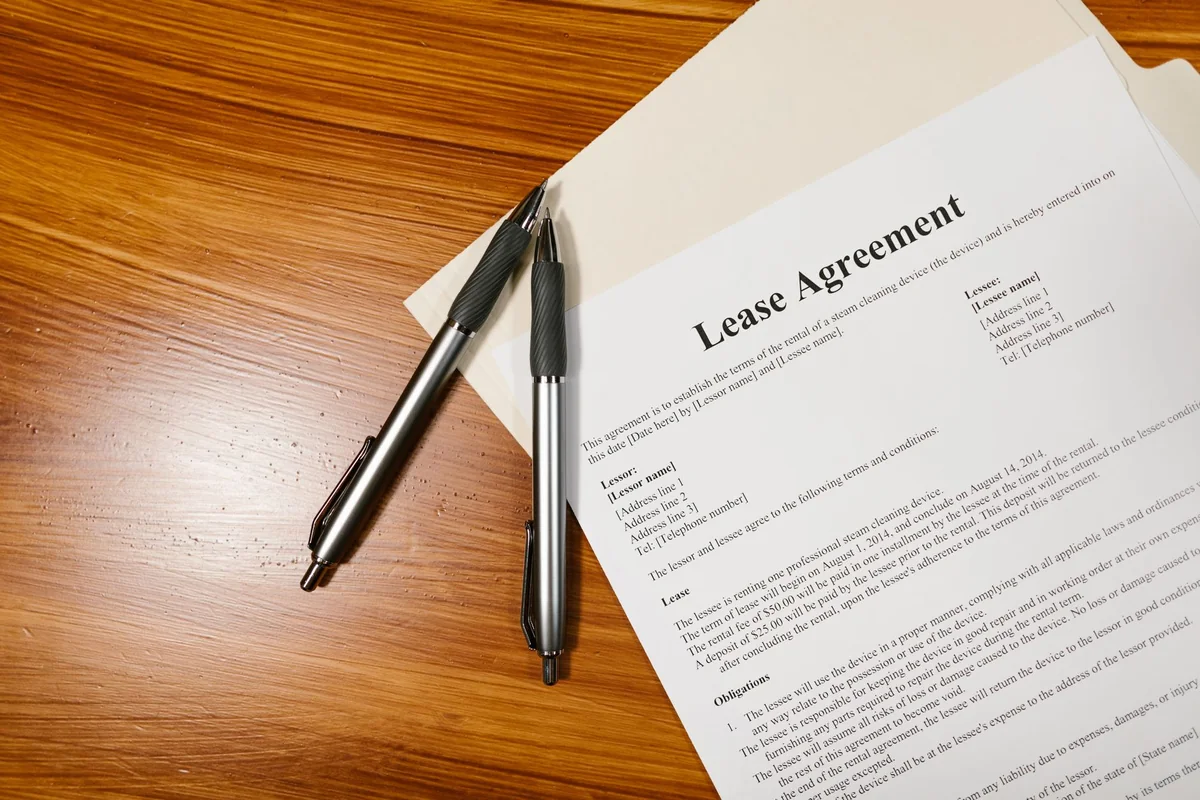
- The lease. A normal lease between you and the tenant, same as any rental, covering term, rent, and the rules of the house.
- The HAP contract. A separate agreement between you (the owner) and the local housing authority, spelling out how the housing authority pays its portion of the rent and what the unit has to pass on inspection.
(The part that trips people up is that the housing authority is not a party to the lease. It does not sign the lease with your tenant. It signs the HAP contract with you. So when ownership changes, both documents have to be dealt with, and they get dealt with in slightly different ways.)
The federal overview of how the voucher works lives on HUD's Housing Choice Voucher page, and the day-to-day rules that matter to your specific unit come from your local public housing authority. That local office is who you actually call, because they administer the contract on your address.

The lease and HAP contract when you sell
Here is the core of it, and it is the same principle behind selling any house with tenants in Iowa: a sale does not cancel a valid lease. The lease is attached to the property, not to you personally. So when you sell, a new owner generally takes the house subject to the lease and has to honor the remaining term. The tenant keeps living there under the same lease they already signed.
The HAP contract is where Section 8 differs from an ordinary rental. Because that contract is between the owner and the housing authority, a change of ownership means the housing authority has to know who the new owner is so it keeps sending its share of the rent to the right person. When the tenancy continues, the new owner generally steps into the HAP contract, and the housing authority updates its records and its payee. There is paperwork for this on the housing authority's side, and it is routine for them, they transfer these contracts whenever a rental property changes hands.
None of that is a reason to panic. It is a reason to loop in the housing authority early. The sequence that keeps a deal smooth is simple: tell the housing authority you are selling, ask what they need to transfer the HAP contract to a new owner, and make sure your buyer knows the tenancy comes with a lease and a contract, not just a set of keys.
Most sellers I meet are not scared of selling. They are scared of the thing they cannot see coming. With a voucher tenant, that thing is usually the HAP contract, and nine times out of ten it turns out to be a form the housing authority fills out in their sleep.

Your three options for selling
Once you understand the lease and the HAP contract, the decision gets clean. You really have three ways to go.
- Sell with the tenant in place, to an investor. You sell the house occupied. The buyer honors the remaining lease and steps into the HAP contract, and the voucher tenant never has to move. This is the fastest, least disruptive route, and it is what most owners in your spot end up doing.
- Sell vacant after the lease ends. If you would rather deliver an empty house, you wait out the lease term, give the proper written notice that your lease and Iowa law require, and sell once the unit is vacant. This opens the door to owner-occupant buyers, but it is slower and you carry the property longer.
- Sell as-is for cash. If the house needs work, or you simply want it off your plate, you sell it as-is to a cash buyer, with or without the tenant in place. No repairs, no showings around a tenant's schedule, no financing to fall through.
Here is the side by side, because seeing them next to each other usually makes the choice obvious.
| Tenant in place | Sell vacant | As-is for cash | |
|---|---|---|---|
| Who buys it | Investor / landlord | Owner-occupant or investor | Cash buyer |
| Tenant has to move? | No | Yes, after the lease | Usually no |
| Speed | Fast | Slow, wait out the lease | Fastest |
| Repairs needed? | Maybe | Often, to show well | None |
If part of what is driving the sale is the tax side of owning a rental, that is a separate conversation worth having before you pick a lane. I walk through it in selling a rental property and taxes in Iowa, because depreciation recapture and capital gains can change which option actually nets you the most.

Why a voucher tenant can be a selling point
This is the part that surprises frustrated landlords the most. You have been treating the voucher tenant as the reason the house is hard to sell. To the right buyer, that tenant is the reason the house is easy to buy.
Think about what an investor wants: a unit that is already rented, on a lease, with rent that shows up on time. A Housing Choice Voucher delivers a chunk of that rent directly from the housing authority on a dependable schedule, month after month. No chasing a check. No vacancy while you find a tenant. For a buy-and-hold landlord, a house with a placed voucher tenant is a running business on day one, not a project.
So when you sell to an investor, you are not apologizing for the tenant, you are highlighting them. Occupied, leased, part of the rent government-backed, inspection already passed at some point. That is a feature. It is the same reason many tired landlords sell to another investor rather than emptying the place first: the next owner actually wants what you are worn out from managing.
How to sell with the tenant in place
If you go the tenant-in-place route, the process is not complicated. It is mostly about talking to the right people in the right order so nobody is surprised.
- Read your lease. Confirm the remaining term, the rent, and any clause about a sale or notice. The lease sets the floor for what a buyer is stepping into.
- Call the local housing authority. Tell them you are selling and ask exactly what they need to transfer the HAP contract to a new owner. Get their forms and timeline. This is the single most important call, and it costs you nothing.
- Give your tenant a heads-up. A voucher tenant who hears from you directly, rather than from a stranger at the door, stays cooperative. Reassure them the sale does not cancel their lease or their voucher.
- Gather the paperwork. Lease, HAP contract, recent inspection, rent ledger, and the housing authority contact. A buyer who can see all of it moves faster and offers with more confidence.
- Sell to a buyer who wants the tenancy. Market it as an occupied rental to investors, or bring it straight to a cash buyer who already runs voucher units. Then let the housing authority complete the contract transfer at closing.
Whatever the specifics of your notice, timing, or the housing authority's forms, confirm them with the housing authority and, when in doubt, a local attorney. Rules and paperwork vary by office, and nothing on this page is legal advice, it is the map, not the turn-by-turn.

How a cash sale handles it
Here is where I fit, and I will be straight about what a cash sale does and does not change. It does not skip the housing authority. The HAP contract still transfers, the lease still gets honored, and the tenant still stays put. What a cash sale removes is the friction stacked on top: no mortgage lender squinting at the fact that the house is occupied, no appraisal, no owner-occupant buyer who needs the place empty and walks when they learn they cannot move in for months.
A local investor-buyer looks at your voucher tenant and sees exactly what I described above, a unit that already pays. I have bought over 100 homes across Iowa in six years, and a good share of them I kept as long-term rentals, so a placed tenant with a voucher is not a complication to me, it is the kind of house I already own. We coordinate the HAP transfer with the housing authority in parallel with the paperwork, keep the tenant informed, and close on your timeline. Because there is no financing to wait on, a cash sale can close in as little as seven days once title clears.
And I will tell you honestly if a cash sale is not your best move. If your lease is nearly up and selling vacant to an owner-occupant would net your family more, and you have the patience to wait it out, I will say so from the first call. No harm, no foul, I am just one more option on the table. You can read more about how I work or request a no-pressure cash offer whenever you are ready. Selling to a cash buyer is one path, and you can see all of them on the where and how we buy page.
The bottom line
Selling a house with a Section 8 tenant in Iowa is not a trap, it is a matter of respecting two documents. A Housing Choice Voucher tenant holds a lease with you and a HAP contract with the local housing authority. A new owner generally honors the remaining lease term, and if the tenancy continues, the buyer steps into the HAP contract. From there you pick a lane: sell with the tenant in place to an investor, sell vacant after the lease ends with proper notice, or sell as-is for cash. Confirm the exact process with your housing authority, because they run the paperwork on your address.
If you are a landlord who is done managing and you want a buyer who sees the voucher tenant as an asset instead of a headache, that is the kind of house I buy every month. Tell me the lease term, the rent, and which housing authority holds the contract, and I will give you a straight read on your options, including the ones that do not involve me. Request a free, no-pressure cash offer or call 515-216-0652 and we will walk through it together.
Selling a house with a Section 8 tenant: FAQ
Can you sell a house with a Section 8 tenant in Iowa?
Yes. A Housing Choice Voucher, still called Section 8, does not block a sale. Your tenant holds a lease with you plus a HAP contract with the local housing authority. You can sell the house, but a new owner generally has to honor the remaining lease term, and if the tenancy continues the buyer steps into the HAP contract with the housing authority. You can sell with the tenant in place to an investor, sell vacant after the lease ends with proper notice, or sell as-is for cash. Confirm the exact rules with your local housing authority.
Does the new owner have to keep the Section 8 tenant?
During the remaining lease term, generally yes. Selling the property does not cancel a valid lease, so a buyer usually takes the house subject to that lease and honors it to the end of the term. If the tenancy continues, the new owner also steps into the HAP contract with the housing authority and starts receiving the housing authority's portion of the rent. Once the lease term is up, the owner and tenant follow whatever notice and renewal rules the lease, the housing authority, and Iowa law require.
What happens to the HAP contract when the property is sold?
The HAP (Housing Assistance Payments) contract is between the property owner and the local housing authority, and it is tied to the assisted tenancy at that address. When ownership changes and the tenancy continues, the new owner generally assumes the HAP contract so the housing authority keeps paying its share of the rent to the correct owner. The housing authority has its own paperwork to transfer the contract and update the payee, which is exactly why you confirm the process with them before closing.
Can I sell a house with a Section 8 tenant to a cash buyer?
Yes, and it is often the simplest path. A local investor who wants steady, government-backed rent may see a placed voucher tenant as a feature, not a problem, so you can sell the house occupied with the lease and HAP contract intact. There is no mortgage lender or appraisal to satisfy and no need to make the tenant move. A cash buyer who already owns rentals knows how to coordinate the HAP transfer with the housing authority and can close fast, often in as little as seven days once title clears.
Is a Section 8 tenant a problem when selling, or a selling point?
It depends on your buyer. If you want to sell to an owner-occupant who plans to move in, an occupied lease is a hurdle, because they have to wait out the term. If you sell to an investor, a placed voucher tenant is often a selling point: the unit is already rented, a portion of the rent comes from the housing authority on a dependable schedule, and there is no vacancy to fill. Many tired landlords sell to another investor for exactly that reason.