We buy houses any condition: what that means in Iowa
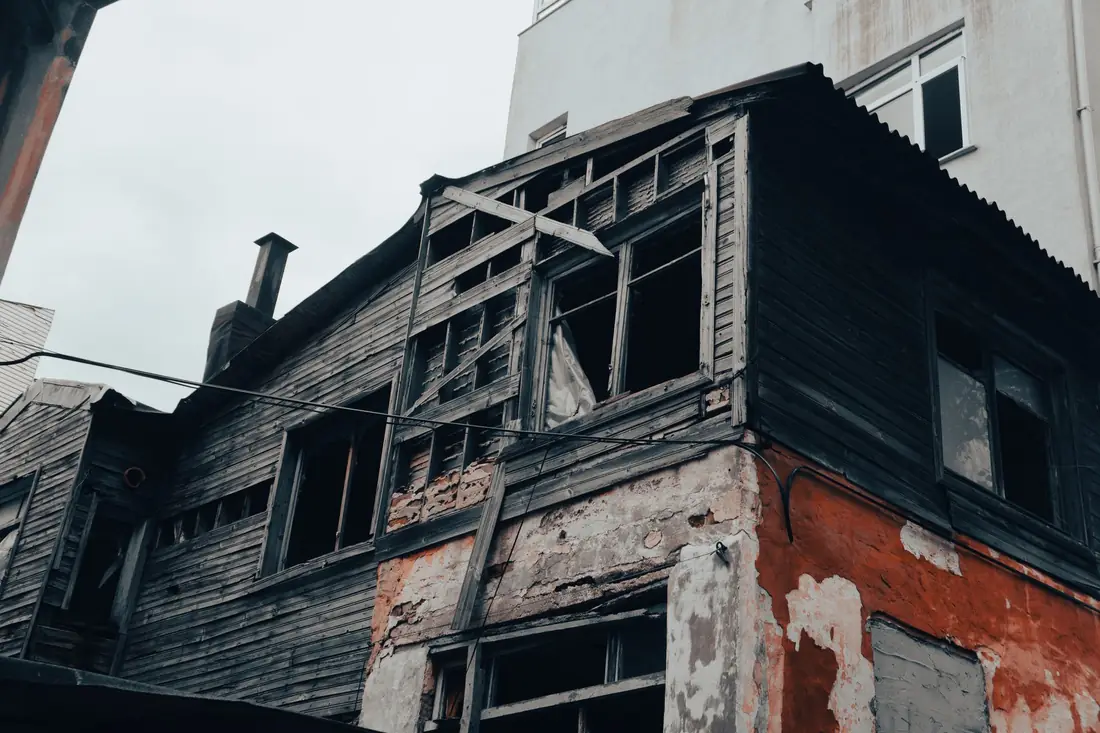
"We buy houses any condition" is the sort of line that deserves a stress test, because it sounds like the kind of promise nobody actually keeps. So picture the worst house you can: the hoarder special you can't walk through, the kitchen that caught fire, the one with an actual tree growing through the roof. Most of the time, "any" really does mean any, and a cash buyer can say that with a straight face for one boring reason: we plan to fix it, so the broken parts are the whole point, not a dealbreaker.
Here's the plain version. "Any condition" means a cash buyer will purchase your house as-is, no repairs, no cleaning, no staging, and price it around what it's worth fixed up minus the cost to fix it and a margin for doing the work. The rougher the house, the more those repair numbers eat into the offer, but the willingness to buy stays put.
Whether a buyer will take an ugly house is rarely the issue. What matters more is what "as-is" actually covers, what you can walk away from, and how the number gets built so you know it's fair.
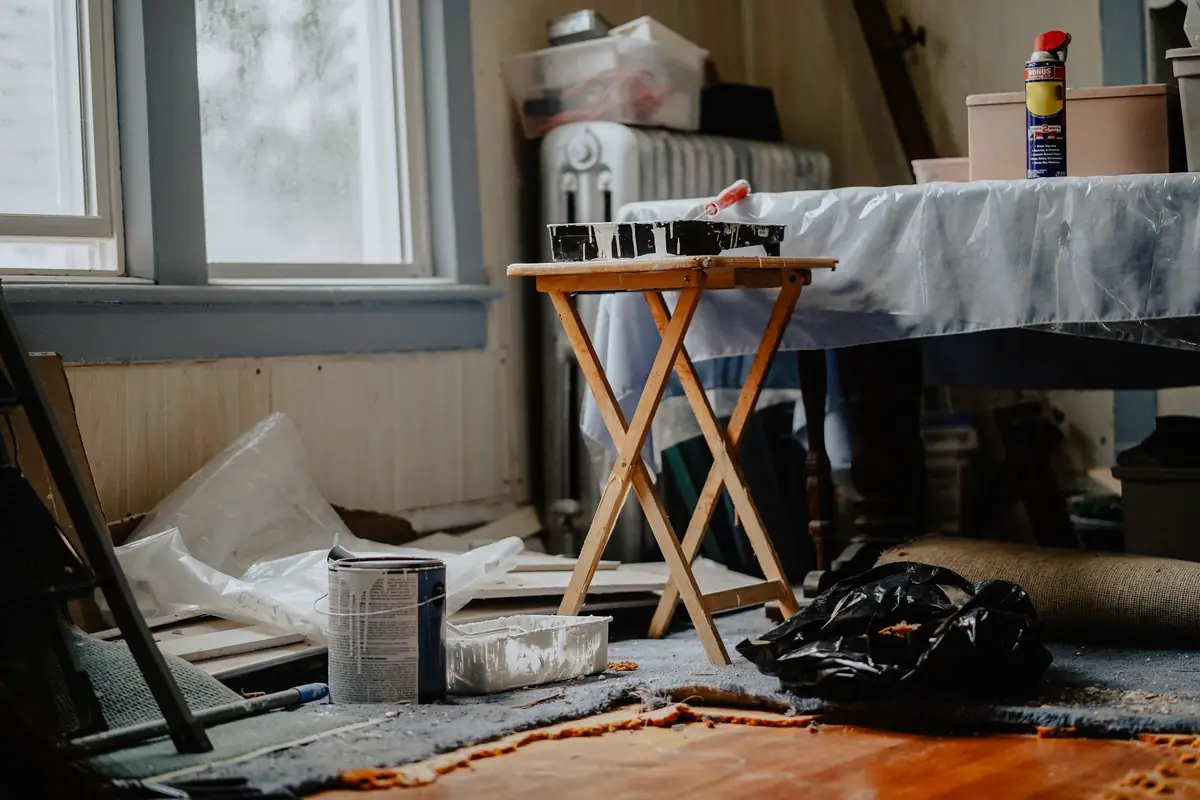
What 'any condition' really means
The phrase gets thrown around so much it's lost its edges, so let me sharpen it. When a local buyer says they buy in any condition, they mean they're underwriting the house on what it can become after a renovation, not on what a mortgage lender would approve today. A bank won't finance a home with a caved-in roof. A cash buyer doesn't need the bank, which is the entire trick.
That's the difference between a cash buyer and the big "instant offer" tech platforms. Those national iBuyers mostly want move-in-ready homes in tidy neighborhoods, because their model depends on a light touch-up and a quick relist. A real cash home buyer in Iowa wants the opposite: the house with the work, because the work is where the deal lives. You're not the exception they tolerate. You're the customer they're looking for.
I bought my first house at twenty, the worst one on a block right next to Ames High. I cleaned out the yard myself, hundreds of needles, before the real work even started. A nice family lives there now and their kids go to that school. "Any condition" isn't a slogan to me. It's where I got my start.
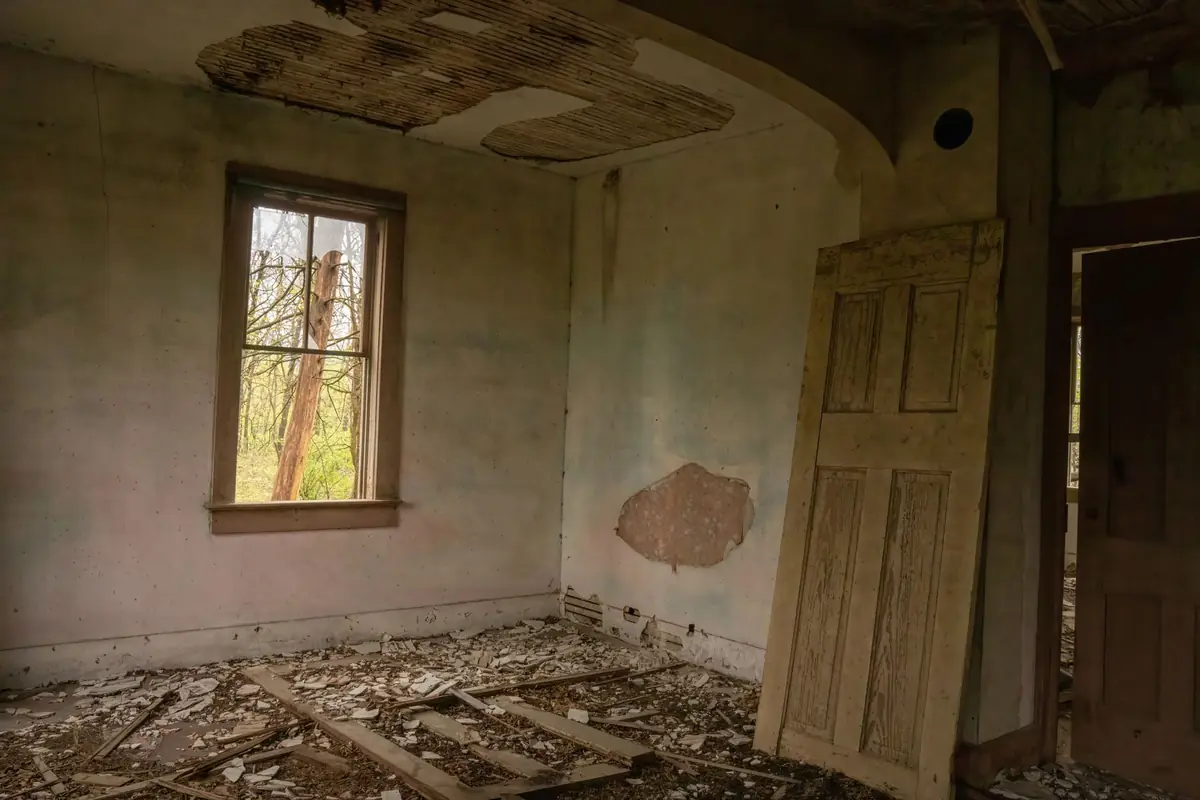
Yes, even that house (the worst-case list)
People assume there's some secret line a house can cross where even a cash buyer walks away. There usually isn't. Here's the worst-case list, the houses sellers swear nobody will touch, that cash buyers buy all the time:
- Fire and smoke damage. A gutted kitchen or a charred back bedroom is a repair line item, not a verdict on the whole house.
- Hoarder and junk-filled homes. Floor-to-ceiling clutter you can't walk through. You don't clear it. We do.
- Foundation, roof, and structural problems. Cracked foundation, sagging roofline, a tree through the attic. Big, scary, fixable.
- Water, mold, and a furnace that quit years ago. Flooded basements and dead mechanicals are routine, not exotic.
- Tenant-trashed rentals. Tired landlords with a beat-up unit and a tenant who left it rough. Common, and welcome.
If your house is on that list, you're not a hard case. You're a Tuesday. Death, divorce, foreclosure, a relocation, a place that needs more work than a realtor will agree to list: those are the exact situations we buy in across Iowa. The U.S. government's consumer advice site is a good reminder, though, to only deal with buyers who put the offer and terms in writing.
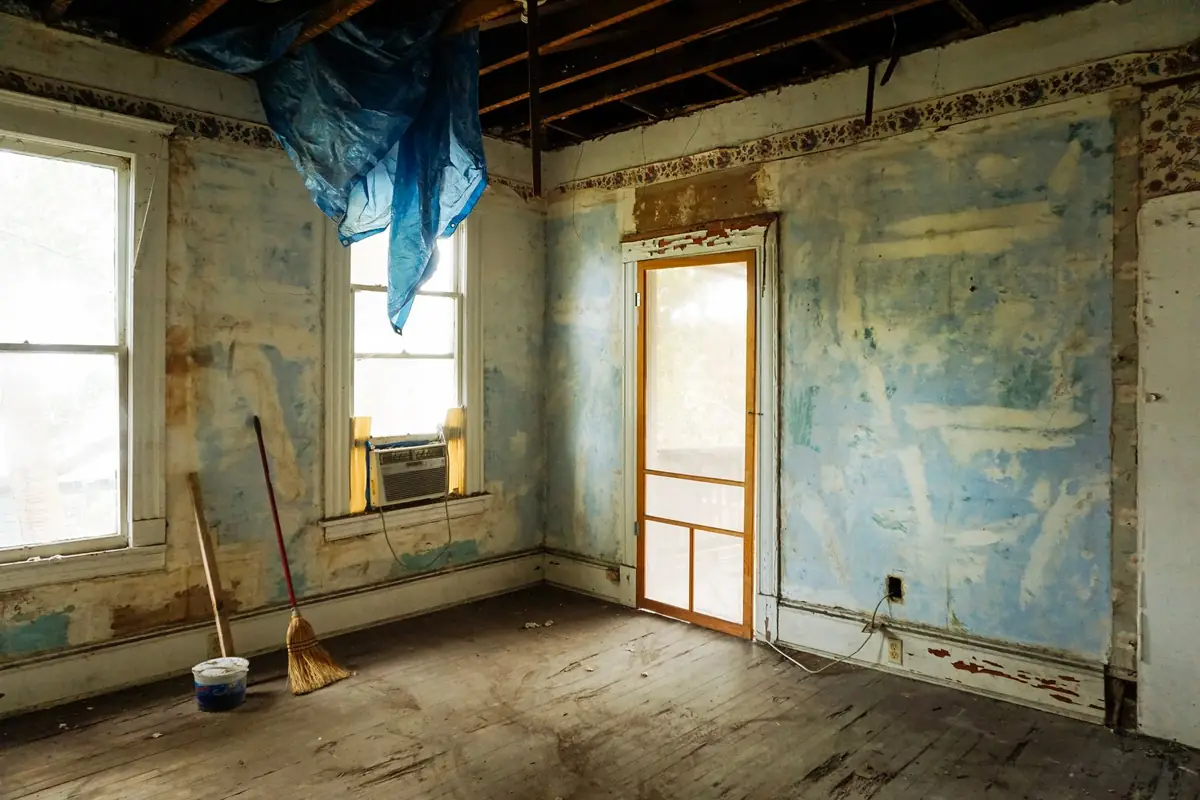
What 'as-is' covers, and what you can leave behind
"As-is" is the quiet hero of that whole phrase, and it's worth knowing exactly what it buys you. Selling as-is in Iowa means you sell the house in its current state and the buyer accepts it, repairs and contents and all. You're not promising the furnace works. You're not patching the drywall before photos. There are no photos.
Here's what you get to leave behind:
- The repairs. Roof, plumbing, electrical, the cosmetic stuff. None of it is your problem.
- The cleanout. Take the photo albums and the things that matter. Leave the couch, the basement boxes, the appliances that died in 2014.
- The showings. No open houses, no strangers tracking through, no keeping it "show ready" with kids in the house.
- The fees. No agent commission, no closing-cost surprises sprung on you at the table.
One honest note, because it matters more than the convenience: as-is does not mean you hide things. Iowa sellers still complete a disclosure of known defects. As-is means you won't fix the leaky roof, not that you'll pretend it's dry. A straight buyer would rather know up front anyway, since it's already baked into the offer.

How cash buyers make the money work
If a buyer takes the house as-is, eats the repairs, and skips your commission, the natural question is how the math works without robbing you. Fair question. Here's the formula, with no mystery to it:
| Piece of the offer | What it means |
|---|---|
| After-repair value (ARV) | What the house is worth fully fixed up and sold on the open market. |
| Minus repairs | The real cost to bring it there: roof, mechanicals, kitchen, cleanout, the works. |
| Minus holding & selling costs | Taxes, insurance, utilities, and resale costs while the work gets done. |
| Minus a margin | What makes a multi-month project with real risk worth taking on. |
| = Your cash offer | One number, no fees, no commission, no repair bills coming back to you. |
So yes, the offer comes in under full retail value. National guides put as-is cash offers somewhere in the range of a real discount off market value, and that's honest: you trade a slice of top dollar for speed, certainty, and never writing a repair check. The rougher the house, the bigger the repair line, which is exactly why a beat-up house fetches less than a clean one. That's not a buyer being cheap. That's the work showing up in the price. If you want this broken out further, I wrote a whole piece on whether "we buy houses" companies are legit and how to read the number.
The thing to watch isn't the discount. It's whether the buyer will show you how they got there. A fair offer survives daylight.
How to get a fair any-condition offer in Iowa
An "any condition" offer is only as good as the person behind it, so here's how to make sure yours holds up. Get a buyer who walks the actual house, not one who fires a number at you sight-unseen over the phone and "adjusts" it later once you're attached to the idea. Real condition needs real eyes.
Then ask three questions:
- How did you calculate this? A fair buyer will walk you through ARV minus repairs minus costs minus margin without flinching.
- Is it in writing, with no obligation? The offer and terms should be on paper. You should owe nothing for hearing it.
- Who actually closes this, and how? In Iowa, closings run through an attorney-examined abstract of title, which adds a few days and trips up out-of-state buyers who don't know the state.
That last one is a quiet local edge. Iowa is an abstract state, not a title-insurance state, so a buyer who works here all the time knows the rhythm and won't fumble your closing. I work one-on-one, no national call center, and I'll tell you up front if a cash sale isn't your best move. No harm, no foul. If you want to sanity-check any buyer before you sign, the Consumer Financial Protection Bureau has plain-language guidance on home sales worth a read.
The bottom line
"We buy houses any condition" passes the stress test more often than it has any right to, because the broken parts are the business, not the obstacle. The condition moves the price. It doesn't move the answer. You skip the repairs, skip the cleanout, skip the showings and the fees, and trade a slice of retail for a fast, certain close. If your house is rough and it's in Iowa, tell me about it and I'll give you a fair, no-obligation number, and show you exactly how I built it.
Any-condition home sales: FAQ
Does "any condition" really mean any condition?
For most local cash buyers, yes. Fire damage, hoarder situations, foundation problems, water damage, a tree through the roof: those are the houses cash buyers are built for. The condition shifts the price, not the willingness to buy.
Do I have to clean the house out first?
No. Selling as-is means you take what matters to you and leave the rest. Furniture, junk in the basement, the broken appliances: the buyer handles all of it. You don't haul a thing to the curb.
Why is the cash offer lower than my home's market value?
The offer covers the repairs you're skipping, the holding costs while the work happens, and a margin to make the project worth doing. You trade a slice of top-dollar price for speed, certainty, and zero repair bills.
Will a cash buyer still want my house if it needs a new roof or furnace?
Yes. Major systems like roofs, furnaces, and foundations are exactly what gets factored into a cash offer. You don't fix them, and you don't pay for them out of pocket before closing.
How do I get a fair any-condition offer in Iowa?
Work with a local buyer who will walk the house, explain how the number was built, and put it in writing with no obligation. Ask how they calculated it. A fair buyer will show you the math instead of hiding it.