Selling a house that was a meth lab in Iowa
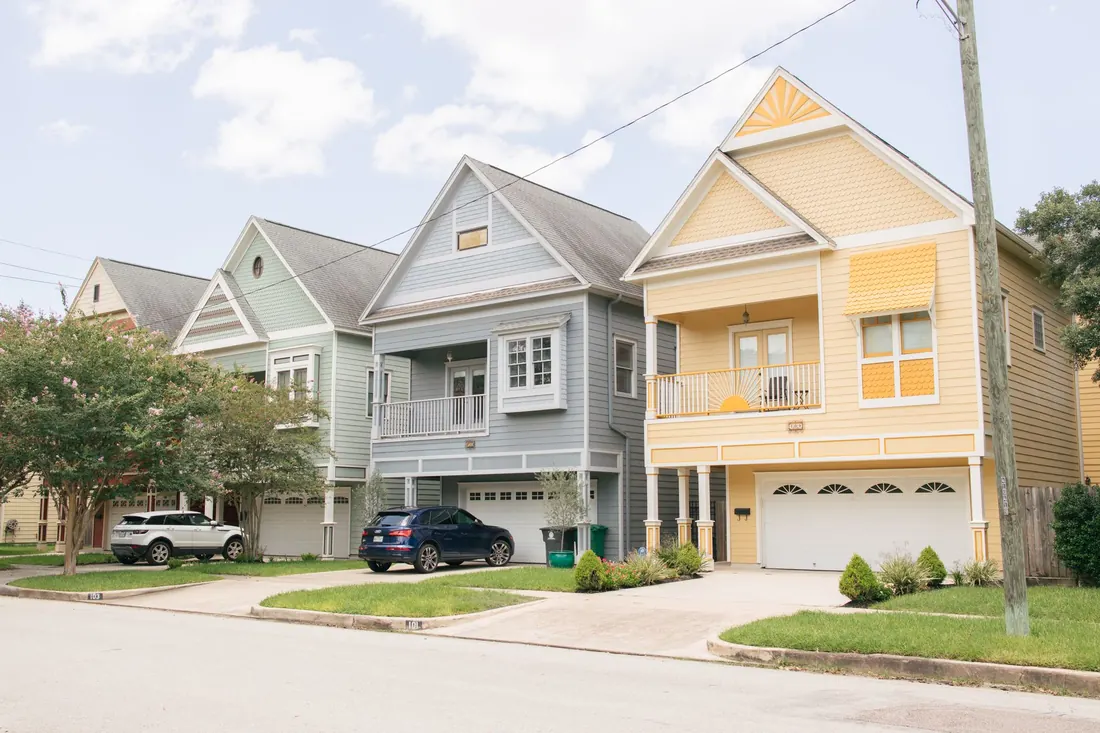
A house doesn't have to look damaged to carry a chemical history in its walls. The paint is fresh, the floors are swept, the listing photos look fine, and then a neighbor mentions what the last tenants were doing in the back bedroom. Now you're selling a house that was a meth lab, or one people whisper used to be one, and the whole deal hangs on a question you can't answer by looking: is there residue, and is it still there? You can't see it, you can't smell it, and pretending it isn't a factor is exactly how sellers get burned six months after closing.
Here's the honest version. A house where someone once smoked meth is a very different problem from a house where someone manufactured it. Use tends to leave little to no lasting contamination. Production, the actual cooking, can leave chemical residue on walls, floors, and the HVAC system that a certified surface-wipe test can detect, and that a professional decontamination contractor may have to remediate before anyone can safely live there. Until that's done, most mortgage lenders and insurers won't touch the place, which is why cash and investor buyers are often the only market.
A certified meth test is what turns rumor into either a clean bill or a remediation bill, and that one number drives everything that follows: what you disclose, who's allowed to buy, and what the house is actually worth.
Meth use vs. a meth lab: why the difference is everything
When people hear "meth house," they picture a crime-scene set from a cable drama. The reality is more boring and a lot more important: it comes down to what actually happened in the house, and there are two very different versions.
A house where someone used meth, meaning smoked it, is one thing. Use leaves far less residue, and in plenty of use-only situations there's little to no lasting contamination to deal with. A house where someone produced meth, meaning actually cooked it, is the real concern. Manufacturing releases chemical byproducts that settle onto walls, carpet, and countertops, and get pulled through the furnace and ductwork, where they can linger long after the people are gone.
That one distinction changes everything about your sale. A vague rumor that "some guy who rented here got into trouble" is not the same as a documented production site. Until you know which one you have, you're negotiating with a ghost, and ghosts always cost the seller more than the truth does.
A rumor is a discount waiting to happen. A test result is a fact you can price, disclose, and defend. One of those you control.
If the house also carries the wear you'd expect from that kind of history, holes in the walls, ruined flooring, a generally rough condition, then the condition question stacks on top of the contamination question. Here's an honest look at selling a house in poor condition in Iowa that pairs with this one. And for context on the scale of the problem nationally, the DEA keeps a public registry of former clandestine drug lab sites.
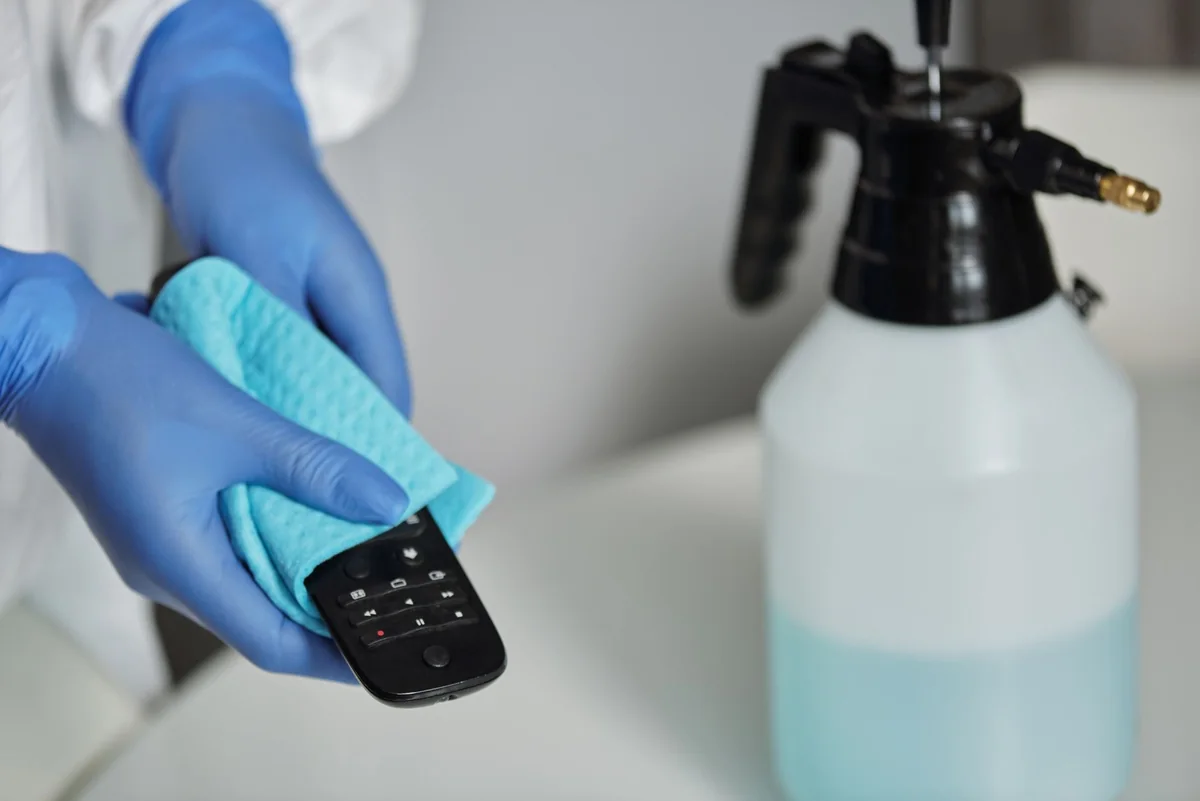
The certified test that turns rumor into a number
You can't eyeball meth residue. That's the hard part and, honestly, the useful part. The only way to move from rumor to fact is a certified meth test, and it's more straightforward than most sellers expect.
A qualified sampler wipes measured sections of walls, floors, and often the HVAC surfaces, then sends those wipes to a lab that measures how much methamphetamine residue is present per unit of area. The result is a number, and that number is the whole ballgame. Below the action level, you likely have a clean bill and a normal sale. Above it, you have a remediation project, and now you know exactly what you're dealing with instead of guessing at it in the dark.
A test costs a few hundred dollars. Guessing wrong costs a dead deal at the closing table. The number is the cheapest certainty you'll buy in this whole process.
Don't skip straight to selling on a hunch in either direction. A clean test protects you from a lowball based on gossip. A positive test protects you from selling into a lawsuit later. Both outcomes beat the fog.
I want to be careful here, because the specifics matter and they change. Iowa's health rules, action levels, and who's qualified to sample and remediate are set by state and county authorities, not by me. Confirm the current standards with Iowa Health and Human Services and your county health department, and use a pro. Don't take a number off a blog, including this one, as gospel.
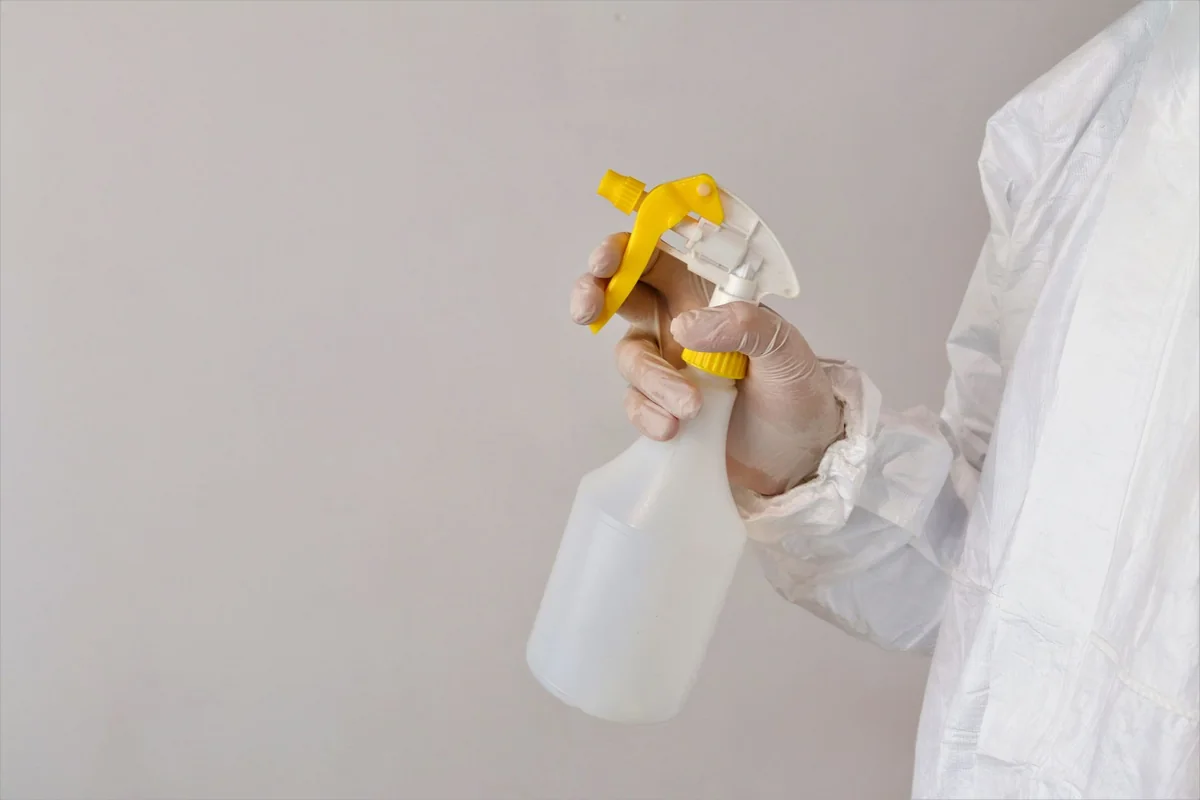
Remediation: what decontamination actually involves
If the test comes back hot, remediation is the path back to a safe, sellable, financeable house. It's real work, and it is not a Saturday with a spray bottle.
A professional decontamination contractor does the job: cleaning or removing contaminated materials, often stripping affected drywall, carpet, and sometimes ductwork, then re-testing to confirm the residue is back under the action level. The scope depends entirely on how bad the contamination is and how far it traveled through the HVAC system. A light case is a deep cleaning. A heavy production site can mean gutting rooms.
The EPA publishes voluntary guidelines for meth lab cleanup that many states lean on, but the binding rules are set locally. That's exactly why I keep pointing you to Iowa HHS and your county: they decide what "clean enough to live in" means here.
(Yes, this is the part where a rough house gets rougher before it gets better. It's also the exact part cash buyers are built to absorb.)
Two honest points. First, until remediation is done and documented, most lenders and insurers stay away, so a contaminated house is effectively a cash-only house whether you like it or not. Second, a clean re-test with paperwork is gold: it turns "former meth lab" from a scary unknown into a closed chapter you can hand a buyer. If the house needs a pile of other work on top of the cleanup, this rundown on selling a house as-is in Iowa is worth reading before you spend a dollar.
What you have to disclose in Iowa
Here's the part sellers most want to skip and least can afford to: disclosure. Iowa asks most sellers to hand the buyer a written property condition disclosure, and a known meth history is not something you get to quietly leave off the form.
The rule of thumb is simple. If the contamination is a known material defect, you disclose it. A positive test, a remediation you paid for, or credible knowledge that the house was a production site all count as known, and they belong on that form. "As-is" means you won't fix it, not that you can hide it. Staying quiet about a known meth history is how a closed sale turns into a lawsuit a year later, and Iowa buyers have real remedies when a seller conceals a material defect.
A simple, unverified rumor with a clean test behind it is a different animal from a documented lab. That's one more reason the test matters: it tells you what you actually know, and you can only be expected to disclose what you know. When you're unsure whether something rises to "material," that's a question for an Iowa real estate attorney, not a coin flip.
Disclosure feels like handing the buyer a reason to walk. In practice it's the thing that keeps them from walking back later with a lawyer.
There's an overlap here with other stigma sales. If your situation is less about chemicals and more about reputation, selling a house where someone died in Iowa walks through the disclosure logic for that case.

Your options for selling, honestly compared
So what do you actually do? Whatever the test says, there are three honest ways out, and the right one depends on your money, your timeline, and how bad the number is.
1. Test, remediate, then list
Get the certified test, hire a decontamination contractor if it's positive, document the clean re-test, and sell on the open market like any other house. On a home that's otherwise solid this often nets the most, because a documented-clean house reopens the door to every financed buyer. The catch is cash and calendar: you pay for testing and cleanup up front, you wait on contractors, and you carry the house (mortgage, taxes, insurance, utilities) while it all happens.
2. List it as-is and let buyers handle the cleanup
Put it up honestly, meth history disclosed, and let buyers price in the remediation themselves. You skip the cleanup spend, but you're fishing in a small pond, because financed buyers can't get a loan on a contaminated house and the ones left are investors hunting a deal. Expect hard negotiation, a longer wait, and a real chance a deal dies at inspection or testing and you start over.
3. Sell it as-is to a cash buyer
Sell directly to a cash or investor buyer who prices the contamination in and handles the testing and remediation themselves. You get less than a fixed-up retail price. That's the honest trade, and I won't pretend otherwise. In exchange you skip the cleanup, the contractor quotes, the showings, and the financing risk, and you pick the closing date. On a house that can't be financed until it's remediated anyway, this often nets closest to a cleaned-up listing once you subtract the remediation, the carrying costs, and the wait. This is the lane I work in.
| Path | Best when | The catch |
|---|---|---|
| Test, remediate, then list | Contamination is the main issue, the house is otherwise solid, and you have cash and time | Money up front, a wait on contractors, carrying costs while you clean |
| List as-is on the MLS | Rumor only with a clean or light test, and you'd rather not spend | Small buyer pool, hard negotiation, deals that die at testing |
| Sell as-is for cash | A hot test, a tight timeline, or no budget for remediation | Lower price in trade for speed, certainty, and zero cleanup spend |
Here's how a fair cash buyer builds the number, so it isn't a mystery: we start with the after-repair value (what the house is worth fully fixed and cleaned), then subtract the repairs and remediation (the meth cleanup included), the holding and selling costs, and a margin to make the risk worth it. That's why the offer lands under retail, and also why a bad test on top of other problems widens the gap. No games, just arithmetic. If you want to see how the rest of a cash sale runs start to finish, walk through how the process works.
One honest note, because it's how I run things: sometimes a cash sale is not your best move, and I'll say so. If the test comes back clean or light and the house is otherwise sound, testing, disclosing, and listing will likely net you more, and I'd rather tell you that than talk you out of money. I'm one more option, not the only one. If it's a fit, this is where I buy houses across Iowa.
The bottom line
Selling a house that was a meth lab isn't hopeless, and it isn't the horror story the rumor makes it out to be. It's a testing problem first, a disclosure problem second, and a sale problem third, in that order. Get the certified test so you're working from a number instead of a whisper. Confirm the current rules with Iowa HHS and your county. Disclose what you actually know. Then pick the path that fits your money and your timeline.
If you'd rather not chase testers and contractors, tell me about the house and I'll take an honest look, contamination and all. I buy houses across the Des Moines metro and the rest of Iowa, and if getting it tested, cleaned, and listed is the smarter move for you, I'll tell you that too.
Selling a former meth lab house: FAQ
Can you sell a house that was a meth lab?
Yes. You can sell a house that was a former meth lab. The main question is whether it is actually contaminated and, if so, whether it has been remediated. A certified surface-wipe test tells you where you stand. If the residue is above the action level, most mortgage lenders and insurers stay away until a professional decontamination contractor cleans it and it passes a re-test, so cash and investor buyers are often the market. You can test and remediate then list, or sell as-is to a cash buyer who handles the cleanup.
How do you test a house for meth contamination?
A qualified sampler uses surface-wipe sampling: they wipe measured sections of walls, floors, and often the HVAC surfaces, then send the wipes to a lab that measures how much methamphetamine residue is present per unit of area. The result is a number compared against an action level. Below it, you likely have a clean bill and a normal sale. Above it, you have a remediation project. Confirm who is qualified to sample and what standard applies with Iowa Health and Human Services and your county health department.
Do you have to disclose a former meth lab when selling a house in Iowa?
If it is a known material defect, yes. Iowa asks most sellers to give the buyer a written property condition disclosure, and a known meth history, such as a positive test or a documented production site, belongs on it. Selling as-is means you will not fix it, not that you can hide it. Concealing a known material defect can expose you to a lawsuit later. A simple unverified rumor with a clean test behind it is different from a documented lab, which is one more reason to test.
Can you get a mortgage on a former meth house?
Usually not until it has been remediated and documented. A house with meth contamination above the action level is a health and safety problem, so most lenders will not finance it and many insurers will not cover it until a licensed decontamination contractor cleans it and it passes a re-test. That is why a contaminated house is effectively cash-only until remediation is complete, and why cash and investor buyers are often the realistic market.
Is meth residue in a house actually dangerous, and does the whole house need cleaning?
It depends on what happened there. Simple use, like someone smoking, tends to leave far less residue than production, the actual cooking, which can spread chemical byproducts onto surfaces and through the ductwork. How much cleaning is needed depends on the contamination level and how far it spread. A light case may be a cleaning, while a heavy production site can mean removing drywall, carpet, and duct. A certified test and a professional contractor determine the real scope, not a guess.