Selling a house with a bug infestation in Iowa
A bug problem is the rare house flaw a buyer can spot without an inspector. A cracked slab hides behind the drywall. A tired furnace looks fine until a tech pops the panel. But a roach that darts along the baseboard the second the lights come on, or a rust-colored speck on a mattress seam a buyer leans in to check, needs no report and no expert to confirm. Everybody in the room saw it, and the showing is basically over. That is what makes selling a house with a bug infestation its own species of headache: the flaw does its own marketing, and it picks the worst possible moment to do it.
Here is the honest version. Yes, you can sell a house with bedbugs or cockroaches in Iowa. Indoor pests do not rot the studs or crack the foundation the way termites or water do, so the bones of the house are usually fine. What they wreck is the sale. They kill showings, they trigger real disgust, and they often need professional heat or chemical treatment (plus hauling out infested mattresses and couches) before a financed retail buyer will sign. You have three honest paths: treat it first and then list, list as-is with the problem disclosed, or sell as-is to a cash buyer who takes the bugs and the cleanup off your plate.
The trap most sellers fall into is treating one live roach like a price cut and one bedbug like a teardown. Bugs are neither. They are a treatment bill and a timing problem sitting on top of a house that is otherwise fine, and the faster you pull the extermination apart from the sale, the less the whole thing costs you.
Why bedbugs and roaches scare buyers more than they cost
Sellers hear "we have some roaches" and picture a can of spray and an annoyed Saturday. A lot of buyers hear it and picture the whole house crawling behind the walls. The gap between those two pictures is exactly where your price disappears.
The actual cost is knowable. A licensed pest company can quote you a treatment plan: an inspection, a round or two of chemical or heat treatment, follow-up visits, and (for bedbugs especially) tossing any mattress or upholstered furniture that is too far gone. Those are boundable numbers, not a bottomless pit. The house does not need to be gutted. The studs are fine, the roof is fine, the plumbing is fine. It is a pest treatment, closer to a bad carpet than to a cracked foundation.
But the buyer is not pricing the treatment plan. The buyer is pricing the disgust: bugs in every cabinet, eggs in the walls, an infestation that follows them home. So they do one of two things. They walk, or they lowball far past what the treatment actually costs. Either way you pay for the imagined version, not the real one.
(I have walked a house where one greasy kitchen and a leaky trap under the sink had a family convinced the place was condemned. It was a moisture problem feeding a few roaches. A pest visit and a plumber later, the "condemned house" was a slightly dated kitchen.)
A clean baseboard sells a blank page. A bug on the baseboard sells whatever horror the buyer already fears, and it is almost always something bigger and more permanent than the actual bill.
None of this means the problem is nothing. It means a bug infestation is a condition item you handle and price like one, not a reason to give the house away. If your bigger worry is the overall state of the place and not just the pests, this walk-through of selling a house in poor condition in Iowa is the companion piece.
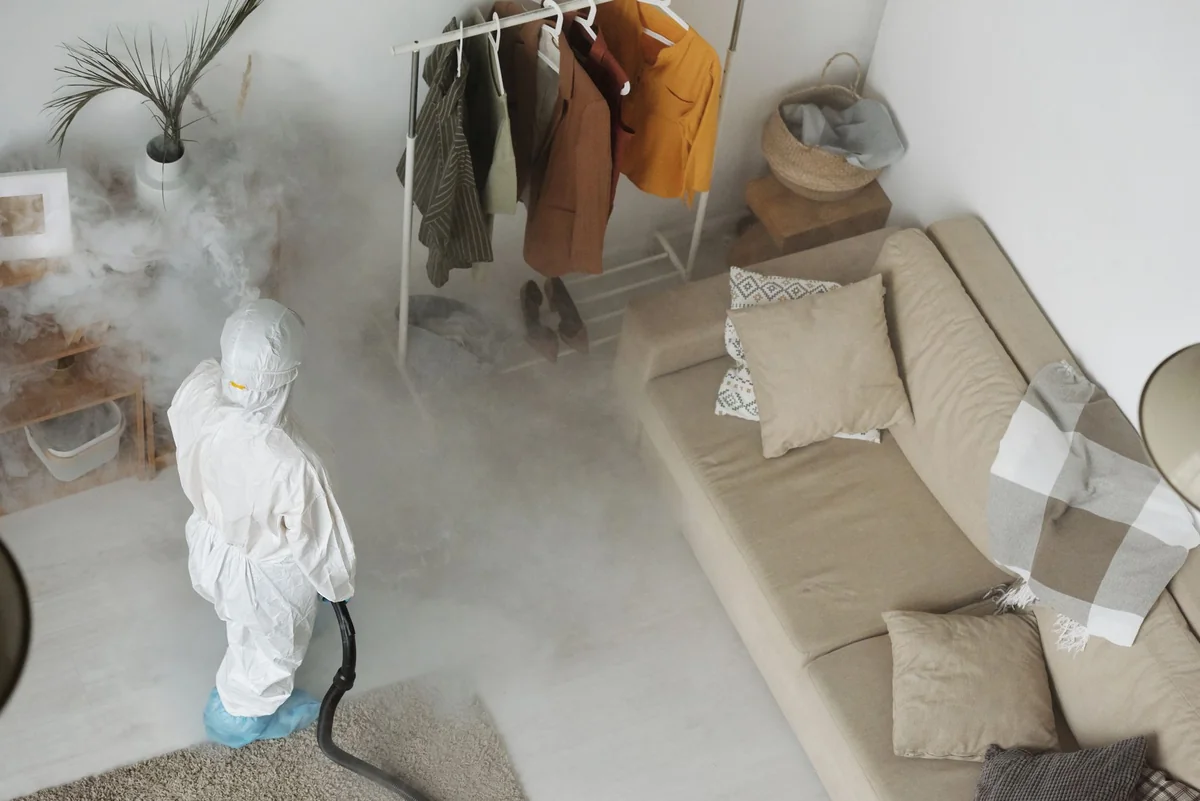
Bedbugs vs cockroaches: two different fights
People lump them together as "bugs," but bedbugs and cockroaches are two separate problems with two separate fixes, and knowing which one you have changes how you sell.
Bedbugs are a stubbornness problem. They hide in mattress seams, headboards, and baseboard cracks, and they are notoriously hard to fully eliminate. A single treatment rarely finishes the job, which is why pros usually do multiple visits or a whole-home heat treatment. The catch that scares buyers: bedbugs travel. They hitch a ride in luggage, in used furniture, in a box of belongings, so a buyer worries about carrying them into their next place. The federal EPA guidance on bed bugs is blunt about how persistent they are, which is worth reading before you promise anyone a one-and-done fix. The upside: bedbugs do not signal that anything is wrong with the house itself. They are a hitchhiker, not a symptom.
Cockroaches are more of a message. Roaches show up where there is moisture, food, and a way in, so a heavy roach problem often points at a plumbing leak, poor sanitation from a prior tenant, or gaps a house has around pipes and doors. They are also a real health concern: roach droppings and shed skins are a known asthma and allergy trigger, which the CDC ties directly to indoor allergens. Treating roaches usually means killing the bugs and fixing the thing that invited them, the drip, the crumbs, the gap under the door. Do only the first and they come back.
Fleas (usually from a past pet) and ants round out the usual indoor list. Neither one wrecks a house, but both empty a showing just as fast, and both are treatable. The point of sorting out which bug you have is simple: bedbugs are a persistence-and-stigma problem, roaches are a moisture-and-health problem, and the fix, the timeline, and what you tell a buyer all change depending on which one is walking your baseboards.

What Iowa makes you disclose, and the question you cannot dodge
Here is the part sellers most want to skip, and the part that will burn you if you do. Iowa asks most sellers to hand the buyer a written property condition disclosure statement, and a known active infestation that affects the property is generally a material fact that belongs on it.
Read that carefully, because two words carry the weight: known and active. The disclosure asks about what you actually know. A live bedbug or roach problem you are aware of is exactly the kind of thing a buyer would want to know about, so leaving it off is the risky move. A problem you treated and resolved months ago is a different conversation, and it is worth being straight about that history too. When in doubt, tell your closing attorney or the person handling the paperwork and let them guide what goes on the form, rather than guessing.
Two things people get wrong, so let me say them plainly:
- As-is does not mean silent. Selling as-is means you are not agreeing to make repairs. It does not mean you get to hide a problem you know about. You can sell as-is and still owe an honest disclosure.
- A direct question cannot get a dishonest answer. If a buyer looks at you and asks, "have you had bedbugs?" you cannot lie about it. Ducking a known problem you were asked about directly is how sellers end up in a lawsuit after closing.
The practical reason to disclose is not just avoiding trouble, it is protecting the deal. A buyer's inspector is going to go looking, and a live infestation is one of the easier things to find. If it shows up on their report after you swore the house was clean, the deal usually dies right there, and now you have a canceled sale and a disclosure problem. Telling the truth up front costs you a harder conversation and saves you a collapsed closing. For the fuller picture of what your obligations look like on a rough house, here is how selling a house as-is in Iowa actually works, and what it does not let you skip.

Your three options, and how a cash offer is built
Whatever is crawling in there, there are three honest ways to sell. Here they are straight, with the catch on each.
1. Treat, then list
Bring in a licensed pest company, get the infestation treated (multiple visits for bedbugs, and fix the moisture or sanitation issue for roaches), haul out any ruined furniture, deep-clean, and then list on the open market. This is the play when the problem is contained and you have the time and cash. Done right, it gets you the strongest price, because you are handing a buyer a solved problem with receipts. The catch is money up front and patience: bedbug treatment in particular is rarely one visit, and you may need weeks of follow-up before you can honestly call it clean.
2. Sell as-is on the MLS
List the house as-is, disclose the infestation, and let a buyer take it on at a price that reflects the work. You skip the treatment spend, but you are fishing in a smaller pond: buyers willing to take on a house with a live pest problem, and financed ones whose lender or insurer may balk at an active infestation. It can work when the bones are good and the problem is light. On a heavy infestation, especially bedbugs that need furniture tossed and multiple treatments, as-is on the MLS often turns into the slow road to the same cash buyer you could have called first. Before you spend a dime, it is worth reading what not to fix when selling a house in Iowa, because pest and cosmetic work is one of those places where the money in and the price back rarely line up.
3. Sell as-is to a cash buyer
Sell directly to a cash or investor buyer who prices the bugs and the cleanup in and handles the treatment, the furniture, and the follow-up themselves. You get less than a polished retail number, and I will not pretend otherwise. That is the honest trade. In exchange you chase no pest company, wait out no treatment cycles, toss no couches, and skip the lender and insurer conditions that sink financed deals over a live infestation. You pick the closing date, and a cash sale can close in as little as 7 days. On a house whose infestation is blocking a financed sale anyway, this often nets closest once you subtract the treatment, the cleanup, the carrying months, and the risk.
| Option | Best when | The catch |
|---|---|---|
| Treat, then list | Problem is light and contained, you have time and budget | Cash up front and patience, bedbugs rarely take one visit |
| Sell as-is on the MLS | Bones are good, the infestation is minor and disclosed | Small buyer pool, lender and insurer pushback, deals that stall at inspection |
| Sell as-is for cash | Heavy infestation, furniture to discard, tight timeline, no budget | Lower price traded for speed, certainty, and zero more spend |
Here is how a fair cash buyer builds the number, so it is not a mystery. We start with the after-repair value (what the house is worth in good shape), then subtract the cost to deal with the pests (treatment, follow-up visits, hauling furniture, any moisture repair a roach problem points to), the holding and selling costs, and a margin to make the risk worth it. That is why the offer lands under a polished retail price, and also why a heavy, active infestation widens the gap. No games, just arithmetic. And I mean it about the honesty: even if a cash sale is not your smartest move, I will look at it and tell you so. If you want to see how the whole thing runs start to finish, walk through how the process works, and here is where I buy houses across Iowa.
One more thing, because the terms get blurred: a bug infestation is not the same beast as an animal infestation in your attic (bats, raccoons, and the wiring and biohazard cleanup that come with them), and it is nowhere near termite damage, which actually eats the wood the house stands on. Bedbugs and roaches are a treatment and a disgust problem. They do not weaken the structure. Knowing which of the three you are dealing with keeps you from overpaying for a fear that does not fit your house.
The bottom line
Selling a house with a bug infestation in Iowa is not a dead end, it is a fear you have to take apart first. The structure is almost always fine: bedbugs and roaches are a treatment bill and a timing problem, not a wrecked house. Sort out which bug you have (bedbugs are a persistence-and-stigma fight, roaches are a moisture-and-health fight), get a real quote instead of a guess, and disclose what you know on your Iowa form. Then pick your lane: treat and list for the top price, sell as-is on the MLS, or sell as-is for cash and hand the whole problem over.
If you want the honest math on your specific house, bugs and all, tell me about it and I will send a fair, no-obligation cash offer within 24 hours, with no pest company to chase, no follow-up visits to wait out, and no fee. I have spent six years in Iowa real estate and bought well over 100 homes across the state, and if treating and listing is your smarter move, I will tell you that too.
Selling a house with a bug infestation: FAQ
Can you sell a house with a bug infestation in Iowa?
Yes. You can sell a house with bedbugs, cockroaches, fleas, or ants in Iowa. Indoor pests do not damage the structure the way termites or water do, so the house itself is usually sound. What they hurt is the sale, because they empty showings and often need professional treatment before most financed retail buyers will close. You have three honest routes: hire a licensed pest pro to treat it, then list; list as-is on the MLS with the problem disclosed; or sell as-is to a cash buyer who takes the bugs and the cleanup off your plate.
Do I have to disclose bedbugs or roaches when selling a house in Iowa?
Yes, if you know about it. Iowa asks most sellers to fill out a written property condition disclosure, and a known active infestation that affects the property is generally a material fact that belongs on it. Selling as-is does not erase that duty: as-is means you are not agreeing to make repairs, not that you can stay quiet about a problem you know about. And if a buyer asks you a direct question about pests, you cannot answer it dishonestly. Disclosing up front also keeps the deal from blowing up when the buyer's inspector finds what you left off the form.
Do bedbugs or cockroaches lower a home's value?
Usually less than sellers fear, but the disgust does real damage to your buyer pool. The treatment itself is a knowable, boundable cost a pest company can quote, plus tossing any infested mattresses or upholstered furniture. The bigger hit is buyer psychology: people assume the bugs are everywhere and permanent, so they walk or lowball far past the actual treatment cost. Bedbugs also carry a stigma that scares buyers more than roaches do, even though roaches are the bigger health concern. Separating the real cost from the imagined one, in writing, shrinks the discount buyers try to take.
Can you sell a house with bedbugs without treating it first?
You can, but your buyer pool shrinks to as-is and cash buyers. Most financed retail buyers, and often their lender and insurer, will not close on an active infestation, and it will surface at inspection anyway. Bedbugs are notoriously hard to fully eliminate and can travel home in a buyer's belongings, so a live problem makes retail buyers nervous fast. If you do not want to pay for treatment or wait out multiple visits, selling as-is to a cash buyer who prices the treatment in is usually the cleaner path than listing an untreated house on the open market.
Is it better to exterminate first or sell as-is to a cash buyer?
It depends on your time, your cash, and how bad it is. If the infestation is light and you can afford the treatment and the follow-up visits, treating first and listing can get you the strongest price. If it is heavy, you need to discard furniture, or you cannot wait through multiple treatments, selling as-is often nets closer than it looks once you subtract the cost, the carrying months, and the risk of a financed deal falling apart. A cash buyer prices the pests and the cleanup in and closes without a lender in the way.