Are 'we buy houses' companies legit? An honest answer
There is a specific genre of yard sign that has never once been printed in a calm font. "WE BUY HOUSES. ANY CONDITION. CASH," usually in a color that suggests it was made in a hurry and zip-tied to a stop sign at a slight angle. Maybe you got the flyer, or the postcard, or an "I'd love to buy your home" text from a number you don't recognize. Now you're reading "we buy houses reviews" and "we buy houses ripoff" with the wariness of someone who has been burned before, trying to figure out if these people are your real way out or just a slicker way to get fleeced. Fair question. Let's answer it honestly.
I'll say this as someone who buys houses for cash in Iowa for a living: most "we buy houses" companies are legit, a few are sharks, and the difference is easy to spot once you know what to look for. The catch is that even the honest ones buy at a discount on purpose. So "legit" and "the most money" are not the same thing, and pretending otherwise is its own kind of dishonesty.
Because here's the reframe that matters: "is it a scam" is the wrong question. The better one is "is this a fair deal for my situation," and to answer that you have to know how these companies actually make money. Let's open the hood.
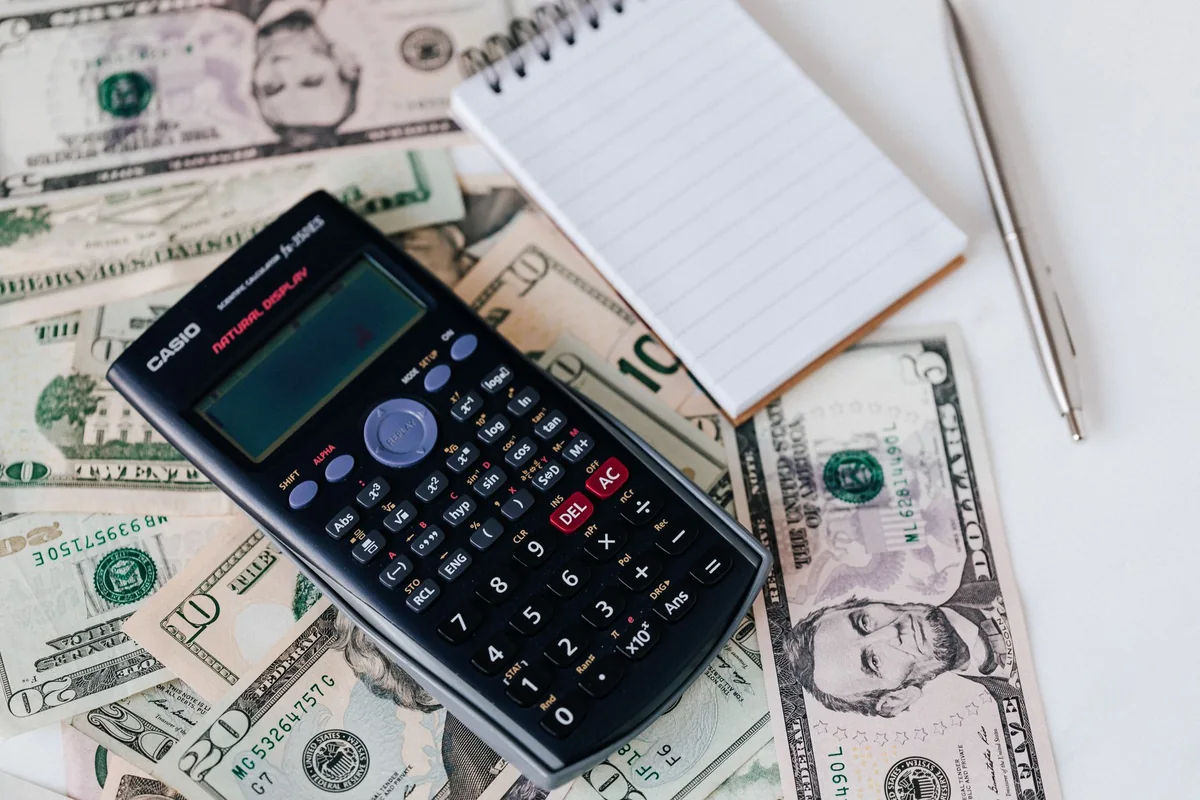
How a "we buy houses" company actually makes money
A cash buyer is not a charity, and any of them who pretend otherwise are the ones to worry about. The business is simple: buy a house below market, cover the repairs, then either resell it or rent it out. The rule of thumb across the industry is that a fair cash offer lands somewhere around 60 to 80% of a home's after-repair value (what it'll be worth fixed up), minus the actual cost of those repairs.
Put as a formula, an honest offer is: after-repair value, minus repair costs, minus the buyer's holding and selling costs, minus a margin. That's the whole thing. The reason the number comes in under full retail isn't a trick, it's that the buyer is taking on the renovation, the months of carrying costs, and the risk that you'd otherwise carry yourself. That is the trade you're making: some top-line dollars in exchange for speed, certainty, and never lifting a hammer. A company that buys "we buy houses any condition" is pricing in a lot of unknowns, which is exactly why they can take the broken water heater and the roof you've been ignoring.
None of that is a ripoff. The ripoff is hiding the math, or quietly using a lowball after-repair value so the discount is bigger than it looks. Which brings us to the part you actually came for.

The red flags of a "we buy houses" ripoff
The bad actors in this business tend to use the same handful of moves. Learn these four and you'll spot a "we buy houses ripoff" from across the room.
1. Upfront fees of any kind. A real cash buyer is the one with the capital. If anyone asks you for money to "process," "hold," or "guarantee" the deal, stop there. You never pay to sell your house. Ever.
2. The last-minute price drop. This is the classic. They lock you into a contract at a great number, send an "inspector," discover a pile of "unexpected issues," and slash the offer right before closing, when you've already mentally spent the money and told everyone you're moving. A fair buyer's number can adjust for something genuinely major and undisclosed, but it should not nosedive the week of closing.
3. The contract they never intended to honor. Some "buyers" aren't buyers at all. They put your house under contract at a low price, then shop that contract around to a real investor for a markup. This is called wholesaling, and it's legal, but if nobody told you it was happening, you're not dealing with the buyer, you're dealing with a middleman who is profiting off the gap. Always ask: are you the one actually buying this, or are you assigning the contract to someone else?
4. Pressure. "This offer expires in 24 hours." A buyer who is confident in their number does not need to corner you. Urgency is a sales tactic, not a fact about your house. The CFPB and the FTC's consumer advice both flag high-pressure tactics and upfront fees as the classic signatures of a scam, in real estate and everywhere else.
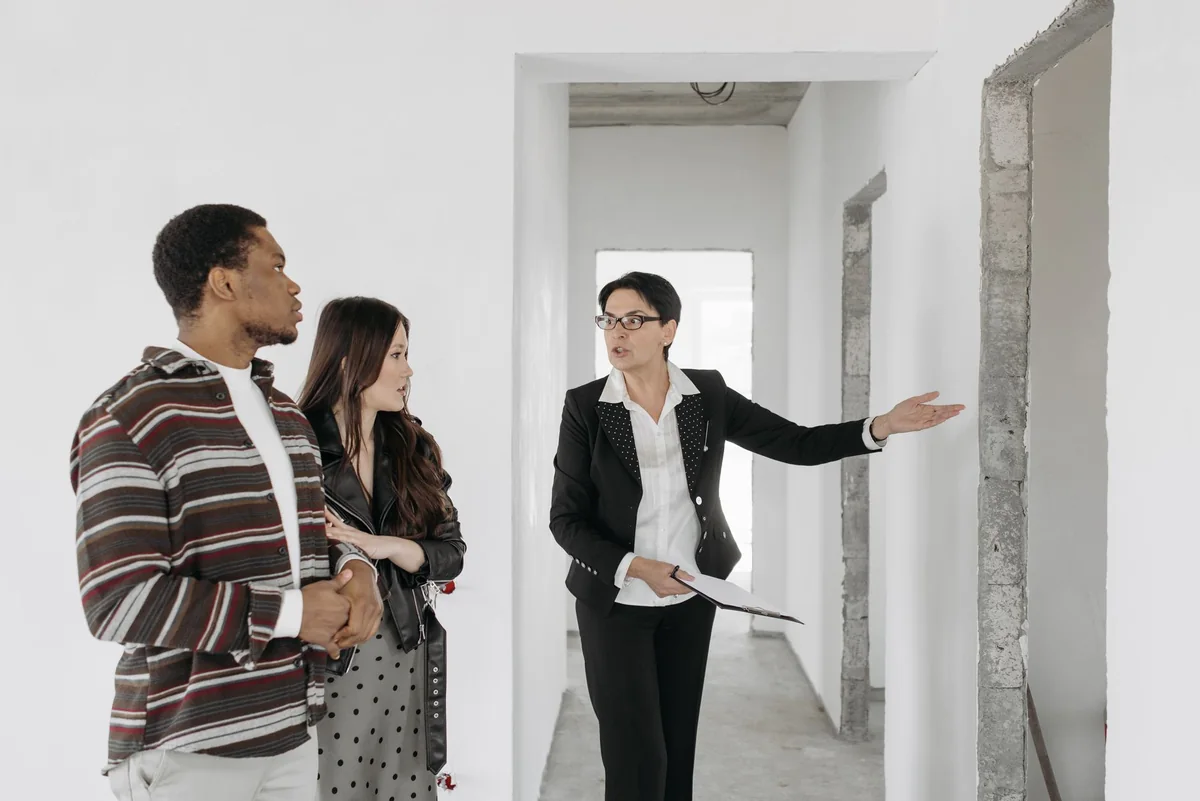
How to tell an honest buyer from a shark
You don't need to be a real estate expert to vet a cash buyer. You need five questions, and you need to watch how they react to them. A legit buyer answers all of these without flinching:
"Are you the actual buyer, or are you assigning this contract to someone else?" "How did you get to this number, what after-repair value and repair estimate are you using?" "Can the price change after I sign, and under exactly what conditions?" "Are there any fees on my side at all?" And the big one: "Can I have my own attorney or a title company review the contract before I sign?" A real buyer says yes to that last one instantly, because they have nothing to hide. A shark suddenly remembers somewhere else to be.
Beyond the questions, do the boring stuff: read their reviews, confirm they're a real local business and not a burner number, and never send money to receive money. It's the same instinct that protects you everywhere else.
An honest cash offer is a math problem you can check. If a buyer won't show you the math, or gets cagey about who is actually buying the house, you already have your answer.

When selling to a cash buyer is actually smart
Here's the honest part most of these companies won't tell you: a cash sale is the right move for some people and a bad one for others. It's smart when speed and certainty matter more than squeezing out the last dollar. That's a looming foreclosure, an inherited house two states away that you can't maintain, a place that needs more work than it's worth, a divorce that needs a clean line drawn through it, a job that's moving you next month, or a rental you're just done being the landlord for. It's also the answer for the houses no agent wants to list because they're too rough.
It is not the smart move if your house is in good shape, you're not in a hurry, and the market is moving. In that case, list it. You'll almost certainly net more, and the extra few weeks are worth it. Anyone who tells you a cash sale is always the best option is selling, not advising. If you want the full breakdown of every way to sell quickly, I wrote a whole guide on how to sell your house fast in Iowa.

How I do it, and what to hold me to
I'll tell you exactly how I run Sam's Estates, because the whole point of this article is that you should be able to hold any buyer to a standard. When I make an offer on an Iowa house, you're dealing with me, a local guy, not a national call center. I'll walk you through the math: the after-repair value I'm using, the repair number I subtracted, all of it. I am the actual buyer, not a middleman flipping your contract to a stranger. There are no upfront fees, not now, not ever. The number I give you is the number, and I don't run the last-minute switch. And if a cash sale isn't your best move, I'll say so on the first call.
That's not a marketing line, it's how I got here. My first deal, at 20, was the worst house on the block right next to Ames High. I cleaned it out myself, fixed it up, and a family bought it whose kids walk to that school today. Fixing the worst house on a street puts money back into a neighborhood, it doesn't pull it out. A hundred-plus houses later, that's still the deal. If you want to see what an honest, no-pressure number looks like, you can get a cash offer here and check my math yourself.
The bottom line
"We buy houses" isn't a scam, but it isn't magic either. The legit companies are a fast, certain, sell-it-as-is way out, at a fair discount that pays for the speed. The ripoffs give themselves away with upfront fees, last-minute price drops, contract games, and pressure. So ask how they got their number, ask if they're the real buyer, read the reviews, and never pay a dime to sell your own house.
If you're anywhere in Iowa and you want a cash offer from someone who will hand you the math instead of a sales pitch, tell me about your house and I'll get you a fair number within 24 hours. Stack it against your other options and decide with your eyes open. That's the only kind of deal worth doing.
Are "we buy houses" companies legit? FAQ
Are "we buy houses" companies legit?
Most are real businesses that buy houses below retail because they take on the repairs and risk, not scams. A minority do run ripoffs. The legit ones explain how they reached their offer, charge no upfront fees, and don't change the price at the last minute.
How much do "we buy houses" companies pay?
Typically around 60 to 80% of a home's after-repair value, minus the estimated cost of repairs. You give up some top-line price in exchange for speed, certainty, and paying no commissions, fees, or repair bills.
What are the red flags of a "we buy houses" scam?
Upfront fees of any kind, an offer that drops right before closing after an "inspection," high-pressure deadlines, and a "buyer" who is actually assigning your contract to someone else instead of buying it themselves.
Do cash home buyers charge any fees?
A legitimate cash buyer charges you nothing. No commissions, no listing fees, and they typically cover the closing costs. If anyone asks you for money up front to sell your house, walk away.
Is selling to a "we buy houses" company worth it?
It's worth it when speed and certainty matter more than the last dollar: foreclosure, an inherited or rough house, a fast move, or a tired-landlord situation. If your home is in good shape and you have time, listing it will usually net more.