Selling a house with a failed septic system in Iowa

A septic system is the one part of your house that everyone hopes to never think about. Then the buyer's inspector is standing in your backyard, clipboard in hand, toeing a soft green patch of grass that has no business being that lush, and your whole sale is suddenly hanging on what is buried six feet down. Selling a house with a failed septic system feels like the deal just died in the yard. It did not. It moved into a lane most sellers have never driven, and in Iowa there is a specific rule that decides how it goes.
Here is the honest version. You can absolutely sell a house with a failed septic system in Iowa. What changes is the paperwork and the buyer pool. Iowa law requires the private septic or on-site wastewater system to be inspected at the time the property transfers, and if it fails, the buyer and seller have to agree in writing who will bring it into compliance, by repair, by replacement, or by connecting to public sewer. A cash buyer can take that obligation on and buy the house as-is. A financed buyer usually cannot.
A failed septic is expensive to fix, and Iowa will not let the sale close until someone commits, in writing, to dealing with it. That someone is either you or your buyer, and which one it is decides how fast and how cleanly the house sells.

Why a failed septic stalls a normal sale
A lot of Iowa homes, especially in the country and on the edges of town, run on a private septic system and a well instead of city utilities. When that system works, nobody gives it a thought. When it fails, it turns into the single biggest sticking point in the sale, and here is why.
First, it scares buyers. A failed septic is not a cosmetic ding. It can mean raw sewage backing up into the basement or surfacing in the yard, which is a genuine health hazard, not just a repair line item. Buyers hear "septic problem" and picture a bottomless pit of cost, because they have no idea if it is a two-thousand-dollar fix or a twenty-five-thousand-dollar replacement. Uncertainty is what kills deals, and a bad septic is pure uncertainty.
Second, and this is the part that quietly does the damage, it scares lenders. When a buyer needs a mortgage, the lender sends an appraiser who flags health and safety problems, and a non-functioning septic is right at the top of that list. Government-backed loans are the strictest: FHA, USDA, and VA loans, which a lot of first-time and rural Iowa buyers use, hold the property to minimum standards for safety and soundness. A failing septic fails that test, and the underwriter can require it be fixed before closing. Guess who is expected to make that happen? You, on a house you are trying to leave.
Add it up and the buyer pool narrows fast. The financed buyers who loved the house trip on the appraisal, and what is left is people who can pay cash: investors, contractors, and buyers like me who price the repair in on purpose. That is not a scare tactic. It is just where the road narrows on a house with a big-ticket problem. (I have watched a septic report empty a showing schedule faster than a leaking roof ever did.)

Iowa's time-of-transfer septic inspection rule
This is where Iowa is genuinely different, and where most national "how to sell a house with a bad septic" advice will steer you wrong. Do not copy the generic playbook here, because Iowa has a rule the big sites never mention.
Under Iowa Code 455B.172(11), a home served by a private septic or on-site wastewater system has to have that system inspected at the time the property is transferred. This is Iowa's "time of transfer" inspection, and it has to be done by a certified inspector, with the results filed. Homes already hooked up to a public sewer are exempt, because there is no private system to check. The state keeps this framework so that failing septic systems get caught and corrected when a house changes hands, instead of quietly polluting groundwater for another twenty years.
So what happens if the inspection fails? The sale is not blocked outright. Instead, the buyer and seller have to put a plan in writing. In practice that usually means one of a few things: the system gets repaired or replaced, the property gets connected to a public sewer if one is available, or the parties file a binding agreement and place money in escrow so the work gets completed within a set window after closing. The point is that Iowa wants a documented plan on file, not a problem swept under a rug.
In most states, a septic problem is strictly between you and the buyer. In Iowa, the state has a seat at the table, and the sale does not truly close the book until the system passes or a compliance plan is on file.
One honest caveat, because I would rather you double-check than take my word as gospel: the exact requirements, timelines, and any local add-ons are administered at the county level. Before you plan around any of this, confirm the current details with your county board of health or the Iowa DNR's time-of-transfer program. Rules get updated, and your county may run its own version of the process.
Your options when the septic fails
There is no universal right answer here, only the one that fits your house, your budget, and your deadline. Here are the four real paths, straight, with the catch on each.
1. Repair or replace it before closing
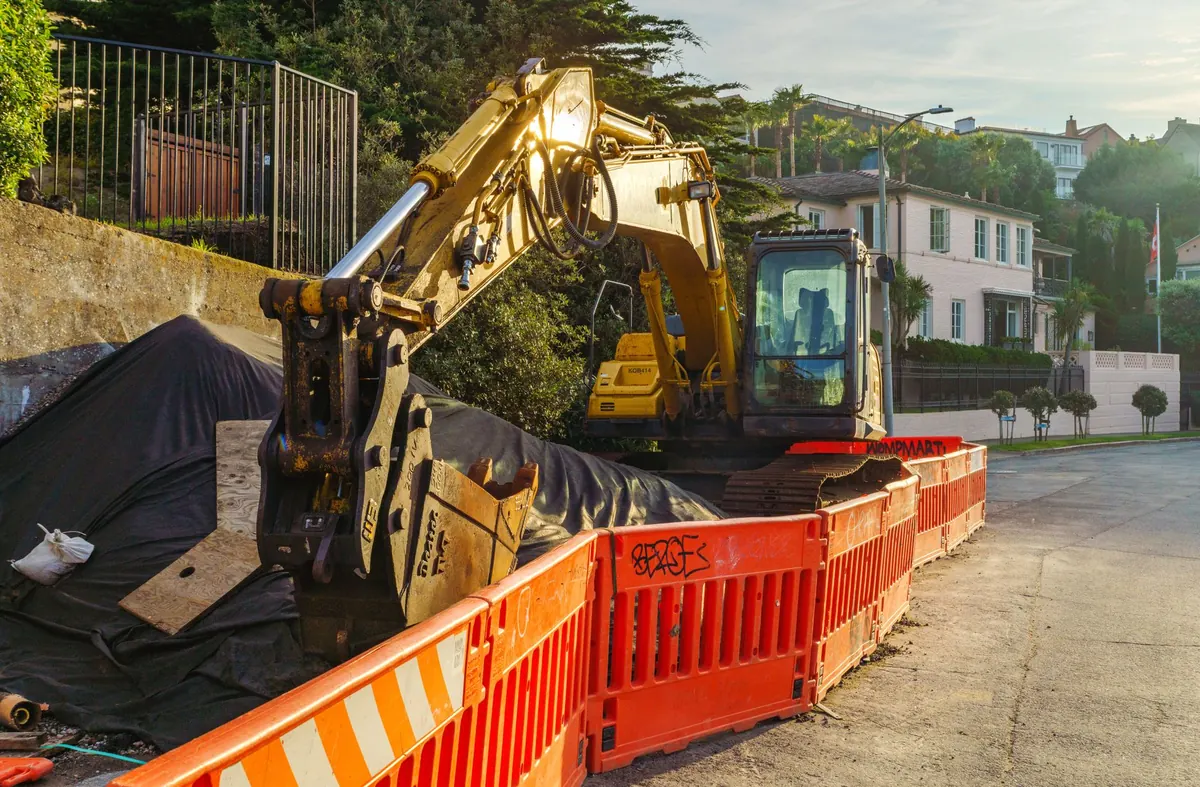
Bring in a certified installer, fix or replace the system, pass the inspection, and sell on the open market like nothing happened. On a house that is otherwise sound and financeable, this opens the door back up to every mortgage buyer, which is where the most money lives. The catch is the cash and the calendar. A replacement, especially an engineered or mound system on tough soil, is not a weekend job, and you are fronting the money on a house you are leaving.
2. Negotiate a credit or escrow
Leave the system as-is and handle it in the contract instead. That can be a price reduction that lets the buyer do the work, or Iowa's escrow route, where funds are held and a binding agreement is filed so the repair happens within a set window after closing. This keeps the deal moving without you personally managing a dig. It works best when the buyer is committed and the numbers are clear.
3. Connect to public sewer
If a public sewer line is available at the property, connecting to it can satisfy the requirement and permanently retire the septic headache. This is situational and often expensive, but on the right lot it is the cleanest long-term fix, and appraisers and future buyers love a home on city sewer.
4. Sell as-is to a cash buyer
Sell directly to a cash or investor buyer who prices the septic work in and, by agreement, takes on the compliance obligation. You get less than a fixed-up retail price. That is the honest trade, and I will not dress it up. In exchange, you pay for zero repairs, skip the dig entirely, and get certainty that the deal closes, because there is no lender to say no. Selling as-is does not erase the inspection or your duty to disclose, so read up on what selling a house as-is in Iowa actually means before you assume it wipes the slate clean.
| Path | Best when | The catch |
|---|---|---|
| Repair or replace first | House is sound, you have cash and time | You front thousands and manage the work before you can sell |
| Credit or escrow | Buyer is committed and the numbers are clear | Requires a cooperative buyer and a filed agreement |
| Connect to public sewer | A sewer line is available at the lot | Often costly, and only possible where service exists |
| Sell as-is for cash | Tight timeline, no repair budget, want it done | Lower price in trade for speed, certainty, and zero dig |

How a cash buyer prices a failed-septic house
People assume a cash offer on a rough house is a number pulled out of thin air. It is not. Here is how a fair one gets built, so it stops feeling like a mystery: we start with the after-repair value, what the house is worth once it is fixed and financeable, then subtract the repairs, the holding and selling costs, and a margin that makes the risk worth taking. The offer lands under retail because all of that comes out first, and a failed septic is one of the bigger line items in that subtraction.
That is also why the septic matters more than a coat of paint ever will. A cosmetic problem shaves a little off the number. A financing-killer like a bad septic, or a shifting foundation, or serious water damage, moves the whole equation, because the buyer has to carry both the cost and the compliance obligation. If your house is stacking up more than one of those, it is worth understanding how the big ones interact. The same math shows up when you are selling a house with foundation problems in Iowa or trying to sell after water damage, and a septic issue often travels with a wet basement.
The upside of the cash route is what you are not paying for: no repair bills, no months of carrying costs, no commission, no showings, and no lender who can walk at the appraisal. On a house that a bank will not finance anyway, a cash sale often nets closer to a fixed-up listing than sellers expect, once you subtract the repair, the escrow, and the waiting. If you want to see the whole thing end to end, here is how the process works, and here is where I buy houses across Iowa.
One honest note, because it is how I run things: sometimes a cash sale is not your best move, and I will tell you that to your face. If your septic is a cheap repair and you have time, listing will likely net you more, and I would rather say so than talk you out of money. I am one more option, not the only one.
The bottom line
Selling a house with a failed septic system is not the dead end it feels like when the inspection comes back bad. It is a different game, because Iowa's time-of-transfer rule means the system has to be dealt with, in writing, before the house fully changes hands. Sort out which path fits: a cheap repair on a sound house points you toward fixing it and listing, while a big replacement on a house you need to be done with points you toward a cash buyer who takes the whole problem off your plate. And whatever a national blog told you, confirm the specifics with your county board of health or the DNR, because in Iowa the details are local.
If you want the honest math on your specific house, failed septic and all, tell me about it and I will send a fair, no-obligation cash offer within 24 hours, with no repairs, no cleanout, and no fee. I buy houses across the Des Moines metro and the rest of Iowa, and if listing is your smarter move, I will tell you that too.
Selling with a failed septic: FAQ
Can you sell a house with a failed septic system in Iowa?
Yes. You can sell a house with a failed septic system in Iowa. Iowa law requires a time-of-transfer inspection of the private septic system, and if it fails, the buyer and seller agree in writing who will bring it into compliance by repair, replacement, or connecting to public sewer. A cash buyer can take that obligation on and buy the house as-is. A financed buyer usually cannot, because most lenders will not fund a loan on a home with a failing septic.
Does Iowa require a septic inspection when you sell a house?
Yes, for homes on a private septic or on-site wastewater system. Under Iowa Code 455B.172(11), the system must be inspected by a certified time-of-transfer inspector at the time the property transfers. Homes already on a public sewer are exempt. Always confirm the current rules and any local requirements with your county board of health or the Iowa DNR, since details can change.
Who pays to fix a failed septic system when selling a house?
That is negotiable between buyer and seller, and it is one of the biggest things you will settle in the contract. The seller can repair or replace it before closing, the parties can agree to a price reduction or place funds in escrow so the buyer completes the work within a set window, or a cash buyer can accept the compliance obligation and take the house as-is. There is no single rule that forces the seller to pay.
Can I sell a house as-is if the septic system failed?
Yes. You can sell as-is, but as-is does not erase Iowa's time-of-transfer inspection or your duty to disclose known problems. It means you are not agreeing to make the repairs yourself. A cash or investor buyer who prices the septic work into the offer and takes on the compliance obligation is usually the buyer who can actually close on an as-is failed-septic house.
How much does it cost to replace a septic system in Iowa?
It varies a lot with the site and system type. A straightforward repair can be a few thousand dollars, while a full replacement, and especially an engineered or mound system on poor soil, commonly runs into the tens of thousands. Get bids from a certified installer before you assume a number, because soil, size, and layout swing the cost more than anything else.