Selling a house where someone died in Iowa
Every house has a history. A few carry a history a buyer will ask about directly. The estate is mostly settled, the furniture is gone, the keys are sitting on the counter, and the one question you keep bracing for is whether you have to tell a stranger that your mom, or your dad, or your husband passed away in the back bedroom. Selling a house where someone died sits in a strange spot: it feels like it should be complicated and a little shameful, and in Iowa it is usually neither.
Here is the honest version. A peaceful, natural death in a home is generally not something Iowa law forces you to disclose the way you would disclose a leaking roof, because a death does not physically damage the house. The big exception is an unattended death or a trauma scene that needs professional cleanup, which is a real cost and a real physical issue. Rules do change, so confirm the current Iowa specifics with an attorney, and know that even when no disclosure is required, lying when a buyer asks you point-blank is a different matter.
What makes this sale heavy is rarely the law or even the buyers. It is doing all of it while you are still grieving, and knowing which facts you actually owe a stranger and which ones are simply yours.
Do you have to disclose a death in Iowa?
This is the question that keeps people up, so let me answer it plainly. In most cases, no. Iowa, like a lot of states, treats a death in a home as what the industry calls a psychological or stigma fact, not a material defect. A material defect is a physical problem with the property: the roof, the furnace, the foundation, the wiring. A death, sad as it is, changes none of those things. The house is the same house.
Iowa does ask most sellers to fill out a written property condition disclosure statement, but read what it actually covers: the physical systems and known defects of the building. It is not a place to confess the home's emotional history. The seller disclosure is built around the condition of the property, and a peaceful death is not a condition of the property. So under normal circumstances, you are not required to volunteer it.
Two honest caveats, because I would rather you hear them from me than from a lawyer after the fact. First, disclosure rules get amended, and details vary by situation, so confirm the current Iowa specifics with a real estate attorney before you sign anything. Second, not required to volunteer it is not the same as free to lie about it. If a buyer looks you in the eye and asks whether anyone died in the house, the safe and decent answer is the true one. There is a real legal line between staying quiet and actively misrepresenting, and it is not one worth flirting with over a house you are trying to leave behind. If the sale is moving through an Iowa probate process, your attorney is already in the loop and can settle any of this in a two-minute phone call.
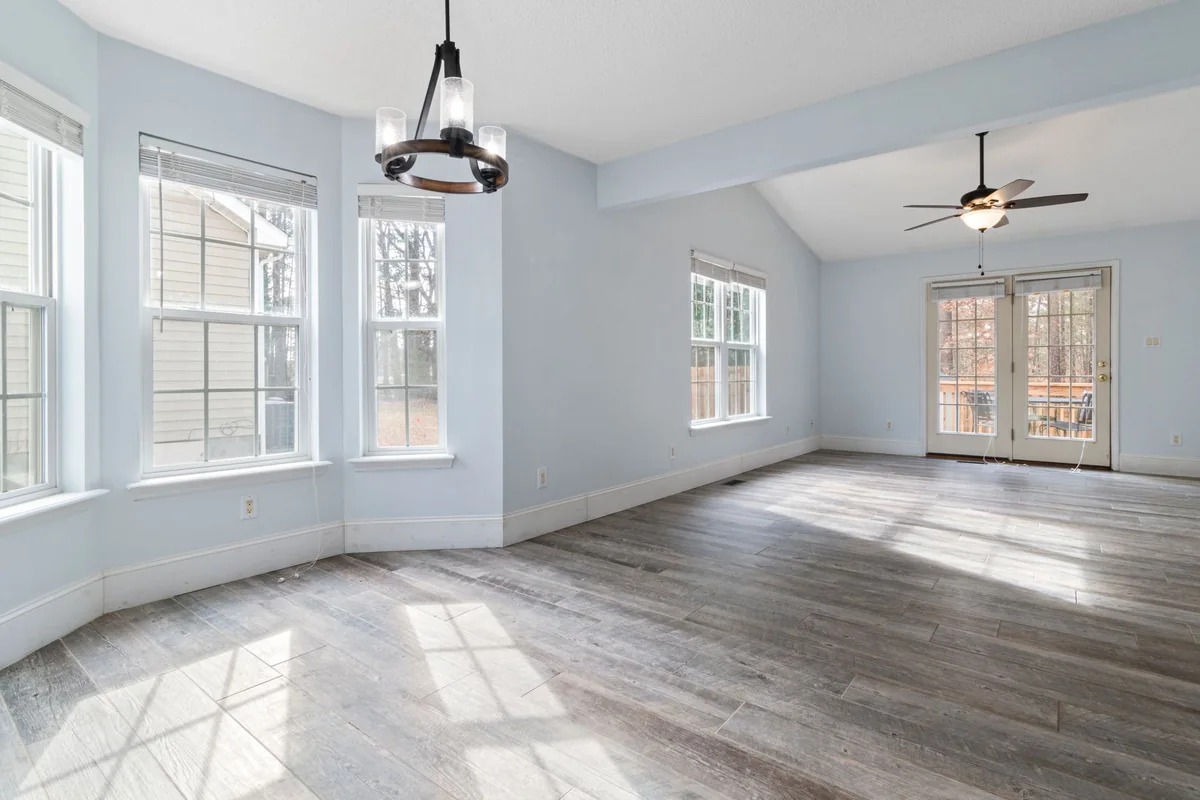
A peaceful death vs. a scene that needs cleanup
Here is the distinction that actually matters, and the one most articles skip. There is a world of difference between a peaceful passing and a scene that needs a professional.
A natural, quickly discovered death (hospice at home, a heart attack, someone who slipped away in their sleep and was found soon after) leaves no physical mark on the property. Nothing to clean beyond a normal deep clean, nothing to remediate, nothing to fix. The house is structurally and hygienically identical to any other house on the block. This is the common case, and it is the one where the whole thing is more feeling than fact.
An unattended death, a death involving trauma, or one where a lot of time passed before discovery is a different animal. That can create a genuine biohazard, and it belongs in the same mental bucket as water or fire damage: a real, physical, costs-money problem. This is not a job for a mop, a candle, and a brave face. Bloodborne pathogens are regulated for a reason, and OSHA sets the standards professionals follow. Call a licensed biohazard remediation company and let them handle it properly.
A peaceful death is a story the house carries. A scene left uncleaned is a repair the house needs. Only one of them shows up on an inspection.
Why does this split matter so much for selling? Because it tells you which problem you are actually solving. If it was peaceful, your only real task is helping a buyer see a blank slate. If there was a scene, you have physical work to do first, and it is worth doing right, the same way you would not paint over water damage and call it fixed.
Why some buyers hesitate (and why the house is fine)
Even when there is zero physical issue, a death in a home can still slow down an open-market sale. Not because anything is wrong with the house, but because a slice of buyers get superstitious. Some cultures and individuals feel strongly about it. A few will walk once they hear the story, no matter how nice the kitchen is.
That is real, and it is worth planning for, but keep it in proportion. The pool shrinks a little, it does not vanish. For every buyer who feels uneasy, there is another who does not care in the slightest, or who quietly figures every older home has seen a life or two end under its roof. That is not a morbid thought. It is just how old houses work, and central Iowa has a lot of good old houses.
Financing usually is not the hurdle here, which is the key difference from a rough house. A lender cares about the appraisal and the condition of the collateral, and a peaceful death does not touch either one. So unlike a home with a dead furnace or a cracked foundation, a stigmatized-but-sound house can still attract normal mortgage buyers. Your job is mostly emotional staging: fresh paint, new or cleaned flooring, bright light, and a home that feels like a fresh start instead of a memorial. If the house also needs real work on top of the story, that is a separate problem, and it is worth reading how selling a house as-is in Iowa actually works before you spend a dime.

Your options for selling, honestly compared
There is no single right answer, only the one that fits your house, your family, and how much you have left in the tank. Here are the three real paths, straight, with the catch on each.
1. Clean it up and list it
If the death was peaceful and the house is otherwise solid, a good deep clean, fresh paint, and updated flooring can hand a buyer a clean slate, and those are cheap relative to the payoff. List on the open market and, in most cases, you do not even have to raise the subject unless a buyer asks. On paper this earns the most. The catch is the time and the emotional toll: showings, strangers walking through your parent's home, and the odd buyer who passes on the story. If you have the bandwidth and the house is sound, this is often the highest-net move.
2. List it as-is
If you do not want to sink money or weekends into a home you are grieving in, you can list it as-is and let buyers take it in whatever state it is in. You skip the repair spend, but you fish in a smaller pond and should expect more negotiating. This can work fine on a sound house. It gets slower if the home also needs repairs, since then you stack the stigma on top of a shrinking, deal-hunting buyer pool.
3. Sell it as-is to a cash buyer
Sell straight to a cash buyer who takes the house exactly as it sits: the story, the contents, the dated kitchen, all of it. You will get less than a fully staged retail price, and I will not pretend otherwise. In exchange you pay for zero repairs, no cleanout, no showings, no commission, and you pick the closing date. For a lot of families after a loss, the value is not squeezing out the last dollar. It is being done, on their terms, without walking buyers through Mom's living room a dozen times. This is the lane I work in, and it pairs naturally with selling an inherited house in Iowa when the home came to you through an estate.
| Path | Best when | The catch |
|---|---|---|
| Clean up and list | Peaceful death, sound house, you have time and energy | Showings, months on market, the occasional squeamish buyer |
| List as-is | You want to skip the work but still test the open market | Smaller pool, more negotiation, slower if repairs pile up |
| Sell as-is for cash | You want it done fast, private, and with zero work | Lower price in trade for speed, certainty, and no cleanout |
Here is how a fair cash offer gets built, so it is not a mystery: start with the after-repair value (what the home is worth fully fixed up), then subtract the repairs, the holding and selling costs, and a margin that makes the risk worth taking. That is why the number lands under retail, and also why a peaceful death barely moves it, since the house needs no repairs on account of the story. No games, just arithmetic. If you want to see the whole thing end to end, walk through how the process works.
One promise, because it is how I run things: sometimes a cash sale is not your best move, and I will say so to your face. If the house is in great shape and you have time, listing will likely net you more, and I would rather tell you that than talk you out of money. I am here to be one more option, not the only one. If it is a fit, this is where I buy houses across Iowa.
The bottom line
Selling a house where someone died is not the legal minefield it feels like at first. In Iowa a peaceful death is generally not a required disclosure and does no damage to the home, so your real work is emotional, not structural: help a buyer see a fresh start, be honest if anyone asks, and get a real biohazard cleaned by pros if there ever was one. Confirm the current specifics with an attorney, then pick the path that fits your family.
If you would rather not stage it, clean it out, or walk buyers through a room full of memories, tell me about the house and I will send a fair, no-obligation cash offer within 24 hours, with no repairs, no cleanout, and no fee. Leave what you want to leave. I buy houses across the Des Moines metro and the rest of Iowa, and if listing is the smarter move for you, I will tell you that too. You can also just call 515-216-0652 and talk it through.
Selling a house where someone died: FAQ
Do you have to disclose that someone died in a house when selling in Iowa?
Generally, no. A natural or peaceful death in a home is usually treated as a psychological or stigma fact, not a physical defect, and many states including Iowa do not require you to disclose it the way you must disclose a bad roof or a wet basement. A death does not damage the house. Rules do change, so confirm the current Iowa specifics with a real estate attorney for your situation. And separate from any disclosure form, if a buyer asks you directly, answering honestly is the safe move.
Does a death in the house lower its value in Iowa?
Usually not much, and often not at all, for a peaceful death. Nothing about the house changed. Some buyers feel funny about it and a few will pass, which can mean a slightly smaller pool or a longer wait on the open market. Where value can take a real hit is an unattended death or a trauma scene that was not professionally cleaned, because then you have an actual physical and safety problem to fix, not just a feeling.
What is the difference between a peaceful death and one that needs cleanup?
A peaceful, quickly discovered death leaves no physical damage. The house is exactly as sound as it was the week before. An unattended death, or any death involving trauma or a long time before discovery, can create a genuine biohazard that needs professional remediation. That is a real cost and a real physical issue, closer to water or fire damage than to a stigma. If there is any doubt, bring in a licensed remediation company, not a mop and a good attitude.
Should I renovate before selling a house where someone died?
It depends on why the house feels hard to sell. If it is only the story attached to the home, fresh paint, new flooring, and a good clean go a long way toward helping a buyer see a blank slate, and they are cheap relative to the payoff. If there was a scene that needs remediation, handle that first with pros. If the house also needs major repairs, or you would rather not touch any of it while grieving, selling as-is to a cash buyer skips the work entirely.
Can you sell a house where someone died to a cash buyer fast?
Yes, and it is often the least stressful path after a loss. A cash buyer purchases the home as-is, story and contents and all, with no showings, no repairs, and no lender to satisfy, so a sale can close in as little as one to two weeks on a date you choose. In Iowa the abstract of title still has to be updated and examined, which adds a few days, and if the sale runs through an estate the court timeline can matter too.