Who pays property taxes when selling a house in Iowa?
Property taxes are the one bill that does not care whose name is on the deed this month. They keep accruing quietly in the background while you fix the gutters, argue about the list price, and pack the garage. Then they show up at the closing table to settle, which is usually the moment sellers finally ask who pays property taxes when selling a house.
The short answer: you both do, split by time. The seller covers the taxes that piled up while they owned the place, and the buyer covers everything from the closing date forward. Nobody mails a check to the county over it. It gets squared up as a line item on the closing statement, and in Iowa that line item is bigger than most sellers expect.
Iowa's tax calendar runs well behind real life, which means the taxes you settle at closing are for months you already lived in the house and never got a bill for. That gap is the whole story, and it's why the national articles on this topic will steer you wrong here.
How property tax proration works
Proration is the process of splitting one tax bill between two owners based on who owned the house on which days. That's it. The closer takes the annual tax amount, breaks it into a daily rate, counts the days each of you is responsible for, and assigns the shares. You own it through closing day, so you're on the hook through closing day. After that, it's the buyer's problem.
The logic is fair and nobody argues with it. What people argue with is the number, because "your share of the taxes" sounds like a small thing until you see it written down.
Two details matter more than the math itself. First, proration follows the tax calendar of your state, not your gut feeling about the calendar. Second, whether the taxes have already been paid decides which direction the money flows. If the seller prepaid the year, the buyer reimburses the seller. If the taxes are still sitting unpaid, the seller credits the buyer. Iowa lands firmly in the second camp, essentially always.
Proration is not a fee and it's not a penalty. It's the county getting paid for time you actually owned the house. The only surprise is the size, and only because Iowa's calendar hides it from you until closing.

Iowa's property tax timeline (it really is odd)
Most of the country runs property taxes on a calendar year and bills you for roughly the year you're living through. Iowa does not. Here's the actual sequence:
- January 1: the assessor sets your property's value for that assessment year.
- July 1 to June 30: the fiscal year that taxes are levied against.
- September 1: the first half becomes payable, and it goes delinquent after September 30.
- March 1: the second half becomes payable, delinquent after March 31.
The important part: those payments are in arrears. You are paying for a stretch of time that has already come and gone. The value that drives the bill was set well over a year before the bill arrives. By the time a payment is due, the months it covers are ancient history, and you've been quietly racking up a new balance the whole time nobody has billed you for.
| What most states do | What Iowa does | |
|---|---|---|
| Tax period | Calendar year, January 1 to December 31 | Fiscal year, July 1 to June 30 |
| Billing timing | Often for the year you're in | In arrears, for time already past |
| Due dates | Varies widely | September 1 and March 1 |
| Goes delinquent | Varies widely | October 1 and April 1, then 1.5% per month |
| Seller's share at closing | Usually the days owned this year | Typically 9 to 14 months of accrued tax |
You can confirm the current rules and rates through the Iowa Department of Revenue, and your county's numbers through the Iowa county treasurers' property tax FAQ. One honest note before we go further: this is general information, not tax advice. Your closer and a CPA should confirm the specifics for your sale, because the dollar amounts move with your county, your assessed value, and your closing date.
What you owe as the seller
In Iowa, you owe the taxes that accrued during your ownership but were never billed yet. Because of the arrears lag, that's rarely a couple of weeks. Depending on where your closing date falls relative to those September and March cycles, it commonly works out to somewhere between 9 and 14 months of tax.
Read that again if you skimmed it. A seller closing in Iowa can be handing over more than a full year of property tax at the closing table. On a house with a $3,600 annual bill, a 12-month proration is $3,600 off your proceeds. That is not a rounding error, and it's the single most common "wait, what is this line?" moment I see.
The good news is it's predictable. The number is knowable weeks in advance, and any decent closer will run it for you if you ask. The sellers who get blindsided are the ones who never asked. If you want the full picture of what else comes out of your check, I broke it down in what it actually costs to sell a house in Iowa.
One thing worth separating: this is not income tax. Property tax proration and the taxes you might owe on the profit from the sale are two entirely different conversations that happen to use the word "tax."
How it shows up on your closing statement
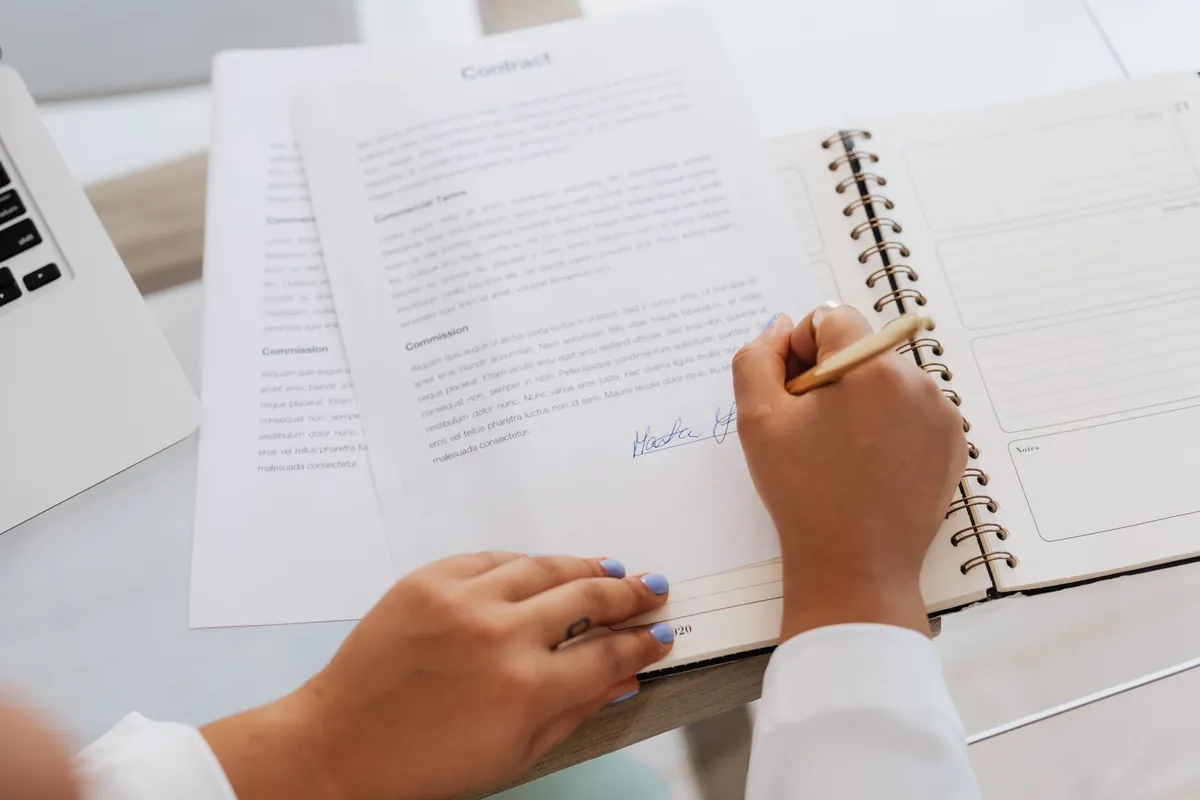
On the settlement statement, the proration appears as a debit to the seller and a matching credit to the buyer. It's usually labeled something like "property tax proration" or "taxes to buyer." The dollars never touch your hands. They simply reduce your net proceeds, which is why sellers describe it as a bill they don't remember agreeing to.
Here's the mechanical version. The buyer is going to inherit a tax bill for months they didn't own the house. Iowa's arrears system guarantees it. So the buyer gets credited up front for that stretch, and when the bill eventually comes due, they're the one who pays it, using money that was already carved out of your side of the table.
My advice, and it costs you nothing: ask for the estimated settlement statement early, then find that line and read it with your reading glasses on. Ask what date the proration ran through. Ask what daily rate they used. If your closing date moves by two weeks, that number moves too, and it should be re-run rather than assumed.
Selling with unpaid or delinquent taxes
This is the part almost every national article skips, and it's the reason a lot of people are reading this in the first place. If you're behind on property taxes, you can still sell your house. Being behind is a problem. It is not a trap.
Delinquent property taxes are a lien against the property, and liens get paid out of the sale proceeds at closing, before a dollar reaches you. The closer handles it as part of clearing title. As long as the sale covers what's owed, the county gets made whole and you move on. You do not have to come up with the back taxes first in order to sell. That belief keeps people frozen for months while the interest keeps stacking at 1.5% per month.
If it's gone further than that, Iowa counties hold an annual tax sale on the third Monday in June under Iowa Code chapter 446, where an investor buys a certificate on the delinquent taxes. Even then, selling usually still works. The certificate gets redeemed at closing out of the proceeds. The redemption clock is real, though, and it's the one deadline in this whole article I'd genuinely hurry for.
Delinquent taxes tend to travel with other things: deferred repairs, a house nobody's lived in, a situation that got away from someone. That's most of what I buy. If that's your house, tell me about it and I'll give you a straight number with the taxes already accounted for. I buy across the Des Moines metro, Ames, and towns throughout Iowa, and you can see every area where I buy houses.
The bottom line
Who pays the property taxes when you sell? Both of you, split by the days you each owned the place. The seller covers their stretch, the buyer covers theirs, and the closing statement does the refereeing. That part is simple everywhere.
Iowa is where it gets interesting. Taxes paid in arrears on a July-to-June fiscal year mean your share at closing is usually 9 to 14 months, not 9 to 14 days. Budget for it, ask your closer for the number early, and don't let a delinquent balance convince you the house is unsellable. If you'd rather skip the repairs, the showings, and the guessing, tell me about your property and I'll put together a fair, no-obligation cash offer. Or just call me at 515-216-0652 and ask. I'm a local buyer, not a call center, and I'll walk you through the math either way.
Property taxes when selling: FAQ
Who pays property taxes when selling a house in Iowa?
Both parties pay, split by time owned. The seller covers the taxes that accrued while they owned the home, and the buyer covers everything from the closing date forward. It is settled through proration on the closing statement, so the seller does not write a separate check to the county.
Are Iowa property taxes paid in advance or in arrears?
In arrears. Iowa runs on a July 1 to June 30 fiscal year and the bills you pay are for a period that has already passed. That lag is why an Iowa seller often credits the buyer for 9 to 14 months of accrued tax at closing instead of just a few weeks.
Do I have to write a check for the property tax proration?
Usually not. The proration shows up as a debit to the seller and a credit to the buyer on the closing statement, which means it comes out of your sale proceeds. You feel it in a smaller net number, not in a bill you pay separately.
Can I sell my Iowa house if I owe back property taxes?
Yes. Delinquent taxes are a lien, and liens get paid out of the proceeds at closing before you receive anything. As long as the sale price covers what is owed, the closer handles it. If the house has already gone to tax sale, the certificate gets redeemed at closing too.
How much will the tax proration reduce my proceeds?
It depends on your annual tax bill and your closing date, and it typically lands between 9 and 14 months of tax. Ask your closer or county treasurer for the exact figure early, because it is one of the larger line items sellers forget to budget for.