The taxes on selling rental property in Iowa
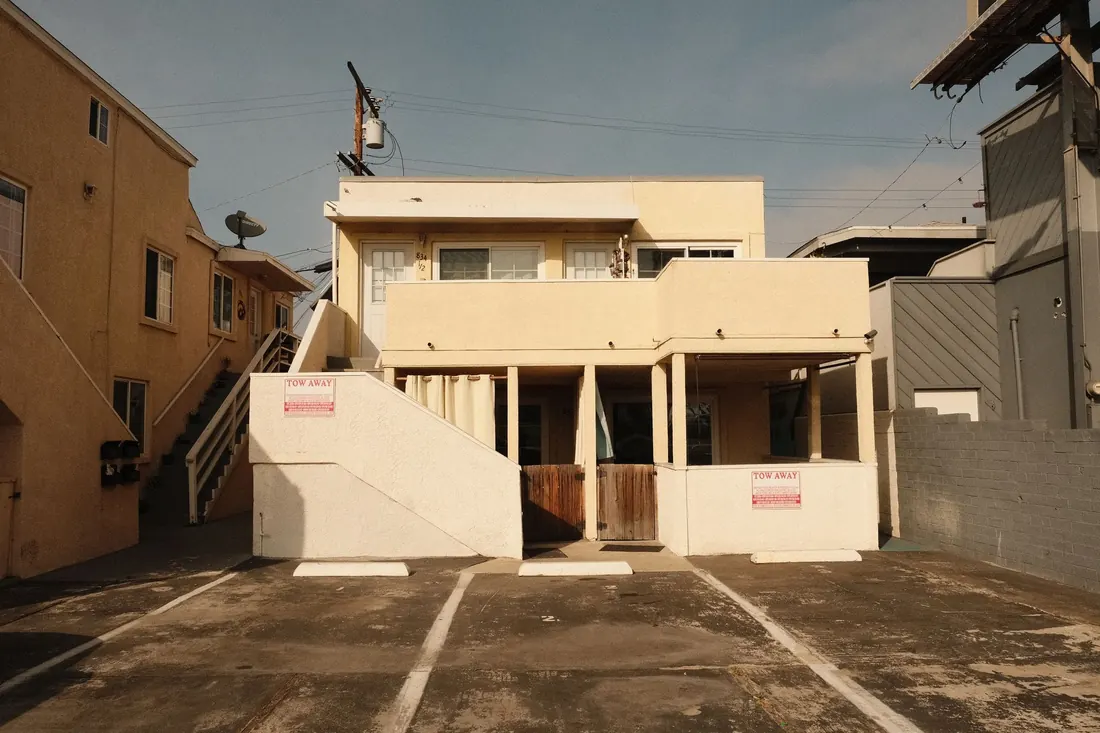
Selling a rental sounds like the victory lap: cash the check, cancel the landlord insurance, and never fix another tenant's busted garbage disposal again. Then the selling rental property taxes show up, and you find out the IRS has been quietly keeping score this whole time. Especially on all that depreciation you happily wrote off, year after year, back when it felt like free money.
Here's the honest version. When you sell a rental in Iowa you can owe three things: federal capital gains tax on your profit, depreciation recapture on the write-offs you already took, and Iowa income tax on top, because Iowa taxes that gain like regular income. A 1031 exchange can defer most of it if you're buying another investment property. If you're just done being a landlord, you pay the tax and keep the rest.
Here's the rub: the deductions that made the rental worth owning are the same ones the government wants to settle up on when you sell. Understand the three pieces and there are no ambush bills at tax time.

Why selling a rental is taxed differently
When you sell the house you actually live in, the tax code hands you a big gift called the Section 121 exclusion: up to $250,000 of profit tax-free if you're single, $500,000 if you're married. A rental gets none of that. The IRS treats it as an investment asset, so the profit is taxable and the years of deductions get reconciled on the way out.
This trips up a lot of Iowa landlords who assume the home-sale rules carry over. They don't. If you want the version for the house you live in, I wrote that up separately in the taxes on selling a house in Iowa. For a rental, here's the plain comparison:
| Situation | Primary home | Rental property |
|---|---|---|
| Home-sale exclusion | Up to $250k / $500k tax-free | None |
| Capital gains on profit | Only on gain above the exclusion | On all gain above your basis |
| Depreciation recapture | Rare | Yes, up to 25% |
| Iowa income tax | Often nothing owed | Gain taxed as ordinary income |
None of this means selling is a bad idea. It just means the number you clear is the sale price minus the taxes, not the sale price minus a high-five. Know the pieces before you sign anything.
Capital gains on a rental
Capital gain is the profit, and the math is simpler than it sounds: sale price, minus selling costs like commissions, minus your adjusted basis. Your adjusted basis is what you paid for the property, plus the money you sank into real improvements (a new roof, an addition), minus the depreciation you claimed over the years.
How that gain gets taxed depends on how long you owned it:
- Held more than one year (long-term): a preferential federal rate of 0%, 15%, or 20% depending on your income.
- Held one year or less (short-term): taxed at your ordinary income rate, which is usually higher.
Two more line items catch people. High earners can owe the Net Investment Income Tax, an extra 3.8% on investment gains once modified income tops $200,000 single or $250,000 married. And Iowa piles its own income tax on the gain. The IRS lays out the sale mechanics in Publication 544, and you can confirm current state rates with the Iowa Department of Revenue.
Most sellers I talk to know the sale price by heart and have no idea what their adjusted basis is. That one number decides your tax. Find it first.

Depreciation recapture (the surprise)
This is the one that ambushes people, so it earns its own section. Every year you owned the rental, the IRS let you deduct depreciation on the building, roughly 3.636% of its value per year on the standard 27.5-year residential schedule. That deduction lowered your taxable rental income the whole time you owned it. Nice while it lasted.
When you sell, the IRS wants that back. It's called depreciation recapture, and the portion of your gain equal to the depreciation you claimed gets taxed as unrecaptured Section 1250 gain, at a rate up to 25%. Here's the part that stings: it applies to depreciation you were allowed to take, whether or not you actually claimed it. Skipping the deduction on your returns doesn't save you. You owe the recapture either way.
A quick, round example. Say you bought a rental for $200,000, claimed $40,000 of depreciation over the years, and sold for $260,000. Your adjusted basis is $160,000, so your total gain is $100,000. Of that, $40,000 is recaptured (up to 25%) and the remaining $60,000 is your capital gain. Two different buckets, two different rates, one tax return. The IRS covers the details on its depreciation and rentals page. This is exactly why I keep saying: talk to a CPA before you assume you know your number.

The 1031 exchange option
If you're not actually cashing out, just trading up or sideways into another investment property, a 1031 exchange lets you defer both the capital gains tax and the depreciation recapture. You roll the proceeds into a like-kind property and the tax bill follows you into the next deal instead of coming due now. Investors use it to build a portfolio without bleeding a chunk to taxes at every step.
The catch is the rules are strict and the clock is unforgiving:
| Rule | What it means |
|---|---|
| 45-day window | You have 45 days from closing to formally identify the replacement property. |
| 180-day window | You must close on the new property within 180 days. |
| Qualified intermediary | You can't touch the money. A third party holds it between deals. |
| Equal or greater value | Reinvest all the proceeds into a property of equal or higher value to defer the full tax. |
One honest caveat: a 1031 exchange defers the tax, it doesn't erase it. If you sell the replacement later without another exchange, the bill comes due then. And it only makes sense if you want to stay an investor. If you're done being a landlord, a 1031 just chains you to another property. See the IRS overview of like-kind exchanges before you count on it.
Selling a tired rental fast (as-is)
Not every rental sale is a triumphant portfolio move. Sometimes the tenants left it rough, the furnace is on borrowed time, and you'd rather have your Saturdays back than keep chasing late rent. That's a different question from taxes, and it's the one I actually help with. If you're weighing whether to keep bleeding on repairs or just get out, I broke down the math in sell or rent your house in Iowa.
Selling as-is to a cash buyer skips the repairs, the listing, the open houses, and the awkward dance of scheduling showings around a tenant who isn't thrilled you're selling. I buy across the Des Moines metro, Ames, and the rest of Iowa, and I close on your timeline. It won't lower your tax bill, nothing legal does that except the strategies above, but it removes the part most landlords actually dread. If you want the how-it-works version, here's how selling a house for cash in Iowa goes.
A cash sale doesn't change what you owe the IRS. It changes how much of your life you spend getting to closing. For a worn-out rental, that trade is usually worth it.
The tax bill is the same whether you list for six months or sell to me in two weeks. The difference is everything that happens in between. Want the offer side handled by a person, not a call center? That's the whole reason I do this.
The bottom line
Selling a rental in Iowa means three taxes to keep straight: capital gains on your profit, depreciation recapture on the write-offs you took, and Iowa income tax on the gain. A 1031 exchange defers all of it if you're reinvesting, and selling as-is speeds up the exit if you're done. I'm a home buyer, not a CPA, so treat this as general information and not tax advice, and get your real numbers from a tax professional before you sign. When you're ready to move the property itself, tell me about your rental and I'll send a fair, no-obligation cash offer you can plan around.
Selling rental property taxes: FAQ
Do I pay capital gains tax when I sell a rental property in Iowa?
Usually, yes. The home-sale exclusion that protects your primary residence does not apply to a rental. Any profit over your adjusted basis is a taxable capital gain, taxed at 0%, 15%, or 20% federally if you held the property more than a year, and Iowa taxes that gain as ordinary income on top.
What is depreciation recapture when selling a rental?
Every year you owned the rental, you could deduct depreciation on the building. When you sell, the IRS settles up by taxing that claimed depreciation as unrecaptured Section 1250 gain, at a rate up to 25%. It applies even to depreciation you were allowed to take but never claimed, so most sellers owe it.
Does Iowa tax the sale of rental property?
Yes. Iowa does not give capital gains a separate lower rate for most rental sales, so the gain is taxed as regular income at Iowa's income tax rate. That is in addition to the federal capital gains tax and depreciation recapture. Check current rates with the Iowa Department of Revenue.
Can a 1031 exchange help me avoid taxes on my rental sale?
A 1031 exchange lets you defer the capital gains tax and depreciation recapture if you reinvest the proceeds into another like-kind investment property. You have 45 days to identify the replacement and 180 days to close, and you must use a qualified intermediary. It defers the tax, it does not erase it, and it only makes sense if you are staying an investor.
Can I sell my rental as-is without fixing it up?
Yes. Selling as-is to a cash buyer means no repairs, no listing, and no coordinating showings around tenants. It does not change what you owe in taxes, but it removes the hassle and lets you close on your timeline. It is a common choice for a tired or tenant-worn rental in Iowa.