Selling a house with an unfinished renovation in Iowa
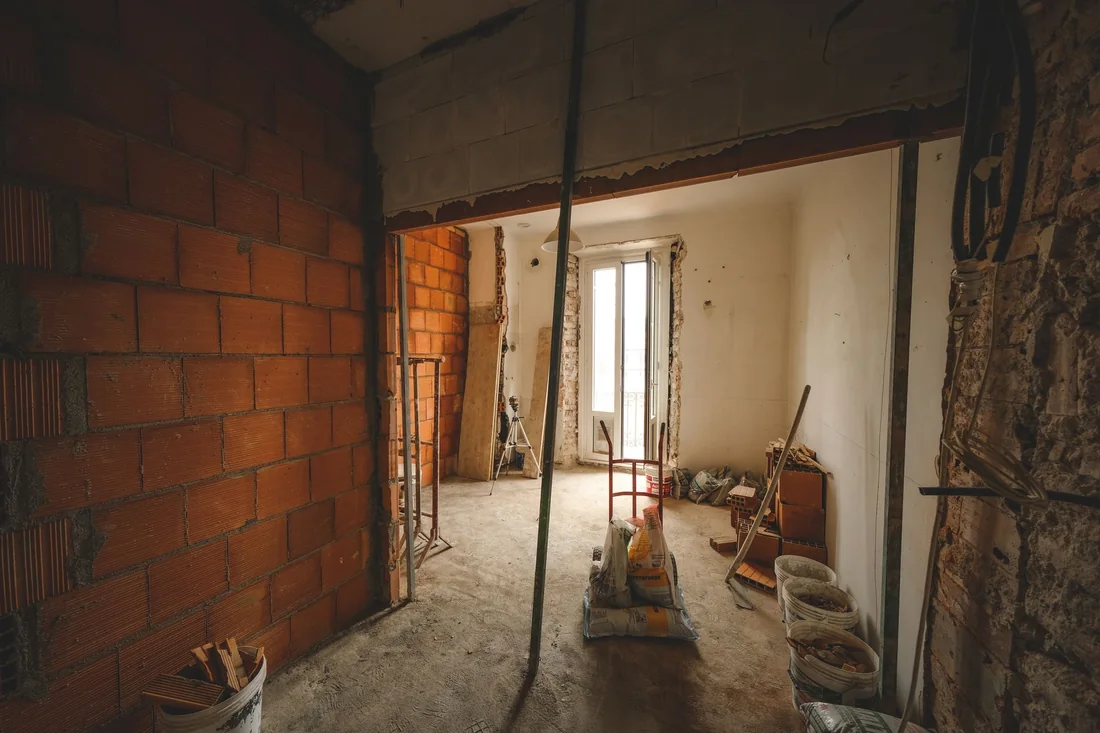
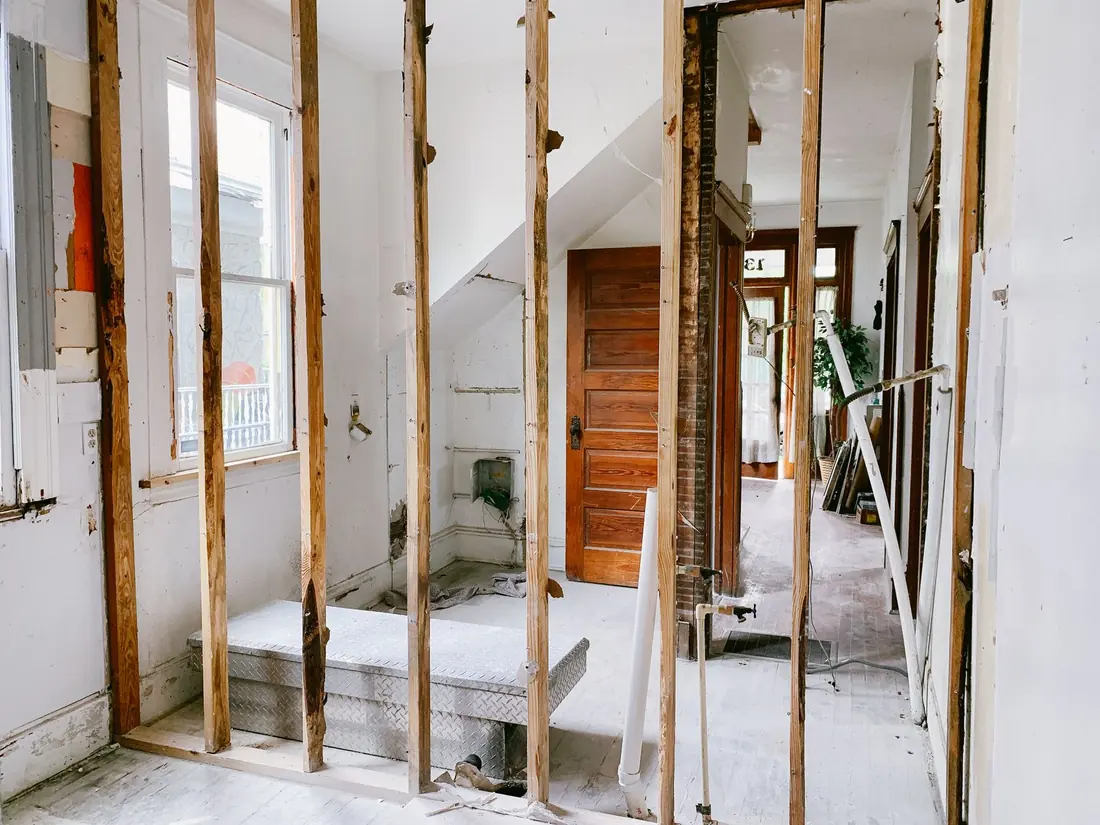
Half a renovation is harder to sell than no renovation at all. Picture the kitchen: new cabinet boxes screwed to two walls with no doors on them yet, a sink still in its cardboard box on the subfloor, and a run of copper stubbed out of the drywall that just stops in midair. The blue tape from three Saturdays ago is still stuck to the trim. Selling a house with an unfinished renovation means every person who walks through is quietly doing math you can't see, adding up the missing doors, the counters, the inspection nobody ever signed off on, and deciding your "almost" is worth less than a plain, untouched house down the street.
Here's the honest version. A finished house sells a feeling. A half-done one sells a to-do list, plus a short stack of questions: who did the work, was any of it permitted, and what is hiding behind those open walls. That mix scares retail buyers and can trip up financing, because a lender may need the home to be complete and livable before it will lend on it. From there you have three real moves: finish it and sell, list it as-is on the MLS, or sell it as-is to a cash buyer who plans to finish the job themselves.
Buyers don't pay for potential. They pay for finished, and they subtract for everything still on the punch list, then subtract again for the parts they can't see behind your open walls and for the permits that may never have been pulled. A half-done project reads to them as risk, not as a head start.
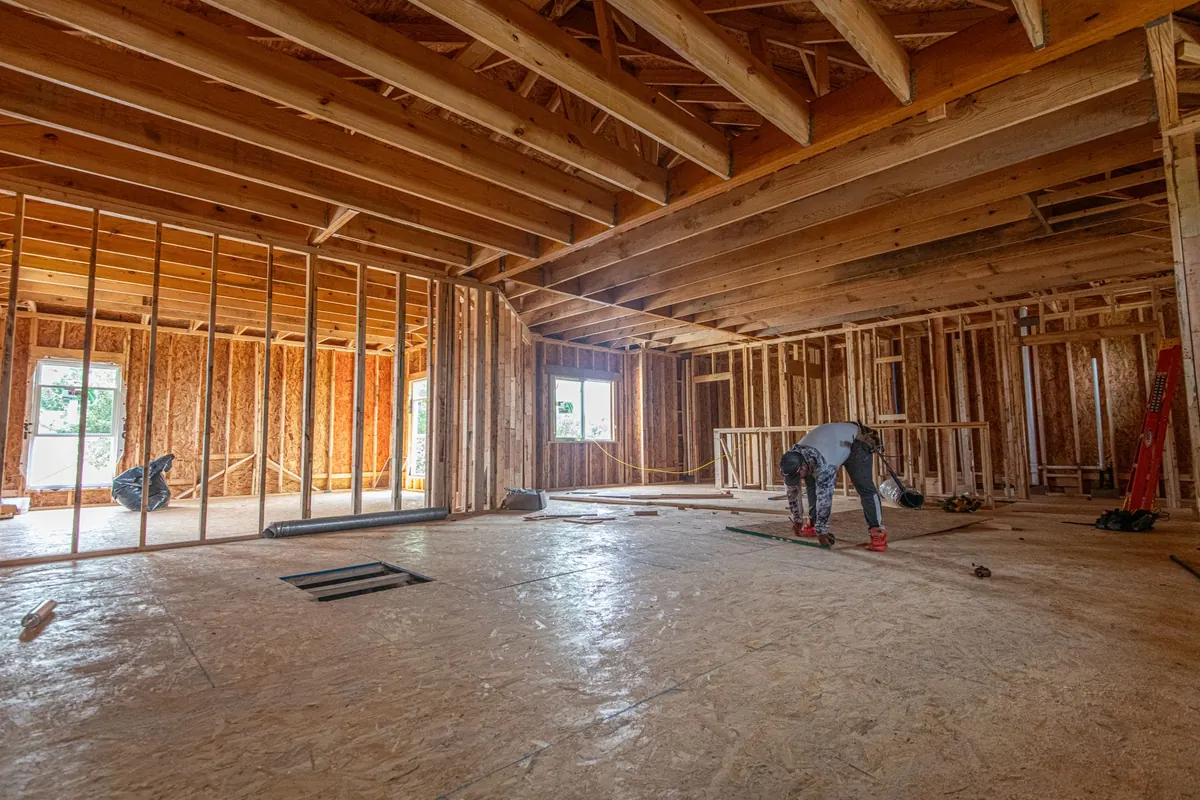
Why a half-finished renovation scares buyers
A rough house that nobody has touched is at least honest about itself. A half-finished one is a puzzle, and buyers hate puzzles they have to price. The problem isn't only the work that's left. It's that the buyer can't trust the work that's already done.
Think about what a torn-open remodel actually asks a buyer to believe. That the framing changes were done right. That the new wiring in the wall is to code. That the plumbing behind the drywall won't leak the first winter. They can't see any of it, so they assume the worst and price for the worst, because that's the only safe way to bid on a mystery.
So the subtraction happens twice. First for the visible to-do list: the doors, the counters, the flooring, the trim, the bath that's studs and a lonely toilet flange. Then a second, bigger subtraction for the invisible risk: the quality they can't verify and the permits they can't find. A finished kitchen is a number. A half-finished one is a number minus a fear, and fear negotiates hard.
(I have walked into "almost done" remodels where the tile was beautiful and the junction box behind it had four wires twisted together with no cover. You never know which "almost" you are looking at, and neither does the buyer.)
An untouched fixer is a project a buyer can measure. A half-done one is a project plus a trust problem, and the trust problem is the part that tanks the price.
This is the piece that makes an unfinished remodel its own animal, separate from a house that's just worn out or one where a whole permit was skipped. If your bigger worry is the sheer volume of work, that's a different question, and I wrote it up here: selling a house that needs a lot of repairs in Iowa.
The financing trap: lenders want a "complete" house
Here's the quiet dealbreaker most sellers don't see coming. It isn't that buyers don't want a half-done house. It's that a lot of them can't buy one even if they do.
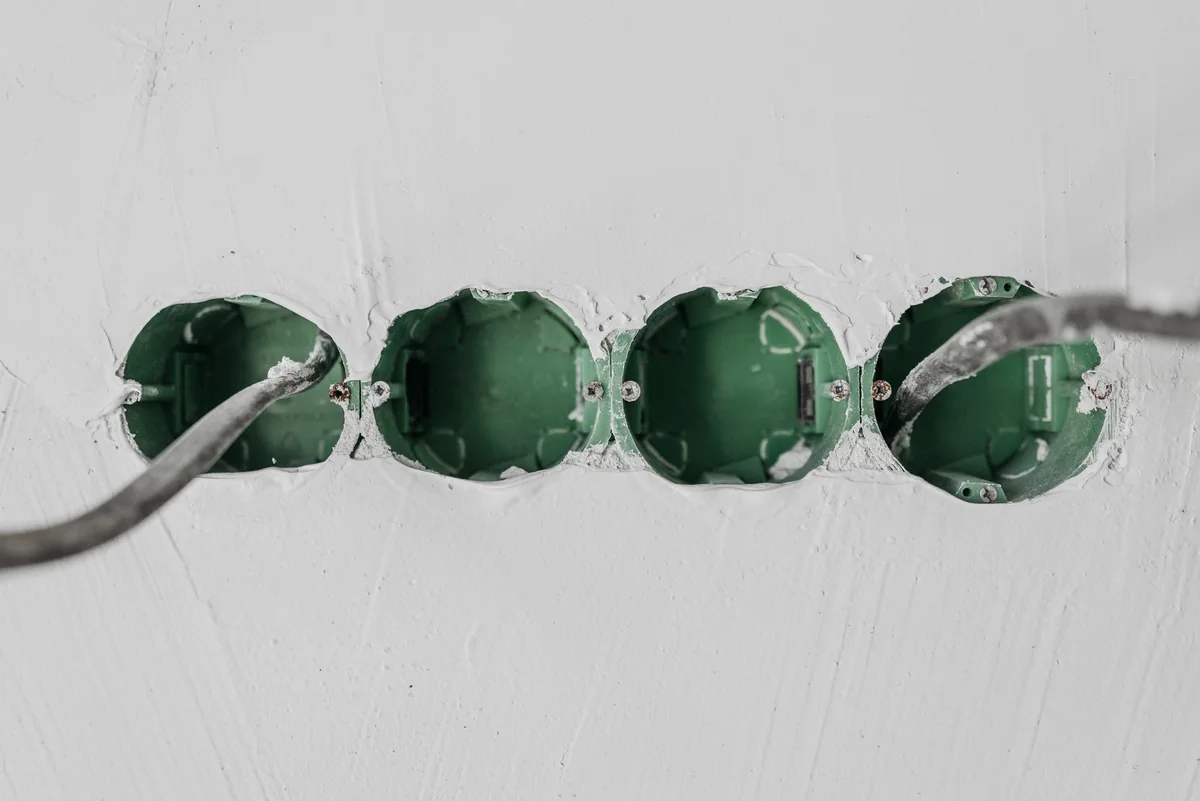
When a buyer needs a mortgage, the lender sends an appraiser, and on most loan types that appraiser flags anything that makes the home incomplete or unsafe to live in: a missing kitchen, a torn-out bathroom, no working systems, exposed wiring, open plumbing. The appraisal exists to protect the lender's collateral, and a house you can't move into is a shaky bet for a 30-year loan. The underwriter can require the work be finished before closing, which a seller mid-remodel usually can't pull off.
Government-backed loans are the strictest. FHA and USDA loans, which a lot of Iowa buyers lean on, come with minimum property standards that expect a safe, livable, functional home: working kitchen and bath, safe utilities, no exposed hazards. A half-finished remodel fails that on sight, and the deal stalls until it's fixed.
There's a narrow exception. Some buyers use a renovation loan, like an FHA 203(k), that lets them borrow the purchase price plus the money to finish the work. Those exist, but they're slower, pricier, and pickier, and the pool of buyers willing and able to use one is small. In practice, a torn-up house drifts toward buyers who don't need a lender at all.
Unpermitted work makes the financing hole deeper. If chunks of the project were done without permits, a city can require you to pull them and get the work inspected after the fact, sometimes by opening the walls back up. That's its own headache, and I broke it down here: selling a house with unpermitted work in Iowa.
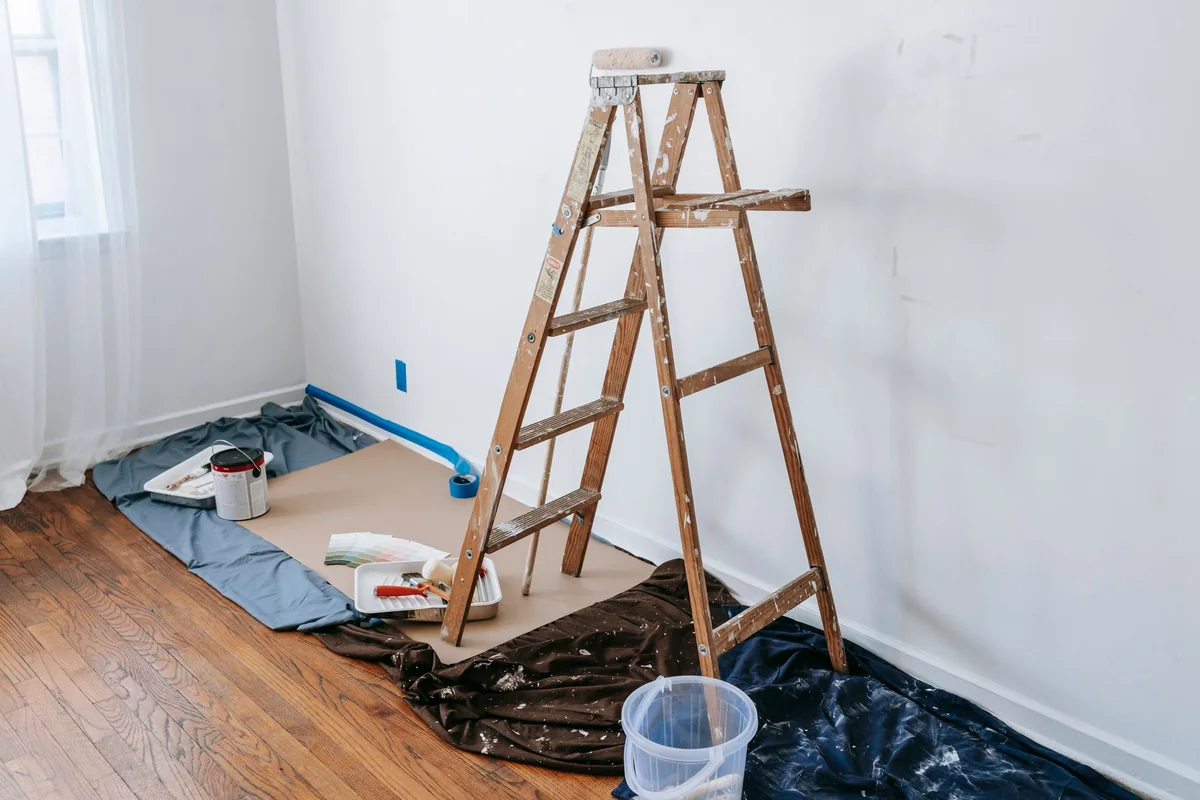
Finish it or sell it: the honest math
So do you push through and finish the remodel, or cut it loose as-is? This is the real decision, and it's less about drywall than about your budget, your calendar, and how deep the hole already is.
The case for finishing. A complete, safe, permitted house reopens the door to every financed buyer, which is most of the market. If you're genuinely close, the kitchen just needs counters and doors, the bath needs a vanity and a fixture, and you have the cash and a real quote to get there, finishing usually pays. A done house sells on the open market. A 90-percent house sells to a shrinking few.
The case against. Renovations don't fail at 10 percent. They stall at 70, when the money's gone, the motivation's gone, or a surprise showed up inside a wall. Finishing means more cash out of pocket on a house you're leaving, more time carrying the mortgage, taxes, insurance, and utilities, and the risk you over-improve for the block. Iowa neighborhoods have a ceiling, and pouring a high-end finish into a modest street rarely comes back dollar for dollar. If the remaining work needs permits and inspections you never pulled, "finish it" quietly turns into "redo parts of it."
A rule of thumb I use: if finishing is a known, quotable, permit-clean sprint to the end, it usually beats selling rough. If it's an open-ended dig with unknowns behind the walls, price it in and move on. The CFPB's owning-a-home resources are a decent gut check on what carrying costs really add up to while you finish.
And be careful with over-improving. Some of what you feel you "have to" finish, the buyer won't pay extra for anyway. This piece on what not to fix when selling a house in Iowa is worth a read before you sink another dime into it.

Your three options, honestly compared
Whatever state the project is in, there are three honest ways out. Here they are straight, with the catch on each.
1. Finish it, then sell
Complete the work, get the house to a normal safe-and-livable condition with permits closed out, and list it on the open market. On a house that's genuinely close, this often earns the most, because you reopen the door to every financed buyer. The catch is cash and calendar: you pay for the rest of the job now, you wait on trades, you close out permits and inspections, and you carry the house the whole time. Best when the finish line is real and your budget is comfortable.
2. List it as-is on the MLS
Put it up honestly, half-done and all, and let buyers come knowing they inherit the rest of the project. You skip the finishing spend, but you're fishing in a small pond, because financed buyers still trip on the appraisal and the ones left are hunting a deal. Expect harder negotiation, a longer wait, and a real chance the deal dies at inspection when the walls come open. It can work if the work left is cosmetic. On a gutted kitchen or bath, it often becomes the slow road to the same cash buyer you could have called first.
3. Sell it as-is to a cash buyer
Sell directly to a cash or investor buyer who prices the unfinished work in and finishes it themselves. You get less than a polished retail price. That's the honest trade, and I won't pretend otherwise. In exchange you spend zero more on the project, chase no more subs, pull no more permits, skip the showings, pick the closing date, and get certainty the deal closes, because there's no lender to say no over a missing kitchen. On a house that can't get financed anyway, this often nets closest to a finished sale once you subtract the cost to complete, the carrying months, and the risk. This is the lane I work in, and here's what selling a house as-is in Iowa actually means before you decide.
| Path | Best when | The catch |
|---|---|---|
| Finish, then sell | You're genuinely close, work is permit-clean, you have cash and time | More money out, more carrying months, risk of over-improving for the block |
| List as-is on MLS | The work left is mostly cosmetic and the systems are intact | Small buyer pool, hard negotiation, deals that die at the appraisal |
| Sell as-is for cash | Gutted kitchen or bath, unpermitted work, tight timeline, no budget to finish | Lower price traded for speed, certainty, and zero more spend |
Here's how a fair cash buyer builds the number, so it isn't a mystery: we start with the after-repair value (what the house is worth fully finished), then subtract the cost to complete the project (the work you didn't get to, plus fixing anything done wrong), the holding and selling costs, and a margin to make the risk worth it. That's why the offer comes in under a finished retail price, and also why a stack of unpermitted work widens the gap. No games, just arithmetic. If you want to see how the rest of a cash sale runs start to finish, walk through how the process works.
One honest note, because it's how I run things: sometimes finishing and listing is your better move, and I'll say so. If you're one weekend and a countertop from done, replacing my offer with a finished sale will likely net you more, and I'd rather tell you that than talk you out of money. I'm one more option, not the only one. If it's a fit, this is where I buy houses across Iowa.
The bottom line
Selling a house with an unfinished renovation isn't hopeless. It's a trust problem before it's a sale problem, because the buyer is pricing both the work you can see and the work you can't. Sort it honestly. Close to done, permit-clean, and you've got the budget? Finishing usually keeps you on the open market for the most money. Gutted, unpermitted, out of cash or time? A cash sale usually wins on what actually lands in your pocket once the cost to finish and the waiting come out.
If you want the honest math on your specific house, half-built kitchen and all, tell me about it and I'll send a fair, no-obligation cash offer within 24 hours, with no repairs to finish, no permits to chase, and no fee. I buy houses across the Des Moines metro and the rest of Iowa, and if finishing the remodel and listing is your smarter move, I'll tell you that too.
Selling a half-finished house: FAQ
Can you sell a house with an unfinished renovation in Iowa?
Yes. You can always sell a half-finished house. The catch is who will buy it and for how much. A cosmetic project that just needs paint and trim is close to a normal sale. Open walls, a torn-out kitchen or bath, exposed wiring or plumbing, and work that was never permitted narrow your buyer pool, because a house that is not complete or livable can be hard to finance. Your three real moves are to finish it and sell, list it as-is on the MLS, or sell it as-is to a cash or investor buyer who plans to finish the job themselves.
Can you get a mortgage on a half-finished house?
Often not with a standard loan. A regular purchase mortgage usually expects the home to be complete and safe to live in, and the lender's appraiser flags missing kitchens or baths, no working systems, and exposed wiring or plumbing. Government-backed loans like FHA and USDA are the strictest because a livable, functional home is part of their minimum property standards. Some buyers use a renovation loan such as an FHA 203(k), but those are slower and pickier, which is why a half-done house drifts toward cash buyers.
Should I finish the renovation before selling, or sell it as-is?
It depends on how much is left and your budget. If the project is nearly done and you have the cash, time, and permits to finish cleanly, completing it usually reopens the house to financed buyers and pays off. If you are out of money, out of time, or the work needs permits and inspections you never pulled, finishing can turn into a money pit, and pricing it in and selling as-is is often the saner move. Be honest about whether you would be finishing to a level the neighborhood can actually pay back.
Do I need permits for renovation work I already started?
Possibly. Structural, electrical, plumbing, and HVAC work usually require permits and inspections, and if the previous work was done without them, a city may require you to pull permits and have the work inspected after the fact. That can mean opening walls back up so an inspector can see what is behind them. Unpermitted portions do not have to be fixed before a cash sale, but they still have to be disclosed, and they affect financing and price.
Do I have to disclose an unfinished renovation when selling in Iowa?
Yes. Iowa requires most sellers to give the buyer a written property condition disclosure, and selling as-is does not erase your duty to disclose what you know. Incomplete work, missing permits, and known defects behind the open walls belong on that form. As-is means you are not agreeing to finish the project, not that you get to stay quiet about its condition. Disclosing up front also keeps the deal from unraveling at inspection.