When do you stop paying your mortgage when selling?
You listed the house to stop paying for it, so writing the bank one more mortgage check feels almost backwards, like buying a full week of groceries for a kitchen you've already half moved out of. The urge to just skip it and let the sale sort things out is strong. It is also a trap. If you're wondering when do you stop paying your mortgage when selling a house, the honest answer is the one nobody loves: you keep paying until it closes.
You keep paying until closing. Every month between the day you list and the day the sale officially records, the mortgage payment is still yours to make. The sale does not pause the loan, and your lender does not care that a buyer is lined up on paper. Your final payment gets squared away at the closing table, where the sale proceeds pay off whatever balance is left.
The rule itself is easy. The hard part is emotional: paying for a house you're actively trying to unload feels like feeding money to something already halfway out the door. That is exactly why so many sellers talk themselves into skipping a month, and it's exactly where the avoidable damage happens. Here's how each piece actually works.
Yes, you keep paying until closing
Nothing about listing a house changes your loan agreement. You signed a promise to pay the lender every month until the balance is gone, and a "for sale" sign in the yard is not a payoff. Until the deed transfers and the sale records, you are still the owner and still the borrower, which means the payment is still due on the same day it's always been due.
People trip on the word "closing" here, so let's be plain about it. Closing is the day the buyer's money changes hands, the title company records the new deed, and your loan gets paid off from the proceeds. Everything before that day, the showings, the accepted offer, the inspection, the appraisal, is just progress. None of it stops the clock on your monthly payment. If your payment lands on the first and you close on the twentieth, you still owed that first-of-the-month payment.
The reassuring part: you do not have to pay the mortgage off before you sell. That is a myth I hear constantly. The sale itself does the paying off. Your job is simply to keep the loan current until you get there, which is a smaller ask than it feels like when you're staring at the statement.

Why skipping a payment backfires
This is the section I'd tattoo on a wall if I could. Skipping a mortgage payment because "the house is selling anyway" is the single most expensive shortcut a seller can take. Deals fall through. Appraisals come in low. Buyers get cold feet three days before closing. And if you skipped a payment betting on a sale that slips, you're now behind on a loan with a house that still hasn't sold.
Here's the chain of pain, in order. First a late fee. Then, once you hit 30 days past due, the lender reports it and your credit score drops, sometimes by 50 to 100 points. Keep missing and you march toward default and, eventually, foreclosure. In Iowa that process has real teeth, and a foreclosure filing on your record is the fastest way to spook a buyer right off the table.
I've watched more than one clean sale wobble because the seller quietly stopped paying, assuming closing was a formality. Closing is never a formality until the money is wired.
There's a quieter cost too. If a buyer's lender sees you're delinquent, or a title search turns up a fresh default, it can complicate the very closing you were rushing toward. Staying current keeps your file boring, and boring is what closes on time. The federal Consumer Financial Protection Bureau is blunt about the same point: missed payments have consequences that don't un-happen just because a sale is pending.
How the payoff works at closing
At closing, you don't hand the lender a check. The title company does the work. A few days before the closing date, they request a payoff amount from your mortgage servicer: the precise dollar figure to wipe out the loan on a specific day. It's your remaining principal plus interest accrued up to that date, plus any small fees the lender adds. It is usually a touch higher than the balance on your last statement, because interest keeps ticking until the loan is gone.
Then the math is simple. The buyer's money comes in, the title company pays your lender the payoff amount first, then subtracts the other closing costs, and whatever remains is your net proceeds. You walk away with a check (or a wire) for the difference, and the mortgage is officially dead. The CFPB has a clear explainer on why the payoff amount differs from your current balance if you want the fine print.
This is also why "how much do I actually owe" and "how much will I actually get" are two different questions. Closing costs, prorated property taxes, and any liens all come out of the middle. If you want the full picture of what leaves your proceeds before you see a dollar, I broke it down in what it really costs to sell a house in Iowa. The payoff is just the biggest line on that list.
What about that last month's payment?
This is the question that keeps sellers up: "If I'm closing on the fifteenth, do I really make a full payment on the first?" Short version: if a payment comes due before your closing date, yes, make it. Don't gamble a full mortgage's worth of consequences on a closing date that could slip by a week. Closings move all the time.
Here's what makes it feel fair. Because your payoff amount includes interest only up to the closing day, you don't get double-charged for the same stretch of time. If you make your first-of-the-month payment and then close on the fifteenth, the payoff only counts fifteen days of interest, not a full month. The system prorates it. You paid for the days you owned the house, and not a day more.
Two more things people forget. First, your escrow account. If your lender collects taxes and insurance in escrow, there's usually money sitting in it, and after the loan is paid off the servicer refunds the leftover balance to you, typically within a couple of weeks. It arrives separately from your closing check, so don't assume it vanished. Second, if you're mid-purchase on your next place at the same time, the timing gets its own choreography, which I walk through in selling a house that still has a mortgage. For the federal rundown on housing costs and homeowner rights, HUD is a solid neutral source.
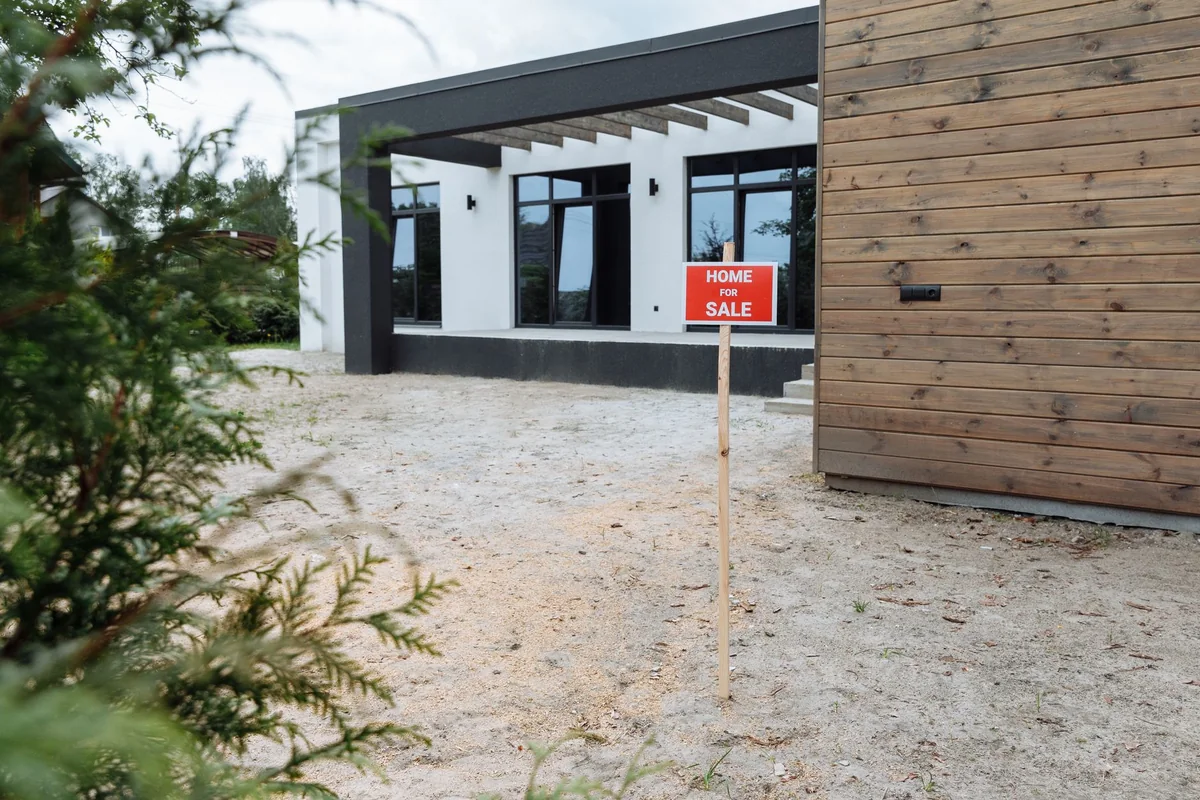
Selling fast to stop the payments sooner
Here's the lever a lot of sellers miss. You can't skip payments, but you can shorten how many you make by closing faster. Every extra month a house sits on the market is one more mortgage payment out of your pocket, plus the taxes, the insurance, and the utilities that don't care whether anyone's living there. The math rewards a quick, certain close.
That's the practical case for a cash sale when you need out from under the payments. A traditional listing means repairs, showings, an appraisal, a buyer's loan approval, and 60 to 90 days of "we'll see." A cash buyer skips most of that. Here's the difference laid side by side:
| Listing on the market | Cash sale to a local buyer | |
|---|---|---|
| Typical time to close | 60 to 90+ days | As little as 7 to 14 days |
| Mortgage payments you'll still make | Two, three, sometimes more | Often just one, sometimes none |
| Repairs and showings | Usually required | None, sold as-is |
| Who pays off the loan | The sale, at closing | The sale, at closing |
The payoff mechanics are identical either way. The only variable you control is speed, and speed is money when a mortgage payment is bleeding out every 30 days. If the reason you're selling is to stop the payments, a slow listing is working against you. That's most of why people come to me to sell a house for cash in Iowa: fewer months, fewer payments, one certain closing date. I'm a local buyer, not a national call center, so you can see exactly where I buy across Iowa and talk to an actual person about your timeline.
The bottom line
Keep paying your mortgage until the sale closes. That one sentence saves people from late fees, credit hits, and the nightmare of falling behind on a deal that slips. The loan is yours until closing, the sale proceeds pay it off at the table, the payoff includes interest only up to closing day, and any leftover escrow comes back to you after. Nothing about it requires you to write a separate payoff check.
The only real way to make fewer payments is to close sooner, not to skip. If you're selling specifically to get out from under the mortgage and you'd rather not stretch it across another three months of showings, tell me about your house and I'll get you a fair, no-obligation cash number with a closing date you pick. You can also read more about who you'd actually be working with before you call.
Paying your mortgage while selling: FAQ
Do I have to keep paying my mortgage while my house is on the market?
Yes. Until the sale officially closes, the loan is still yours and every monthly payment is still due. Listing the house or accepting an offer does not pause the mortgage.
What happens if I stop paying my mortgage before the sale closes?
You get late fees, a hit to your credit score after 30 days late, and if enough payments pile up the lender can start foreclosure. A foreclosure filing can scare off a buyer and blow up the very sale you were counting on.
Does selling the house pay off my mortgage automatically?
Yes. At closing, the title company requests a payoff amount from your lender and wires that balance straight to them out of the sale proceeds. You receive whatever is left after the payoff and closing costs.
Will I get my escrow money back after I sell?
Usually yes. Once the loan is paid off, your servicer refunds whatever is left in your escrow account for taxes and insurance, typically within a couple of weeks. It comes separately from your closing proceeds.
Can I sell my house if I still owe money on the mortgage?
Yes, and most sellers do. As long as the sale price covers your payoff plus closing costs, the mortgage is settled at the table. If you owe more than the house is worth, that is a short-sale conversation to have early.