Selling a house with asbestos in Iowa
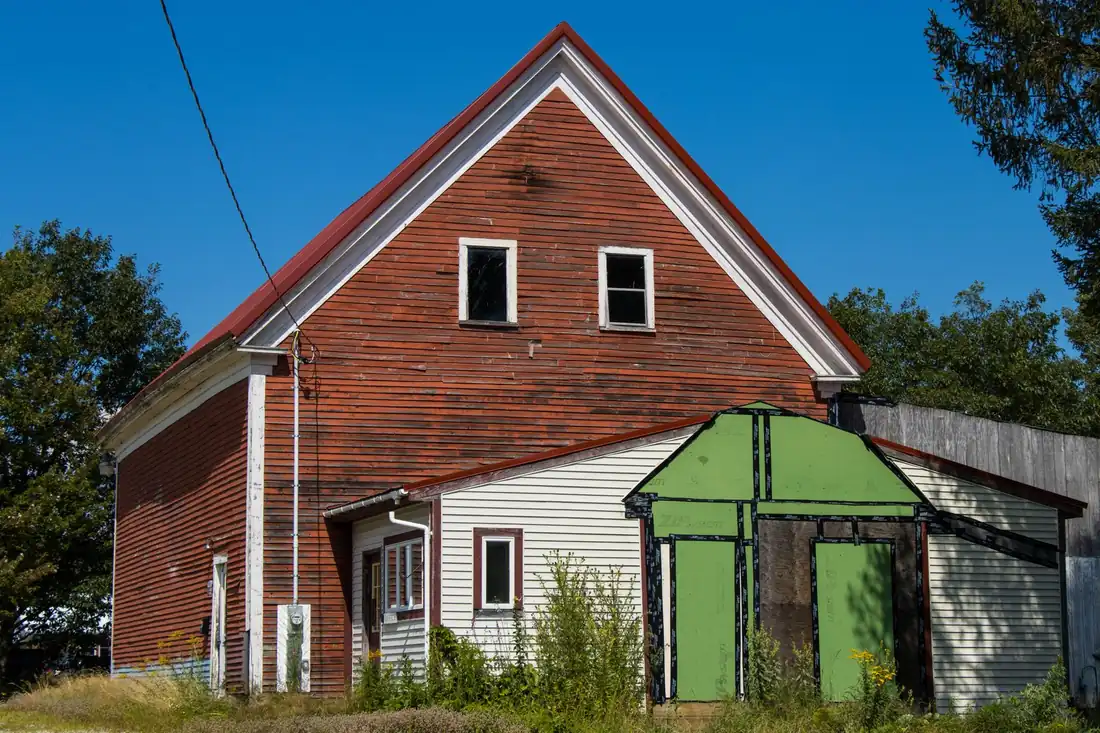
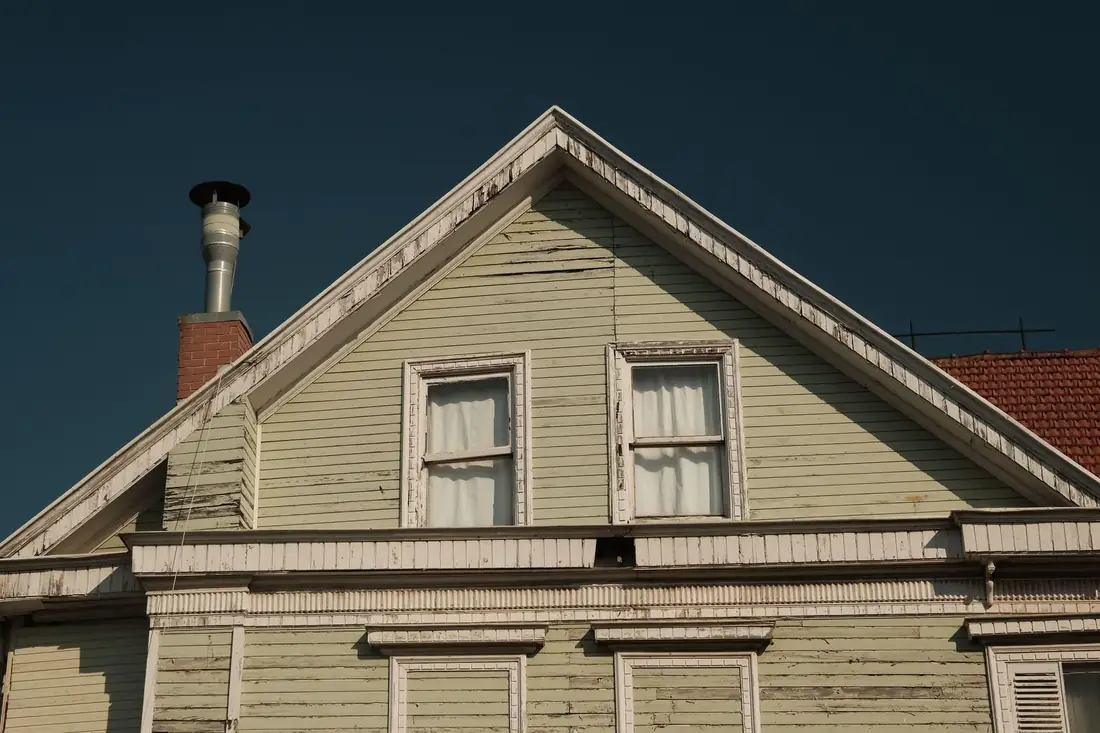
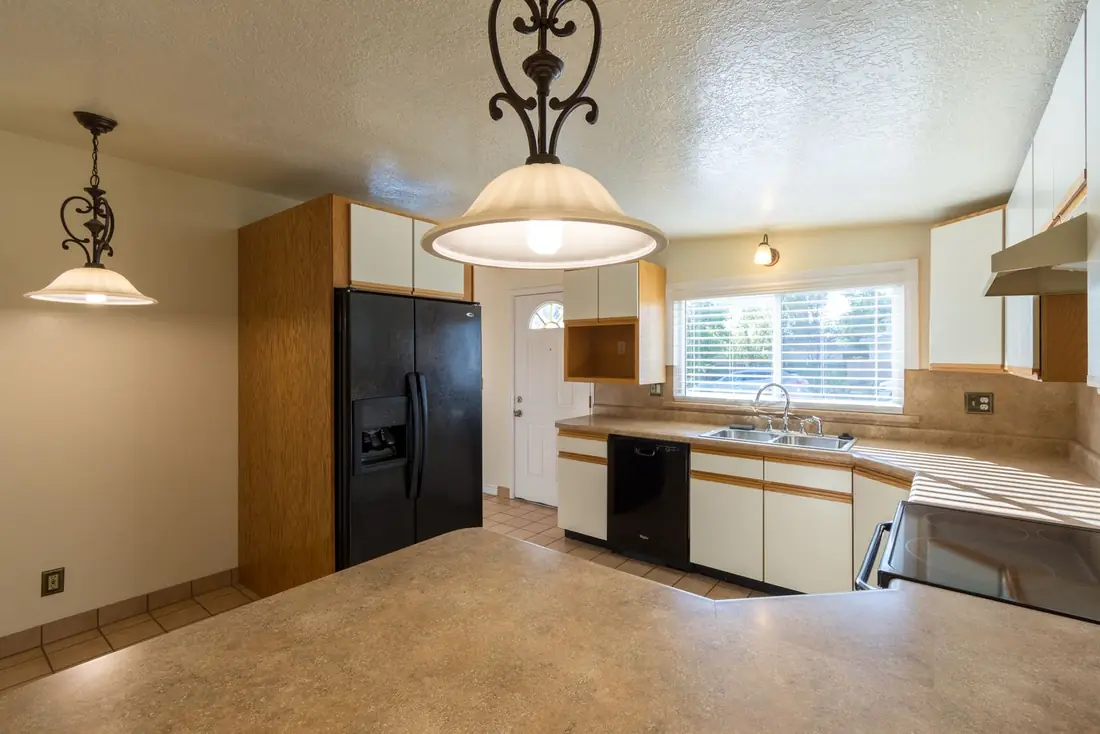
Asbestos is the rare house problem that was once a selling point. Builders used to advertise it as the miracle mineral: fireproof, cheap, wrapped around your pipes and baked into your floor tile. Now you find the word on an inspection report and your stomach drops, because you assume it means a bulldozer and a bill with a lot of zeros. If you are selling a house with asbestos in Iowa, here is the part that actually calms most people down: you can almost certainly sell it, and you probably do not have to touch it.
Selling a house that contains asbestos is legal in Iowa. There is no law forcing you to remove it before you sell. Your main job as a seller is honesty: if you know it is there, you disclose it, and you never paper over it. From there you have choices, from testing and abatement on one end to selling the house exactly as it sits to a cash buyer on the other.
So the money question is narrow: pay to prove the asbestos is safe and have it abated, or price that risk into a fast as-is sale and let the buyer inherit the cleanup.
What Iowa makes you disclose
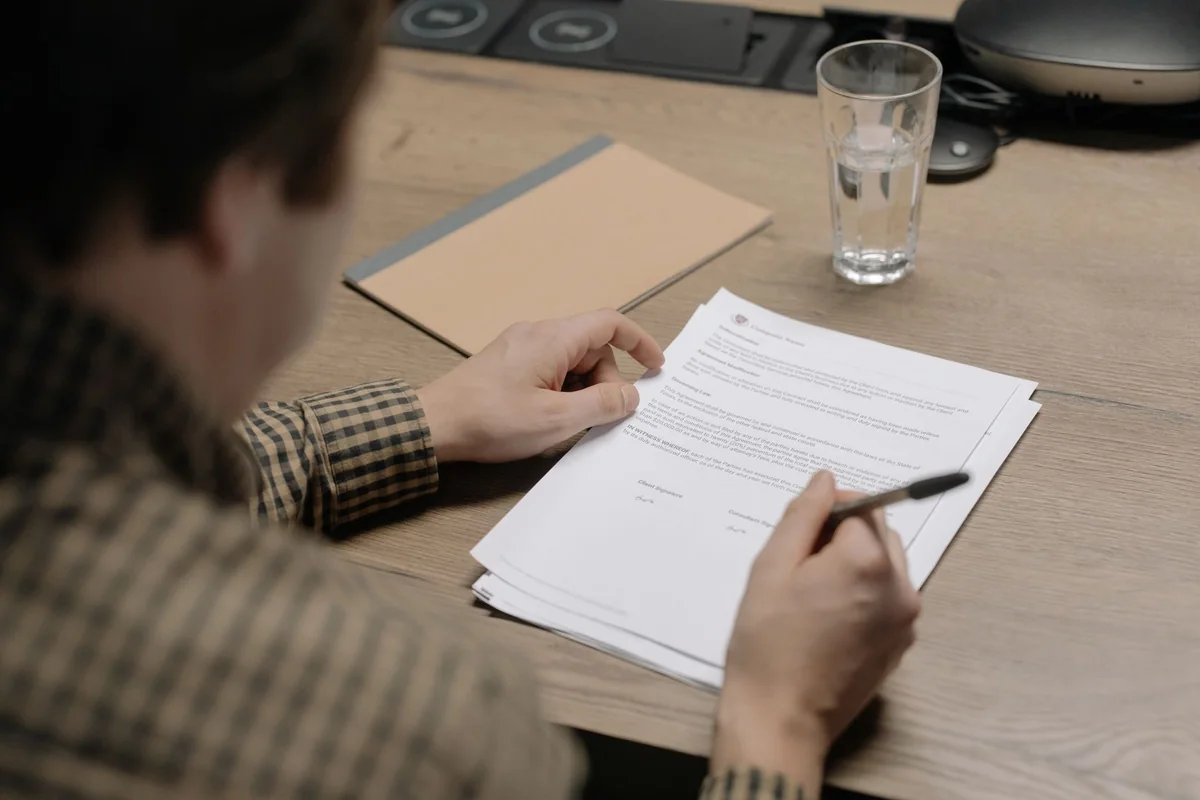
Start here, because this is the part people get wrong in both directions. Iowa uses a residential property condition disclosure statement, and it asks the seller to report known material defects and conditions. Known asbestos falls squarely inside that. If you are aware the house has asbestos, whether from an old inspection, a contractor, or a label on the furnace, you write it down. Simple.
Here is what the rule does not do. It does not force you to hire a lab and go hunting for asbestos you have never been told about. There is no blanket federal asbestos disclosure form for a normal home resale, and Iowa does not have a special asbestos-only seller statute stacked on top of the standard disclosure. The duty is about what you actually know, not what might theoretically be hiding behind the drywall. (I am not a lawyer, and if your situation is complicated, a real estate attorney is worth an hour of their time.)
The reason this matters is not the paperwork. It is that hiding a known problem is how sellers get sued after closing. Disclosing it protects you far more than it scares buyers off. Asbestos handled honestly is a footnote. Asbestos discovered after the sale, when you clearly knew, is a lawsuit. The EPA's plain overview of the material, what asbestos is and where it shows up, is a solid thing to read before you fill out that form.
Where asbestos hides in an older house
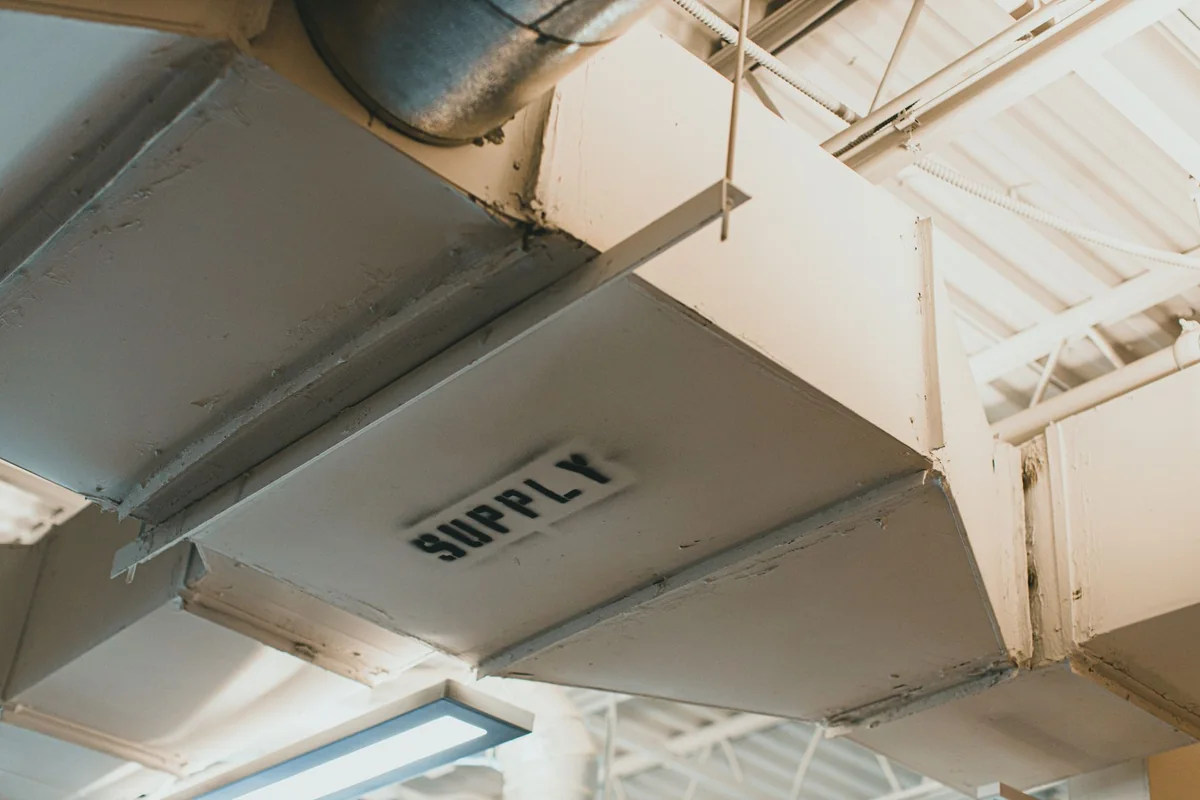
If your house went up before the mid-1980s, asbestos is common, not exotic. It was in dozens of products, and most of them are still perfectly stable if nobody bothers them. Knowing where it tends to live helps you talk about it honestly instead of panicking about it:
- Nine-inch floor tiles and the black mastic glue under them.
- The paper-like wrap and tape on old heating ducts and pipes.
- Popcorn and textured ceilings from the 1960s and 1970s.
- Cement siding and some roofing shingles.
- Insulation around old boilers and furnaces, and vermiculite in attics.
The important word with all of it is one you will hear a lot: friable. Friable means the material can crumble and release fibers into the air, which is when asbestos becomes a real health issue. Intact floor tile you never disturb is low risk. A crumbling pipe wrap in the basement is a different story. The EPA's guidance on protecting your family from asbestos is blunt about this: often the safest move is to leave undamaged material alone rather than tear it out. (The instinct to grab a pry bar and "just deal with it" is exactly the instinct that turns a non-problem into an expensive one.)

Testing, abatement, and encapsulation
Say you want to deal with the asbestos before you sell. You have three tools, and they cost very different amounts.
Testing is a lab confirming whether a material actually contains asbestos and how much. It is the cheapest step and the one that turns guessing into knowing. Encapsulation means sealing or covering the material so the fibers stay locked in place, which is often far cheaper than removal and is genuinely the recommended approach for stable material. Abatement is full removal, and it is the expensive, regulated one.
This is the part to be careful with: if you disturb or remove asbestos, that work is regulated. It should be handled by a licensed asbestos abatement contractor, not a homeowner with a box cutter and a shop vac. Doing it wrong is how you spread fibers through the whole house and turn a contained issue into a genuine hazard. The Consumer Product Safety Commission's asbestos-in-the-home guide spells out why disturbing it is the dangerous part.
You do not have to fix the asbestos to sell the house. You only have to decide whether fixing it is worth more than the discount a buyer wants for taking it as-is.
Abatement can run into real money, and here is the catch for a stressed seller: you can pour thousands into removal and still not get that money back at the closing table. Sometimes it makes sense. Often it is throwing good money at a house you are trying to leave. That math is the same logic behind knowing what not to fix when you are selling a house in the first place.
What asbestos does to a normal listing
On the open market with a financed buyer, asbestos is less a legal problem and more a nerves problem. A retail buyer reads the word on a report and pictures the worst-case number, even when the material is stable and cheap to leave alone. Some walk. The ones who stay often want a price cut or a repair credit anyway.
Then there is the loan. Intact, undisturbed asbestos usually does not block a conventional mortgage by itself. But if an appraiser flags damaged, friable material as a safety hazard, the lender can require it be corrected before closing, which drags out or blows up a financed deal. That uncertainty is the same reason a rough house is hard to list at all, the same story I walk through in the guide to selling a house as-is in Iowa. It is also why moisture-related issues cause the same headaches, which I cover in selling a house with water damage. Anything that scares an appraiser scares the loan.
None of this makes a listing wrong. If your house shows well and the asbestos is stable and documented, plenty of buyers will shrug and move forward. Just go in knowing the word itself does some of your negotiating against you. (I have watched a clean, honest disclosure cost a seller more in buyer jitters than the actual material ever would have cost to seal.)

Selling as-is to a cash buyer
This is where a cash sale earns its keep on a house like yours. A cash buyer, me included, is not getting a mortgage, so there is no appraiser to satisfy and no lender to spook. I buy houses in any condition, and asbestos is a known part of the business, not a surprise that ends the conversation.
Here is how the offer actually gets built. I take what the house is worth fixed up, then subtract the repairs, the holding costs, and a margin. The asbestos just becomes one line in the repair math instead of a deal-killer. You do not test it, you do not seal it, and you do not hire an abatement crew. You disclose what you know, I price in the risk, and the number I hand you is one you can actually count on. If you want the play-by-play, this is how the whole process works, start to close.
What you trade for that is the top-dollar retail price a patient, updated house might pull on the open market. What you get back is speed and certainty: no showings, no repair negotiations, no strangers in your basement debating your pipe wrap, and a close on your timeline. For a foreclosure clock, an inherited house nobody wants to manage, or a place you are simply done pouring money into, that trade is usually the easy call. This is where I buy houses across the Des Moines metro and the rest of Iowa.
The bottom line
Asbestos sounds like the end of a home sale. It almost never is. It is legal to sell a house with asbestos in Iowa, no law makes you remove it first, and your real obligation is to disclose what you honestly know. From there it is a money question: pay to test, seal, or abate and hope you recover it, or price the risk into a clean, as-is sale and be done.
If you would rather skip the lab reports and the abatement bids entirely, tell me about your house and I will send a fair, no-obligation cash number that already accounts for the asbestos. Hold it next to what a listing might net you after repairs and buyer jitters, and pick the option that actually makes your life easier. I buy across Iowa, and if a listing is your smarter move, I will tell you that too.
Selling a house with asbestos: FAQ
Do I have to disclose asbestos when selling a house in Iowa?
If you know asbestos is present, yes. Iowa's residential property condition disclosure asks sellers to report known material defects, and known asbestos falls under that. You are not required to go test the house to find out, and there is no separate federal or Iowa asbestos disclosure form for a resale. The rule is simple: disclose what you actually know, and never cover it up.
Can you sell a house with asbestos?
Yes. It is completely legal to sell a house that contains asbestos in Iowa. Asbestos was a normal building material for decades, so plenty of homes still have it. You disclose what you know and sell the house. A cash buyer will often take it exactly as it sits, no testing or removal required from you.
Do I have to remove asbestos before selling my house?
No. No Iowa law requires you to remove asbestos before selling. Intact, undisturbed asbestos is generally left alone rather than ripped out. You can sell the house as-is and let the buyer decide what to do with it, which is usually the cheaper and simpler path for the seller.
Does asbestos have to be professionally removed in Iowa?
If you choose to remove or disturb it, yes, that work is regulated and should be done by a licensed asbestos abatement contractor, not a homeowner with a utility knife. Disturbing asbestos is what makes it dangerous. But you do not have to abate anything just to sell. Selling as-is skips that cost entirely.
Will asbestos stop a buyer from getting a mortgage?
Not automatically. Intact, undisturbed asbestos usually does not block a conventional loan on its own. Damaged or crumbling material that an appraiser flags as a hazard can trigger a repair requirement, which slows or kills a financed deal. A cash sale removes the lender and the appraiser from the picture, so that risk goes away.