Selling a house with unpermitted work in Iowa
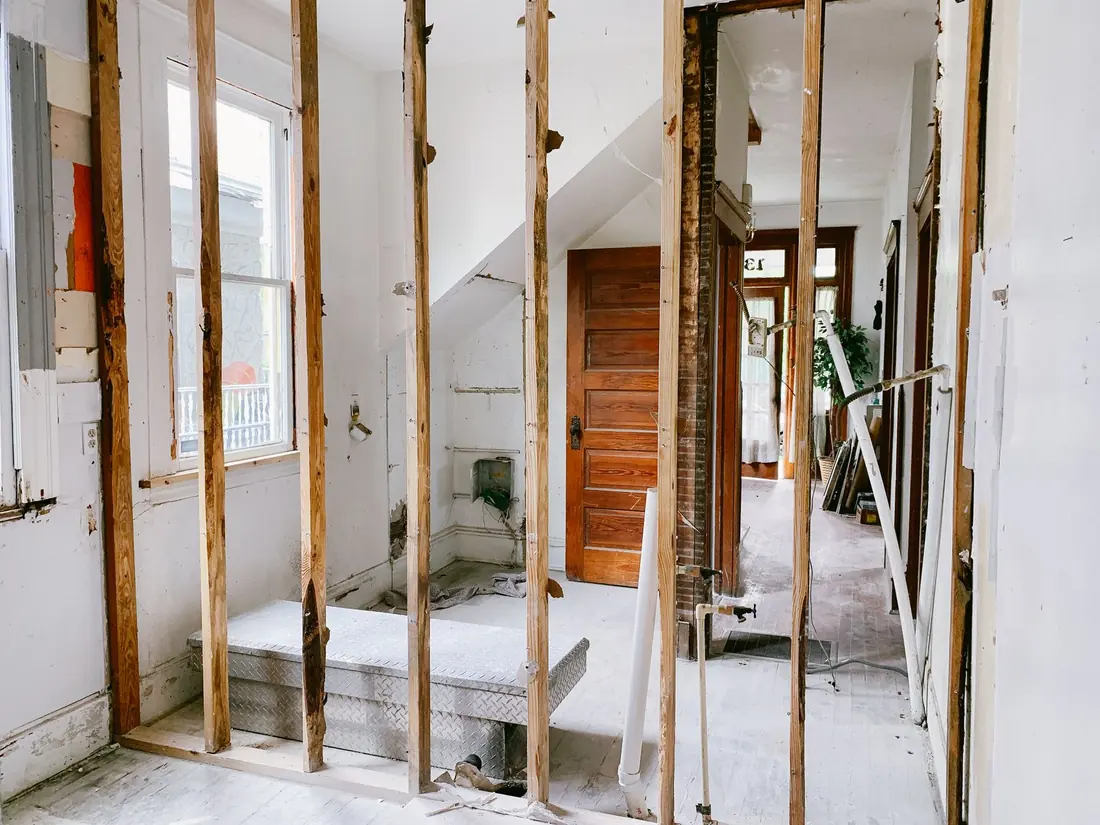
Half of what makes an old house lovable is the stuff a previous owner built with their own two hands: the finished basement, the three-season sunroom, the little apartment over the garage. The other half is that they never pulled a single permit for any of it, and nobody thought twice until you decided to sell. That is the moment selling a house with unpermitted work stops being trivia and turns into a line item.
Here is the honest version. You can sell a house with unpermitted work in Iowa. You have to disclose what you know about it, you have three real paths (permit the work after the fact, list it as-is, or sell it to a cash buyer who takes on the risk), and that finished space will usually cost you something at the appraisal and financing stage. None of that makes the house unsellable. It just means you should pick your route with your eyes open.
The catch runs through the whole sale: the improvement that made the house nicer to live in is the same thing a lender, an appraiser, and a buyer's inspector will flag. Work with that reality instead of hiding it, and you have a clean sale. Fight it, and you have a lawsuit waiting after closing.
What counts as unpermitted work
Unpermitted work is any change to the house that legally needed a permit and never got one. The key word is "legally." Repainting the living room, swapping a faucet, laying new flooring: none of that needs a permit anywhere in Iowa. The trouble starts with anything structural, electrical, plumbing, or square-footage related.
The usual suspects show up over and over when I walk Iowa homes:
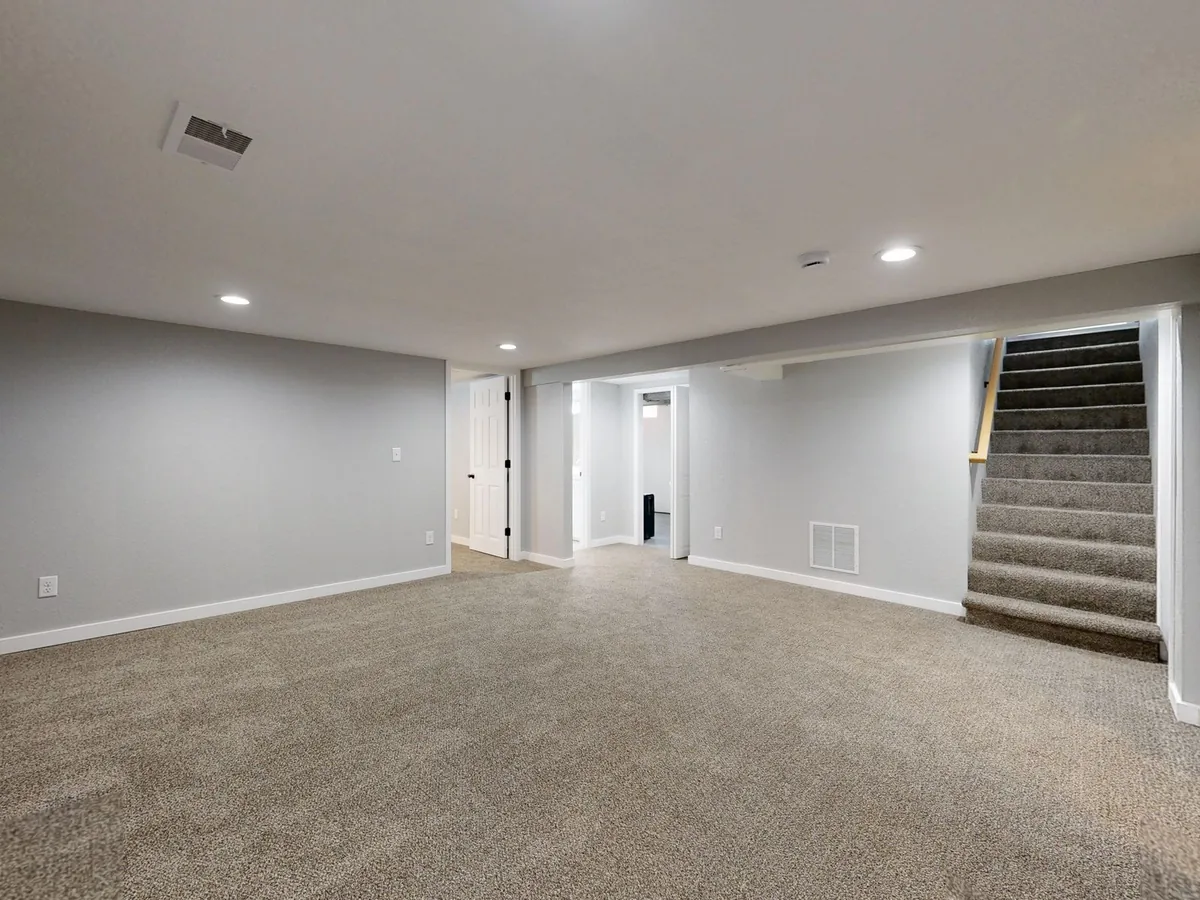
- A basement finished into a bedroom, bathroom, or full apartment
- A garage converted into living space
- An added deck, sunroom, or three-season porch
- A bathroom or bedroom added where there wasn't one
- New electrical circuits or a moved gas line
- A water heater or furnace swapped by a handy neighbor
Roughly 40 to 50 percent of homes have some flavor of unpermitted work in them, so if you just discovered yours, you are in very ordinary company. The reason it matters is that a permit is not bureaucratic theater. It is the paper trail proving a licensed inspector looked at the wiring behind that drywall and agreed it will not burn the house down. No permit means no proof, and "trust me, my brother-in-law does great work" is not something a buyer's lender wants to hear.
A permit is not the city being nosy. It is the one record that says a professional checked the part you can't see anymore.
How do you even find out? Pull the property's permit history from your city or county building department and compare it against what is actually standing there. If the county has three bedrooms on record and the house sleeps five, you have found your unpermitted work.
Do you have to disclose it in Iowa?
Short answer: yes, if you know about it. Iowa requires sellers of most residential property to give buyers a written disclosure of the home's condition, spelled out in the Iowa Code Chapter 558A disclosure statute. Known unpermitted work is a material condition, so it belongs on that form. That holds true even when a previous owner did the work and left you holding the paperwork gap.
People get nervous here, and I understand why. It feels like advertising a flaw. But disclosure is the single cheapest move in this entire process. Write it down plainly: "Basement was finished by prior owner; seller has no record of permits." That one sentence moves the risk to the buyer, who now knows what they are getting and buys anyway. Hide it, and if the buyer later finds an unpermitted addition, you can be on the hook for the fix long after you have spent the money. The federal Consumer Financial Protection Bureau makes the same point to buyers from the other side: the disclosure is protection, for both of you.
You do not need to become an expert on what should have been permitted years ago. You need to report what you know honestly. If you are unsure whether something was permitted, say that too. "Unknown" is a perfectly legal answer. "Nothing to see here" is the one that bites.
Retroactive permits vs. selling as-is
Once the work is disclosed, you have a fork in the road. You can try to make the paperwork right, or you can sell the house the way it stands and let the price reflect it. Both are legitimate. They just suit different sellers.
A retroactive permit (some cities call it an "after-the-fact" permit) means going to the building department, admitting the work exists, and asking them to inspect and approve it now. In many Iowa jurisdictions that is possible. It is also slow and uncertain. The inspector may want walls opened up to see the wiring, may find the framing is not to code, and may hand you a repair list before they will sign off. Budget weeks to months, plus fees, plus whatever the repairs cost. When it works, you get a clean house that any buyer can finance. When it does not, you have spent money to learn the addition needs rebuilding.
Selling as-is skips all of that. You disclose the work, price the house for what it is, and let the buyer take on the permit question. On the open market that narrows your buyer pool and usually trims the price, because financed buyers hit the same appraisal wall you would. Sell as-is to a cash buyer, though, and the permit issue basically evaporates at closing. Here is how the three paths compare:
| Retroactive permit | List as-is | Sell as-is for cash | |
|---|---|---|---|
| Who handles the paperwork | You, before selling | The buyer, after buying | The buyer, after buying |
| Your out-of-pocket cost | Fees plus any code repairs | Usually a price reduction | None |
| Timeline | Weeks to months | Depends on the market | As little as 7 days |
| Best when | The work is solid and nearly to code | It's a hot market and the work is minor | You want it done and off your plate |
There is no universally right answer. If your basement was finished by a real contractor and just missed the permit step, chasing the permit can pay off. If it was a 1990s weekend project with mystery wiring, throwing money at a retroactive permit can turn into a renovation you never wanted. That is usually the point where selling the house as-is starts to look like the sane option.

The financing and appraisal problem
This is the part sellers underestimate, so let me be blunt about it. The reason unpermitted work drags down your sale is not the disclosure. It is the money, and specifically the buyer's money.
When a buyer finances a house, two strangers get a vote: the appraiser and the underwriter. The appraiser sets the value the lender will loan against, and here is the sting: appraisers usually will not give full credit to unpermitted square footage. That gorgeous finished basement with the extra bedroom? On the appraisal, it may count for little or nothing, because it is not part of the legal, on-record house. So a buyer might love the space and still get an appraisal that comes in under the contract price.
Then the underwriter looks at the file, sees work that was never inspected, and starts asking questions. Lenders do not like insuring risk they cannot verify. Some will require the permit be pulled before closing. Some will just decline. Either way, your buyer is stuck, and a deal that felt done falls apart weeks in.
An appraiser is not paid to admire your basement. They are paid to value the house on record, and your basement isn't on it.
Insurance piles on too. Some carriers will deny a claim tied to an unpermitted addition, so if that DIY wiring ever causes a fire, the payout can vanish. None of this is meant to scare you off selling. It is meant to explain why a financed buyer is the fragile link, and why a buyer who is not asking a bank for permission is worth so much peace of mind.

Who buys houses with unpermitted work
Plenty of people, once you get past the financed first-time buyer. The three groups that will happily take a house with unpermitted work are investors, cash buyers, and the rare all-cash retail buyer who does not need a lender's blessing. What they share is simple: no bank in the middle demanding the paperwork be perfect first.
A cash buyer is the cleanest version of that. We take the house as it stands, unpermitted additions included, and we deal with the permit question ourselves after closing. You do not repair anything, you do not pull a retroactive permit, you do not wait on an appraisal that might tank the deal. You disclose what you know, we make an offer, and you close on the timeline that works for you. That is the whole appeal of a buyer who buys houses in any condition.
How does the number get built? A fair cash offer starts from what the house is worth fixed up and fully permitted, then subtracts the cost to make it right (including any permit and code work), the carrying costs, and a modest margin. The unpermitted work shows up as one of those subtractions, honestly accounted for, not as a lowball excuse. I have spent six years in Iowa real estate and bought well over 100 homes, and I would rather show you that math than dress it up. If you want it broken down for your specific house, tell me about the property and I will walk you through it.
One local wrinkle worth knowing: Iowa sales still run on an abstract of title, a running history of the property that a buyer's attorney examines before closing. Unpermitted work does not usually show up in the abstract, but municipal liens or open code cases can. A cash buyer who knows Iowa closings will spot that early instead of at the finish line.
The bottom line
Selling a house with unpermitted work in Iowa is a solvable problem, not a dead end. Disclose what you know, in writing, every time. Then choose your path: chase a retroactive permit if the work is solid and you have the patience, list as-is if the market is hot and the work is minor, or sell to a cash buyer if you would rather hand off the whole headache and be done. The finished basement that felt like a liability is just a detail in the offer, once you stop trying to hide it. If your Iowa house has work that never saw a permit and you would rather not gamble on financing, see where I buy or send me the details and I will give you a fair, no-obligation number.
Unpermitted work and selling: FAQ
Do I have to disclose unpermitted work when selling a house in Iowa?
Yes, if you know about it. Iowa's residential disclosure law requires sellers to report known material defects and conditions, and unpermitted work generally qualifies. Disclose it in writing, even if a previous owner did it. Concealing it is what turns a nuisance into a lawsuit.
Can I get a permit after the work is already done?
Sometimes. Many Iowa jurisdictions allow a retroactive permit, where the city inspects the existing work and you bring it up to code. It can take weeks to months and may mean opening walls, and there is no guarantee the work passes. Call your local building department before you promise a buyer anything.
Will unpermitted work stop a buyer from getting a mortgage?
It can. Lenders get nervous about work that was never inspected, and an appraiser will usually not give value to unpermitted square footage. If the appraisal comes in low or the underwriter flags the work, a financed buyer can walk. Cash buyers do not have that problem.
Does unpermitted square footage count in the appraisal?
Usually not at full value. Appraisers often exclude finished space that was never permitted, or count it at a steep discount, because it is not part of the legal, on-record house. That finished basement can add real living space and still add little to the appraised number.
Can I sell a house with unpermitted work as-is for cash?
Yes. A cash buyer takes the house as it stands, unpermitted additions included, and handles the permit question after closing. You disclose what you know, skip the inspection and appraisal hurdles, and close on your timeline. It is the simplest path when the paperwork is a mess.