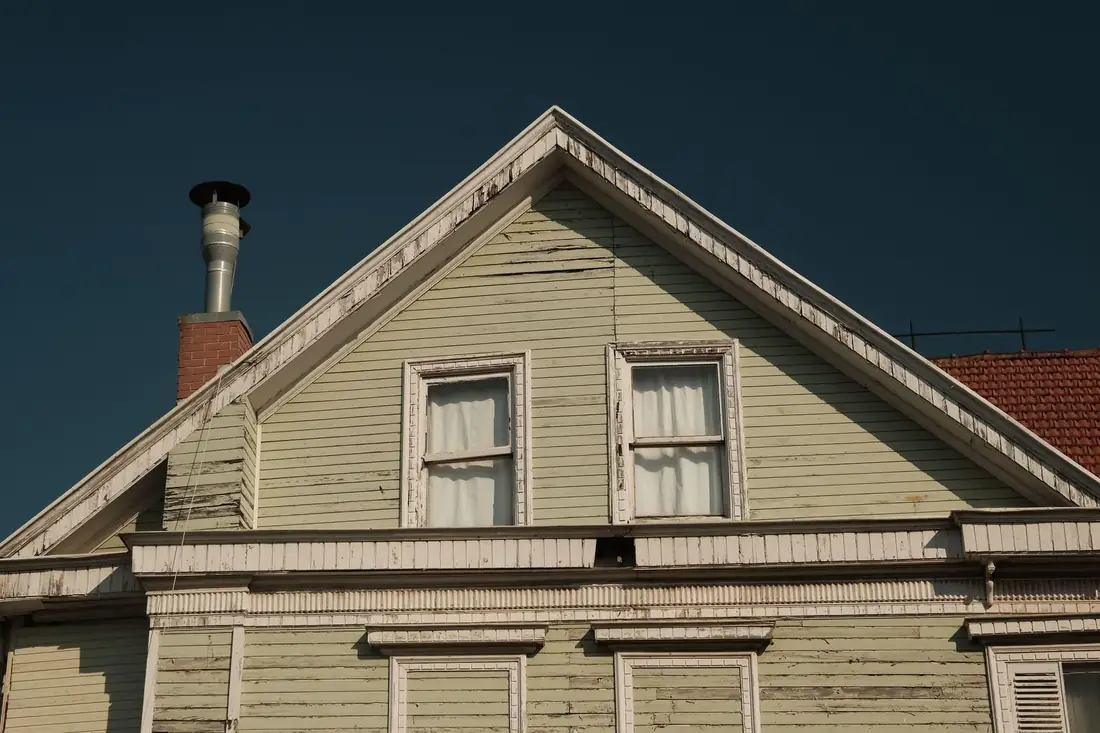
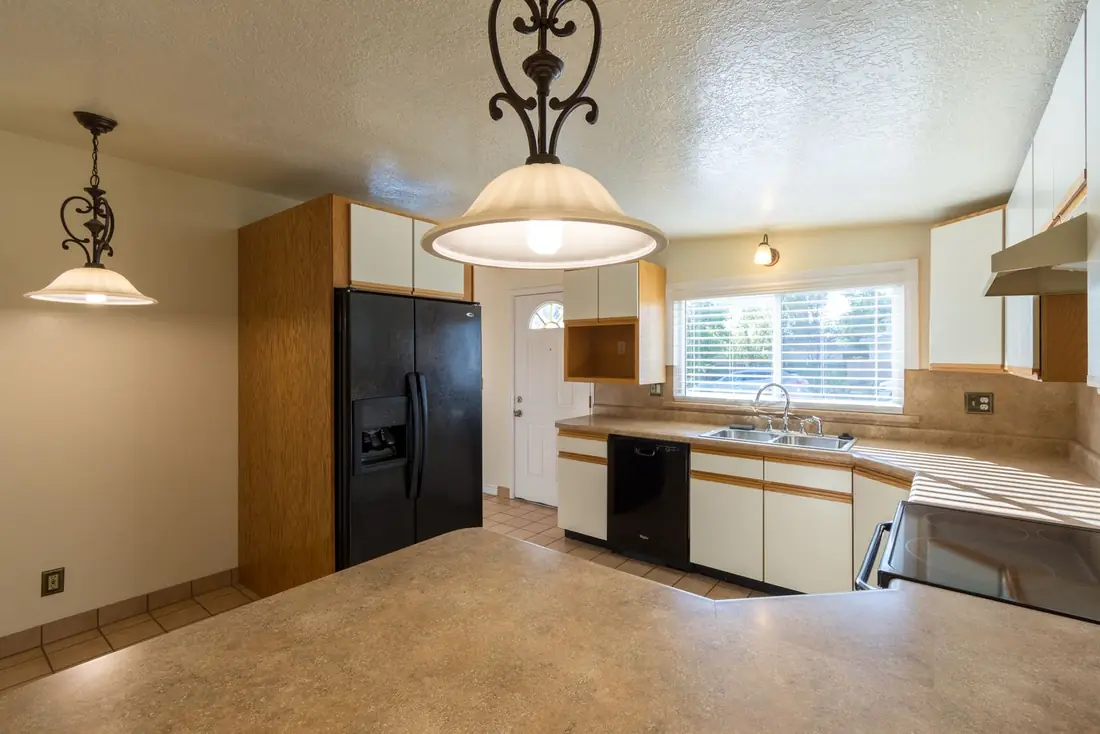
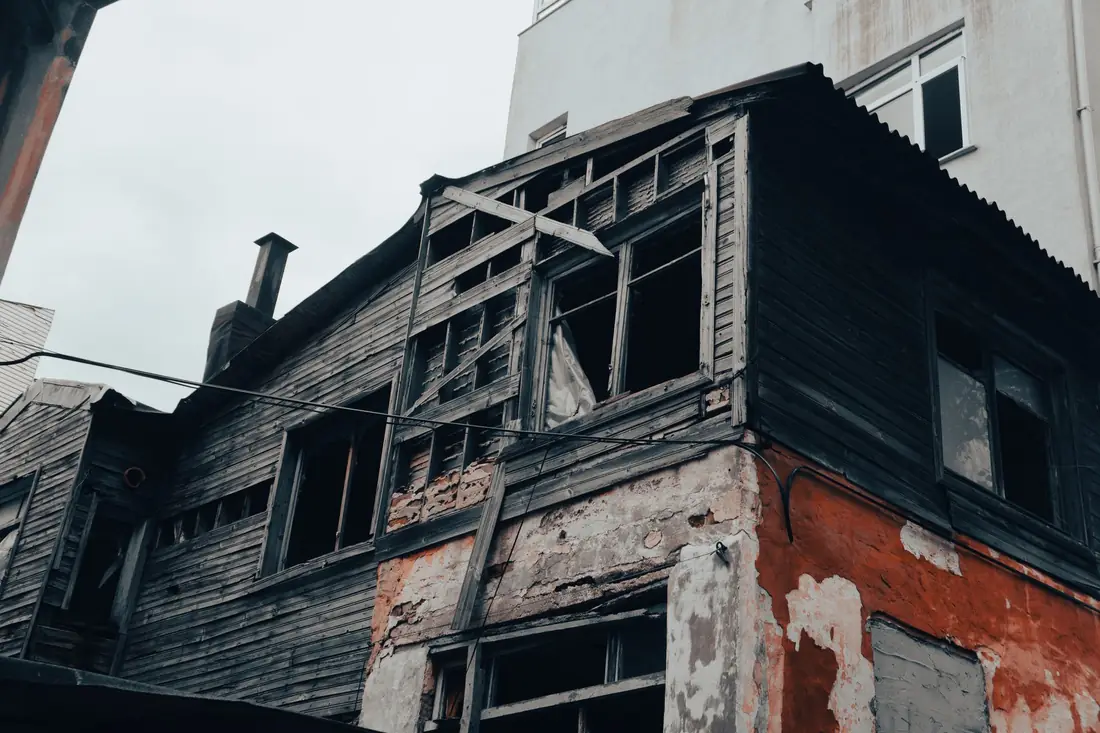
Can you sell a house as-is without an inspection?
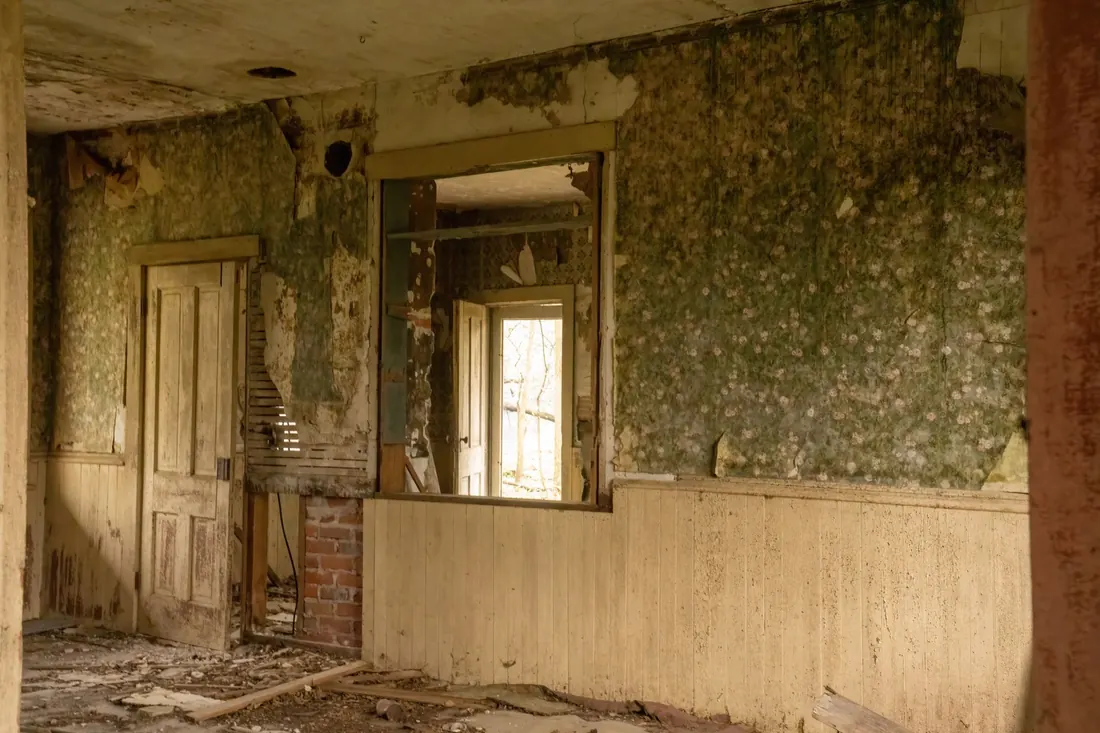
Every seller with an old furnace and a soft spot in the hallway floor carries the same quiet fear about the home inspection: what if the buyer finds it. That single worry is why the words "as-is, no inspection" land like a life raft. So the honest question is whether you can sell a house as-is without an inspection, and what exactly those words do and don't get you off the hook for.
Short version: yes, you can. No law in Iowa (or anywhere else) forces you to order a home inspection before you sell. You can list a house as-is, and you can absolutely sell it to a buyer who never sends an inspector through the door. What you can't do is treat "as-is" as a magic phrase that lets you hide a problem you already know about. That part follows you regardless.
The trap is that "as-is" and "no inspection" are two different promises, and people who blur them together get surprised at the closing table. Here's how each one actually works.

As-is vs. no inspection: not the same thing
People use these two phrases like they mean the same deal, and they don't. Selling as-is is a statement about repairs. It tells a buyer, "The price reflects the current condition, and I'm not fixing anything or handing out credits." It says nothing about whether anyone looks under the sink.
An inspection, on the other hand, is just information. It's a licensed inspector walking the house and writing down what they find, from the roof age to the water heater to the crack in the basement wall. You can sell as-is and still let a buyer inspect. You can sell without an inspection but agree to a repair or two. They're separate levers.
| What it means | Selling "as-is" | "No inspection" |
|---|---|---|
| Covers | Who pays for repairs | Whether the house gets checked |
| Your repair duty | None. You fix nothing. | Depends on the contract |
| Disclosure duty | Still required in Iowa | Still required in Iowa |
| Buyer's choice | Can still inspect | Can waive or keep it |
Why does the difference matter? Because you can offer a house as-is and a traditional buyer can still order an inspection, then use the report to renegotiate or walk. "As-is" limits your obligation to fix. It doesn't stop the buyer from looking, and it doesn't stop a shaky deal from falling apart. If you want to understand the mechanics of an as-is listing more fully, I wrote a longer piece on selling a house as-is in Iowa.
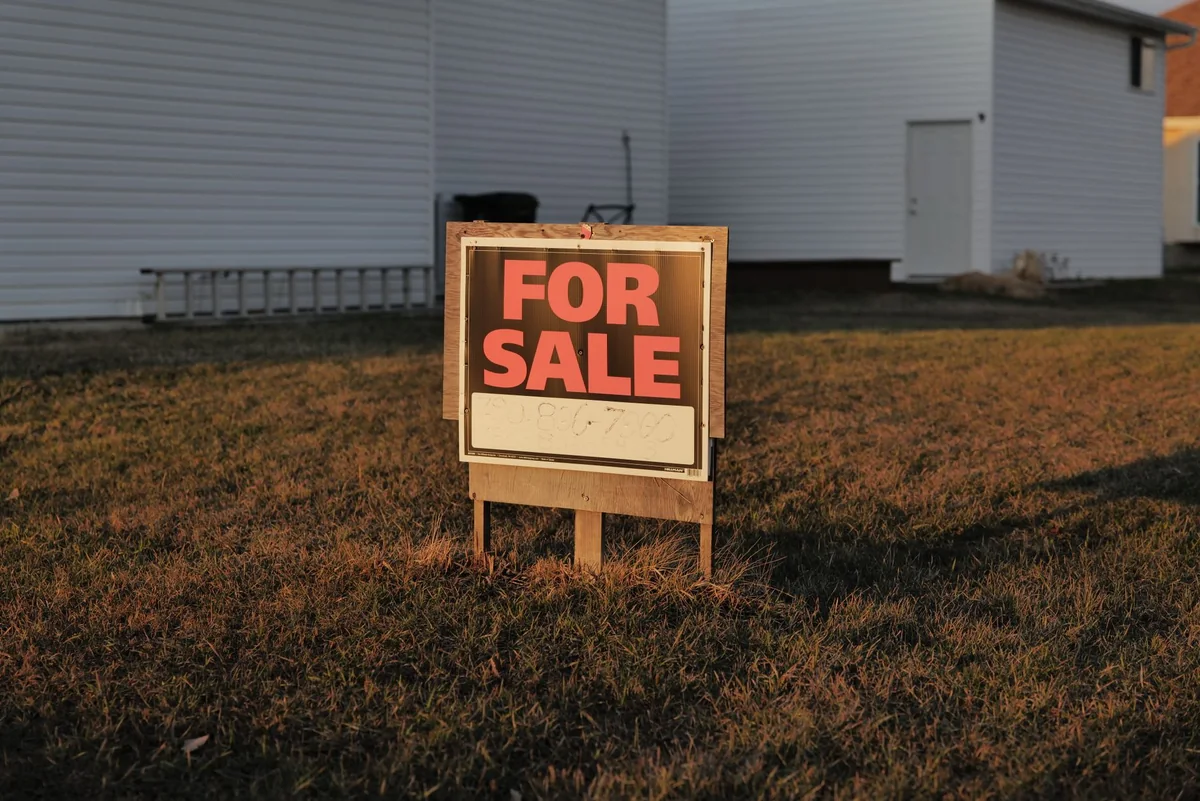
Can you legally skip the inspection?
Yes, and this is the part that trips people up the least once they hear it plainly: there is no rule anywhere that requires a seller to get a home inspected before selling. A pre-listing inspection is a choice some sellers make to get ahead of surprises, not an obligation. If you'd rather not spend a few hundred dollars to be told your 1970s house has 1970s things in it, you don't have to.
The inspection question really belongs to the buyer, not you. A buyer using a mortgage will often want one, and their lender may effectively push for it. A buyer paying cash can waive it. The federal Consumer Financial Protection Bureau describes an inspection as a buyer's tool for understanding condition, which is exactly what it is. Nothing in that puts a duty on you to order one first.
You are never legally required to inspect your own house before selling it. The inspection is the buyer's decision to make, and a cash buyer can skip it.
One aside from six years of doing this in Iowa: the sellers most afraid of an inspection are usually the ones who least need to be. A cluttered garage and a dated kitchen are not the same as a fatal flaw. Buyers who shop as-is houses expect wear. What they don't forgive is a nasty surprise nobody mentioned.
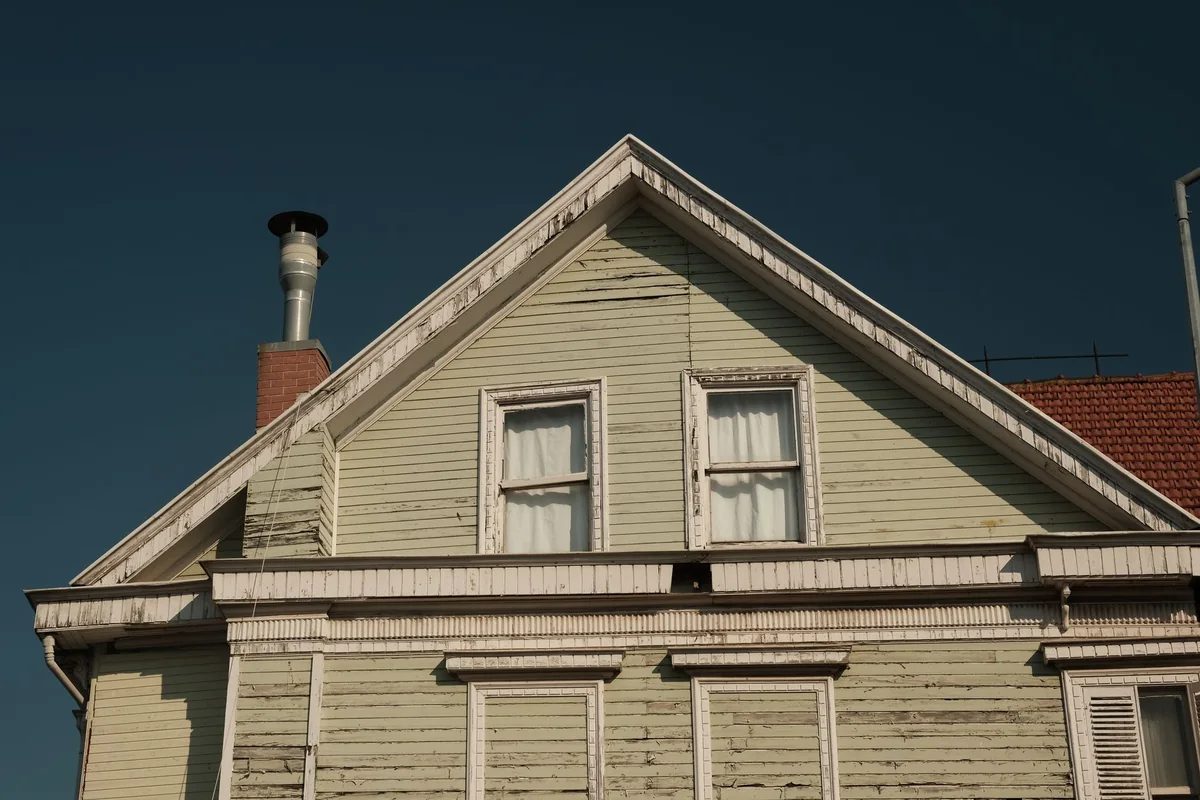
What you still have to disclose in Iowa
Here's the line people miss. Skipping the inspection does not skip your disclosure. In Iowa, most sellers of a residential property with one to four dwelling units have to give the buyer a written property disclosure statement before an offer is accepted, under Iowa Code Chapter 558A. That form asks about the condition of the roof, foundation, plumbing, electrical, HVAC, water, sewer, known infestations, and more.
Selling as-is doesn't erase that duty. As-is means you won't repair the things you disclose. It does not mean you get to stay quiet about the leak you already know is there. If you knowingly hide a material defect, "the house was sold as-is" is a weak shield and a real liability. Honesty on the form is not just legally cleaner, it also keeps a deal from unraveling later.
As-is limits what you have to fix. It does not limit what you have to tell the truth about.
The disclosure has exceptions (certain court-ordered transfers and some estate situations, for instance), so if you're selling an inherited house or a property out of an estate, ask your attorney where you land. If your worry is that being honest on the form will scare buyers off, it usually doesn't. It just filters for the right buyer. And it pairs neatly with knowing what not to bother fixing before you sell, because for a lot of it, disclosing beats repairing.

Who buys without an inspection
If you're selling as-is with no inspection, your buyer pool narrows, and that's fine, because it narrows to the people who actually want that deal. A first-time buyer using an FHA loan probably needs the house to pass muster and can't take on a new roof. A retail buyer with a picky lender will likely want the inspection and the leverage that comes with it.
The buyers comfortable skipping it are usually one of three types:
- Cash buyers and local investors who price the repairs into the offer up front and don't need a lender's blessing.
- Experienced flippers who plan to gut and renovate, so a report telling them the kitchen is dated changes nothing.
- Buyers waiving the inspection to compete, who accept the risk to make their offer cleaner and faster.
For a seller, the practical read is simple: the fewer conditions on the offer, the fewer ways it dies before closing. A buyer who needs an inspection, an appraisal, and loan approval has three trap doors under the deal. A cash buyer who's already seen the house has close to none. If you want the honest rundown on how those companies actually operate, I covered whether we-buy-houses-any-condition offers are the real thing.
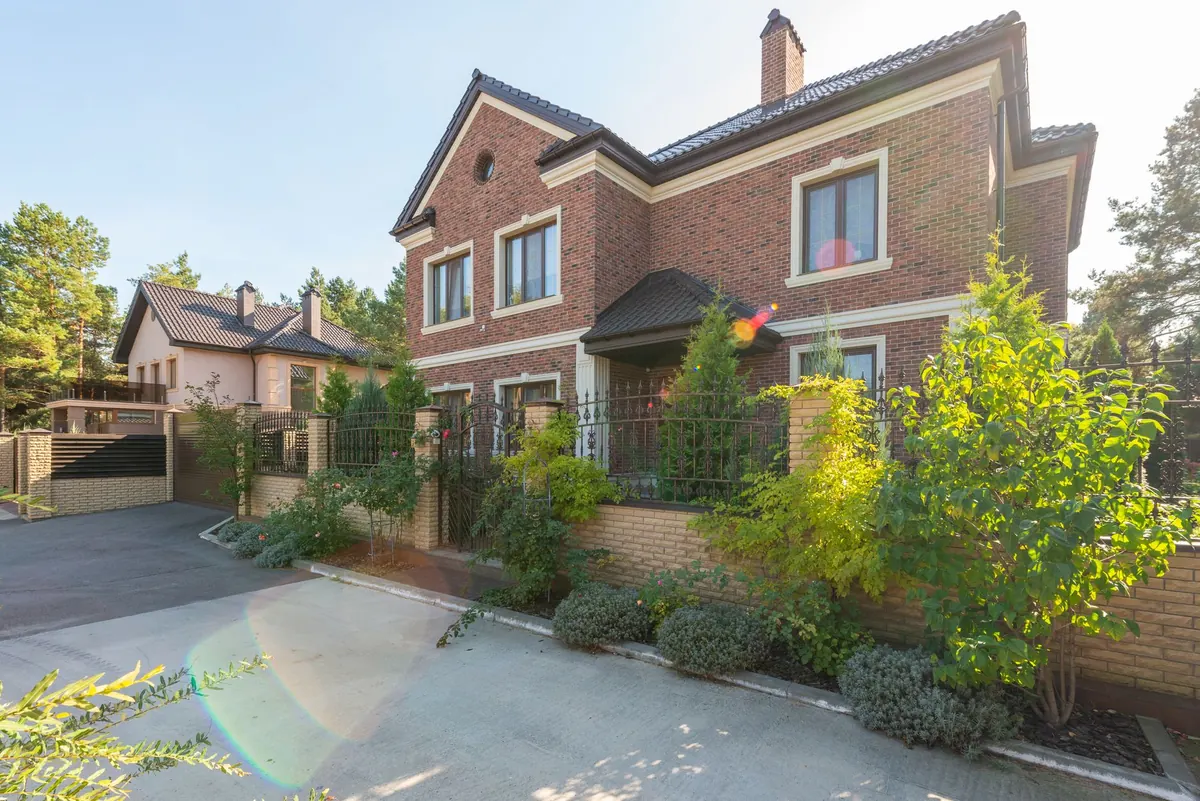
How a cash sale skips the inspection
This is where "as-is, no inspection" stops being a hope and becomes the actual deal. When I buy a house, I come look at it myself. That's not the same as a formal inspection contingency that can reopen the price or kill the sale two weeks in. I'm reading the condition to make my offer, not building a list of demands to hand back to you.
How the number gets built is no mystery. I start with what the house would be worth fixed up, subtract the repairs it needs, subtract the costs of carrying and reselling it, and leave a modest margin. That's the offer. Because the repairs are already priced in, there's no second round of surprises. Nobody comes back after an inspector's visit asking for a $9,000 credit on the furnace, because the furnace was already in the math.
The repairs are already in the offer. That's why a cash sale doesn't need an inspection contingency: there's nothing left to renegotiate.
The practical payoff for you is speed and certainty. No pre-listing inspection to pay for, no buyer's inspector combing the place, no repair negotiation, no financing that can collapse. You get a fair number, you pick the closing date, and you're done. I do this one-on-one across Iowa, from the Des Moines metro to Ames and the smaller towns in between, and you can see exactly how the offer works before you commit to anything. If you'd rather kick the tires first, my background is here.
The bottom line
So, can you sell a house as-is without an inspection? Yes. No one can force you to inspect your own home, and the right buyer won't ask you to. Just keep the two ideas straight: as-is means you won't repair, and no inspection means the buyer chooses not to check, but neither one lets you skip the Iowa disclosure or bend the truth about what you know. Fill out the form honestly, price the house for its condition, and find the buyer who wants it that way.
If that buyer is a cash one, the whole inspection question just disappears. If your Iowa house needs work you'd rather not do, tell me about it and I'll give you a fair, no-obligation number with the repairs already accounted for. No inspector, no repair list, no second-guessing.
Selling as-is without an inspection: FAQ
Can you sell a house as-is without an inspection?
Yes. No law requires you to order a home inspection before you sell, and plenty of sellers skip it. You can list the house as-is or sell it directly to a cash buyer who never sends an inspector through. The one thing you cannot do is use 'as-is' to hide a problem you already know about.
Does selling as-is mean I don't have to disclose problems?
No. In Iowa, most sellers of a home with one to four units must still complete a written disclosure statement under Iowa Code Chapter 558A, even in an as-is sale. As-is limits your obligation to repair, not your obligation to be honest about known defects.
Can a buyer still get their own inspection on an as-is home?
Usually yes. Unless the contract says otherwise, a buyer keeps the right to hire their own inspector. The difference with an as-is sale is that you are not agreeing to fix anything they find or hand over repair credits. Some buyers waive the inspection entirely to make their offer stronger.
Do cash buyers inspect the house before buying?
A local cash buyer will walk the house to understand its condition, but that is not the same as a formal inspection contingency that can blow up the deal. When I make an offer, I have already accounted for the repairs, so there is no second round of surprises at the inspection stage.
Will I get less by selling as-is without an inspection?
Sometimes the headline price is lower, because the buyer is taking on the repairs and the risk. But you save the cost of fixing things, the months of showings, and the negotiation after an inspection report. For a house that needs real work, the as-is number often nets out close once you subtract what repairs would have cost you.