Selling a House With No Central Air in Iowa

A house with no central air sells fine in April and fights you all July. Picture a weekend open house with the windows cracked and a box fan doing its best in the hallway. The buyers walk in, and instead of studying your trim work they are fanning their collars and asking, half-joking, where the thermostat is. A window unit hums in the back bedroom. The upstairs feels like an attic. Selling a house with no central air is rarely about whether the place is livable, because plenty of good Iowa homes never had ducts. It is about what a warm walkthrough does to a buyer's imagination, and how much of that they try to claw back at the negotiating table.
Here's the honest version. No central air is almost never a loan problem. Lenders and appraisers care that a home has a permanent heat source, but central cooling is not on that list, so a missing or dead AC system rarely blocks financing the way no heat can. What it does is soften demand. In an Iowa July, a hot house shows worse, sits a little longer, and hands buyers a reason to chip at your price. The fix is not panic. It is picking the right lever: add cooling, price for it honestly, or sell to a buyer who does not care.
Run the seasons out and the math gets clear. List in October and almost nobody notices the missing ducts. List in a heat advisory and the same house feels like a compromise before a buyer reaches the second bedroom. This post walks through why summer is the whole story, what buyers actually picture when they hear "no central air," whether it touches your loan, and the three honest ways to sell it.

Why no central air is a July problem, not an April one
Central air is the definition of a seasonal defect. Six months a year, nobody thinks about it. The other six, it is the first thing a buyer feels walking through the door, and feelings drive offers more than spec sheets do.
In Iowa the swing is real. A spring showing with the windows open reads as charming and airy. The same rooms in late July, with the humidity parked in the 90s, read as "this is going to cost me." Buyers are not measuring BTUs. They are deciding whether they want to spend their first summer sweating or writing a check to an HVAC company.
(I have watched two nearly identical listings go completely different directions on the calendar alone. The spring one drew a clean offer in a week. The midsummer one sat, took two price drops, and still closed with a cooling credit. Same house, different thermometer.)
If your move is flexible, timing is a genuine tool. Listing in the shoulder seasons, spring or fall, blunts the whole issue. For the bigger picture on when Iowa homes move, here's my take on picking a good time to sell a house in Iowa.
What buyers picture: window units, swamp coolers, a dead condenser
"No central air" is a catch-all, and buyers fill in the blank with the worst version. It helps to know which situation you are actually in, because they land very differently.
- Never had ducts. Older Iowa homes, especially pre-1960 and rural farmhouses, were built for radiators or boilers and window units. There is no ductwork to plug an AC into, which is why adding central air here is a bigger job than a simple swap.
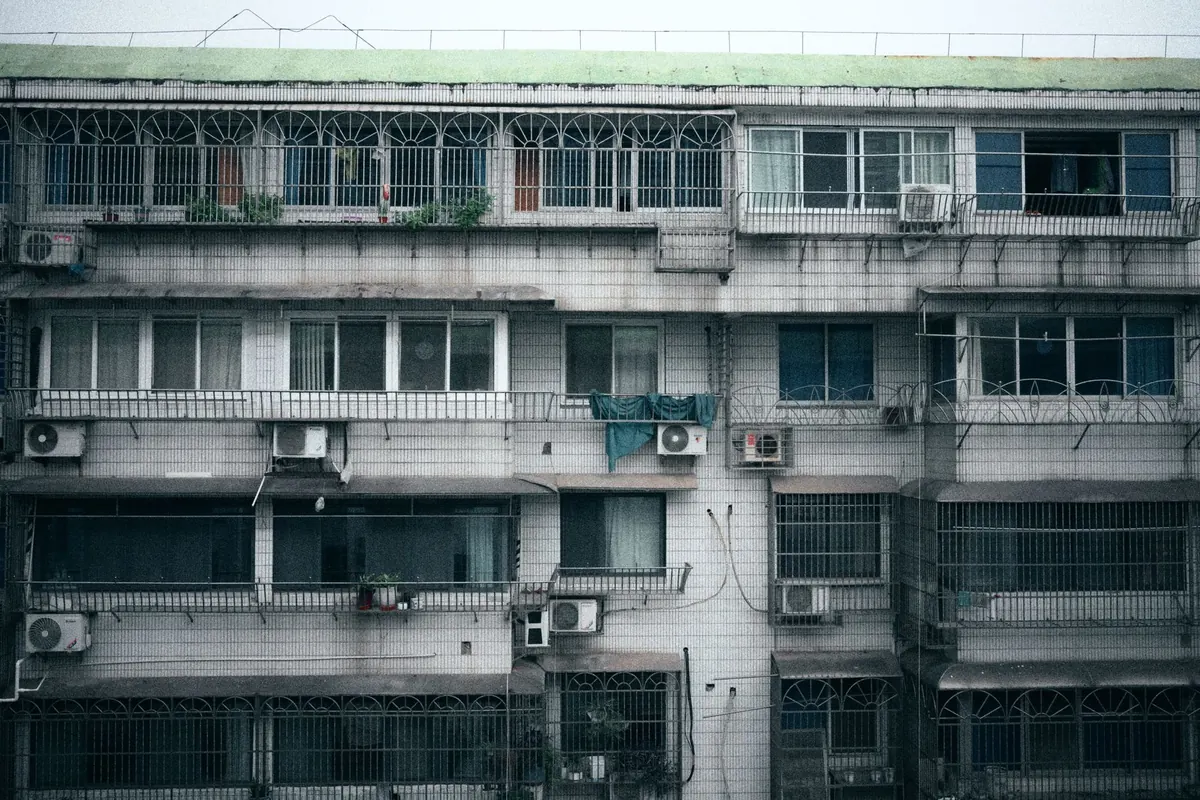
- Window units doing the work. The home is cooled room by room with window ACs. It works, but buyers read it as temporary and a little dated, and they wonder about the rooms that do not have one.
- A swamp (evaporative) cooler. Common on some older or converted homes. It cools but adds humidity, which is a rough trade in a muggy Iowa summer.
- A dead central system. The ducts and a condenser exist, but the outside unit is shot, low on a refrigerant that is no longer made, or simply too old to trust. On paper the home "has central air," but it does not work, and that gap is exactly where buyer distrust lives.
A working window unit and a dead central system are not the same sale. One says "this house cools, just not the fancy way." The other says "something here was neglected," and buyers price the second one harder.
Which situation you are in also shapes your fix, which is the next thing to sort out. A home with no ducts and a home with a broken condenser call for very different moves.
Does no central air block a mortgage or appraisal?
This is the fear that keeps sellers up, so let me be plain: usually not. Conventional, FHA, VA, and USDA loans all require a home to have a permanent, functional heat source. Central air conditioning is not on that list. A house with no AC can still pass an appraisal and close with financing.
That is the key difference between this and a heat problem. A red-tagged furnace or no heat at all can genuinely stall an FHA loan, because heat is a health-and-safety requirement and cooling is not treated the same way. If your issue is actually the furnace, that is a different animal, and I broke it down here: selling a house with a bad furnace in Iowa.
For the federal baseline, the Department of Energy's rundown on home cooling systems is a clean, non-salesy primer worth skimming if you want to understand your options before a buyer brings them up.
So where does no central air actually bite? Not at the closing table, at the negotiating table. A financed buyer can still buy the house. They just may ask for a price cut or a cooling credit to offset what they will spend adding it. That is a money conversation, not a dealbreaker, and money conversations you can plan for.
Your options: add AC, add a mini-split, or price for it
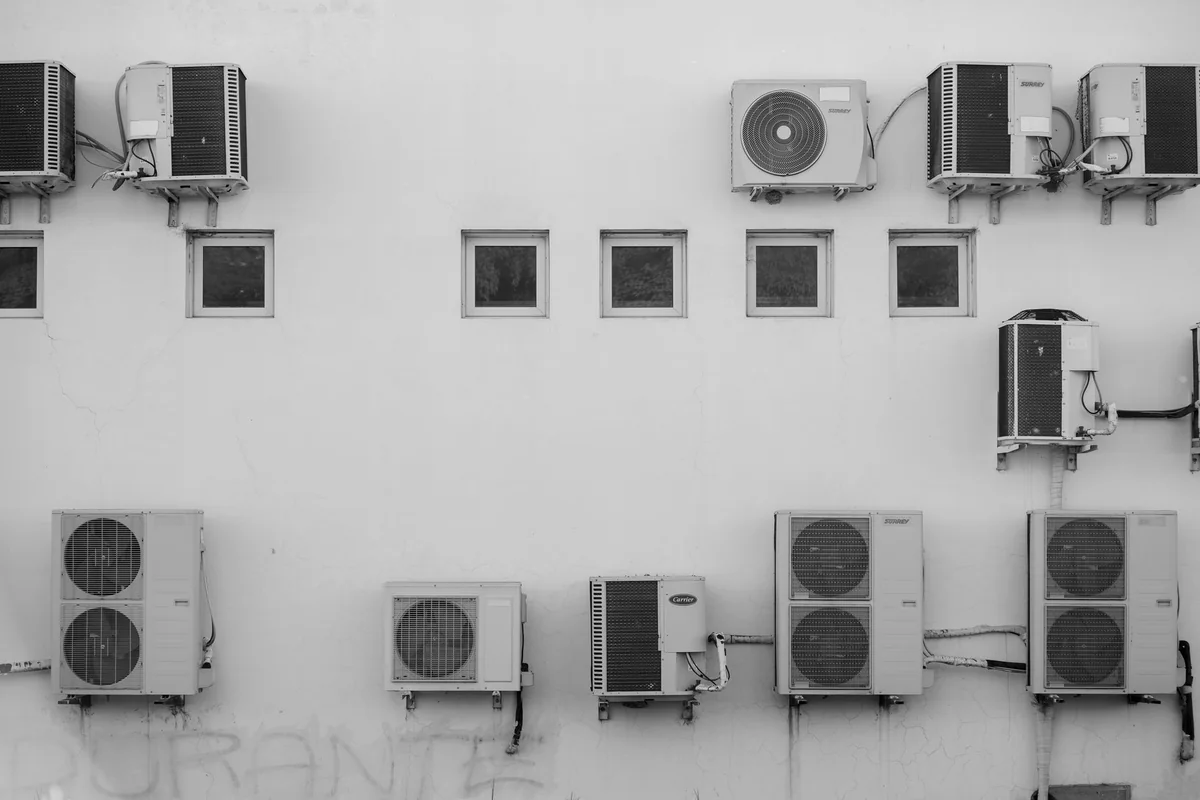
Strip it down and you have a handful of honest moves. The right one depends on your budget, your timeline, and how long you plan to keep paying for a house you are trying to leave.
- Add traditional central air. If ducts already exist, adding a condenser and air handler is the cleanest upgrade and the most familiar to buyers. If there are no ducts, you are paying to run them through walls and ceilings, which turns a moderate project into a major one. Either way, do not expect to recoup the full cost in sale price. Comfort upgrades rarely return dollar for dollar.
- Add a ductless heat-pump mini-split. For a home with no ductwork, a mini-split is often the smarter cooling fix: no ducts required, it both heats and cools, and it runs efficiently. Buyers increasingly recognize them. The ENERGY STAR guide to ductless heating and cooling is a solid reference on what they do. It still costs real money, and the payback at resale is uncertain.
- Leave it and price for it. Perfectly valid. You set the price to reflect a home without central cooling and let the buyer add what they want. This avoids fronting cash on a house you are leaving, and it keeps you working with the market instead of fighting it.
- Sell as-is to a cash buyer. No repairs, no HVAC contractor, no summer-long showing slog. A cash buyer factors the missing cooling into the offer and closes on your timeline. If you want the mechanics, here's how a true as-is sale in Iowa works.
One thing I tell sellers constantly: do not sink money into cooling right before you leave unless the numbers clearly say to. It is easy to spend a small fortune on an HVAC upgrade and get back a fraction of it at closing. This is exactly the kind of project that belongs on the "maybe skip it" list, and I keep a whole rundown of what not to fix when selling a house in Iowa.

What to disclose about cooling on Iowa's form
Iowa requires most residential sellers to fill out a written condition disclosure statement before a sale, and it asks about the home's heating and cooling systems. This is where honesty is not just decent, it is protective.
Say what you actually know. If there is no central air, say so. If a central system is present but does not work, or you are not sure it works, disclose that too. If you cool with window units or a swamp cooler, note it. You are not required to be an HVAC expert or to guess at things you do not know, but you cannot hide a known defect. The Iowa disclosure rules live in Iowa Code Chapter 558A, and "I didn't mention it" is a bad place to stand if a buyer later claims you knew.
The good news: disclosing "no central air" costs you nothing legally. It is a normal, common condition on Iowa housing stock. What gets sellers in trouble is the opposite, implying a system works when it does not. For more on where your responsibility ends after closing, I wrote about whether you're liable after selling a house in Iowa.
(A cash sale does not erase disclosure. But a buyer who already knows the AC is dead and is buying as-is is a very different conversation than a retail buyer who feels surprised at the inspection.)

How a cash sale handles a house with no AC
When the summer showing grind is the part you want to skip, this is the route. A cash buyer is not getting a mortgage, so there is no appraisal to sweat and no financed buyer asking for a cooling credit two days before closing. We look at the home as it is, no central air included, and build that into the number.
The math is not a mystery. It is after-repair value, minus what it costs to add or fix the cooling and anything else the house needs, minus the costs of the sale, minus a fair margin. You are not fronting cash for a mini-split or babysitting an HVAC crew in the heat. You take the offer or you don't.
I've bought over 100 homes across Iowa in six years, and plenty of them cooled with a window unit and a prayer. That is genuinely the work, and I'll also tell you when a cash sale is not your best move. If listing in the fall and skipping the whole issue nets you more, I'll say so. No harm, no foul, I am just one more option. You can read more about how I work if you want the background first.
One local wrinkle worth planning for: Iowa is an abstract state, so closing means updating and examining a physical abstract of title rather than buying title insurance. It adds a few days and trips up out-of-state sellers, and it is one more reason a local buyer who does this every week tends to make the process smoother.
The bottom line
A house with no central air is not a broken house. It is a normal Iowa home carrying a seasonal disadvantage that mostly shows up in one hot stretch of the year. It rarely touches your loan, and it never has to touch your sale. You can add cooling and hope the market pays you back, price the home honestly and let a buyer handle it, list in the cooler months and sidestep the whole thing, or sell as-is to a cash buyer and be done before the next heat wave.
If a summer of warm showings and cooling-credit haggling sounds worse than just being finished, that is exactly the situation I buy in. Tell me about the house and the cooling setup and I'll give you a straight read on your options, including the ones that don't involve selling to me. Request a free, no-pressure cash offer or call 515-216-0652 and we'll talk it through.
Selling a house with no central air: FAQ
Does a house need central air to sell in Iowa?
No. A house with no central air is fully sellable in Iowa, and it is a common condition on older housing stock. Central cooling is not required for a mortgage or an appraisal the way a permanent heat source is. The main effect is on marketability: in hot months a home without AC shows less comfortably and can draw lower offers or requests for a cooling credit.
Will no central air fail an appraisal or block a mortgage?
Usually not. Conventional, FHA, VA, and USDA loans require a home to have a permanent, working heat source, but not central air conditioning. A house cooled by window units, or with no cooling at all, can still pass an appraisal and close with financing. The issue tends to show up in negotiation, not at the closing table.
Is it worth adding central air before selling?
Sometimes, but not always. If ductwork already exists, adding central air is a cleaner upgrade; with no ducts, it becomes a major project, and a ductless mini-split is often the smarter fix. In either case you rarely recoup the full cost in the sale price, so weigh it against simply pricing the home for its condition or selling as-is.
Do I have to disclose that there's no central air in Iowa?
Yes, to the extent you know it. Iowa's residential condition disclosure statement asks about the heating and cooling systems, so you should note that there is no central air, or that an existing system does not work, if that is the case. Disclosing a common condition like no central air costs you nothing; hiding a known defect is what creates liability.
Can I sell a house with a broken or missing AC to a cash buyer?
Yes, and it is a common reason Iowa sellers call us in the summer. A cash purchase involves no lender, no appraisal, and no financed buyer asking for a cooling credit. We buy the house as-is, factor the missing or dead central air into a fair offer, and close on your timeline, often in about a week.