Selling a house with a bad furnace in Iowa
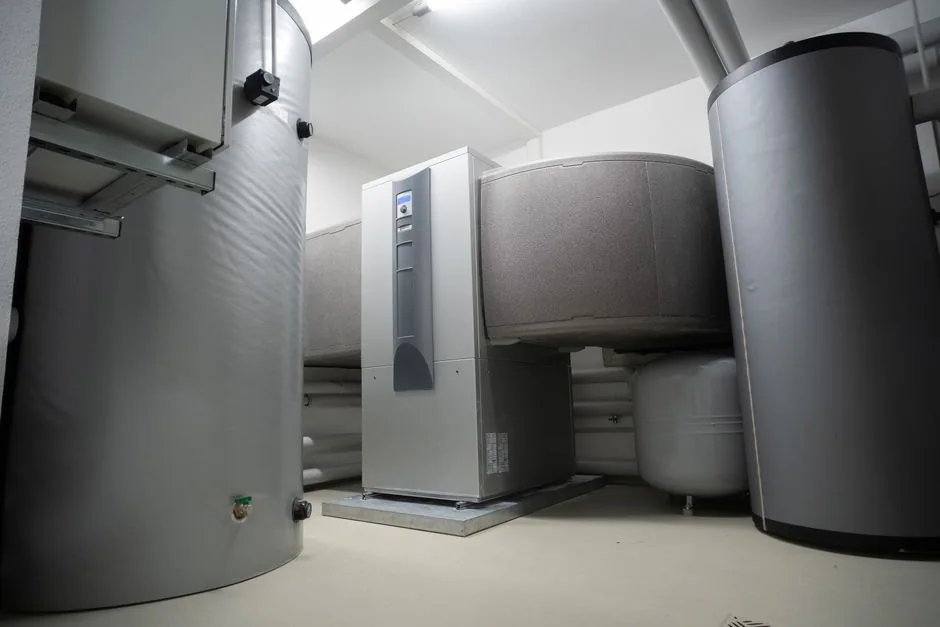
A furnace announces its age the first cold morning it refuses to start. You hear the click, the little whoosh that's supposed to turn into heat, and then nothing but a faint smell of dust while the thermostat ticks down a degree at a time. You stand over the floor vent with your palm out like that will help. Selling a house with a bad furnace feels like bad timing on purpose, because the one system a buyer can't ignore in Iowa is the one that just quit, and every showing now comes with a cold house and a question you don't have a clean answer for.
Here's the honest version. A furnace that's simply old is a negotiating point. A furnace that's dead, unsafe, or red-tagged by the gas utility is a different problem: it spooks buyers, and on a financed sale it can trip the appraisal, because a house with no safe working heat source rarely clears a lender in a state with real winters. From there you have three real moves: replace it and sell, list it as-is on the MLS, or sell it as-is to a cash buyer who prices the furnace in.
A new furnace might win back more than it costs, or it might be good money poured into a house you're leaving. You have to make that single-system call with an Iowa winter bearing down.
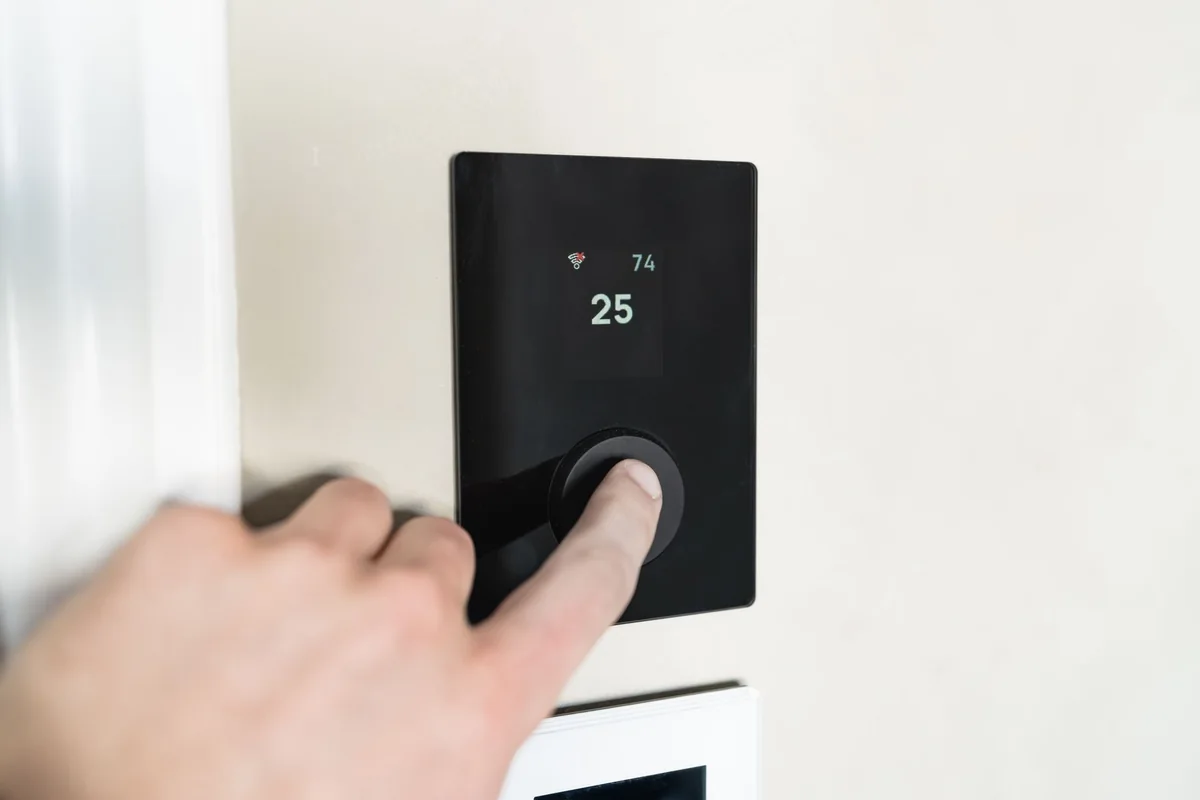
Why a bad furnace spooks Iowa buyers
When people say the furnace "doesn't matter much," they have never sold a house in January. In Iowa, heat isn't a luxury upgrade. It's the thing that keeps the pipes from freezing and the buyer's family from grabbing their coats. A bad furnace hits your sale on two fronts: how the house feels, and how it finances.
The feel is immediate. A cold house shows badly. Buyers linger less, imagine less, and start mentally subtracting for a repair before they have seen the whole place. Sell in the shoulder season and they will at least be comfortable. Sell in a deep freeze and every buyer walks in wearing a coat, which is not the mood you want them in when they write the offer.
The financing side is quieter and more dangerous. When a buyer needs a mortgage, the lender sends an appraiser, and on most loan types that appraiser flags health and safety items, including a working heat source. No heat, or heat that's condemned, can turn into a repair the lender requires before closing. The appraisal exists to protect the lender's collateral, and a house that can't be heated is a bad bet for a 30-year loan. Government-backed loans (FHA and USDA), which a lot of Iowa buyers use, are the strictest, because a permanent, safe heat source is part of their minimum property standards. Fail it and the deal stalls until the furnace is fixed.
(I have watched a financed deal go sideways over a furnace the seller swore "still worked, mostly." Mostly is not a rating an appraiser accepts.)
If your house has more going on than just the furnace, the whole picture is worth reading. Here's an honest look at selling a house in poor condition in Iowa.
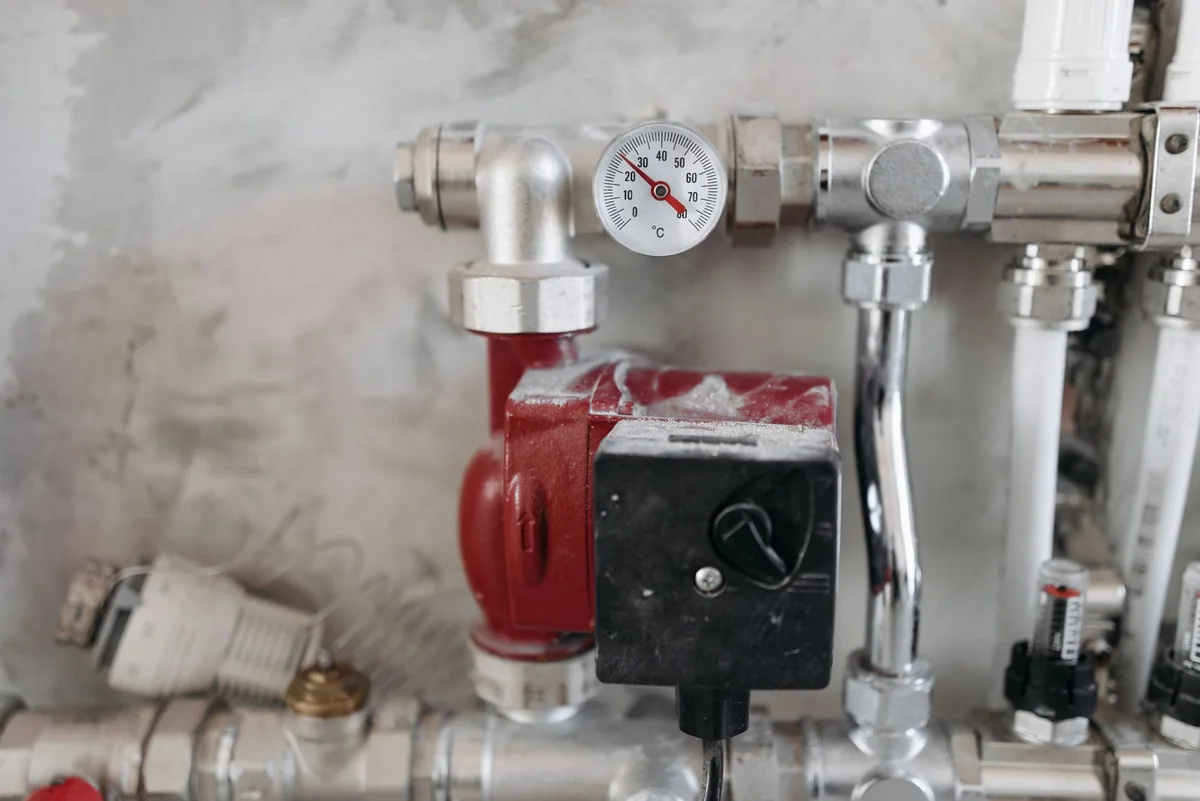
Old, dead, or dangerous: when a furnace is a red flag
There's a real difference between a furnace that's old and a furnace that's dangerous, and it changes how you sell.
An old furnace still runs. It's inefficient, it's loud, it's on borrowed time, but it heats the house. That's a value item: a buyer knocks a little off, you note it, everyone moves on. A dangerous furnace is a stop sign. Three problems matter most here:
- A cracked heat exchanger, which can leak carbon monoxide into the air you breathe. CO is colorless and odorless, which is exactly why it's taken so seriously.
- A red tag. If a technician or the gas utility finds an unsafe condition, they can shut the unit down and tag it, sometimes cutting the gas to it. A red-tagged furnace isn't "as-is." It's off.
- No safe permanent heat. Space heaters in every room might keep you warm, but they don't count as a heat source to an appraiser, and they read as a warning sign to a buyer.
An old furnace is a line item. A red-tagged one is a locked door, and the only people holding a key are cash buyers.
Here's the part sellers forget: as-is does not erase disclosure. Iowa asks most sellers to fill out a written property condition disclosure, and a known furnace problem belongs on it. Selling as-is means you won't fix it, not that you get to stay quiet about it. Say it plainly up front and the deal is far less likely to blow up at inspection. If you're weighing what to touch and what to leave alone, this rundown of what not to fix before selling a house in Iowa is worth a read.
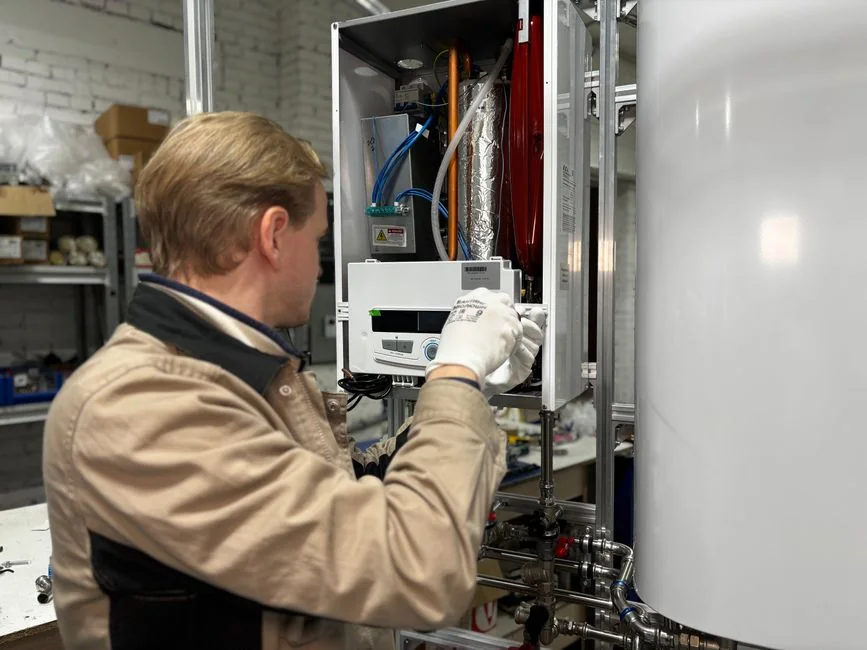
Should you replace the furnace before selling?
Now the real question: do you put a new furnace in before you sell, or not? On a single system the math is cleaner than a whole-house rehab, but it still isn't automatic.
The case for replacing. A working, safe furnace reopens your buyer pool to financed buyers and takes the scariest question off the table. A new furnace typically returns more of its cost than a dead one sitting in the basement, and a dead one returns nothing while it actively costs you buyers. If the rest of the house is solid and the furnace is the one glaring problem, replacing it can be the move that turns a stalled listing into a normal sale.
The case against. It's still real money out of pocket, on a house you're leaving, spent on a system the next owner might have swapped for their own preference anyway. You also spend time: ordering, scheduling, and install, and in Iowa's winter, HVAC crews get backed up exactly when you need one most. If the furnace is one problem among many (roof, wiring, foundation), a new furnace alone won't make the house financeable, and you've spent the cash without moving the needle. The U.S. Department of Energy has a plain-English primer on furnaces and heating systems if you want to understand what a replacement actually involves.
A rule of thumb I use: if the furnace is the last thing standing between your house and a clean sale, replacing it usually pays. If it's one item on a long list, you're better off pricing it in and moving on.
There's a middle path people miss. Have a licensed HVAC tech inspect and document the furnace even if you don't replace it. A written "here's exactly what's wrong and what it costs" turns a buyer's worst-case imagination into a real number, and real numbers negotiate better than fear does.

Your three options, honestly compared
Whatever shape the furnace is in, there are three honest ways out. Here they are, straight, with the catch on each.
1. Replace it, then sell
Put in a new furnace, get the house back to a normal safe-and-sound condition, and list it on the open market. On a mostly solid house this often earns the most, because you reopen the door to every financed buyer. The catch is the cash and the calendar: you pay for the unit and install now, you wait on a crew, and you carry the mortgage, taxes, insurance, and utilities while it happens. If the furnace is the only real problem and your budget is comfortable, this is frequently the smart play.
2. List it as-is on the MLS
Put it up honestly, bad furnace and all, and let buyers come knowing they inherit the heat. You skip the repair spend, but you're fishing in a smaller pond, because financed buyers still trip on the appraisal and the ones left are hunting for a deal. Expect harder negotiation, a longer wait, and a real chance a deal dies at inspection or appraisal and you start over. It can work if the furnace is old but functional. On a dead or red-tagged unit, it often becomes a slow road to the same cash buyer you could have called first.
3. Sell it as-is to a cash buyer
Sell directly to a cash or investor buyer who prices the furnace in and closes fast. You get less than a fixed-up retail price. That's the honest trade, and I won't pretend otherwise. In exchange you pay for zero repairs, chase no HVAC quotes, skip the showings, pick the closing date, and get certainty the deal actually closes, because there's no lender to say no over the heat. On a house that can't get financing anyway, this often nets closest to a listing once you subtract the new furnace, the carrying costs, and the wait. This is the lane I work in; here's what selling a house as-is in Iowa actually means before you decide.
| Path | Best when | The catch |
|---|---|---|
| Replace, then sell | Furnace is the only real problem and you have cash and time | Money up front, a wait on a winter-busy HVAC crew, carrying costs |
| List as-is on MLS | Furnace is old but still runs and heats the house | Smaller buyer pool, hard negotiation, deals that die at the appraisal |
| Sell as-is for cash | Dead or red-tagged furnace, tight timeline, no repair budget | Lower price in trade for speed, certainty, and zero repair spend |
Here's how a fair cash buyer builds the number, so it isn't a mystery: we start with the after-repair value (what the house is worth fixed up), then subtract the repairs (the furnace included), the holding and selling costs, and a margin to make the risk worth it. That's why the offer comes in under retail, and also why a red-tagged furnace on top of other issues widens the gap. No games, just arithmetic. If you want to see how the rest of a cash sale runs start to finish, walk through how the process works.
One honest note, because it's how I run things: sometimes a cash sale is not your best move, and I'll say so. If the furnace is your only problem and you've got the time and budget, replacing it and listing will likely net you more, and I'd rather tell you that than talk you out of money. I'm one more option, not the only one. If it's a fit, this is where I buy houses across Iowa.
The bottom line
Selling a house with a bad furnace isn't hopeless. It's a heating problem before it's a sale problem, because in Iowa the furnace quietly decides who's allowed to buy. Sort the situation honestly. Furnace old but working and the house is solid? A new unit, or a clear repair quote, keeps you on the open market. Dead, cracked, or red-tagged with other repairs stacked behind it? A cash sale usually wins on what actually lands in your pocket once the furnace and the waiting come out.
If you want the honest math on your specific house, cold furnace and all, tell me about it and I'll send a fair, no-obligation cash offer within 24 hours, with no repairs, no HVAC quotes to chase, and no fee. I buy houses across the Des Moines metro and the rest of Iowa, and if replacing the furnace and listing is your smarter move, I'll tell you that too.
Selling a house with a bad furnace: FAQ
Can you sell a house with a bad or broken furnace?
Yes. You can always sell a house with a bad furnace. The question is who can buy it and at what price. A furnace that still runs is a negotiating point. A dead, unsafe, or red-tagged furnace narrows your buyer pool, because a house with no safe working heat can be hard to finance in Iowa. You can replace it and sell, list it as-is on the MLS, or sell it as-is to a cash buyer who prices the furnace in.
Does a bad furnace affect getting a mortgage or the appraisal?
It can. On most loan types the lender's appraiser flags health and safety items, and a permanent, safe heat source is one of them. If the furnace is dead, condemned, or red-tagged, the underwriter can require it be fixed before closing. Government-backed loans like FHA and USDA are the strictest, because working heat is part of their minimum property standards. No heat can stall or kill a financed deal, which pushes the house toward cash buyers.
Should I replace the furnace before selling my house?
It depends on the rest of the house. If a bad furnace is the one glaring problem on an otherwise sound home, replacing it usually pays, because it reopens your buyer pool and takes the scariest question off the table. A new furnace returns more than a dead one, which returns nothing. But if the furnace is one item on a long list of repairs, a new furnace alone will not make the house financeable, and you may be better off pricing it in and selling as-is.
What is a red-tagged furnace, and can you still sell the house?
A red tag means a technician or the gas utility found an unsafe condition, like a cracked heat exchanger or a carbon-monoxide risk, and shut the furnace down, sometimes cutting the gas to it. The house can still be sold, but a red-tagged furnace usually rules out financed buyers until it is fixed, so cash and investor buyers become the realistic market. You must still disclose the red tag to any buyer.
Do I have to disclose a furnace problem when selling as-is in Iowa?
Yes. Iowa requires most sellers to give the buyer a written property condition disclosure, and selling as-is does not erase your duty to disclose known defects. A dead furnace, a cracked heat exchanger, or a red tag belongs on that form. As-is means you are not agreeing to fix the furnace, not that you get to stay quiet about it. Disclosing up front also keeps the deal from falling apart later.