Selling a House on Contract in Iowa: What It Really Means
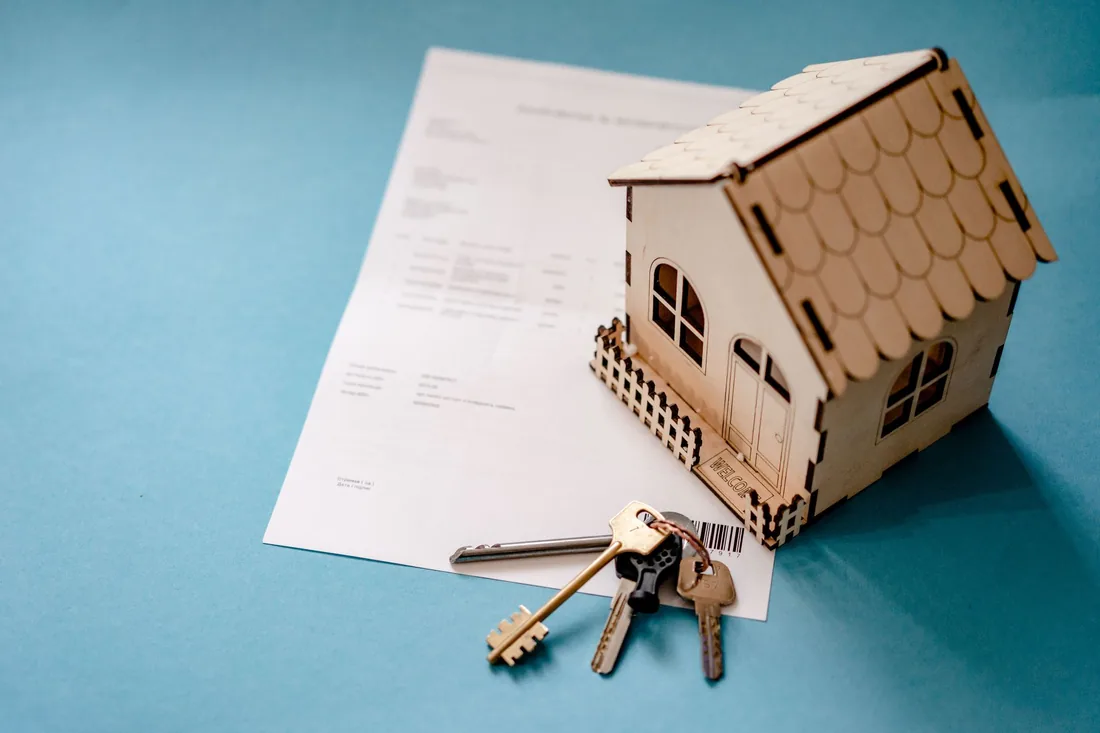
Selling on contract means you hand over the keys but keep the risk on the books. Picture a buyer who loves your place and can cover a monthly payment, but no bank will touch them yet: maybe they are self-employed, rebuilding credit, or new to the country. You could turn them away, or you could become their lender. That is the deal at the heart of selling a house on contract in Iowa, also called a contract for deed or an installment land contract. The buyer moves in and pays you directly over time, while your name stays on the title until the final payment clears.
Here is the honest version. A contract for deed is a private installment sale: you, the seller, keep legal title while the buyer takes possession and equitable title, then pays you in installments until the balance is gone. It is common in Iowa and the rural Midwest because it lets you sell to a buyer who cannot get a traditional loan, and it can spread your taxable gain across years instead of landing in one lump. The trade is real, though. Until that last payment, you carry the risk.
A bank hands the risk to itself when it lends. Sell on contract and you become the bank. That means a missed payment two winters from now, a furnace that dies while someone else is living in the house, and a title still tied to your name are all yours to manage, not the buyer's. Whether that is a smart trade or a slow headache comes down to who your buyer is and how the paperwork is written.
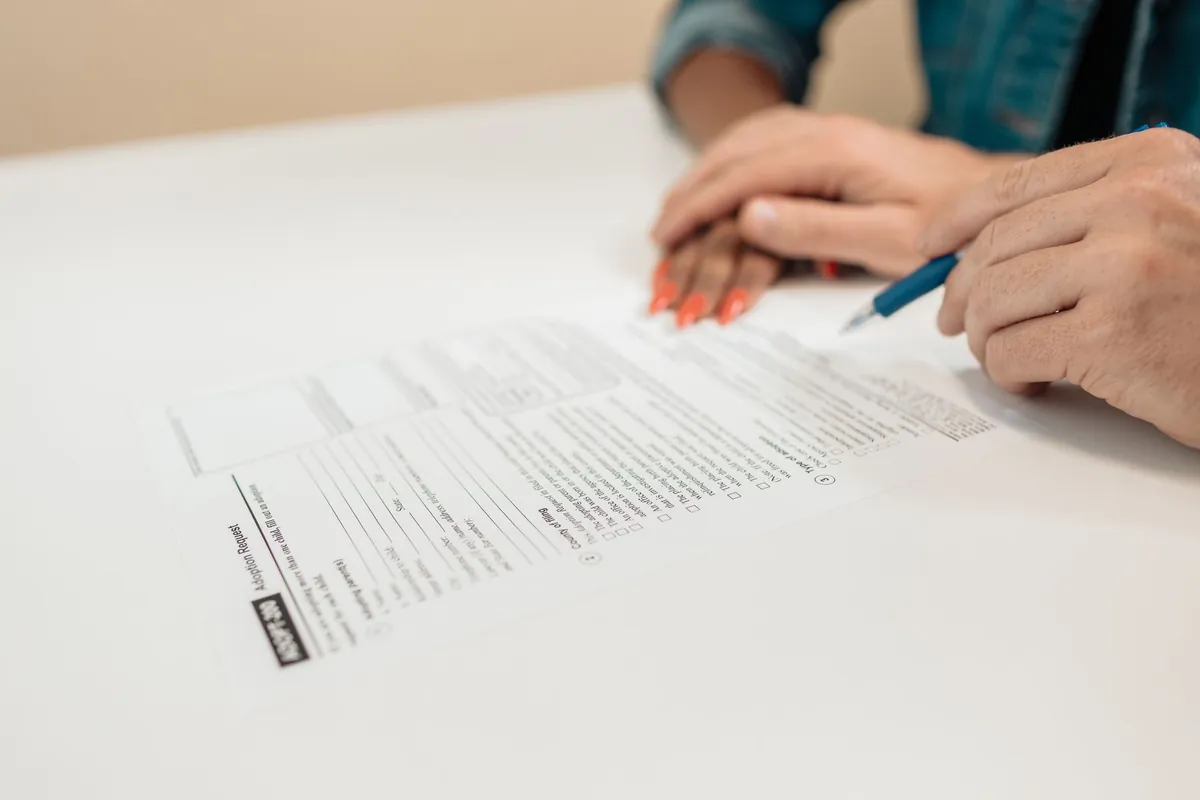
What selling on contract actually means in Iowa
Strip away the jargon and it is simple. A normal sale has a bank in the middle: the buyer borrows, the bank pays you in full at closing, and you are done. A contract for deed cuts the bank out and puts you in its seat. The buyer agrees to a price, usually puts down some money, and then pays you in monthly installments with interest until the balance is gone.
The key word is title, and this is where a lot of sellers get confused. In a contract for deed, the title splits in two:
- Legal title stays with you, the seller, until the buyer makes the final payment. Your name is on the deed the whole time.
- Equitable title goes to the buyer right away. They take possession, live in the home, and build ownership as they pay, but they do not hold the deed yet.
So the buyer gets the keys, the yard, the leaky faucet, and the property tax bill, while you keep the actual deed as security. When the last payment lands, you sign the deed over and legal title finally transfers. That gap, sometimes a few years, sometimes many, is the whole ballgame.
This matters more in Iowa than in a lot of states because Iowa is an abstract state. Instead of title insurance, we use a physical abstract of title that gets updated and examined by an attorney before a transfer. When your contract buyer eventually pays off and you deed the property over, that abstract has to reflect the contract and the release cleanly, which is one more reason to record everything from day one. If the abstract angle is new to you, the same idea shows up when selling a house with title problems in Iowa.
(I have watched handshake versions of this go sideways. A relative sells to a relative, nothing gets recorded, and three years later nobody can prove what was agreed. Do not do the kitchen-table version.)

Why Iowa sellers still use a contract for deed
If it comes with strings, why has this been a fixture in Iowa for so long? Because it solves real problems that a bank sale cannot.
You reach buyers a bank rejects. Plenty of good, reliable people cannot get a mortgage right now: the self-employed contractor whose income looks lumpy on paper, someone rebuilding after a rough patch, a young buyer with a thin credit file. Selling on contract lets you sell to them anyway, which widens your buyer pool for a house that might sit otherwise. It is a cousin of selling a house without a realtor in Iowa: you are taking a piece the middleman usually handles into your own hands.
You can spread out the taxable gain. Because you collect the price over years instead of all at once, an installment sale can let you report the gain across the years you actually receive it, rather than in a single tax year. That can soften the tax hit compared with a lump-sum sale. The IRS lays out the mechanics of installment sales in Topic No. 705, and it is worth reading before you assume the savings apply to your situation.
You can earn interest and a higher total price. You are the lender now, so you collect interest on the balance. Sellers will often accept a contract in exchange for a stronger total number and steady monthly income, which is appealing if you do not need all the cash today.
A contract for deed is not a discount sale. Done right, you can come out ahead on total dollars. You are just trading a fast, clean check for years of being the bank.
None of that is a reason to rush in, though. Every one of those upsides sits on top of a foundation of trust in your buyer, and that foundation is exactly what the next section pokes at. If your gut says you would rather not be anyone's lender, that is a completely valid answer, and it points you toward selling your house for cash in Iowa instead.
The catch: the risk stays on your books
Here is the part the "seller financing is easy money" crowd skips. When you sell on contract, you keep a bundle of risk that a normal sale hands off the day you close. Walk through it honestly before you sign anything.
Buyer default. The single biggest risk. If your buyer stops paying, you do not simply keep the money and the house free and clear. You have to work through Iowa's forfeiture process (more on that next), which takes time and usually a lawyer. Meanwhile the payments you were counting on have stopped.
Property damage and neglect. The buyer lives there and is supposed to maintain the place, but people who fall behind on payments often fall behind on upkeep too. If you end up taking the house back, you may inherit deferred maintenance, damage, or a home that needs real work. That is a familiar story if you have ever looked at selling a house that needs repairs in Iowa.
You may still be on the hook for a mortgage. This is the trap that catches people. If you still owe a mortgage on the property, most loans carry a due-on-sale clause that lets your lender demand the full balance when you transfer the property, and a contract for deed can trip it. Worse, you stay legally responsible for that mortgage even though your buyer is the one living there and paying you. If they stop, you still owe the bank. The interplay between an existing loan and a sale is its own topic, covered in selling a house with a mortgage in Iowa.
None of these are reasons to never do it. They are reasons to do it with your eyes open, a solid contract, and a buyer you have actually vetted. Which is the perfect moment to talk about what happens when it goes wrong.

If the buyer stops paying: Iowa's forfeiture process
So the payments stop. What now? The good news is that Iowa gives contract sellers a clear remedy. The less-good news is that it is a legal process with steps, not an instant repossession.
Iowa's tool here is forfeiture under Iowa Code Chapter 656. In plain terms, forfeiture lets you cancel the contract and reclaim the property when the buyer defaults. But you cannot just change the locks. You have to serve the buyer a proper written notice of forfeiture and give them a set window to cure the default, meaning to catch up on what they owe. Here is how it tends to play out:
- The buyer defaults by missing payments or breaking another term of the contract.
- You serve written notice of forfeiture, following the statute's requirements exactly.
- The buyer gets a cure window. If they pay up within it, the contract continues as if nothing happened.
- If they do not cure, you can complete the forfeiture, cancel the contract, and take the property back, keeping the payments made to that point.
Because the notice requirements are specific and a misstep can blow up the whole process, this is not a do-it-yourself moment. Get a real estate attorney to handle the forfeiture. This is also exactly why recording the contract at the county recorder from the start matters so much: a recorded contract puts the arrangement on the public record, protects your position, and keeps that Iowa abstract clean when the property changes hands one way or the other. Iowa's rules on recording instruments live in Iowa Code Chapter 558.
(The sellers who get burned are almost always the ones who never recorded and never had a lawyer draft the thing. The process exists to protect you. It only works if you set it up right on day one.)

Contract for deed vs. selling for cash
This is the fork in the road, so let me lay the two side by side without spin. A contract for deed and a cash sale solve different problems, and the right one depends on whether you want income and upside or certainty and a fast, clean exit.
| Selling on contract | Selling for cash | |
|---|---|---|
| How you get paid | Monthly installments with interest, over years | One payment at closing, in as few as 7 days |
| Who carries the risk | You: default, damage, and any mortgage still in your name | The buyer, the moment it closes |
| Total dollars | Potentially higher, with interest, if all goes well | Below retail, but certain and immediate |
| Taxes | Gain can be spread across years | Gain generally realized in the year of sale |
| Effort after closing | Ongoing: collect, track, and enforce for years | None: you walk away done |
| Best when | You trust the buyer and want steady income | You want speed, certainty, and no strings |
Neither is "the smart one." They fit different situations. If you inherited a rural place, do not need the cash today, and have a buyer you trust, a well-drafted contract can be a genuinely good deal. If you are dealing with a foreclosure clock, a divorce, a job move, or a house that needs work you do not want to babysit, the ongoing-risk part of a contract is the last thing you need, and a cash sale gets you out clean.
That is my lane, so I will be straight about it. When I buy a house for cash, there is no financing to fall through, no appraisal, and a clean cash sale can close in as little as seven days versus the 30 to 60 a listed sale often takes. Here is how a fair cash offer gets built so it is not a black box: start with the after-repair value (what the home is worth fixed up), subtract the repairs, subtract holding and selling costs, and subtract a margin that makes the risk worth taking. That is the number, and it is why a cash offer comes in under retail. You can see how the cash process works step by step or where I buy across Iowa.
And because it is how I run things: if selling on contract or listing would net you more and you have the time and the stomach for it, I will tell you that. I am one more option, not a pressure pitch.
The bottom line
Selling a house on contract in Iowa is a real, legal, time-tested way to sell, especially to a buyer no bank will finance. You keep legal title until the buyer pays in full, they get possession and equitable title along the way, and you can spread out the taxable gain and earn interest on the balance. The catch is that you stay the bank for years, carrying the risk of default, damage, and any mortgage still in your name. Iowa's Chapter 656 forfeiture process is your backstop if it goes wrong, but only if you recorded the contract and had a real estate attorney draft it. Do not skip either.
If you would rather trade all of that for a clean, one-time close, that is exactly what I do. Tell me about your house and I will send a fair, no-obligation cash offer within 24 hours, with no repairs, no fees, and no pressure. I buy houses across the Des Moines metro and the rest of Iowa, and if a contract or a listing is your smarter move, I will say so.
Selling on contract in Iowa: FAQ
What does it mean to sell a house on contract in Iowa?
It means you finance the sale yourself instead of a bank doing it. In a contract for deed (also called an installment land contract), the buyer takes possession and equitable title and pays you directly in installments, while you keep legal title to the property until the balance is paid in full. Only then does the deed transfer. It is a private seller-financing arrangement, and it is common in Iowa and the rural Midwest.
Is a contract for deed legal in Iowa?
Yes. Contracts for deed are legal and widely used in Iowa, especially for buyers who cannot get a traditional bank loan. The contract should be in writing, recorded with the county recorder, and ideally drafted by a real estate attorney so both sides are protected. Iowa law also gives sellers a specific forfeiture process under Chapter 656 to reclaim the property if the buyer defaults.
What happens if the buyer stops paying on a contract for deed in Iowa?
You do not just get the house back automatically. Iowa has a forfeiture process under Chapter 656 that lets a seller cancel the contract and reclaim the property when the buyer defaults, but it requires serving a proper written notice and giving the buyer a set window to catch up. If they cure the default, the contract continues. If they do not, you can complete the forfeiture. Because the steps are specific, most sellers use a real estate attorney to handle it correctly.
Can I sell on contract if I still have a mortgage?
You can, but be careful. Most mortgages have a due-on-sale clause that lets the lender demand full payoff if you transfer the property, and a contract for deed can trigger it. You also stay legally on the hook for that underlying mortgage even though someone else is living in and paying for the home. If your buyer stops paying, you still owe the bank. Talk to a real estate attorney before selling on contract with a loan still on the property.
Is selling on contract better than selling for cash?
It depends on what you value. A contract for deed can bring a higher total price over time, monthly income, and spread-out taxable gain, but you carry years of risk: buyer default, property damage, and any mortgage still in your name. A cash sale trades that upside for a clean, one-time close in as little as seven days with no ongoing risk. If certainty and a fast exit matter most, cash usually wins. If steady income and you trust the buyer, a contract can make sense.