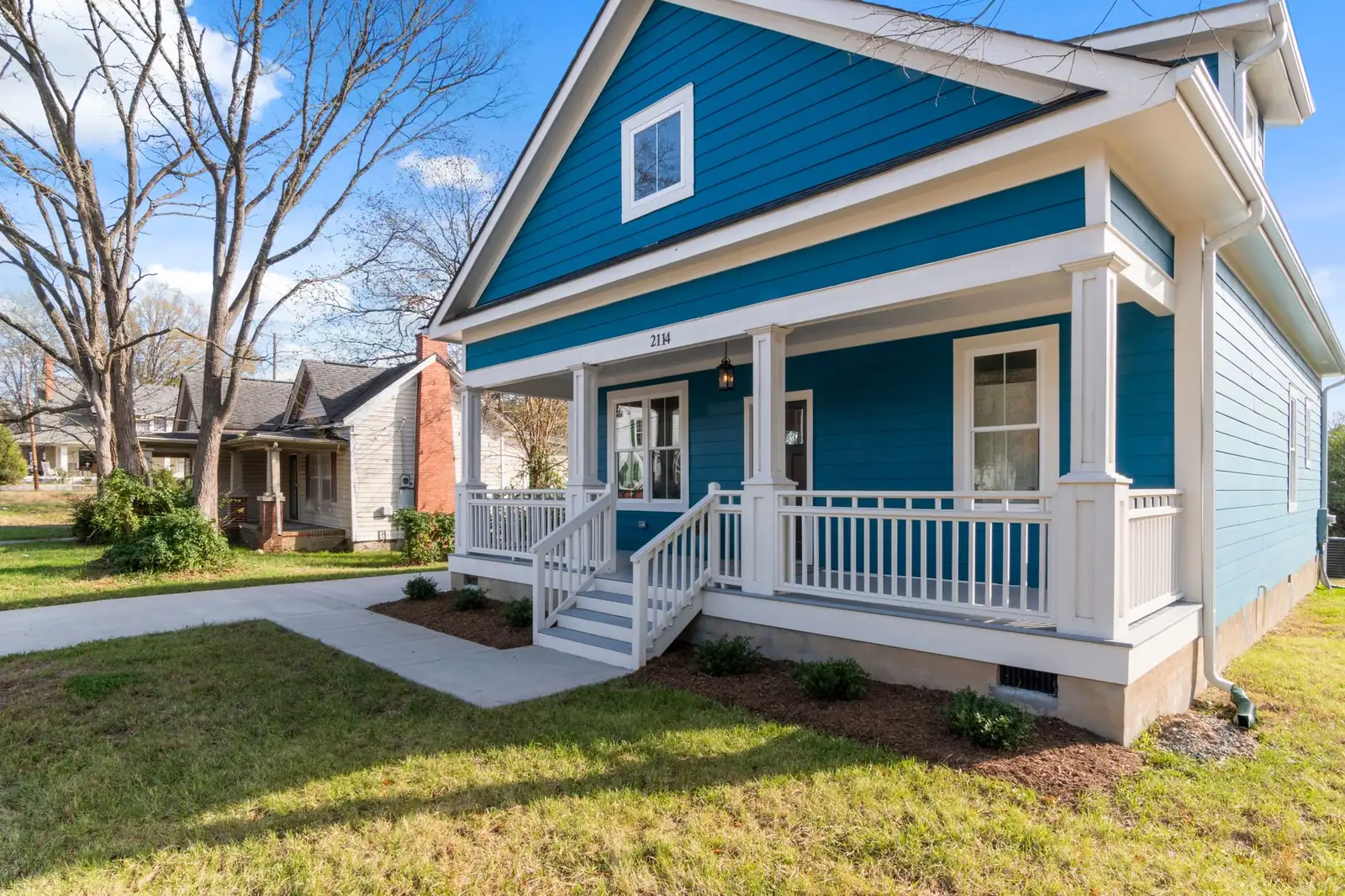
Selling a house in probate in Iowa
Inheriting a house quietly hands you a second job title you never applied for: executor. Nobody interviewed for it. There's no salary, just a manila folder of court forms, a hearing date circled on the calendar, and a handful of relatives who each have a very confident opinion about what should happen next. If you're staring down selling a house in probate in Iowa, here's the part that actually helps: before you can sell, the court has to bless it, and that step is far more navigable than the paperwork makes it feel.
The honest short version: once the court formally appoints you and issues your Letters, you have the authority to sell the house. You can list it, or sell it as-is to a cash buyer and skip the cleanout, the showings, and the repairs. Whether a judge has to sign off on the price depends mostly on what the will says.
Two things drive how long and how heavy this gets: whether the will hands you a power of sale, and whether the house needs work before anyone will touch it. Get those two clear and the rest is just sequence.

What probate actually is (plain English)
Probate is the court process that settles a person's estate after they die. The court confirms who has authority to act, makes sure debts and taxes get paid, and then approves who gets what. The house is just one asset inside that process, and it usually can't change hands until the court has officially put someone in charge.
In Iowa that "someone" is the personal representative: the executor if there's a will, the administrator if there isn't. They don't have power on day one. It arrives with a court document called Letters Testamentary (or Letters of Administration), which is the estate's permission slip to sell, sign, and pay. The Iowa Judicial Branch lays out the basic probate process if you want the official version.
One Iowa wrinkle the national sites skip: the abstract of title. Iowa is an abstract state, not a title-insurance-only state, so the property's chain of ownership lives in a physical abstract that has to be brought current and re-certified at sale. It's routine, but it's a step, and it's one more reason a probate sale here moves at the pace of paperwork, not the pace of a "For Sale" sign.
I tell families the same thing every time: probate isn't the villain. It's a checklist with a courthouse stapled to it. Slow, sure. Scary, no.
This is general information, not legal advice. Probate rules turn on the specific will and estate, so talk to a probate attorney before you make any move. (A quick aside: if you've already read our guide to selling an inherited house in Iowa, this is the court-process half of that story in more detail.)

When can you sell a house in probate in Iowa?
You can sell as soon as the court issues your Letters and gives you authority over the property. You do not have to wait for probate to fully close, which surprises a lot of people. The question that matters next is whether the court also has to approve the price.
Here's the fork:
| If the will… | Then selling looks like… |
|---|---|
| Gives the executor a power of sale | You can usually sell without a separate hearing on the price. Cleaner and faster. |
| Is silent on selling, or there's no will | You give notice to the heirs. If they all consent in writing, good. If not, the court sets a hearing on about 20 days' notice and approves the sale. |
Two more Iowa specifics worth knowing. Smaller estates (generally under $100,000) may qualify for a simpler, summary procedure, while larger ones run the full formal track. And when the court is involved in pricing, it wants to see the house sold at a fair value, often anchored to an appraisal. None of this stops a sale. It just shapes the order of operations.
The practical takeaway: you can almost always start the sale conversation early, even while the rest of the estate is still settling. Lining up a buyer who can move on the estate's timeline (instead of the other way around) is half the battle.

The executor's role in the sale
Until the court names you, you can't really do anything to the house. Not sell it, not list it, not even clean it out or hold a garage sale. That feels harsh in the moment, but it protects the estate. Once your Letters land, the to-do list flips on:
- Secure the property: change the locks, keep the insurance active, keep the utilities on so pipes don't freeze.
- Get a value: an appraisal or a buyer's offer that gives the court and the heirs a defensible number.
- Handle the sale mechanics: notice to heirs, any required approval, signing as the estate (not as yourself).
- Pay first, distribute second: mortgage, liens, and taxes come out of the proceeds before anyone gets a check.
That last point trips families up. The money from a probate sale doesn't get split at the closing table. It flows into the estate account, debts get cleared, and the court signs off on the distribution. You're a steward here, not a seller pocketing the proceeds, and doing it cleanly keeps you off the hook personally.
The executor job is mostly this: keep the house from becoming a problem while the court does its part. Lights on, insurance current, paperwork honest. That's 90% of it.
If you'd rather not manage repairs and showings on top of an estate, that's exactly the situation where a single as-is buyer earns their keep. You can see how I work on the where we buy page, across Des Moines, Ames, Ankeny, Polk County, and the rest of Iowa.

Steps to sell a probate house
Stripped down, an Iowa probate sale follows the same path most times:
- Open probate and get appointed. File the will and death certificate. The court issues your Letters and names the personal representative.
- Establish a value. Get an appraisal, or get an as-is cash offer that the court and heirs can review.
- Handle authority for the price. Power of sale in the will means you proceed. No power of sale means notice to heirs and, if needed, a hearing.
- Bring the abstract current. Iowa's abstract of title gets updated and re-certified so the buyer takes clean title.
- Close and settle. Sign as the estate, pay debts and taxes from proceeds, and let the court approve the distribution.
The listing route adds the parts you'd expect: repairs, staging, showings, an inspection, and a buyer whose financing can still fall through. The as-is route collapses steps two through five into one buyer who's already accounted for the condition. Neither is "right" universally. The right one depends on how much work the house needs and how fast the estate wants to be done.

Can you sell before probate closes?
Yes, and most probate house sales happen exactly this way. Probate in a county like Polk often runs 6 to 12 months from filing to the final distribution. Waiting for that finish line before selling would mean a year of the estate paying to hold a house nobody lives in. So the house typically sells in the middle, with the proceeds parked in the estate account until the court closes things out.
What "selling before it closes" requires is simple: your authority (the Letters) and, if the will lacks a power of sale, the heir notice or approval step. With those handled, the sale itself can move fast. A cash, as-is purchase can often close in a couple of weeks once the legal side is squared away, because there's no buyer financing and no repair contingency to wait on.
I've timed plenty of closings to land right when the attorney got the green light. The house doesn't have to be the thing holding up the whole estate.
If a fast, certain timeline is what the family needs, that's the case for getting a number early. You can tell me about the property and I'll work around your attorney's schedule, not against it.

Selling as-is to skip the cleanout
Here's the relief most executors are actually looking for. You don't have to clean it out, and you don't have to fix anything. When you sell a probate house as-is to a cash buyer, you take the photos, the heirlooms, and whatever else carries meaning, and you leave everything else where it sits: the furniture, the decades of stuff in the basement, the water heater that gave up in 2014. The buyer handles the cleanout and the repairs.
For an estate, that's a big deal, because estates are often short on cash and long on house. Asking the heirs to each chip in for a new roof, or to spend their weekends hauling a lifetime of belongings to the curb, is a fast way to turn a quiet sale into a family argument. One as-is offer turns a draining asset into a single number the court can distribute clean.
On taxes, there's good news baked in. Inherited property usually gets a stepped-up basis to its value at the date of death, so a sale soon after often triggers little or no capital gains tax. Confirm your situation with a tax pro or read the IRS guidance on inherited-property basis, but it's a meaningful break that a lot of families don't realize they have. (If this sale stems from a split rather than a death, our piece on selling a house during divorce in Iowa walks through that version.)
The bottom line
Selling a house in probate in Iowa isn't the maze it looks like from inside the manila folder. Get appointed and collect your Letters, sort out whether the will gives you a power of sale, value the house, and then either list it or sell it as-is. You can sell well before probate closes, and selling as-is means no cleanout, no repairs, and a clean number the estate can distribute. Just keep a probate attorney in the loop, because the details turn on your specific will and estate.
If the house is in Iowa and you'd rather not run repairs and showings while you're settling an estate, tell me about the property or call 515-216-0652. I'll give you a fair, no-obligation number and close on the estate's timeline, across Des Moines, Ames, Ankeny, Polk County, and the rest of the state.
Selling a house in probate: FAQ
Can you sell a house that's still in probate in Iowa?
Yes. Once the court issues Letters Testamentary or Letters of Administration, the personal representative has authority to sell. You do not have to wait for probate to fully close. Depending on the will and the estate, the court may need to approve the sale price first.
Does the court have to approve the sale price?
It depends. If the will gives the executor a power of sale, they can often sell without a separate court hearing. Without that language, the personal representative usually needs court approval, which means notice to the heirs and, if they don't all consent, a hearing on roughly 20 days' notice.
How long does a probate house sale take in Iowa?
Probate in counties like Polk often runs 6 to 12 months from filing to final distribution, and the house can usually be sold partway through. A cash, as-is sale removes the listing, showing, and repair time, so the property itself can close in a couple of weeks once authority is in place.
Do I have to clean out or repair the house first?
No. When you sell as-is to a cash buyer, you take what matters to the family and leave the rest. The buyer handles the furniture, the basement, and the repairs, which spares the estate from spending money it may not have on a house nobody is living in.
Will the estate owe taxes when the probate house sells?
Inherited property usually gets a stepped-up cost basis to its value at the date of death, which can sharply reduce or eliminate capital gains tax when you sell soon after. Every estate is different, so confirm with a tax professional or the IRS.