Selling a house with an animal infestation in Iowa
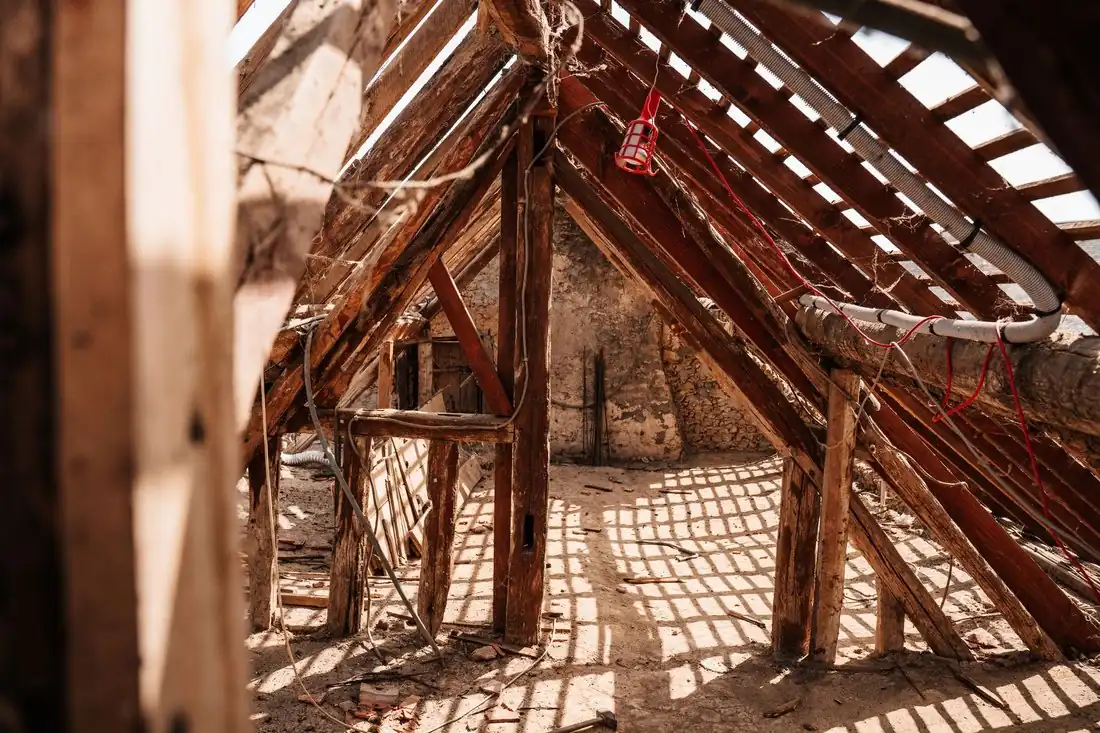
Nothing empties a showing faster than something moving in the attic. Picture the buyer who was all smiles in the kitchen, right up until a slow scratch-and-drag rolls across the ceiling above the hallway. Everyone looks up. Nobody says a word. Then comes the sniff test, the brown ring on the drywall nobody noticed a minute ago, the little scatter of droppings by the attic hatch. And you realize that selling a house with an animal infestation is not really about the animal. It is about the movie that scratching sound plays in a buyer's head: chewed wires behind every wall, ruined insulation, and a smell that never leaves.
Here is the honest version. A live infestation has to be removed and the entry points sealed before most retail buyers or their lenders will touch the place, and that part is real. But the damage animals leave behind, the flattened insulation, the droppings, the gnawed wiring, usually costs a lot less to fix than the horror movie a buyer is running. You have three honest paths: pay a licensed wildlife pro to remove the animals and clean up, then list; sell as-is on the MLS and let the price reflect the work; or sell as-is to a cash buyer who takes the whole mess. In Iowa there is one twist you cannot skip: bats are protected, so you cannot simply exterminate them.
Start by separating two things that feel like one problem: the animals still living up there, and the mess they leave once they are gone. The first is a removal job with rules attached. The second is a repair job with a price tag. Buyers blur them into a single nightmare, and that blur is exactly what drags your offer down.
Why attic critters scare buyers more than they cost
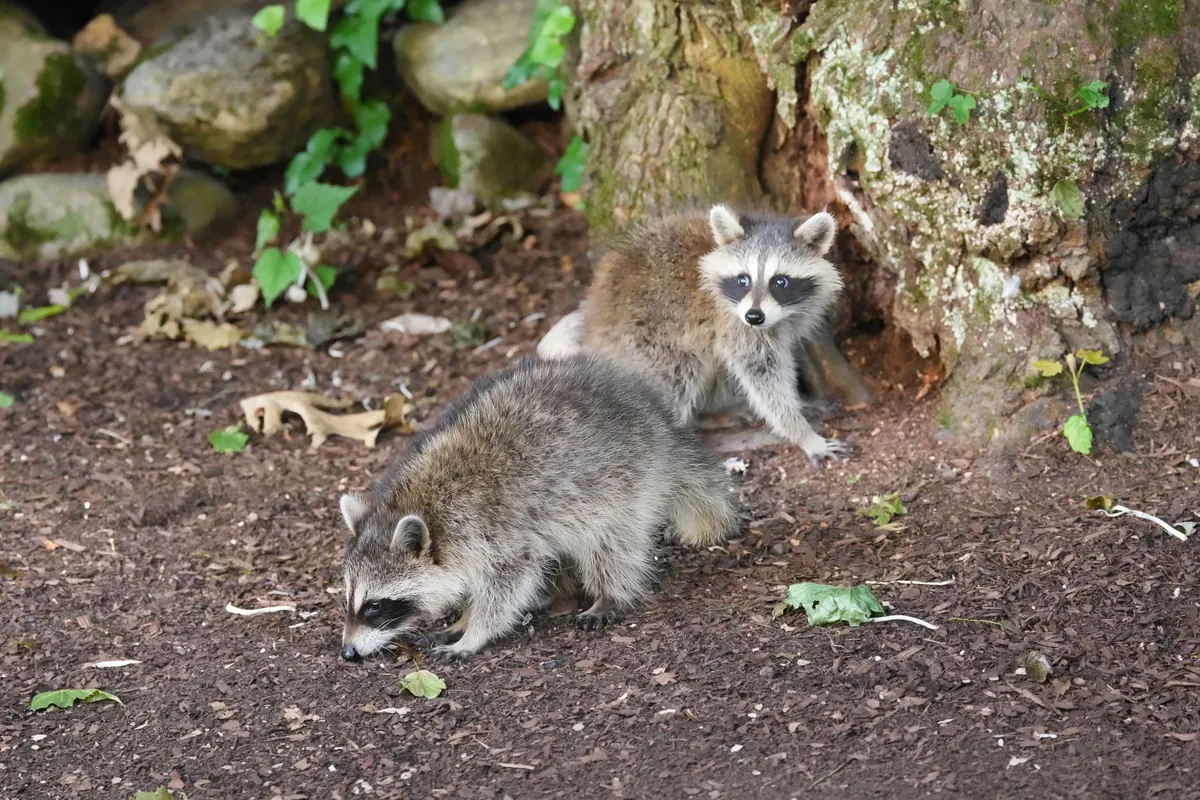
Sellers hear "raccoon in the attic" and picture a bad weekend. A lot of buyers hear it and picture a money pit. The gap between those two pictures is where your price gets lost.
The real damage list is knowable. Wildlife in an attic tends to flatten and foul the insulation, chew on wiring, tear ductwork, and leave droppings and a smell. Every one of those is a line a contractor can quote: re-insulate the attic, replace the gnawed runs of wire, seal the entry points, clean or haul out the contaminated material. Those are boundable numbers, not a bottomless pit. The chewed wiring is the one to take seriously, because rodents and raccoons gnawing insulation off wires is a genuine fire risk, which is why you want it inspected and fixed, not painted over.
But the buyer is not pricing the list. The buyer is pricing the fear: chewed wires behind every wall they cannot see, a permanent odor, an animal that might come back. So they do one of two things. They walk, or they lowball far past what the repair actually costs. Either way you pay for the imagined version, not the real one.
(I have walked houses where a squirrel in one gable end had the owner convinced the whole place was shot. A wildlife guy sealed one hole, an insulation crew spent a day up there, and the "money pit" was a Tuesday.)
An empty attic sells a blank page. An attic with a scratch in it sells whatever story the buyer is scared of, and they are almost always scared of something bigger than the bill.
None of this means the problem is nothing. It means the animal in the attic is a condition item, closer to a bad roof than to a cracked foundation, and it should be handled and priced that way. If your worry is the overall shape of the place and not just the critters, this walk-through of selling a house in poor condition in Iowa is the companion piece.
Live infestation vs leftover damage: two different fixes
This is the distinction that changes everything, and almost nobody makes it out loud. A live infestation and leftover damage are two separate problems that need two separate fixes, in a specific order.
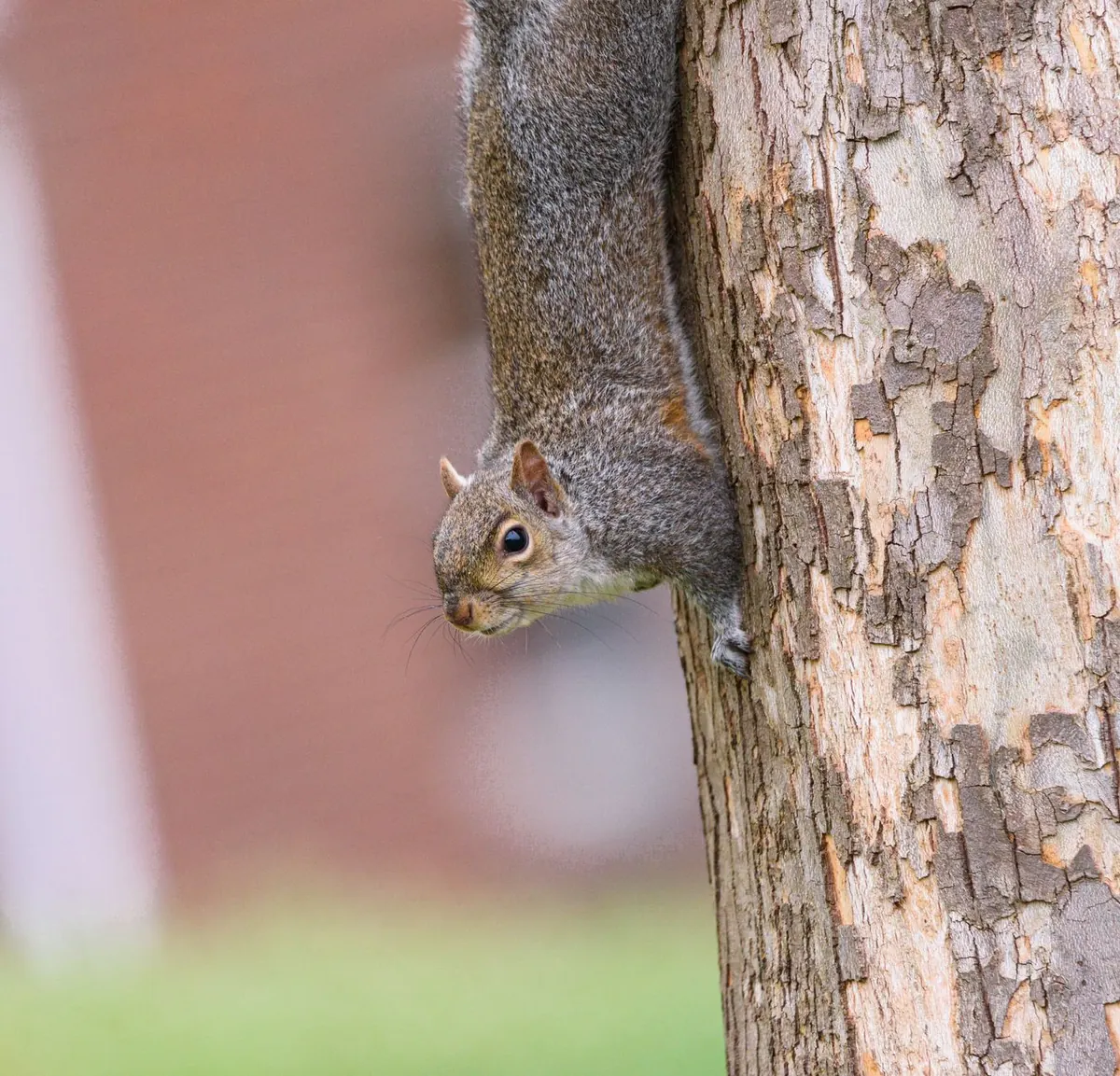
A live infestation means the animals are still there. That has to be handled first, and it is more than setting a trap. A wildlife pro removes the animals and then seals the entry points, the gap under the soffit, the hole where the roofline meets the gutter, the vent with the torn screen. If you skip the sealing, you just run a revolving door: the next raccoon or squirrel finds the same open door and moves right back in. Removal without exclusion is not a fix, it is a pause.
The leftover damage is what is left once the attic is empty and closed: the ruined insulation, the chewed wiring, the droppings, the odor. This is the repair-and-clean phase, and a couple of pieces of it are biohazards, not just messes. Raccoons use a communal latrine and their droppings can carry roundworm, and accumulated bat guano can grow the fungus behind a lung infection called histoplasmosis. Neither one is a shop vac and a dust mask job. That kind of cleanup gets done by pros in the right gear, and the public-health guidance on wildlife droppings is the reason to take it seriously rather than a scare tactic.
Why does the order matter to your sale? Because the two phases price differently and scare buyers differently. A live colony reads as an active emergency and shuts down financed offers fast. A remediated, sealed, and cleaned attic with fresh insulation reads as a solved problem you can hand over. Same house, very different buyer reaction, depending on which phase you are standing in when the offer comes.
The Iowa bat rule: you cannot just exterminate them
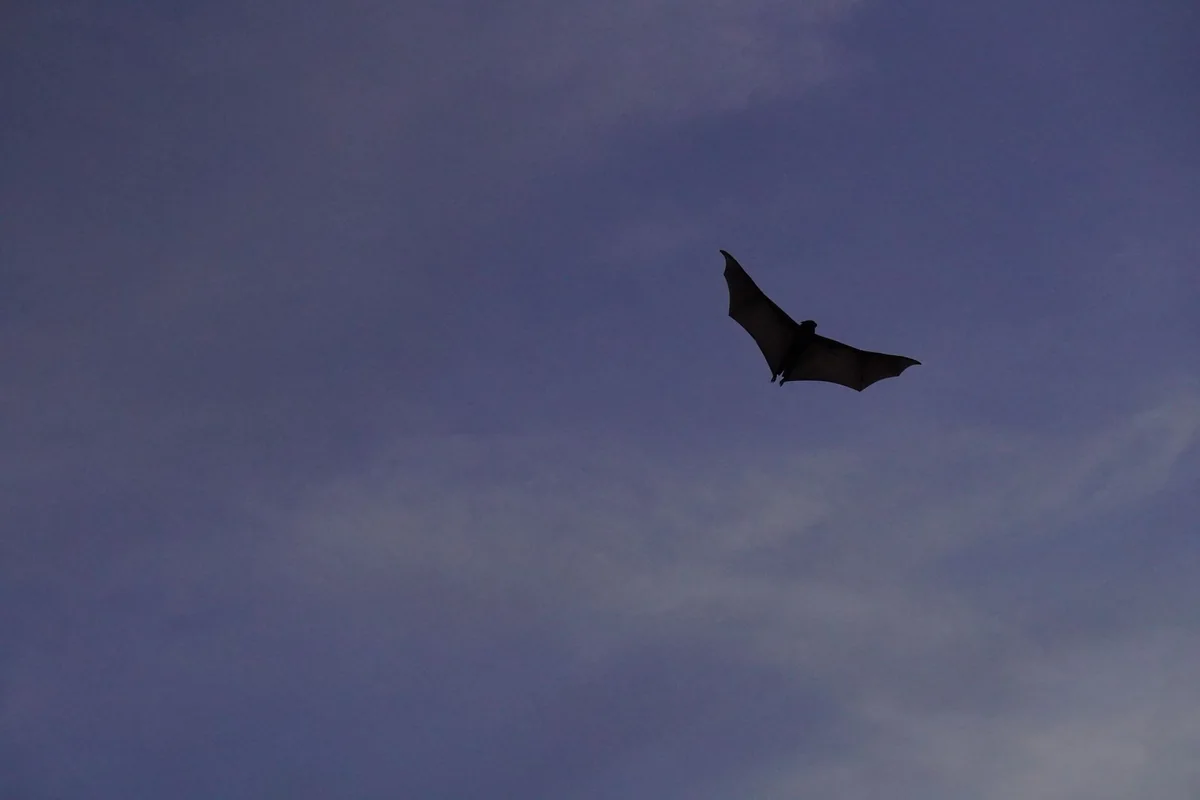
Here is the one that trips people up, because it is the opposite of what instinct says. If you have bats, you do not get to just kill them. Bats are protected, and Iowa regulates how wild animals can be removed.
The accepted method is humane exclusion, not extermination. In plain terms, a wildlife pro installs one-way devices at the exit points that let the bats fly out to feed and then blocks them from getting back in, and once the colony is gone the openings are sealed for good. Poisoning or sealing bats inside is both against the rules and a disaster, because a dead colony in your walls is a smell and a cleanup you do not want.
There is also a calendar problem. Bats have a summer maternity season, and while the pups are too young to fly, exclusion is generally paused, because sealing the adults out would trap flightless pups inside to die in the walls. That window runs roughly from late spring into midsummer, which means a bat job can be a "wait until the pups can fly" job, not a "do it this weekend" job. If your closing timeline is tight, that pause is a real factor. This is exactly why you want a licensed wildlife professional who knows the current seasons and rules, not a general exterminator with a fogger. Iowa's wildlife rules run through the Iowa Department of Natural Resources, and a good exclusion company works inside them.
The takeaway for a seller: bats are not a same-day fix, and they are not a DIY fix. They are a permitted, seasonal, specialist job. That is worth knowing before you promise a buyer a clean attic by a date the calendar will not allow.
Your three options, and how a cash offer is built
Whatever is up there, there are three honest ways to sell. Here they are straight, with the catch on each.
1. Remediate, then list
Hire the wildlife pro, get the animals excluded and the entry points sealed, handle the biohazard cleanup, replace the ruined insulation and chewed wiring, and then list the house on the open market. This is the play if the damage is contained and you have the time and cash. Done right, it gets you the strongest price, because you are handing a buyer a solved problem with receipts. The catch is money up front and the calendar, especially with bats, where maternity season can push your timeline out by weeks you may not have.
2. Sell as-is on the MLS
List the house as-is, disclose the infestation and the damage, and let a buyer take it on at a price that reflects the work. You skip the repair spend, but you are fishing in a smaller pond: buyers who will take a house with a wildlife problem, and financed ones whose lender and insurer may still balk at an active infestation or a fire-risk wiring note. It can work when the bones are good and the problem is cosmetic. On a heavy infestation with real biohazard cleanup, as-is on the MLS often turns into the slow road to the same cash buyer you could have called first. Before you spend a dime, it is worth reading what not to fix when selling a house in Iowa, because attic work is one of those places where the money you sink and the price you get back rarely line up.
3. Sell as-is to a cash buyer
Sell directly to a cash or investor buyer who prices the animals and the damage in and handles the removal, the cleanup, and the repairs themselves. You get less than a polished retail number, and I will not pretend otherwise. That is the honest trade. In exchange you chase no wildlife company, wait out no maternity season, pull no permits, pay no exterminator, and skip the lender and insurer conditions that sink financed deals over an active infestation. You pick the closing date, and a cash sale can close in as little as 7 days. On a house whose infestation is blocking a financed sale anyway, this often nets closest once you subtract the removal, the cleanup, the carrying months, and the risk. This is the lane I work in, and here is what selling a house as-is in Iowa actually means before you decide.
| Option | Best when | The catch |
|---|---|---|
| Remediate, then list | Damage is contained, you have time and budget | Cash up front and a calendar you do not fully control, bats especially |
| Sell as-is on the MLS | Bones are good, the problem is light and cosmetic | Small buyer pool, lender and insurer pushback, deals that stall at inspection |
| Sell as-is for cash | Heavy infestation, biohazard cleanup, tight timeline, no budget | Lower price traded for speed, certainty, and zero more spend |
Here is how a fair cash buyer builds the number, so it is not a mystery. We start with the after-repair value (what the house is worth in good shape), then subtract the cost to deal with the animals (removal, exclusion, cleanup, insulation, wiring), the holding and selling costs, and a margin to make the risk worth it. That is why the offer lands under a polished retail price, and also why a heavy, active infestation widens the gap. No games, just arithmetic. And I mean it about the honesty: even if a cash sale is not your smartest move, I will look at it and tell you so. If you want to see how the whole thing runs start to finish, walk through how the process works, and here is where I buy houses across Iowa.
The bottom line
Selling a house with an animal infestation in Iowa is not a dead end, it is a fear you have to take apart first. Split the live infestation from the leftover damage: the animals are a removal job with rules (humane exclusion for bats, a licensed wildlife pro, a maternity-season calendar), and the damage is a repair-and-clean job with a price a contractor can quote. The repairs almost always cost less than the buyer's imagination. Whatever you choose, disclose what you know on your Iowa form, and remember that a cash buyer can price the whole thing and close without a lender in the way.
If you want the honest math on your specific house, droppings and all, tell me about it and I will send a fair, no-obligation cash offer within 24 hours, with no exterminator to chase, no maternity season to wait out, and no fee. I have spent six years in Iowa real estate and bought well over 100 homes across the state, and if remediating and listing is your smarter move, I will tell you that too.
Selling a house with an animal infestation: FAQ
Can you sell a house with an animal infestation in Iowa?
Yes. You can sell a house with bats, raccoons, squirrels, mice, or birds in the attic. The catch is that a live infestation usually has to be dealt with before most retail, financed buyers will close, because their lender and inspector will flag it and their insurer may balk. You have three honest routes: hire a licensed wildlife pro to remove the animals, seal the entry points, and clean up, then list; sell as-is on the MLS at a price that reflects the work; or sell as-is to a cash buyer who takes the whole problem, animals and damage included, off your plate.
Do I have to disclose a bat or raccoon infestation when selling a house in Iowa?
Yes. Iowa requires most sellers to give the buyer a written property condition disclosure, and a known animal problem belongs on it: an active bat colony, raccoons or squirrels in the attic, chewed wiring, ruined insulation, droppings, or a lingering odor. Selling as-is does not erase the duty to disclose what you know. As-is means you are not agreeing to make repairs, not that you get to stay quiet about a problem. Disclosing up front also keeps the deal from collapsing when the buyer's inspector finds the exact thing you left off the form.
Do you have to remove bats before selling, and can you just exterminate them?
You generally cannot just exterminate bats. Bats are protected, and the accepted way to get them out is humane exclusion, which lets them leave and then blocks them from returning. There are also seasonal limits: during the summer maternity season, flightless pups are in the roost, so exclusion is usually paused until they can fly, roughly from spring into midsummer. That is why you want a licensed wildlife professional who knows Iowa's rules rather than a general exterminator. Bat guano is also a biohazard and needs proper cleanup, not a shop vac and a mask.
How much does animal damage lower a home's value?
Usually less than buyers fear, but the fear itself is what costs you. The common repairs after wildlife are re-insulating an attic, replacing gnawed wiring, sealing entry points, and cleaning or removing contaminated material, and those are known, boundable numbers a contractor can quote. The bigger hit is buyer psychology: a buyer imagines chewed wires in every wall and a permanent smell, so they either walk or lowball far past the real repair cost. The move is to separate the actual fix from the imagined one, get it in writing, and disclose it, which shrinks the discount buyers try to take.
Is it better to remediate the infestation or sell the house as-is?
It depends on your time, your cash, and how bad it is. If the damage is contained and you can afford the wildlife pro, the exclusion, and the cleanup, remediating and listing can get you the strongest price. If the infestation is heavy, the biohazard cleanup is real, or you cannot wait out bat maternity season and the repairs, selling as-is often nets closer than it looks once you subtract the cost, the carrying months, and the risk of a financed deal falling apart. A cash buyer prices the animals and the damage in and closes without a lender in the way.