Selling a house with foundation problems in Iowa
One word can empty a showing faster than a fire alarm, and it fits on a sticky note: foundation. A buyer spots a thin crack down in the basement, and suddenly the new roof and the updated kitchen stop existing. In their head the whole place is already sliding into the backyard, even when the real fix is a Saturday and a tube of sealant. That reflex is exactly why selling a house with foundation problems in Iowa feels so much scarier than it usually is. The real question was never "crack or no crack." It's whether you're looking at cosmetic settling or something structural, and that answer changes everything after it.
Here's the honest version. You can absolutely sell a house with foundation issues in Iowa, and you have three real paths: fix it and sell retail, sell it as-is on the open market at a discount, or sell it as-is to a cash buyer who prices the repair in and closes anyway. Which one wins comes down to how serious the damage actually is, what you can afford to fix up front, and how fast you need to be done with the whole thing.
Almost every decision here flows from one distinction most sellers never get told about: settling versus structural. Get that part right, and the rest of the calls get a lot easier.

How bad is it, really? (settling vs. structural)
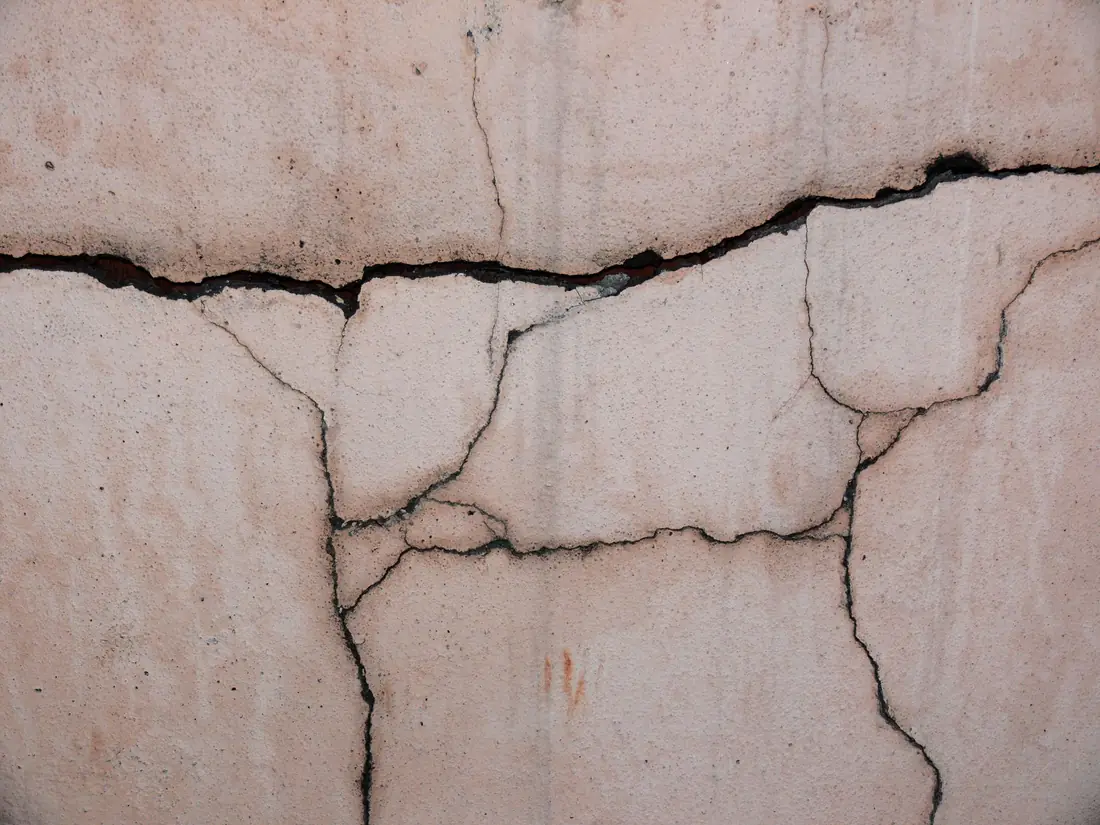
Not all cracks mean the same thing, and the difference is worth real money. Most homes settle a little over the years, especially in Iowa, where expansive clay soil swells and shrinks with the seasons and freeze-thaw cycles push on everything below the frost line. A little settling is normal. A house sliding off its footing is not.
Here's the rough field guide sellers can use before anyone panics:
- Usually cosmetic settling: thin vertical hairline cracks in poured concrete, small cracks where drywall meets a corner, a bit of unevenness in an old floor. Annoying, cheap to address, rarely a dealbreaker.
- Possibly structural: horizontal cracks in a foundation wall, stair-step cracks in block or brick, a wall that bows inward, doors and windows that suddenly won't latch, or noticeable sloping across a room. These call for a real look.
The honest move is to get a structural engineer or a foundation company to put eyes on it. That report does two things: it tells you whether you're dealing with a weekend fix or a serious repair, and it gives you a document buyers trust more than your word. An aside from doing this a hundred-plus times: sellers almost always assume the worst, and the engineer almost always comes back with something more boring than the horror movie playing in their head.
A hairline crack is a cosmetic problem wearing a structural costume. The engineer's report is what takes the costume off.

Repair it or sell as-is?
Once you know what you're dealing with, the choice narrows to two options: fix it before you list, or sell it as-is and let the price reflect the work. Both are legitimate. The right one depends almost entirely on the repair bill and how much cash you want to put in before closing.
Sealing a minor crack is cheap and can be worth doing so the house shows clean. Real structural repair is a different animal. Piering, underpinning, and wall bracing run well into the thousands, take weeks, and you pay every dollar up front on the hope that a buyer rewards you for it later. Sometimes they do. Sometimes you spend the money, the appraiser still flags the repair history, and you're negotiating anyway.
| Repair, then list | Sell as-is for cash | |
|---|---|---|
| Money up front | You pay for the repair before you see a buyer | $0, the buyer prices the fix in |
| Timeline | Weeks of work, then a listing window | Often close in as little as a week or two |
| Financing risk | Appraisal and lender can still stall it | No lender, no appraisal to fail |
| Who it fits | Minor fixes, and you have cash to spare | Bigger repairs, or you just want it done |
If the number is small and you have the cash lying around, fixing it first can pencil out. If it's large, or you're selling because money and time are already tight, paying thousands to repair a house you're about to hand over rarely makes sense. That's the whole case for selling as-is in Iowa: you skip the repair, skip the staging, and trade a little top-line price for certainty.

What you must disclose in Iowa
This is the part you don't get to be clever about. Iowa requires sellers of most residential property to fill out a written disclosure statement, and known structural and foundation problems belong on it. The rule lives in Iowa Code Chapter 558A, the residential seller disclosure law, and it applies whether the buyer is a family, an investor, or me.
Disclosing feels counterintuitive when you're trying to sell a house with a flaw. It isn't. Three good reasons to put it in writing:
- The buyer's inspector almost always finds it, and a surprise at inspection kills more deals than the flaw itself.
- An honest disclosure up front protects you from a lawsuit down the road. Hiding a known defect is how sellers end up back at the closing table with a lawyer.
- The right buyer for a house with foundation issues already expects one. Disclosure just sorts the serious buyers from the tire-kickers faster.
My one aside here: I've never once had a deal fall apart because a seller told me the truth about their foundation. Deals fall apart when the truth shows up later. If you want a plain-language read on how disclosures protect both sides of a sale, the Consumer Financial Protection Bureau is a good neutral starting point.
What a house with foundation issues is worth
There's no magic percentage that foundation problems knock off a home's value, no matter how many blog posts pretend there is. Buyers do rough math: they start from what the house would be worth fixed, subtract the estimated cost to cure the foundation, then shave off a little more for the risk and the hassle of dealing with it. Cosmetic settling barely moves that number. A serious structural problem takes a bigger bite, mostly because it shrinks who can even buy the place.
A cash offer runs on the same logic, just spelled out. It starts from the after-repair value of the home, subtracts the real cost of the foundation work and the rest of the repairs, subtracts the carrying and selling costs, and leaves a fair margin. No mystery, no lowball dartboard. When you understand how a house in poor condition gets valued, the offer on a cracked foundation stops feeling like a punishment and starts looking like arithmetic. I'll walk you through the actual numbers for your house instead of hiding them.
Foundation issues don't set your price. They set your buyer pool, and the buyer pool sets your price.

Who buys houses with foundation problems
Here's the quiet catch that decides your price: financing. FHA, VA, and USDA loans carry strict property-condition standards, and even a conventional lender can get cold feet when an appraiser writes "structural" anywhere on the report. That knocks a big slice of financed buyers out of the running, and the ones who need those loans aren't the ones lining up for a fixer-upper anyway.
Which leaves the buyers who don't need a bank's blessing:
- Cash buyers and local investors who price the repair in and close without an appraisal.
- Flippers and contractors who see a foundation as a line item, not a dealbreaker.
- Buyers like me, a local Iowa buyer who buys houses in any condition, cracks included.
That's the group you're really selling to, and it's a smaller, calmer group than a Zillow listing suggests. I've bought houses across the Des Moines metro, Ames, and the smaller towns in between, and a foundation issue has never once scared me off. You can see every area where I buy houses, or read a little about who you'd actually be dealing with (a person, not a call center).
The bottom line
A cracked foundation is a scary headline and, most of the time, a manageable story. Find out whether it's cosmetic settling or something structural, disclose it in writing, then choose your path: fix a small problem and list, or sell as-is and skip the repair, the staging, and the financing roulette entirely. The right move depends on the repair bill and how fast you want to be done, not on the panic the word "foundation" sets off. If your house is in Iowa and you'd rather not pour money into a foundation you're about to sell, tell me about it and I'll give you a fair, no-obligation number that already accounts for the cracks.
Foundation problems and selling: FAQ
Can you sell a house with foundation problems?
Yes. Houses with foundation problems sell every day in Iowa. You can repair the foundation and list it retail, sell it as-is on the open market at a discount, or sell it as-is to a cash buyer who prices the repair in and closes anyway. The right path depends on how serious the damage is and how fast you need to be done.
Do I have to disclose foundation problems when selling in Iowa?
Yes. Iowa's seller disclosure law (Iowa Code Chapter 558A) requires you to disclose known structural and foundation issues in writing before an offer is accepted. Hiding a known problem invites a canceled deal or a lawsuit, and the buyer's inspector usually finds it anyway.
Is it better to repair the foundation or sell as-is?
It depends on the cost and your cash. Minor crack sealing is cheap and can be worth doing before you list. Major structural repair like piering runs into the thousands and takes weeks, and you front all of it. If you can't or don't want to pay for repairs, selling as-is to a cash buyer skips the work entirely.
How much do foundation problems lower a home's value?
There's no fixed percentage. Buyers subtract the estimated cost to cure, then subtract a little more for the risk and the hassle. Cosmetic settling barely moves the number. Serious structural damage that scares off financed buyers can take a real bite, because your buyer pool shrinks to cash and investors.
Will a bank finance a house with foundation issues?
Often not, if the damage is structural. FHA, VA, and USDA loans have strict property-condition standards, and even conventional lenders can balk when an appraiser flags a foundation. That's why houses with real foundation problems tend to sell to cash buyers who don't need lender approval.