Selling a house that needs a lot of repairs in Iowa
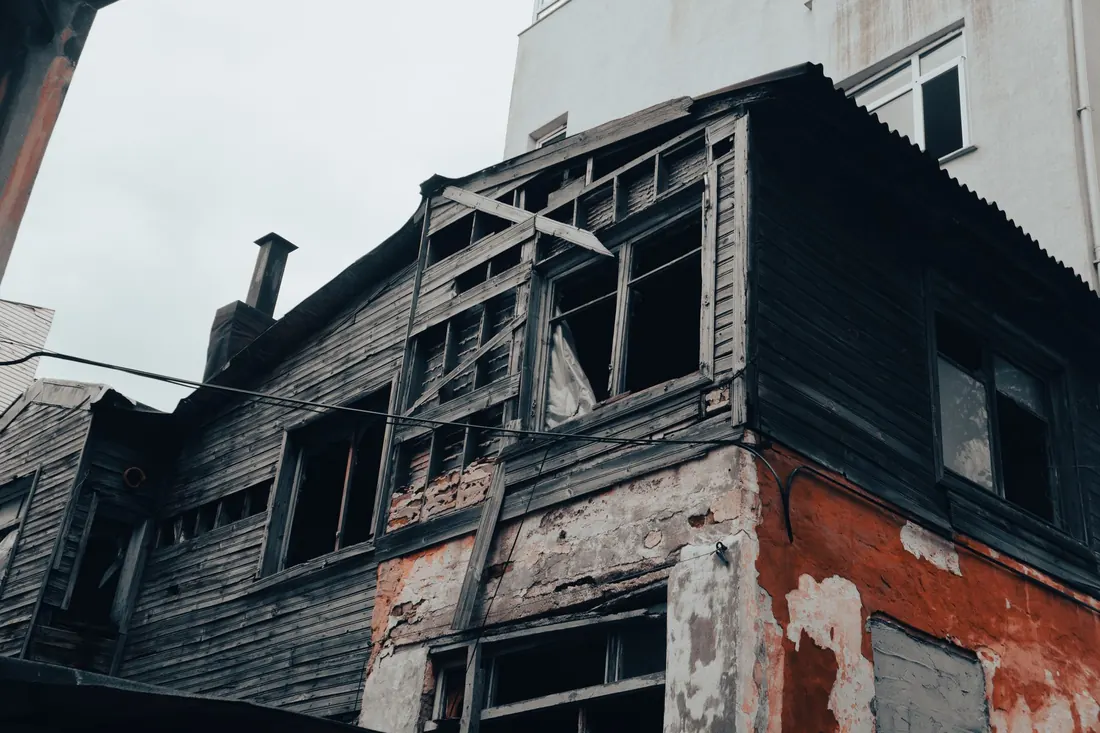
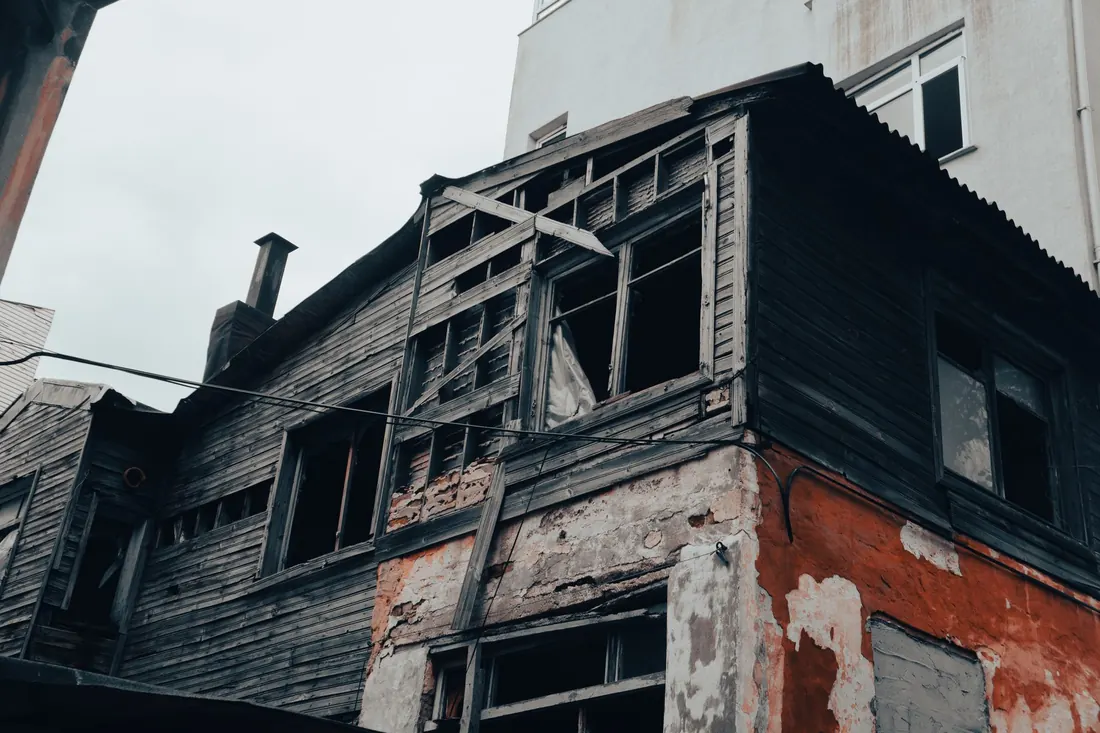
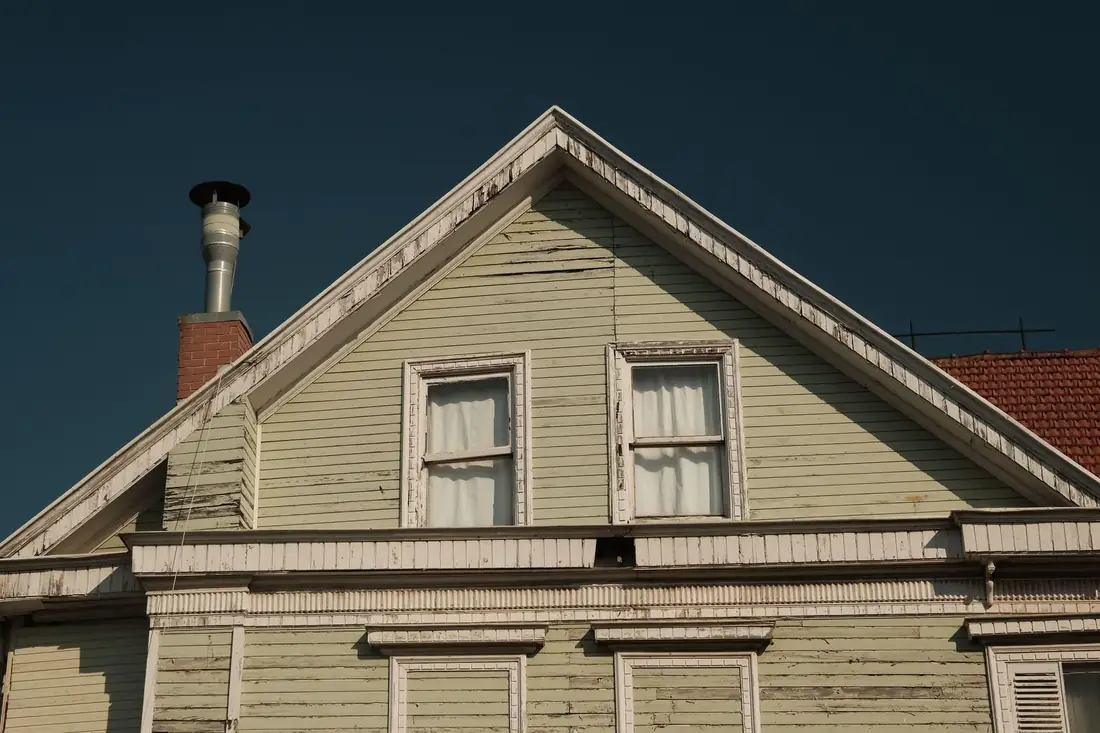
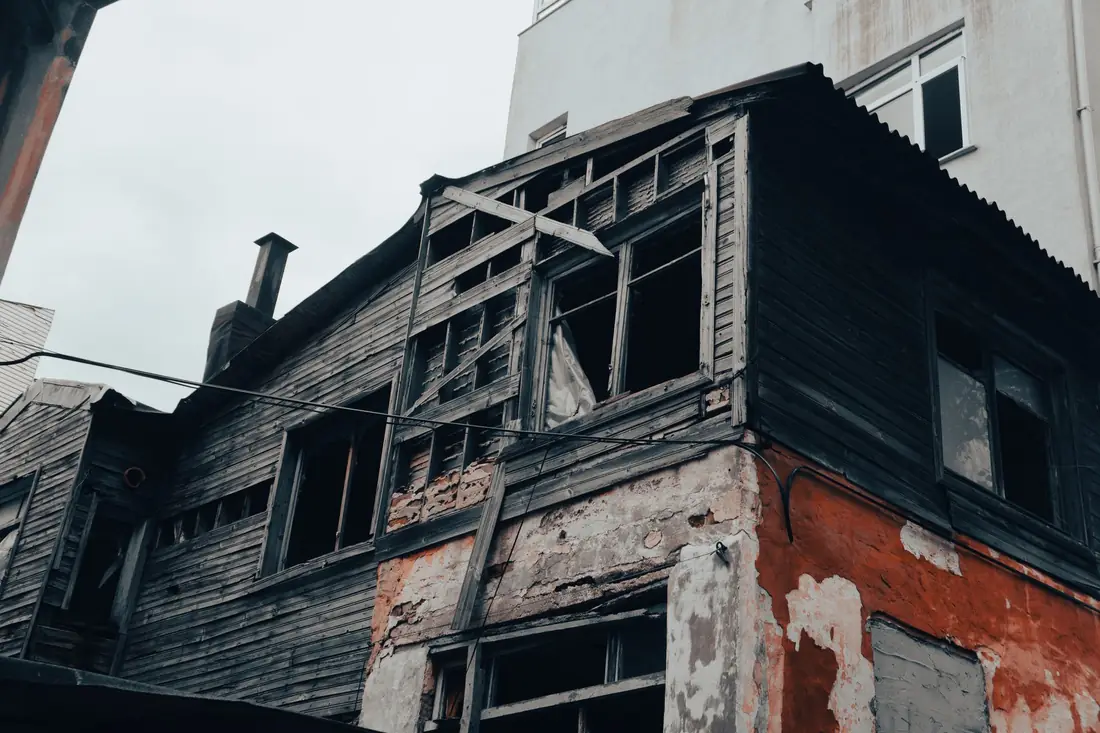
Some houses need a coat of paint. Others need a contractor, a loan, and a spring you don't have. You already know which one is yours: the roof that sighs every time it rains, the furnace that sounds like a coffee grinder, the basement wall wearing a crack you quit looking at two winters ago. Selling a house that needs a lot of repairs feels stuck because every buyer who walks through runs the same grim math you already did, and most of them can't get a bank to sign off on it.
Here's the honest version. A house with big repair needs (roof, HVAC, foundation, plumbing, or electrical) often can't get a normal mortgage, because the buyer's lender won't lend against a house in that shape. That quietly shrinks your buyer pool down to cash and investor buyers. From there you have three real paths: fix it up and list it, list it as-is on the MLS, or sell it as-is straight to a cash buyer.
Here's the pinch: the money a full fix-up might earn back has to beat the time, cash, and risk of doing it, and it all plays out in a market where half your would-be buyers can't qualify for a loan on the house as it sits.
Why big repairs scare off financed buyers
This is the part almost nobody explains, and it's the whole reason a rough house is hard to sell. A buyer can love your house, have great credit, and still not be able to buy it. Not because of them. Because of the loan.
When a buyer gets a mortgage, the lender sends an appraiser, and that appraiser isn't only guessing a value. On most loan types, they also flag health, safety, and structural problems: a roof at the end of its life, no working heat, exposed wiring, active leaks, a foundation that's moving. When those show up, the underwriter can require the repairs be done before closing. Guess who is expected to make them happen? You, the seller, on a house you're trying to leave. The appraisal is the lender protecting its collateral, and a house that isn't sound is a bad bet for a 30-year loan.
Government-backed loans are the strictest about it. FHA and USDA loans, which a lot of first-time and rural Iowa buyers use, hold the house to minimum property standards for safety and soundness. If it fails, the deal stalls until it's fixed. There is one workaround worth knowing: an FHA 203(k) rehab loan lets a buyer roll repair money into the mortgage, so a fixer can technically be financed. In practice, very few buyers use one, they take longer, and they need a cooperative seller and contractor bids lined up. (I have watched more of those unravel than close.)
Add it up and the effect is simple. The more your house needs, the more buyers get filtered out at the financing step, until what's left is people paying cash: investors, flippers, and buyers like me who price the repairs in on purpose. That's not a scare tactic. It's just where the road narrows. If you want the fuller picture of that world, here's an honest look at selling a house in poor condition in Iowa.
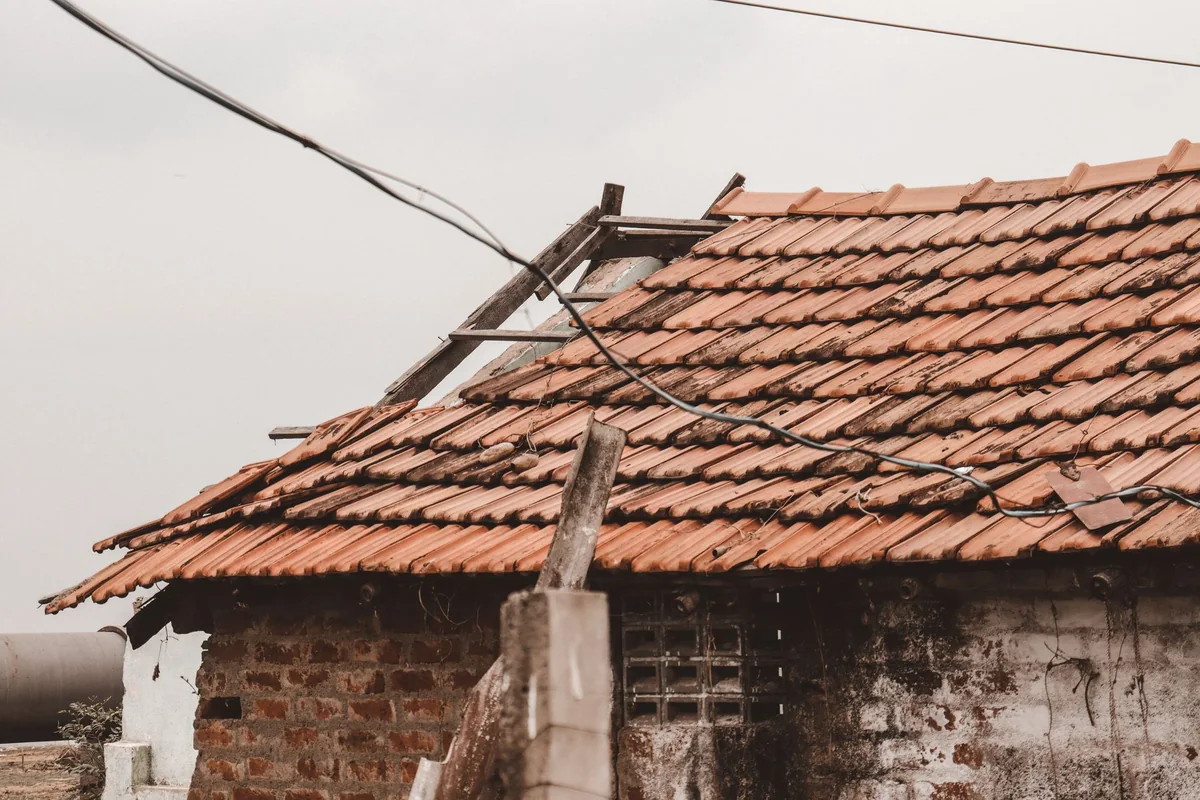
Repair triage: what actually kills a mortgage
Not every repair is a deal-killer, and it helps to sort them like an ER nurse: what's a scratch, and what stops the whole thing. Before you spend a dollar, put your list in three buckets.
The financing-killers (big items)
These are the ones that make a house un-financeable and steer you toward cash. If you have two or three of them at once, a traditional listing gets very hard:
- Roof at the end of its life, or actively leaking.
- HVAC with no working heat source (a dead furnace matters a lot in an Iowa winter).
- Foundation or structural movement, sagging floors, big cracks.
- Plumbing that leaks, or galvanized/failed supply lines.
- Electrical that's unsafe: knob-and-tube, a fried panel, open splices.
The value-drainers (mid items)
These usually don't stop a loan by themselves, but stacked together they scare buyers and shrink offers: an old water heater, worn windows, water stains, a tired kitchen, a basement that weeps in a hard rain.
The cosmetics (small items)
Paint, carpet, fixtures, landscaping, the smell of the last owner's cat. Cheap relative to the big stuff, and the only bucket where a little money reliably comes back.
A dead furnace and a shot roof aren't a to-do list. They're the difference between a buyer with a mortgage and a buyer with a checkbook.
Once your list is sorted, the decision gets clearer. A pile of cosmetics on a sound house is a normal sale. A stack of financing-killers is a different animal, and it's worth reading what selling a house as-is in Iowa actually means before you sink money into a place you're leaving.
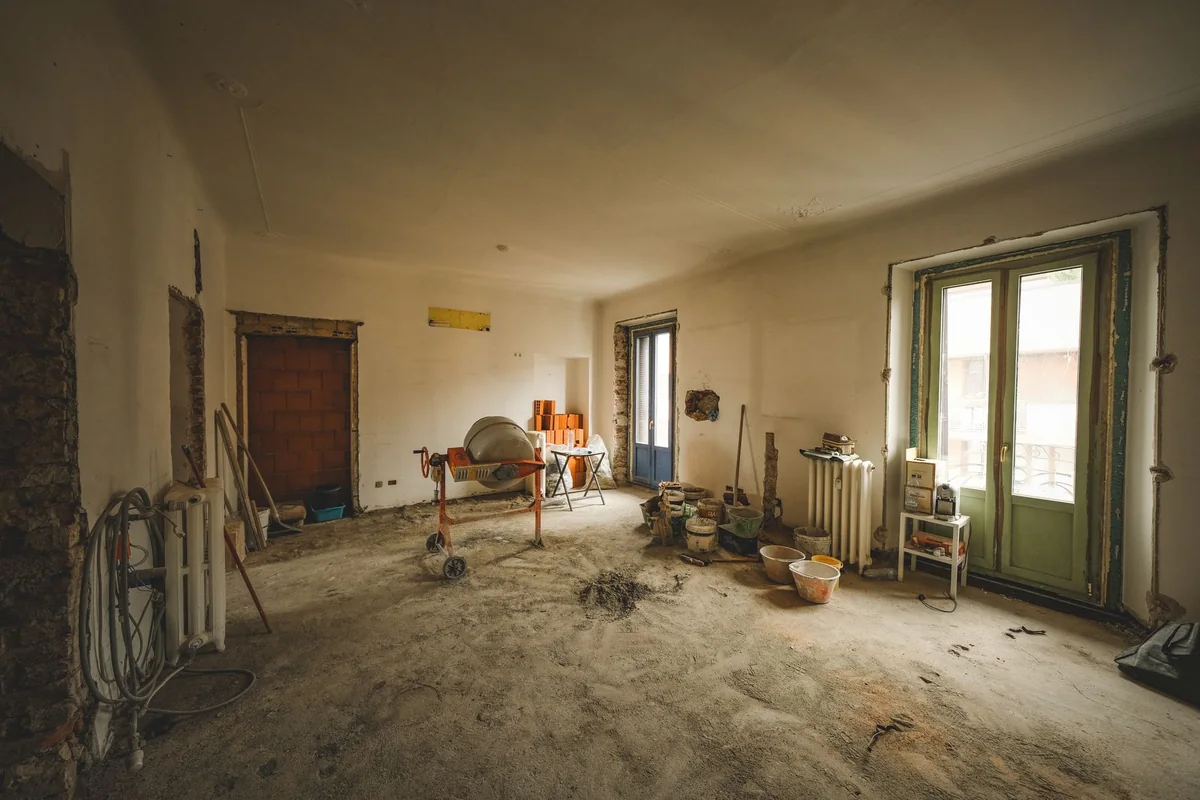
Your three options, honestly compared
There's no universal right answer, only the one that fits your house and your situation. Here are the three, straight, with the catch on each.
1. Fix it, then list it
Do the repairs, get the house financeable, and put it on the open market. On paper this earns the most, because you open the door back up to every mortgage buyer. The catch is real, though: the big items are expensive, you often have to borrow to fund them, the work takes months, and you eat the mortgage, taxes, insurance, and utilities the whole time. And renovations run over. Ask anyone who has done one. If the repairs are mostly cosmetic and your budget is comfortable, this can be the smart play. If they're financing-killers, the math gets thin fast.
2. List it as-is on the MLS
Put it up honestly, big flaws and all, and let buyers come knowing they inherit the work. You skip the repair spend, but you're fishing in a smaller pond, since financed buyers still trip on the appraisal, and the ones left are hunting for a deal. Expect lowball offers, a longer wait, and a decent chance a deal falls apart at inspection or appraisal and you start over. It can work on a house that's rough but still financeable. On a true fixer, it often becomes a slow road to the same cash buyer you could have called on day one.
3. Sell it as-is to a cash buyer
Sell directly to a cash or investor buyer who prices the repairs in and closes fast. You get less than a fixed-up retail price. That's the honest trade, and I won't pretend otherwise. In exchange, you pay for zero repairs, pay no commission, skip the showings, pick the closing date, and get certainty that the deal actually closes because there's no lender to say no. On a house that can't get financing anyway, this is often the option that nets closest to a listing once you subtract the repairs, the carrying costs, and the months. This is the lane I work in; here's what "we buy houses any condition" really means in Iowa so the phrase isn't just a billboard.
| Path | Best when | The catch |
|---|---|---|
| Fix, then list | Repairs are mostly cosmetic and you have cash and time | Big repairs, borrowed money, months of carrying costs, overruns |
| List as-is on MLS | House is rough but still financeable | Smaller buyer pool, lowballs, deals that die at appraisal |
| Sell as-is for cash | Financing-killers, tight timeline, no repair budget | Lower price in trade for speed, certainty, and zero repair spend |

How to decide which path fits
Skip the gut feeling and run it like a checklist. Four questions get most people to the answer.
- How big is the list, really? Sort it into the three buckets above. Mostly cosmetics points you toward listing. A stack of financing-killers points you toward cash.
- What's your timeline? A foreclosure date, a job in another state, or an inherited house draining money every month all put a dollar value on speed that a slow listing can't beat.
- What can you actually spend? If funding the repairs means a loan you don't want or savings you can't spare, the fix-then-list path is riskier than it looks on a spreadsheet.
- How's your stomach for risk? A renovation can run over. A financed buyer can walk at the appraisal. If a sure thing is worth more to you than a maybe, that tells you something.
Here's how a fair cash buyer builds the number, so it isn't a mystery: we start with the after-repair value (what the house is worth fixed up), then subtract the repairs, the holding and selling costs, and a margin to make it worth the risk. That's why the offer comes in under retail, and also why the messier the house, the wider the gap. No games, just arithmetic. If you want to see how the rest of a cash sale runs, walk through how the process works start to finish.
One honest note, because it's how I run things: sometimes a cash sale is not your best move, and I'll say so to your face. If your repairs are light and you've got time, listing will likely net you more, and I'd rather tell you that than talk you out of money. I'm here to be one more option, not the only one. If it's a fit, this is where I buy houses across Iowa.
The bottom line
Selling a house that needs a lot of repairs isn't hopeless. It's just a different game, because the big repairs quietly decide who's allowed to buy it. Sort your list. Mostly cosmetic and you can wait? Fix the cheap stuff and list. A stack of roof, furnace, foundation, and wiring? A cash sale usually wins on what actually lands in your pocket once the repairs and the waiting come out.
If you want the honest math on your specific house, junk and all, tell me about it and I'll send a fair, no-obligation cash offer within 24 hours, with no repairs, no cleanout, and no fee. Leave the mess. I buy houses across the Des Moines metro and the rest of Iowa, and if listing is your smarter move, I'll tell you.
Selling a house that needs repairs: FAQ
Can you sell a house that needs major repairs?
Yes. You can always sell a house that needs a lot of work. The catch is who can buy it. Big repair items like a bad roof, a dead furnace, or a foundation problem often keep the house from qualifying for a traditional mortgage, so your buyer pool narrows to cash and investor buyers. You can still fix it and list, list it as-is, or sell it as-is to a cash buyer.
Why won't a bank finance a house that needs a lot of repairs?
A lender is protecting its collateral. Before it funds a loan, an appraiser flags health and safety issues and major systems that are failing. If the roof, heating, plumbing, electrical, or structure is not sound, the underwriter can require the repairs be done before closing, which most sellers cannot or will not do. That kills the deal for a normally qualified buyer and pushes the house toward cash.
Is it worth fixing up a house before selling, or better to sell as-is?
It depends on the size of the repairs and your budget, timeline, and stomach for risk. Cosmetic updates on a sound house often pay for themselves. Major system repairs, a full gut, or anything you would have to borrow for rarely return what you spend once you add months of carrying costs. When the work is big, selling as-is usually nets closer to fix-then-list than people expect.
Do I have to disclose repair problems when selling as-is in Iowa?
Yes. Iowa requires most home sellers to give the buyer a written property condition disclosure, and selling as-is does not erase your duty to disclose known defects. As-is means you are not agreeing to fix anything, not that you get to hide the crack in the foundation. Honesty up front also keeps the deal from falling apart later.
How fast can I sell a house that needs repairs to a cash buyer?
Fast, because there is no lender to satisfy. Without a mortgage, appraisal, or repair conditions to clear, a cash sale can close in as little as one to two weeks, on a date you pick. In Iowa the abstract of title has to be updated and examined, which adds a few days, but you skip the months a repair-heavy listing usually takes.