Selling a House With a Bad Chimney in Iowa
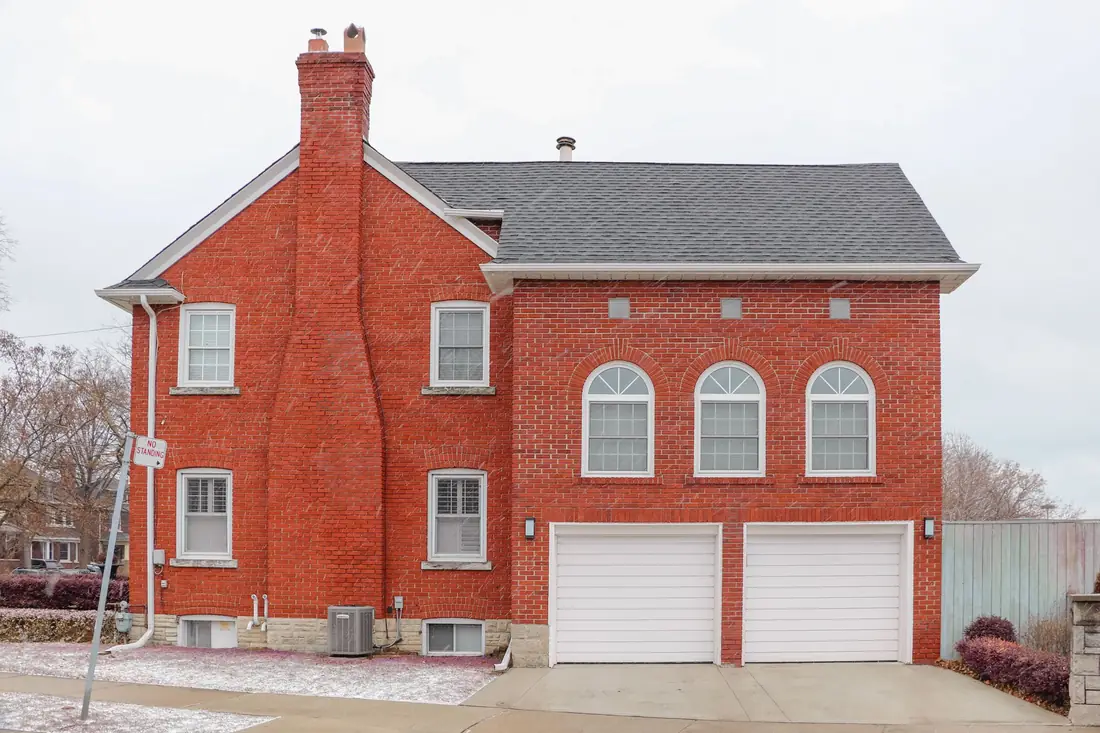
A chimney is easy to ignore until an inspector points a flashlight up it. You have lived under that brick stack for years, lit maybe three fires in it, and never gave it a second thought. Then a buyer's inspector climbs a ladder, shines a light down the flue, and comes back talking about a cracked crown, loose brick, and a liner that is more gap than clay tile. Just like that, selling a house with a bad chimney becomes the whole conversation, and the offer you shook hands on is wobbling on a masonry problem you did not know you had.
Here is the honest version. A bad chimney rarely tanks what your house is worth, but it can absolutely stall a sale, because it crosses the line from cosmetic into safety. A failing masonry chimney can pull water into your walls, vent carbon monoxide back into the house instead of up and out, or drop hot embers where they should not go. Inspectors flag it, buyers get spooked, and a mortgage lender can get cold feet if the report reads scary enough. You still have clean ways to sell. You just need to know which one fits your wallet and your calendar.
A little tuckpointing and a full teardown-and-rebuild both get called "chimney repair," and until a pro tells you which one you are staring at, you cannot make a smart call on price, timeline, or how to sell. Below is what actually goes wrong up there, why it is a safety flag and not just an eyesore, what Iowa asks you to disclose, and the three routes out.
What actually goes wrong with a masonry chimney
"Bad chimney" covers a lot of ground, so it helps to know what an inspector is really looking at. Most flags come from a short list of masonry problems, and they usually travel together, because water is behind most of them.
- A cracked crown. The crown is the concrete cap on top of the chimney that sheds rain. When it cracks, water runs straight down into the masonry and the freeze-thaw cycle does the rest, which in Iowa winters is brutal.
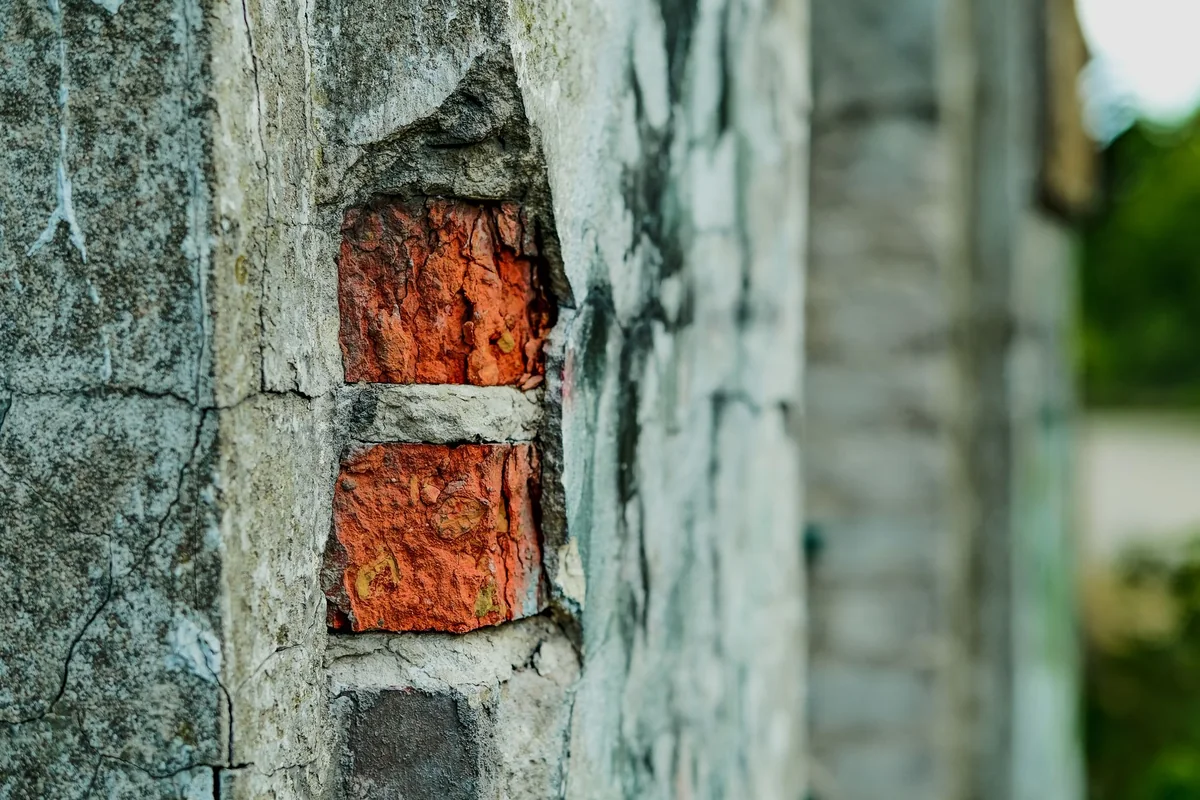
- Spalling or loose brick. Spalling is when brick faces flake off, pop, or crumble after water soaks in and freezes. Loose or missing brick at the top of the stack is both an eyesore and a falling-object concern.
- A damaged or missing flue liner. The liner is the interior channel that carries smoke and gases out safely. A cracked clay-tile liner, or no liner at all in an old chimney, is the defect that turns a cosmetic problem into a safety one.
- A leaning or bowing stack. A chimney tilting away from the house usually means the footing or the lower masonry is failing. This is the big-ticket flag.
- Heavy creosote buildup. Creosote is the tarry residue a wood fire leaves inside the flue. Enough of it is a genuine chimney-fire risk. The Chimney Safety Institute of America recommends an annual inspection for exactly this reason.
(One aside from doing this a while: sellers almost always underestimate the liner. The brick you can see gets the attention, but the liner you cannot see is what an inspector writes up in bold.)
A chimney fails from the top down and the inside out. By the time the brick looks rough from the driveway, the crown and the liner have usually been letting water in for years.
Why a bad chimney is a safety issue, not just an eyesore
This is the part that changes how buyers and lenders react. If your chimney only vented a decorative feature, a few loose bricks would be a cosmetic footnote. But a chimney is a safety device for anything that burns: a wood-burning fireplace, a wood stove, an older gas furnace or water heater that vents through it.
When the flue or draft is compromised, two bad things can happen. First, combustion gases including carbon monoxide can spill back into the house instead of going up the flue. Carbon monoxide is odorless, and the CDC's guidance on carbon monoxide is worth a read on why that matters. Second, a cracked liner or a creosote-caked flue is a fire path, letting heat or sparks reach framing they should never touch.
That is why a home inspector cannot just shrug at a bad chimney. If a wood or gas appliance vents through it, the defect is a health-and-safety item, and it lands in the report in a way buyers and their agents read carefully. A nervous buyer using a mortgage may ask for the repair before closing, and if the lender's appraiser notes an obvious safety problem, it can hold up the loan, the same way other condition defects do. If your deal is running on government-backed financing, this overlaps with what I laid out in the guide on selling a house that won't pass an FHA appraisal in Iowa.
To be clear and honest: not every chimney flag is a five-alarm emergency. A hairline crown crack on a chimney nobody uses is a different animal than a collapsing liner over a working furnace. That is exactly why you confirm the real severity with a chimney pro instead of guessing off the inspection summary.
Where the chimney meets the roof: flashing and leaks
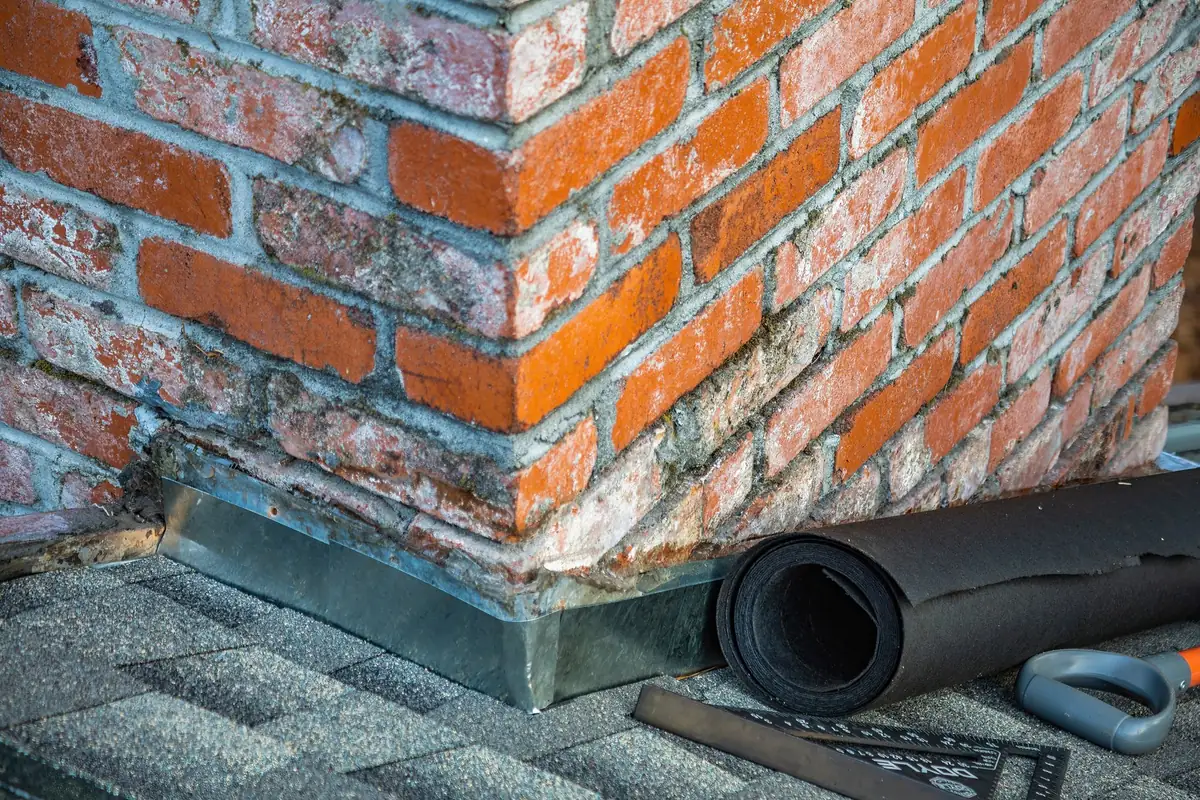
Here is a spot sellers rarely think about until there is a water stain on the ceiling. The seam where the chimney passes through the roof is sealed with metal flashing. When that flashing corrodes, lifts, or was never installed right, water gets in, and it often shows up as a "roof leak" or a "chimney leak" when it is really a flashing problem at the intersection of the two.
This matters when you sell because it blurs the line between a chimney repair and a roof repair. A buyer's inspector may write up water intrusion near the chimney and leave you unsure which trade to call. Sometimes it is the crown, sometimes it is the flashing, and sometimes the chimney problem and a tired roof are tangled together. If the report is pointing at the roof as much as the stack, my walk-through on selling a house with a bad roof in Iowa covers that overlap in detail.
(The maddening part: flashing is cheap compared to a rebuild, but a leak that sat for years can rot decking and drywall behind the scenes. The visible fix is small. The hidden damage is where the surprise lives.)
What a chimney fix costs: tuckpointing to full rebuild
I am not going to hand you a dollar figure, because anyone who quotes a chimney sight unseen is guessing, and Iowa masonry prices swing with the season and the scope. What I can give you is the honest range of fixes, from cheapest to most involved, so you know what a mason is even talking about.
| Fix | What it addresses | Where it sits |
|---|---|---|
| Tuckpointing | Eroded mortar joints, minor spalling | Lower end |
| Crown repair or rebuild | A cracked cap letting water in at the top | Lower to middle |
| New flue liner | A cracked or missing liner (the safety fix) | Middle |
| Partial or full rebuild | A leaning stack, widespread spalling, structural failure | High end |
| Cap and decommission | An unused chimney you never plan to burn in | Often the cheapest exit |
That last row is the one people forget. If the chimney is decorative or serves an appliance you have already replaced with a modern direct-vent unit, you may not need to save the chimney at all. Capping it, sealing it, and formally decommissioning it can be far cheaper than rebuilding brick you will never use. Ask the chimney pro whether that fits your house.
Before you sink money into any of it, it is worth asking whether the repair pays you back. A brand-new chimney rarely returns its full cost at sale, which is the same logic behind knowing what not to fix when selling a house in Iowa. Sometimes the smart move is to price the defect in rather than fix it.
Disclosing a bad chimney in Iowa
Whatever you decide on repairs, do not try to hide the problem. Iowa requires most sellers of residential property to fill out a written condition disclosure statement before the sale, and it specifically asks about the structure, the roof, and heating and chimney systems. If you know the crown is cracked, the liner is shot, or the stack leaks, that belongs on the form.
The disclosure duty comes from Iowa's residential real estate disclosure law, and you can read the plain text of Iowa Code chapter 558A if you want the source. The practical takeaway is simple: disclose what you actually know. You are not required to go tear the chimney apart to find hidden defects, but you cannot sit on a known material problem and hope the buyer misses it. Hiding it is how a clean sale turns into a phone call from a lawyer six months later.
(A quiet upside of disclosing: it takes the drama out of the inspection. When the buyer already knows about the chimney, the report confirms what you told them instead of blindsiding everyone and blowing up the deal.)
Your three options for selling with a bad chimney
Strip away the noise and you have three real moves. None of them are secret. The right one depends on how bad the chimney actually is, how much cash and time you have, and whether you want to babysit a mason and a second inspection.
- Repair it, then list. If the defect is contained and you have the money and the weeks, fix it and sell to the widest possible pool, including buyers using financing that cares about safety items. The downside is you are fronting cash and time on a house you are trying to leave, and masonry work in Iowa is weather-dependent.
- List it as-is on the MLS. You can put it on the open market and let buyers price the chimney in. You will draw more cash and renovation-minded buyers, fewer skittish financed ones, and you should expect offers that account for the repair. Here is how a real as-is sale in Iowa actually works.
- Sell to a cash buyer. No mortgage means no lender demanding the repair before closing. A local cash buyer takes the house as-is, factors the chimney into the offer, and closes on your timeline. This is the fastest exit and the one that makes the whole chimney question disappear. You can run the numbers on a cash offer without committing to anything.
There is no universally right answer. A seller with a small crown crack and a flexible move date should probably just fix it. A seller staring at a leaning stack, a bad liner, and a move-out date in two weeks is a different story, and that is where a cash sale usually wins.
How a cash buyer prices a house with a bad chimney
Let me be plain about the math, because "cash buyer" sounds like a mystery and it is not. When I look at a house with a bad chimney, I am not slapping a random discount on it. The offer works backward from what the home is worth fixed up: after-repair value, minus the cost of the repairs (chimney included), minus the costs of the sale, minus a fair margin. The chimney is just one line in that repair budget.
That means a rough chimney does not scare me off, it just gets accounted for inside the number instead of on a punch list you have to complete first. You do not write a check to a mason, wait on scaffolding, or re-open the deal after a second inspection. You take the offer, or you do not.
I've bought over 100 homes across Iowa in six years, plenty of them with chimneys in worse shape than yours: crumbling, leaning, liners long gone. That is genuinely the work. I will also tell you if a cash sale is not your best move. If patching a crown and listing nets you more, I will say so, because I am just one more option, no harm and no foul. You can read more about how I work if you want the background first.
One Iowa-specific note while you plan: Iowa is an abstract state, so closing means updating and examining a physical abstract of title rather than leaning on title insurance. It adds a few days and trips up out-of-state sellers, and it is one more reason working with a local buyer who does this every week tends to go smoother.
The bottom line
A bad chimney is not a broken house. It is a safety and water problem attached to one part of the roofline, and it comes with a repair range that runs from a few tuckpointing hours to a full rebuild. You can fix it and list to everyone, sell as-is on the MLS and let the market price it in, or hand it to a cash buyer and make the whole thing vanish. All three are real. The right one comes down to the actual severity (confirm that with a chimney pro), your cash, and your clock.
If the chimney estimate is longer than your timeline or bigger than your budget, that is exactly the situation I buy in. Tell me what the inspector flagged and I'll give you a straight read on your options, including the ones that are not selling to me. Request a free, no-pressure cash offer or call 515-216-0652 and we'll talk it through.
Selling a house with a bad chimney: FAQ
Can you sell a house with a bad chimney?
Yes. A bad chimney does not make a house unsellable, it just adds a condition item to the deal. You have three real paths: repair the chimney before you list, sell it as-is on the open market and let the buyer price in the work, or sell to a cash buyer who takes the house exactly as it stands. The right route depends on how bad the defect is, how much cash and time you have, and whether the buyer needs financing.
Do I have to fix a chimney before selling a house?
No, you are not required to fix it. Fixing it can widen your buyer pool and head off a scary inspection report, but plenty of homes sell with a bad chimney priced in. The catch is that a chimney with a real safety defect, like a cracked flue liner or heavy creosote, can make a mortgage lender nervous, and that can push you toward a cash buyer who does not require the repair up front.
How much does it cost to fix a bad chimney?
It ranges widely, so get a written estimate from a certified chimney sweep or mason before you assume anything. Minor tuckpointing, a new crown, or a fresh flue liner sit at the lower end. A leaning or badly spalling stack that needs a partial or full rebuild sits much higher. If the chimney is unused, capping and decommissioning it is often the cheapest path. The only honest number is the one a chimney pro writes down after looking at yours.
Do you have to disclose chimney problems when selling a house in Iowa?
Yes. Iowa requires most sellers to complete a written residential property condition disclosure, and known defects with the chimney, fireplace, or flue belong on it. If you know the crown is cracked or the liner is shot, disclose it. Hiding a known material defect can come back on you after closing. A cash sale is still a sale, so the disclosure duty generally applies there too unless a specific exemption fits your situation.
Can I sell a house with a bad chimney to a cash buyer?
Yes, and it is one of the most common reasons Iowa sellers call us about a chimney. A cash purchase has no mortgage, so there is no lender demanding the repair before closing. A local cash buyer inspects the chimney, factors the fix into the offer, and buys the house as-is. You skip the mason, the scaffolding, and the second inspection, and you close on your timeline, often in about a week.