Selling a house with a bad roof in Iowa
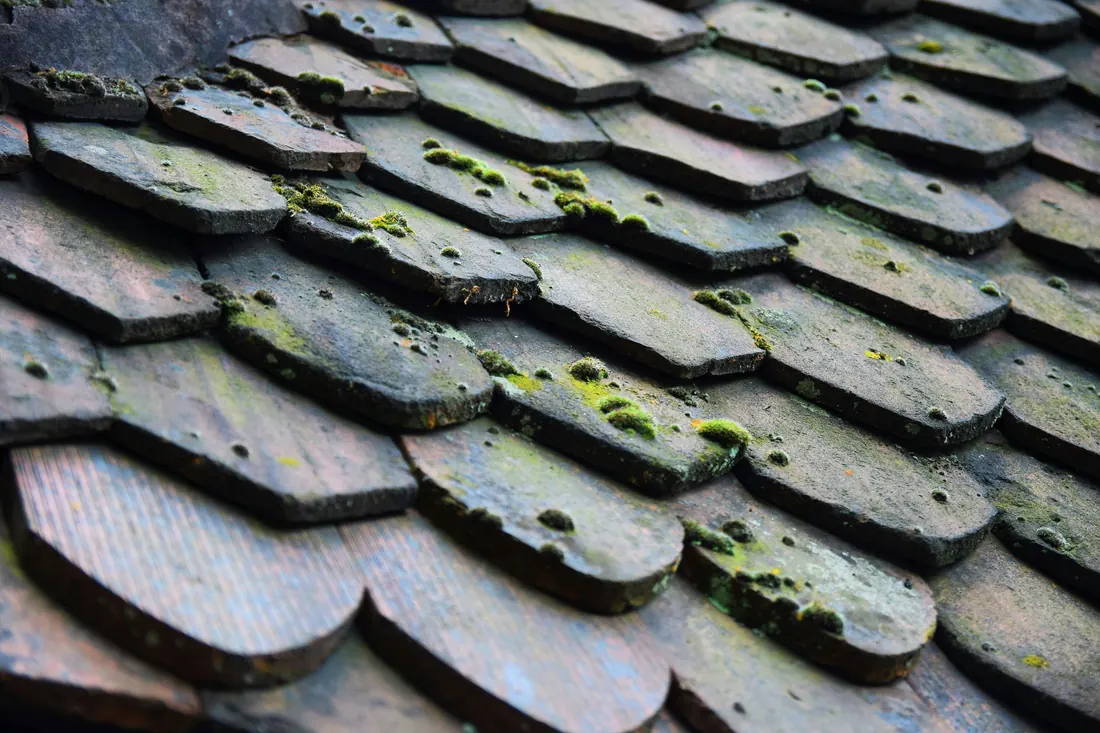
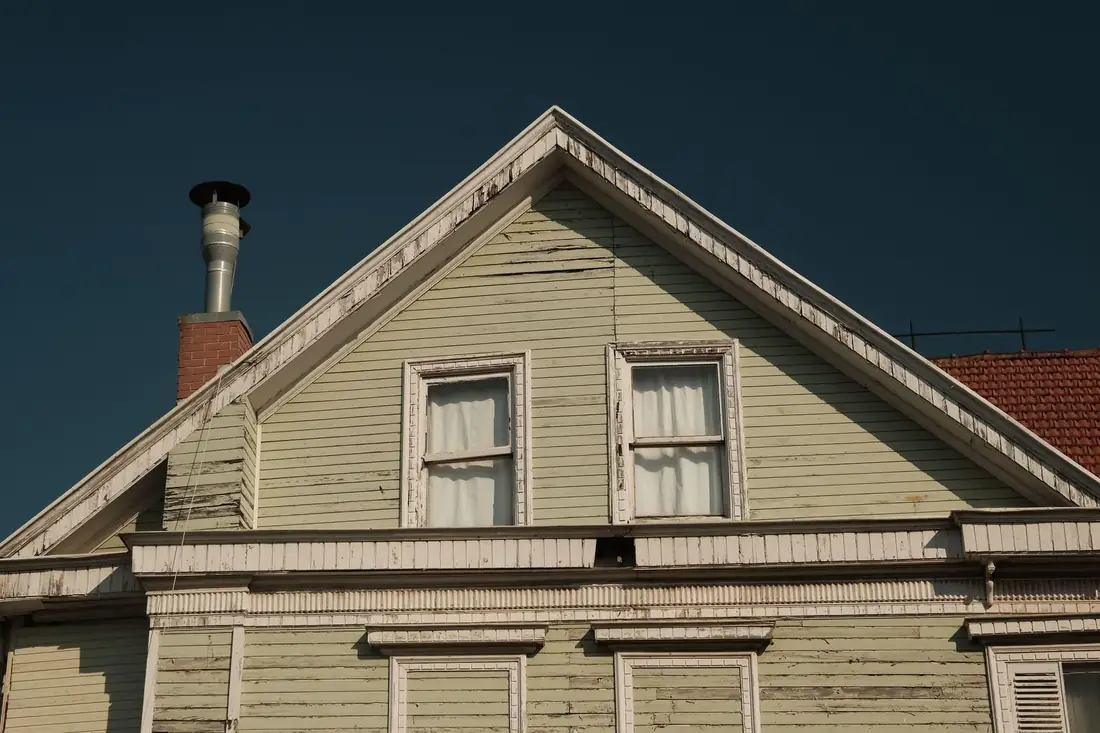
The roof is the one expensive problem a buyer can grade from the sidewalk. Before anyone opens the front door, they clock the curling shingles, the mismatched patch over the garage, the dark streaks running down the north slope, and they quietly subtract a five-figure number from your price. That's the strange power of selling a house with a bad roof: the roof gets a vote on the whole sale before the kitchen ever gets a word in, and you have two honest ways to play it.
Yes, you can sell a house with a bad roof, and you really have three options: pay to replace it, drop your price and sell it as-is on the open market, or sell as-is to a cash buyer who closes without a lender inspection. The right move depends on whether the roof just looks tired or is actively leaking, how much cash you can put down first, and how fast you need to be finished.
Underneath it all is a single trade: spend money now to reach more buyers, or keep your money and accept a lower number for the convenience. Let's walk through both so you can pick with your eyes open.
Why a bad roof scares off buyers and lenders
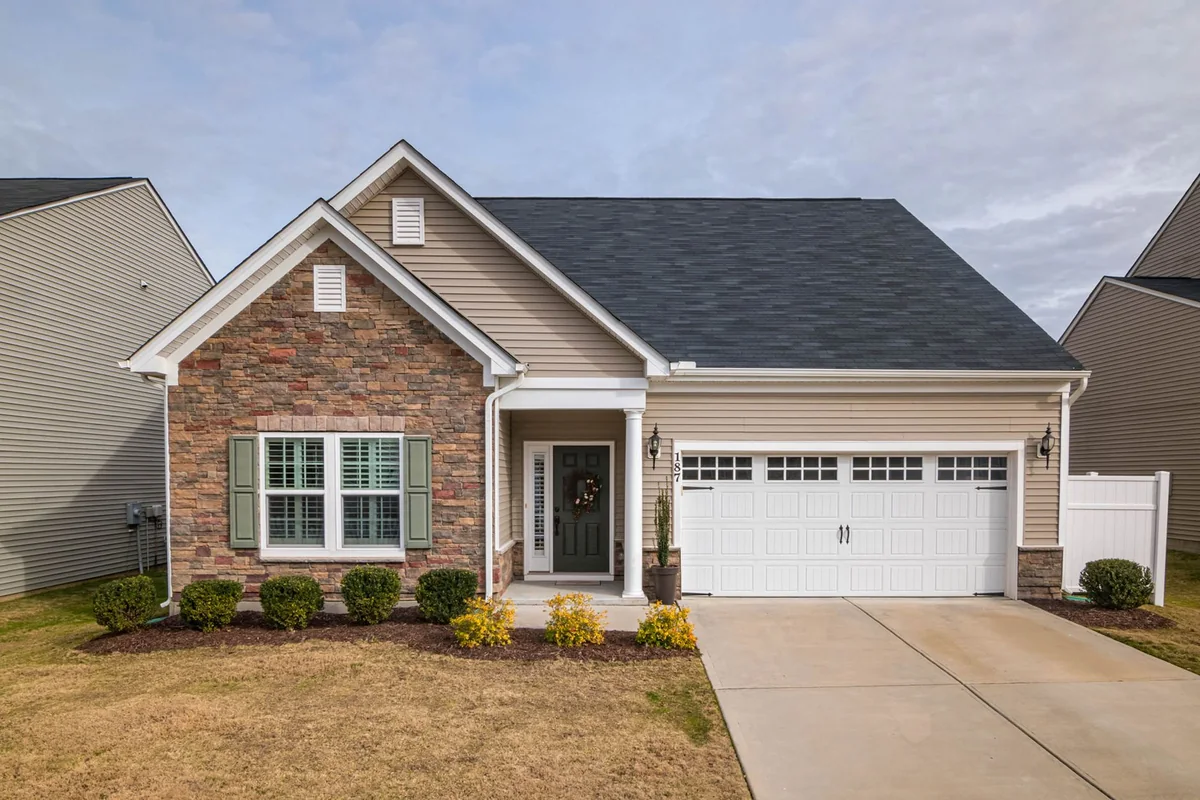
A bad roof spooks two very different groups, and you need both of them on your side to sell for full price. The first is buyers. A roof is the single most expensive part of a house they can see without a flashlight, so a rough one becomes a stand-in for everything they can't see. If the roof was neglected, they assume the furnace, the gutters, and the crawlspace got the same treatment. Fair or not, that's the reflex.
The second group is lenders, and this is the part that quietly kills more deals. When a buyer needs a mortgage, the home has to pass muster. Government-backed loans are strict about it: the roof has to have real life left and no active leaks under HUD's FHA property standards. An appraiser flags a failing roof, and the deal stalls until someone fixes it or the price drops. Consumer protections around home appraisals exist for good reasons, but they don't help a seller whose roof just tanked the number.
A buyer will forgive a dated kitchen. They will not forgive the mental image of water dripping through the ceiling onto their brand-new couch.
So a bad roof does two things at once: it lowers what buyers will offer, and it shrinks the list of buyers who can even get a loan to buy it. That double squeeze is the real reason a tired roof feels like it's holding your whole sale hostage.
Replace it or sell as-is?
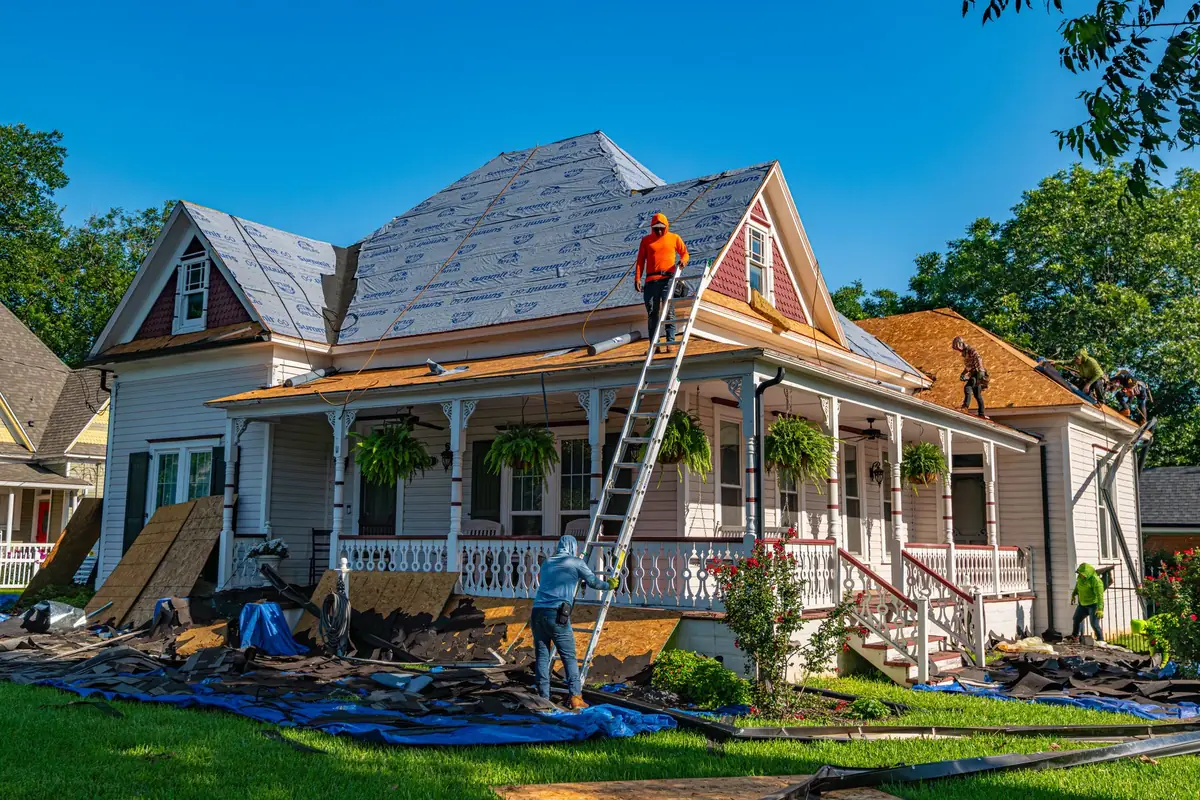
Here's the fork in the road. Replacing the roof turns a scary listing into a normal one: financed buyers can bid, the appraisal clears, and you can market a fresh roof as a selling point. The catch is you front the money, wait on contractors, and take on the risk of a sale that might still fall through. Selling as-is flips every one of those: no cash out of pocket, no waiting, no repair headaches, in exchange for a lower price.
| Replace the roof first | Sell as-is | |
|---|---|---|
| Upfront cost | $9,000–$20,000+ out of your pocket | $0 |
| Time to sell | Weeks for the roof, then a normal listing | As fast as a cash buyer can close |
| Buyer pool | Wide, including FHA and VA financing | Cash buyers and renovation-loan buyers |
| Best when | The house is otherwise sharp and you have the cash | You want speed, certainty, and no repair bills |
If the roof is the only thing wrong and you've got the cash to spare, replacing it can pay off. If the house needs other work too, spending twenty grand on the roof rarely makes the rest disappear. It's the same logic behind knowing what not to fix before selling a house in Iowa: not every repair earns its money back. And if repairs aren't in the budget at all, selling as-is in Iowa is a legitimate, common path, not a fire sale.
What a new roof actually costs (and returns)
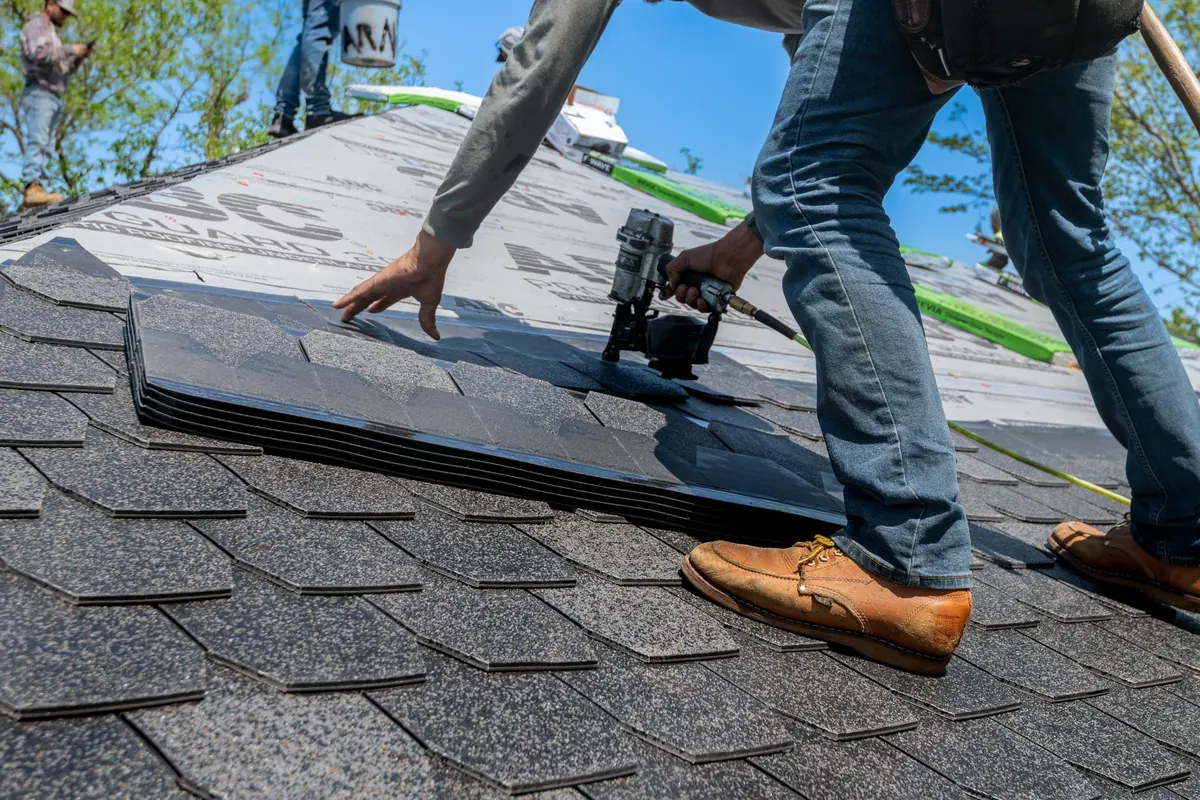
For a typical Iowa single-family home, a full asphalt-shingle replacement runs roughly $9,000 to $20,000 or more, depending on the size, the pitch, and how many old layers have to come off. Steep roofs, multiple tear-offs, and premium shingles push the top end higher. That's a serious check, so the fair question is: how much of it do you get back at the closing table?
The honest answer is not all of it. A new roof helps a house sell and helps it appraise, but most sellers recover only part of the cost in a higher price. You're buying access to more buyers and a smoother closing, not a dollar-for-dollar return. Treat it like a repair that unlocks the sale, not an investment that turns a profit.
One Iowa wrinkle worth checking first: storms. We get hail and straight-line wind here, and if your roof was damaged in a recent storm, your homeowner's insurance may cover a replacement minus your deductible. That changes the math completely. Before you pay out of pocket, call your insurer and ask about a claim.
A roof you replace with an insurance check costs you a deductible. A roof you replace with your own savings costs you the whole thing. Always ask which one you're dealing with.
Selling as-is: what you'll net
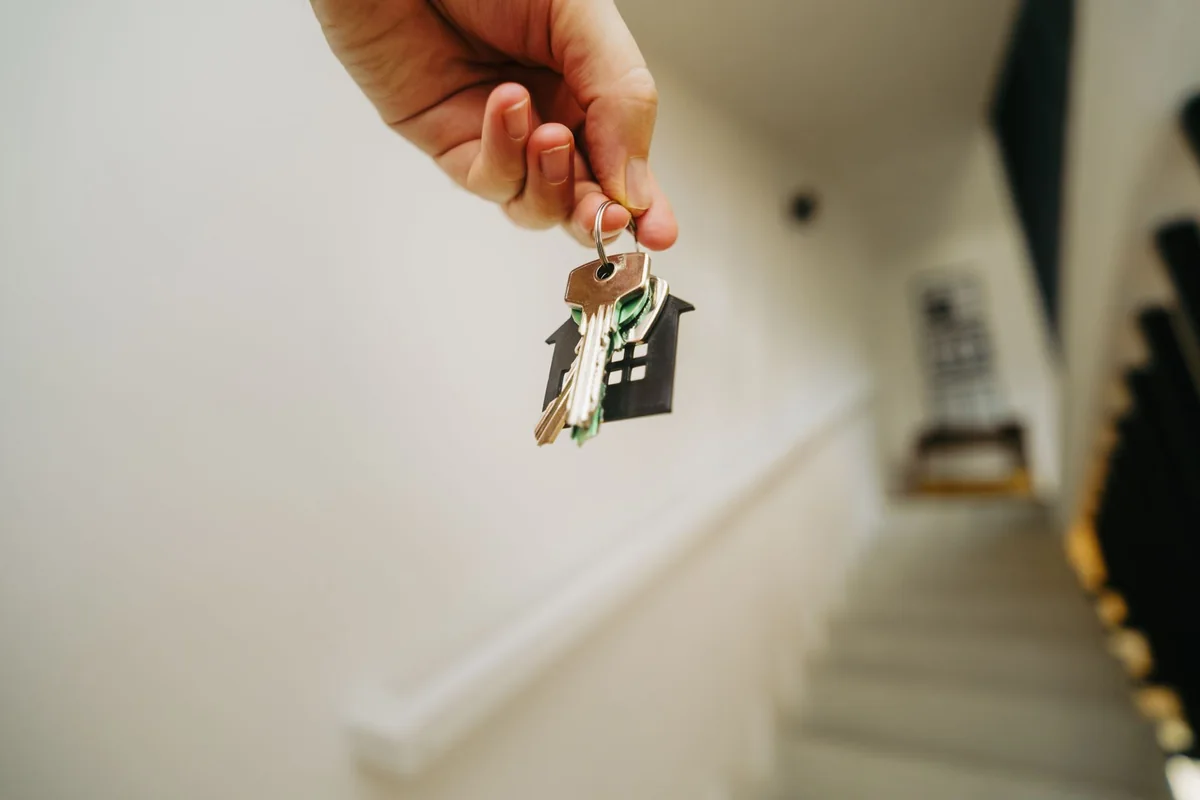
People fixate on the sale price and forget the word that actually matters, which is net. A cash offer on a bad-roof house looks lower on paper, but it comes with no agent commission, no months of holding costs, no repair invoice, and no deal falling apart at the appraisal. When you stack those up, the gap between a retail sale and a cash sale narrows more than most sellers expect.
Here's how a fair cash offer is built, no mystery to it. Start with the after-repair value, what the house is worth fixed up. Subtract the repairs it needs, including that roof. Subtract the standard selling and holding costs. Subtract a modest margin so the buyer can stay in business. What's left is the offer. A bad roof lowers the number by roughly what it costs to fix, which is the same hit you'd take by dropping your price on the open market, only without the wait. You can see the plain-English version on my how the offer works section, and I'll always walk you through the math myself rather than hand you a take-it-or-leave-it figure.
Sticker price is what you tell your neighbors. Net proceeds are what you actually put in the bank. Only one of those pays your movers.
Who buys houses with a bad roof
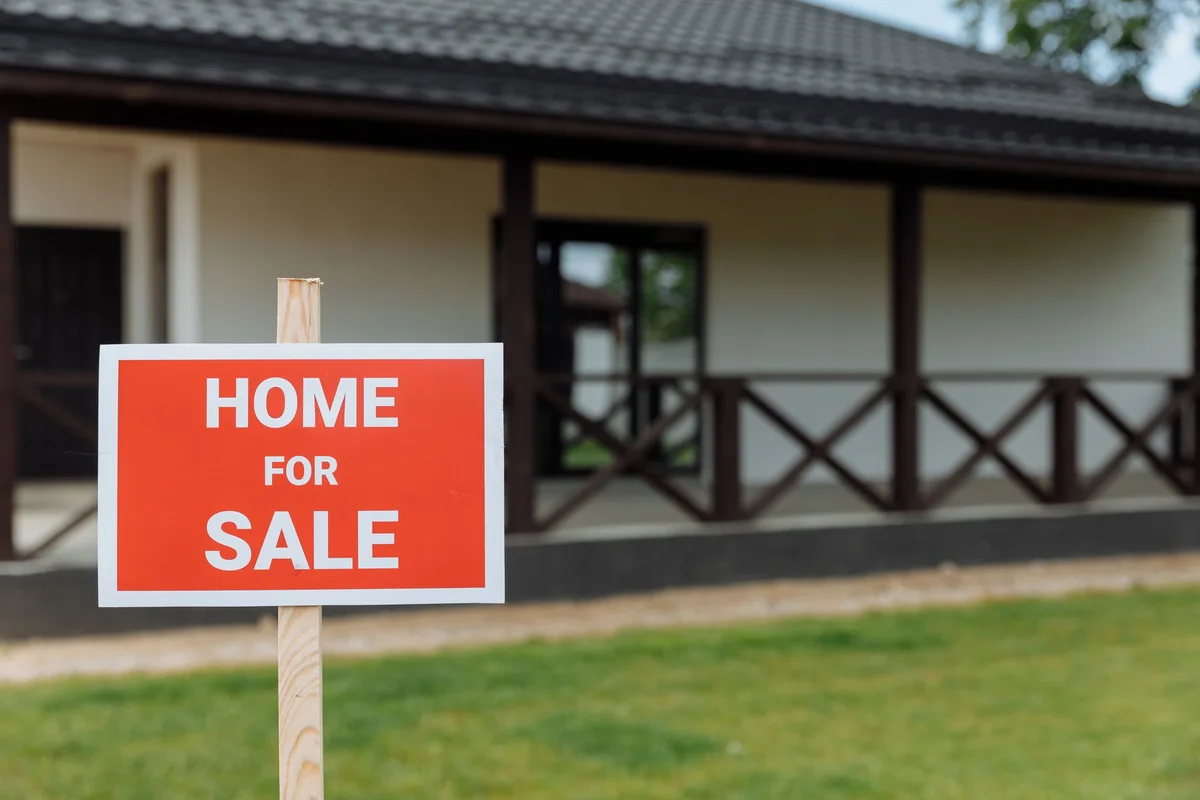
A bad roof scares off the traditional financed buyer, but it draws in a whole other crowd who are looking for exactly this. Three types show up most:
- Local cash buyers and investors. No lender means no appraisal condition and no roof requirement to satisfy. They price the repair in and close on your schedule.
- Renovation-loan buyers. Some buyers use a program like the FHA 203(k) loan, which rolls the roof repair into the mortgage. Fewer of these exist, and they move slower, but they're real.
- Contractors and flippers. A roof is just a line item to someone who fixes and resells houses for a living. They'll take it on gladly.
Of the three, a local cash buyer is usually the fastest and the least stressful, because there's no bank, no inspection contingency, and no repair list waiting on you. That's the lane I work in. If you'd rather not gamble on which financed buyer sticks, I buy houses in any condition across Iowa, roof included, and I cover the Des Moines metro, Ames, and the towns in between.
The bottom line
Selling a house with a bad roof isn't a dead end, it's a choice between two honest routes. Replace the roof if the house is otherwise sharp, you've got the cash, and you want top-of-market buyers, but check your insurance for storm damage before you write that check. Sell as-is if you'd rather skip the money, the wait, and the risk, and just be done. Either way, disclose the roof honestly, because Iowa law and plain decency both require it. If the second route sounds like your situation, tell me about the house, bad roof and all, and I'll send a fair, no-obligation cash number you can actually count on.
Selling a house with a bad roof: FAQ
Can you sell a house with a bad roof?
Yes. You can replace the roof and sell on the open market, drop your price and sell as-is, or sell as-is to a cash buyer who closes without a lender inspection. Iowa law requires you to disclose known roof problems either way, so honesty is not optional.
Do I have to replace the roof before selling?
No. Replacing it can widen your buyer pool and unlock financed offers, but you rarely recover every dollar. If you don't want to front the money or wait on contractors, selling as-is to a cash buyer skips the repair entirely.
Will a bad roof stop a buyer from getting a mortgage?
Often, yes. Most lenders, and FHA and VA loans in particular, won't fund a home with an active leak or a roof near the end of its life. That's why many bad-roof houses sell to cash buyers, who don't need a lender's sign-off.
Does a bad roof lower my appraisal?
It can. An appraiser notes an aging or damaged roof, and on a financed sale it can lead to a lower value or a required repair before closing. On a cash sale, the roof is priced into the offer up front instead.
Who buys houses with roof damage in Iowa?
Local cash buyers and investors, renovation-loan buyers using a program like FHA 203(k), and contractors who fix and resell. A local cash buyer is usually the fastest, since there's no lender, no inspection contingency, and no repair list to satisfy.