What to do when your house won't sell in Iowa
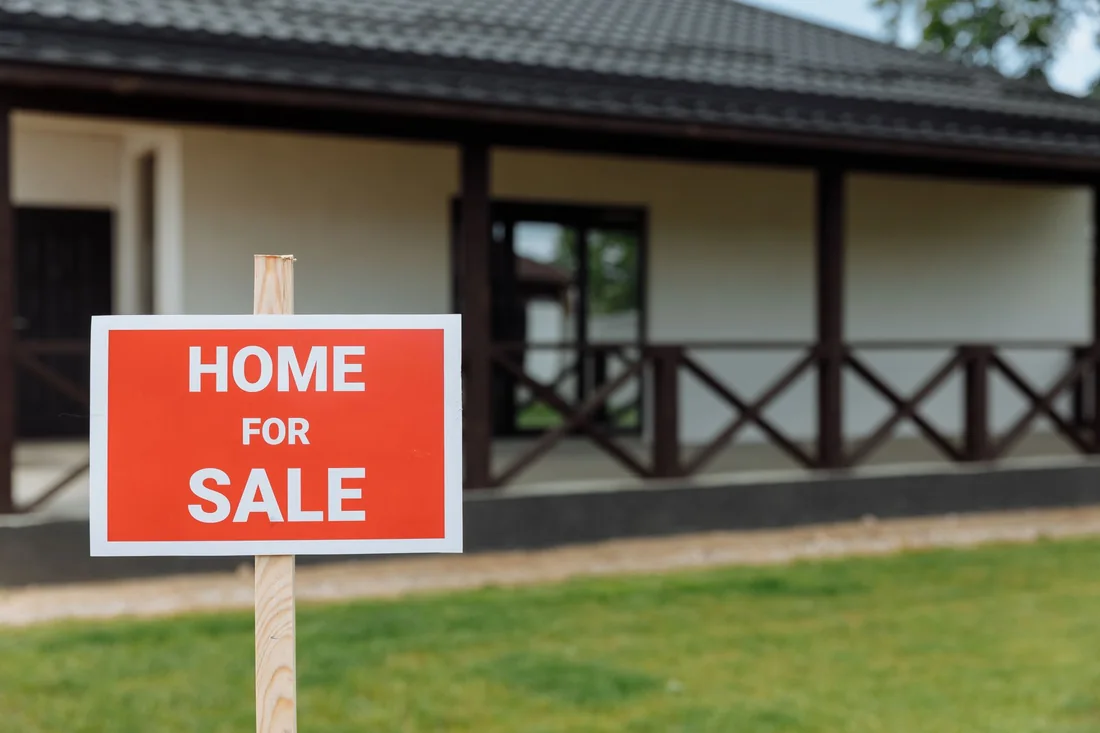
A house on the market talks to buyers every week, whether you want it to or not. Week one it says "new." Week nine it says "so what's wrong with it?" Nothing about the house changed in those eight weeks. The listing just went stale on its own, which is why figuring out what to do when your house won't sell starts with understanding that time on the market is its own problem, separate from the house.
Here's the short version. If your house isn't selling, it's the price. Not the season, not your agent's flyer, not the neighbor's dog. Condition and photos decide whether buyers show up at all, but price is what closes the gap between "nice house" and "I'll write an offer." Fix the price and most of the other complaints go quiet.
Every week your house sits, it gets harder to sell, and the reason has nothing to do with the house.
Why houses actually sit
A listing has a shelf life. The first two weeks are when every buyer with a saved search, an agent, and a Saturday gets alerted that you exist. That's your audience. After that you're mostly waiting on new buyers to enter the market, which is a much thinner stream.
So when a house sits, one of three things is happening. Nobody's coming to see it. People come and nobody writes. Or people write and the deal keeps falling apart on financing or inspection. Those are three different problems with three different fixes, and treating them the same is how sellers waste two months.
The cruel part is the compounding. Days on market is public. Buyers see "97 days" and assume other buyers already looked and passed, so they either skip it or lowball it. Your house is being judged by how long it's been for sale, not by what it is. Typical Iowa timelines are worth knowing so you can tell "slow" from "stuck," and I broke those down in how long it takes to sell a house in Iowa.
Nobody walks into a house that's been listed 90 days and thinks "lucky me." They think "what did the inspector find?"

It's almost always the price
I'll save you the suspense: overpricing is the number one reason houses don't sell, and it's not close. Agents say it, the data says it, and every seller I've met who "tested" a high number spent the next 60 days walking it back anyway, just with a worse listing history to show for it.
Here's the mechanic people miss. Buyers shop in brackets. They search $250,000 to $275,000, or $300,000 and under. If your house is worth $268,000 and you list at $279,900, you didn't ask for $12,000 more. You removed yourself from the search results of everyone shopping under $275,000. You're now the ugliest house in a nicer bracket, competing with homes that have the granite you don't.
Which is why the small nibble doesn't work. Cutting $2,000 doesn't move you into a new bracket, it just tells the market that more cuts are on the way, so everyone waits. One real cut that clears the next round number below you gets you a whole new audience. Three small ones get you a price-change history that reads like a slow-motion negotiation with yourself.
And the market doesn't care what you paid, what you owe, or what you spent on the deck. It cares what the comparable house down the street sold for last month. That feels unfair. It's also the only opinion with money behind it.
Photos, condition, and the listing itself
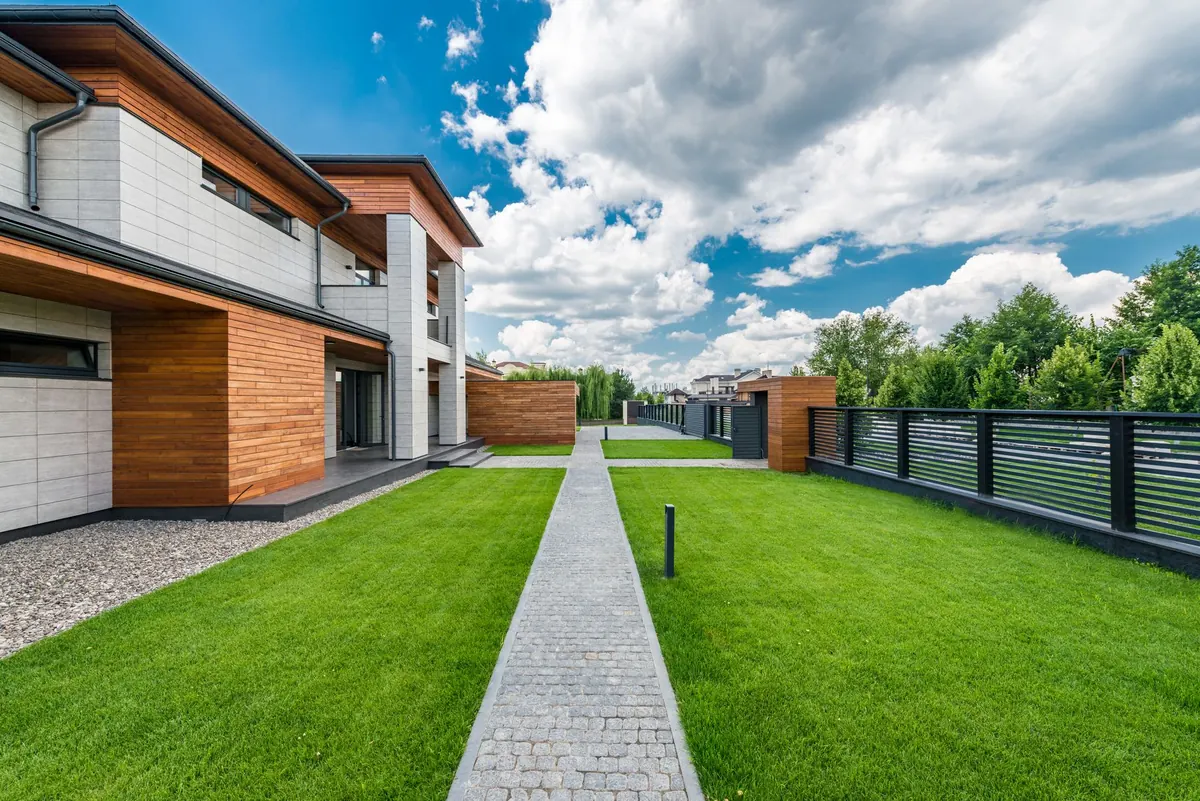
Your listing photos are the showing. That's not a figure of speech. Buyers scroll, decide in about two seconds, and your house either makes the "maybe" list or it doesn't. Dark photos, a phone held sideways, a picture of the garage floor: those cost you real buyers before anyone ever pulls in the driveway.
If you're getting showings but no offers, the house is showing worse than it photographed. Usually it's smell, clutter, or one loud thing the pictures hid. Buyers don't tell you this. They just don't call back.
Now the part sellers get wrong in the other direction: do not renovate a house that won't sell. You'll spend $18,000 and six weeks to maybe move the price $10,000, while the carrying costs keep running. Fix the cheap, visible, obvious stuff. Leave the rest and price for it. I went through what's worth touching in what not to fix when selling a house in Iowa.
- Worth it: professional photos, decluttering, a deep clean, mulch and a mowed lawn, burnt-out bulbs, one coat of neutral paint.
- Rarely worth it: a new kitchen, a roof you're replacing to please a listing, high-end flooring, a finished basement.
- Worth disclosing, never hiding: the foundation, the water in the basement, the ancient furnace. It comes out at inspection and costs you the buyer instead of the price.

Reprice, relist, or change agents?
Three levers, and sellers almost always pull them in the wrong order.
Reprice if you're not getting showings. This is the fix most of the time. It's free, it's immediate, and it works. Do it once and do it properly.
Relist only when something real changed. Pulling the listing and putting it back up resets the days-on-market counter in the MLS, but it doesn't erase history. Agents pull the old listings in about nine seconds, and the portals keep the price-change record. A relist with a new price and better photos is a genuine second chance. A relist with the same everything is a costume.
Change agents if the marketing is genuinely bad, meaning bad photos, no showings scheduled, no feedback, no comps, no returned calls. But be honest here, because "my agent isn't doing enough" is often "my agent told me the price was too high and I didn't want to hear it." A new agent with the old price gets the old result.
If three agents in a row tell you the same number, that's not three opinions. That's the market, delivered three times, patiently.
Worth adding: if the reason you can't cut the price is that you owe more than the house is worth, that's a different problem entirely, and a price reduction isn't the tool. Talk to your servicer early. The Consumer Financial Protection Bureau and HUD both publish free guidance on your options, including HUD-approved counselors who cost you nothing.
The cash option when you're done waiting
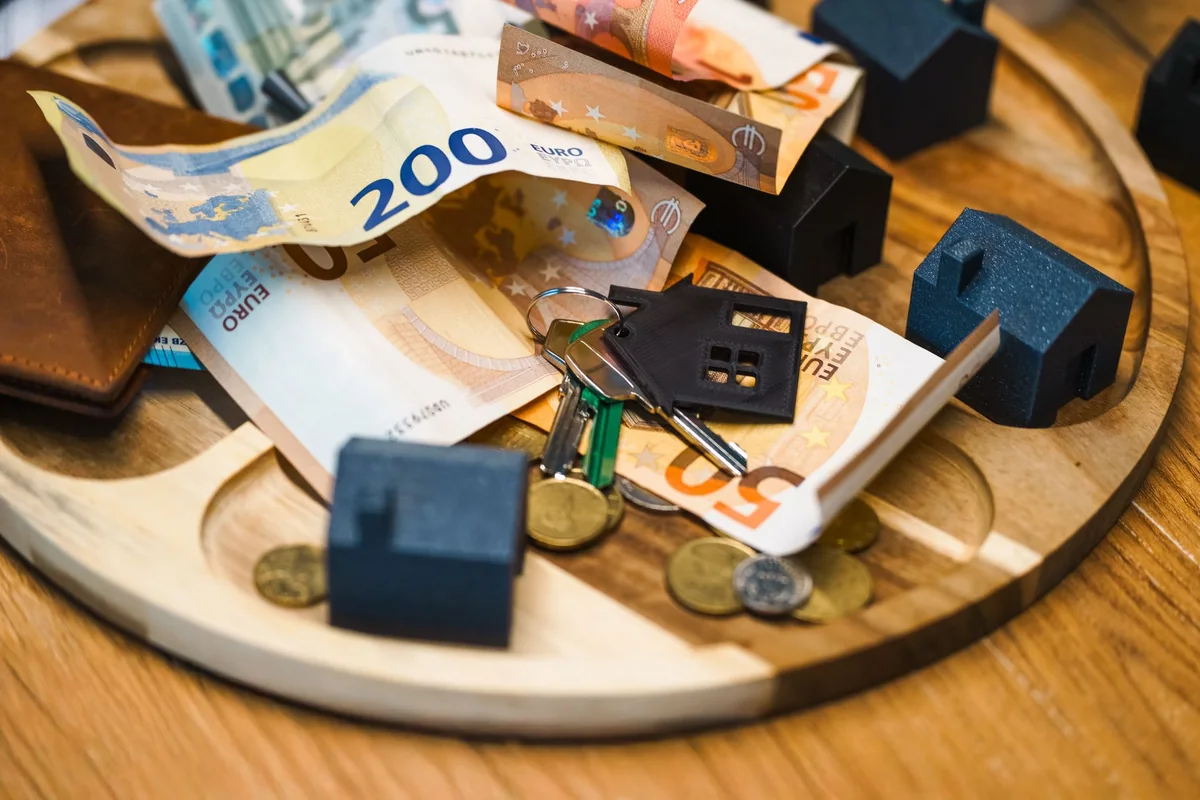
At some point the question stops being "how do I get top dollar" and becomes "what is this waiting actually costing me." Mortgage, taxes, insurance, utilities, lawn care, and the low-grade dread of keeping a house show-ready with kids in it. Four more months of that adds up to real money, and it comes out of the same pocket the higher price was supposed to fill.
That's the honest case for a cash sale. You're trading top dollar for certainty. No showings, no repairs, no staging the toaster, no buyer whose loan dies eleven days before closing because their car payment moved their debt ratio. You pick the closing date.
The math isn't mysterious, either. A cash offer is after-repair value, minus the repairs the house needs, minus the costs of selling it later, minus a margin. That's it. I'll show you the numbers I used. If they don't beat what you'd net after four more months of carrying costs and a price cut you were going to make anyway, don't take the offer. I'd rather tell you that than talk you into something. More on how the process runs in selling a house for cash in Iowa, and you can see the Iowa areas where I buy, from the Des Moines metro to Ankeny, West Des Moines, Urbandale, and Ames.
| Keep waiting on the listing | Sell as-is for cash | |
|---|---|---|
| Sale price | Higher, if it sells | Below retail, known up front |
| Timeline | Open-ended | Your date, often 7 to 14 days |
| Repairs and cleaning | On you | On me |
| Showings | Until it sells | One walkthrough |
| Carrying costs | Every month, yours | Stop at closing |
| Falls through? | Financing and inspection risk | No lender to disappoint |
The bottom line
A house that won't sell isn't a mystery, it's a math problem wearing a disguise. Count your showings to find out which problem you have. Make one real price cut instead of a series of apologetic ones. Fix what buyers see and skip what they don't. Relist only if something actually changed.
And if you've done all that, or you just don't have another four months in you, there's a version of this where it's over next week. Tell me about the house and I'll give you a straight number and the math behind it, no obligation and no pressure. If listing is still your better move, I'll say so. You can get a cash offer here, call 515-216-0652, or read who you're actually dealing with first.
House won't sell: FAQ
How long is too long for a house to sit on the market?
Watch showings, not the calendar. If you're getting steady showings and no offers, the house is showing worse than it looks online. If you're getting almost no showings after two or three weeks, that's a price and exposure problem, and waiting won't fix it.
Does taking my house off the market and relisting reset days on market?
It usually resets the number in the MLS, but it doesn't erase the history. Agents can pull the previous listings, and buyers see price-change records on the big portals. A relist works when something real changed, like a new price or a real repair. It doesn't work as a disguise.
Should I lower the price or fix the house first?
Price first, almost always. Repairs cost money and weeks, and buyers rarely pay back the full cost. If the house has sat with no offers, a meaningful price cut gets more traffic faster and cheaper than a renovation does.
How much should I cut the price by?
Enough to land in a new set of buyer searches. Small nibbles of one or two percent tend to do nothing except signal that more cuts are coming. One cut that clears the next round number below you does more than three small ones.
What if I can't afford to keep waiting for the house to sell?
Then stop optimizing the listing and change the exit. A cash sale skips the showings, the repairs, and the financing risk, and closes on a date you pick. It trades top dollar for certainty, which is the right trade when the carrying costs are eating the difference anyway.