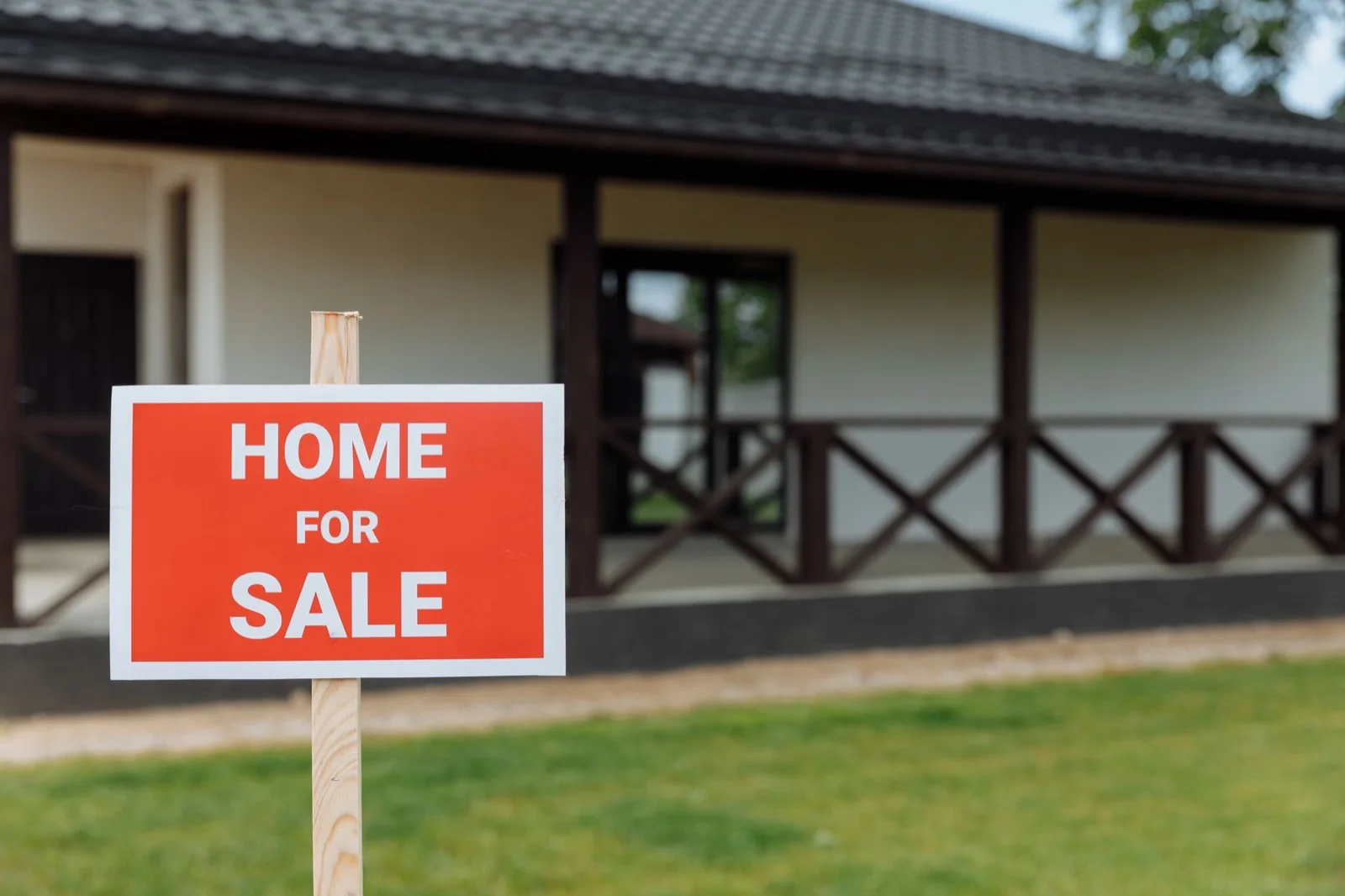
How to sell your house for cash in Iowa

Your house has two price tags, and they almost never match. One is the cheerful Zestimate or the listing price your neighbor swears she got, a wish dressed up as a fact. The other is the money that actually lands in your bank account, after the months of waiting, the new roof, the agent's cut, and the buyer whose loan fell through in week six. When you sell your house for cash, you get one of the only numbers in real estate that means exactly what it says: this is the amount, this is the day, done.
Selling your house for cash means selling to a buyer who pays from their own funds instead of a bank loan. No mortgage approval, no appraisal contingency, no lender who can vanish at the closing table. The buyer usually takes the house as-is, so you skip the repairs, the showings, and the agent commission, and you pick a closing date that fits your life.
Here's the honest tradeoff: a cash offer trades top dollar for speed and certainty, and whether that trade is worth it depends entirely on your house and your situation. Here's how the whole thing actually works.

What "selling for cash" actually means
A cash sale doesn't mean someone shows up with a duffel bag of twenties. It means the buyer has the funds in hand, usually from their own account or a private fund, and isn't waiting on a mortgage lender to approve a loan. That one difference removes most of the things that blow up a normal sale. There's no underwriter deciding your buyer is suddenly too risky, no appraisal coming in low and torpedoing the price, no financing contingency giving the buyer a free exit in week four.
The other half of "cash" is "as-is." A cash buyer expects to do the work, so they're not asking you to fix the furnace, repaint, or stage the living room. You're selling the house in the exact condition it's in today. The old carpet, the cracked driveway, the kitchen that time forgot. That's the buyer's problem now, not yours.
Most folks think a cash sale is about money. It's really about removing the twelve things that can go wrong between "we have a deal" and "here are the keys."
If you want the long version of how a fast, no-bank sale plays out, I wrote a whole piece on how to sell your house fast in Iowa. The short version: fewer moving parts, fewer ways to fall through.
How a cash sale works, step by step
The process is refreshingly boring, which is the point. Here's the path from "I'm thinking about it" to "the money's in my account."
| Step | What happens | Roughly how long |
|---|---|---|
| 1. You reach out | You share the address, the condition, and your timeline by phone or online. | 10 minutes |
| 2. A quick look | The buyer reviews the property, sometimes with a walkthrough, sometimes from photos and public records. | Same day to a couple days |
| 3. The offer | You get a written, no-obligation cash offer. A good buyer shows you how they got the number. | 24–48 hours |
| 4. You decide | You accept, counter, or walk. No pressure, no penalty for saying no. | Your call |
| 5. Title & abstract | A title company verifies clean ownership and updates the Iowa abstract. This is usually the longest step. | 1–2 weeks |
| 6. Closing | You sign, the funds wire, you hand over the keys on the date you picked. | 1 day |
The step that surprises out-of-state sellers is the abstract. Iowa is one of the few states that still tracks a property's ownership history in a physical abstract document instead of relying solely on title insurance. It's a quirk worth knowing, because a missing or outdated abstract is the most common reason an otherwise simple Iowa closing slows down. A local buyer who's closed a hundred of these knows to get that moving on day one.
Want the play-by-play of the actual closing day and what you sign? Our walkthrough of how the offer-to-close process works lays it out without the jargon.

Who buys houses for cash in Iowa
Not all cash buyers are the same animal, and the differences matter for your wallet and your stress level.
Local investors and home buyers. People like me, who buy houses in the Des Moines metro, Ames, Ankeny, Polk County, and around the state, fix them up or rent them, and close on your timeline. You deal with an actual person, not a portal. The number is negotiable and the offer comes with a face attached.
National iBuyers. The big tech-backed companies use an automated model to make an offer, then often charge a service fee and re-inspect to chip away at the price. Fast, but impersonal, and the fine print can move the final number after you've already mentally spent it.
"We buy houses" franchises. The bandit signs on the highway. Some are reputable, some assign your contract to a stranger and disappear. I wrote an honest breakdown of whether "we buy houses" companies are legit, because the category earned its skeptics fairly.
The advantage of a local buyer isn't a slogan. It's that I can drive to your house, I know what a Polk County roof costs, and my name's on the offer.
If you want to see exactly where I buy and how I work, that's all on the where-we-buy page and my about page. No call center, no 800 number that routes to four states away.

The honest pros and cons
I'd rather tell you the trade-off straight than pretend cash is magic. It isn't. It's the right tool for some houses and the wrong one for others.
| The upside | The trade-off |
|---|---|
| No repairs, cleanouts, or staging | Offer is below full retail (the buyer takes the repair risk) |
| No agent commission (often 5–6%) | You won't catch a bidding war if one was coming |
| No showings, no strangers in your home | Fewer buyers competing means less price pressure |
| Close in days, not months | Speed is wasted if you weren't in a hurry |
| No financing fall-through | You have to vet the buyer to make sure their "cash" is real |
The big mental trap is comparing the cash offer to your Zestimate and calling the difference a "loss." That's not the comparison. The real comparison is the cash offer versus your net from a listing: the sale price minus commission, minus repairs the inspection demands, minus three more mortgage payments while it sits, minus your time. When you run that math, the gap shrinks fast. If money is the only factor and your house is move-in ready, a listing usually wins. If the house needs work, or you need to be done by a certain date, cash often wins on net and always wins on certainty.

How to tell a fair cash offer from a lowball
Here's the part the slick operators don't want you to know: a real cash offer is just arithmetic, and a fair buyer will walk you through it. The formula is the after-repair value (what the house is worth fixed up) minus the repairs, minus the selling and holding costs, minus a reasonable profit margin. That's it. If a buyer can show you those four numbers, you can judge for yourself whether the offer is fair. If they can't, that's your answer.
Watch for the warning signs. Big earnest money you have to put up. Pressure to sign today "before the offer expires." A contract that can be "assigned" to a third party you've never met. Anyone who refuses to put the offer in writing. The Consumer Financial Protection Bureau has solid plain-English guidance on how to protect yourself in a real estate transaction, and the FTC keeps a running list of common scams and how to avoid them. Five minutes on those sites is cheap insurance.
A lowball hides the math. A fair offer hands you the math and lets you check it. I'd rather lose a deal to an informed seller than win one because someone was rushed.
And never pay a "cash buyer" a fee upfront. A legitimate buyer makes money on the house, not on your closing costs, and you should never owe a real cash buyer money to get an offer.

How fast can you actually close?
Fast, but not magic. A typical cash sale in Iowa closes in about 7 to 21 days. The thing setting the pace isn't the money, which is ready, it's the title and abstract work that confirms you actually own the place free and clear. A clean title with an up-to-date abstract can close in a week. A messy one (an old lien, a name spelled three different ways across decades, a missing abstract page) adds time, and that's normal.
The part sellers love most is that the speed runs both ways. If you need to close in seven days because of a job move or a foreclosure date, that's usually doable. If you need six weeks to find your next place and pack, you pick that date instead. The buyer is flexible because there's no lender dictating the calendar. You can read more about realistic timelines in our guide to selling fast without a months-long wait.
The bottom line
Selling your house for cash is the rare real estate number that doesn't come with an asterisk. You trade a bit of top-end price for speed, certainty, and the freedom to skip repairs, showings, and commissions entirely. It's the right move when your house needs work, when you're on a clock, or when you just want the thing settled with one clean number. It's the wrong move if you've got a pristine, move-in-ready house and all the time in the world to court a bidding war.
If you're in Des Moines, Ames, Ankeny, Polk County, or anywhere in Iowa and you'd rather have a real number from a real person, tell me about your house and I'll send a fair, no-obligation cash offer, with the math shown, that means exactly what it says.
Selling your house for cash: FAQ
What does it mean to sell your house for cash?
It means selling to a buyer who pays from their own funds instead of a bank loan, so there's no mortgage approval, no appraisal contingency, and no lender who can kill the deal at the last minute. The buyer usually purchases the house as-is, so you skip repairs, showings, and agent commissions.
Will I get less money selling for cash than listing?
Often a cash offer is below full retail, because the buyer takes on the repairs, holding costs, and risk that you'd otherwise carry. But after you subtract agent commissions, repairs, months of payments, and closing costs from a listing, the gap is usually smaller than it looks. The right move depends on your house and your timeline.
How fast can a cash sale close in Iowa?
Many cash sales close in about 7 to 21 days, mostly limited by how quickly the title and abstract work clears. If you need a few extra weeks to move, you usually pick the closing date that works for you.
How do I know a cash offer is fair and not a lowball?
A fair buyer shows you the math: the after-repair value, the repair estimate, the costs, and the margin. Watch for large earnest money you have to pay, pressure to sign today, contracts that get 'assigned' to a stranger, and anyone who refuses to put the offer in writing.