We buy houses scams in Iowa: the red flags to watch

The same three words, we buy houses, cover honest local buyers and the occasional wolf in a bandit sign. You have met both without knowing which was which: the yellow sign zip-tied to a stop-sign pole, the handwritten postcard swearing your address is exactly what someone has been searching for, the cheerful voice on the phone who wants to email paperwork before he has ever seen your kitchen. Most of these people are fine. A few are not, and typing we buy houses scams into a search bar is how a lot of Iowa sellers start sorting the difference before they sign something they cannot take back.
Here is the honest version. Most people running we buy houses ads are legitimate, but the model attracts a few bad actors, and the con almost never looks like a con. It looks like pressure to sign today, an offer that quietly shrinks before closing, an earnest deposit you never actually see, a contract handed off to a stranger without a word to you, or someone who wants added to your deed before a dime changes hands. Real cash buyers show proof of funds, close at a title company or attorney, and never rush you. Learn the red flags and a cash sale stops being a leap of faith.
A real cash buyer and a con artist open with the identical line, so the sign itself tells you nothing. What separates them is everything that happens after you say yes: whether the number holds, whether the money is real, and who is actually standing at the closing table when it is time to sign. That gap between the pitch and the follow-through is where a scam lives, and it is the part you can learn to read.

The red flags of a we buy houses scam
None of these is proof of fraud by itself. Plenty of honest buyers do one or two of them out of sloppiness. But each one is a place to stop, ask a question, and get the answer in writing. When two or three show up in the same deal, that is not bad luck, that is a pattern.
- Pressure to sign fast. "This offer is only good until tonight." A real buyer knows a house is the biggest thing most people ever sell and gives you room to think. Manufactured urgency exists to keep you from reading the contract or calling anyone smarter than the guy across the table.
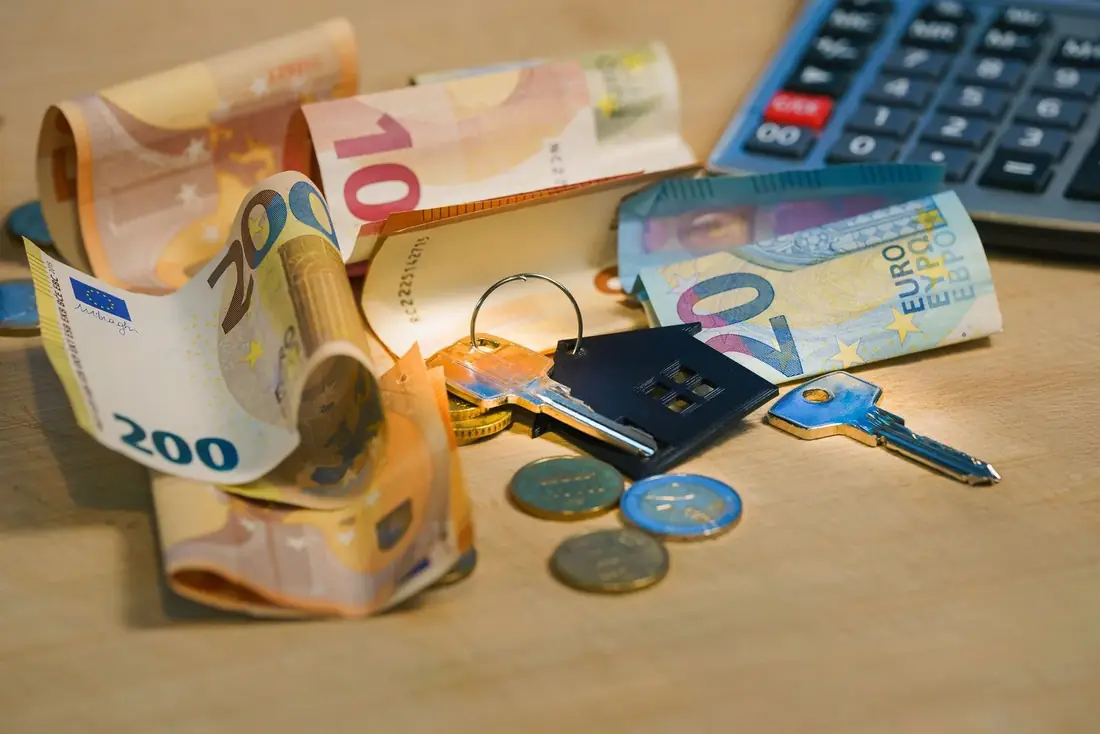
- No proof of funds. If someone is buying your house for cash, they can show you the cash: a bank statement, a proof-of-funds letter, something. A buyer who dodges that question may not have the money and is planning to find it (or a different buyer) after you are locked into a contract.
- An earnest deposit that never shows up. In a normal deal the buyer puts earnest money down, and it sits with a neutral third party. Watch for a promised deposit that never actually lands in escrow, or a buyer who wants you to send them money for "processing." Money flows toward the seller, not away.
- Wholesaling or assignment without telling you. A lot of we buy houses operators are wholesalers: they sign a contract with you, then sell that contract to an actual buyer for a markup. That is legal and often fine. The red flag is hiding it, or an "and/or assigns" clause slipped in so your contract can be shopped to a stranger while the person you met walks away with a fee.
- Wanting on your deed before closing. Anyone who asks you to sign your deed over, add them to title, or hand over keys before the sale closes and before you have been paid is a hard stop. The deed and the money change hands at the same moment, at closing, through a third party. Never before.
- An out-of-state operator who never sees the house. A national outfit or a caller three states away making a firm number sight unseen is often planning to renegotiate later, or to flip your contract without ever intending to buy. A local buyer comes and looks.
(I have watched a seller get a postcard offer that was thousands above anyone else, all excitement, until we read the fine print together and found the "and/or assigns" language and a 60-day inspection window. It was not an offer to buy the house. It was an option to shop it. That is the whole trick.)
A good offer is boring: a clear number, proof of the money, a neutral closing, and time to read it. The exciting ones, the ones with a deadline tonight and a price too good to question, are the ones that tend to fall apart at the worst possible moment.
If you want the calmer, big-picture version of this question, I wrote a companion piece on whether we buy houses companies are actually legit, which walks through how the honest ones make money and why the model exists in the first place. The federal FTC guidance on how to avoid a scam is worth a read too, because the tells (urgency, pressure, a rush to move money) are the same whether it is a house or anything else.
The renegotiation trap: when the offer keeps shrinking
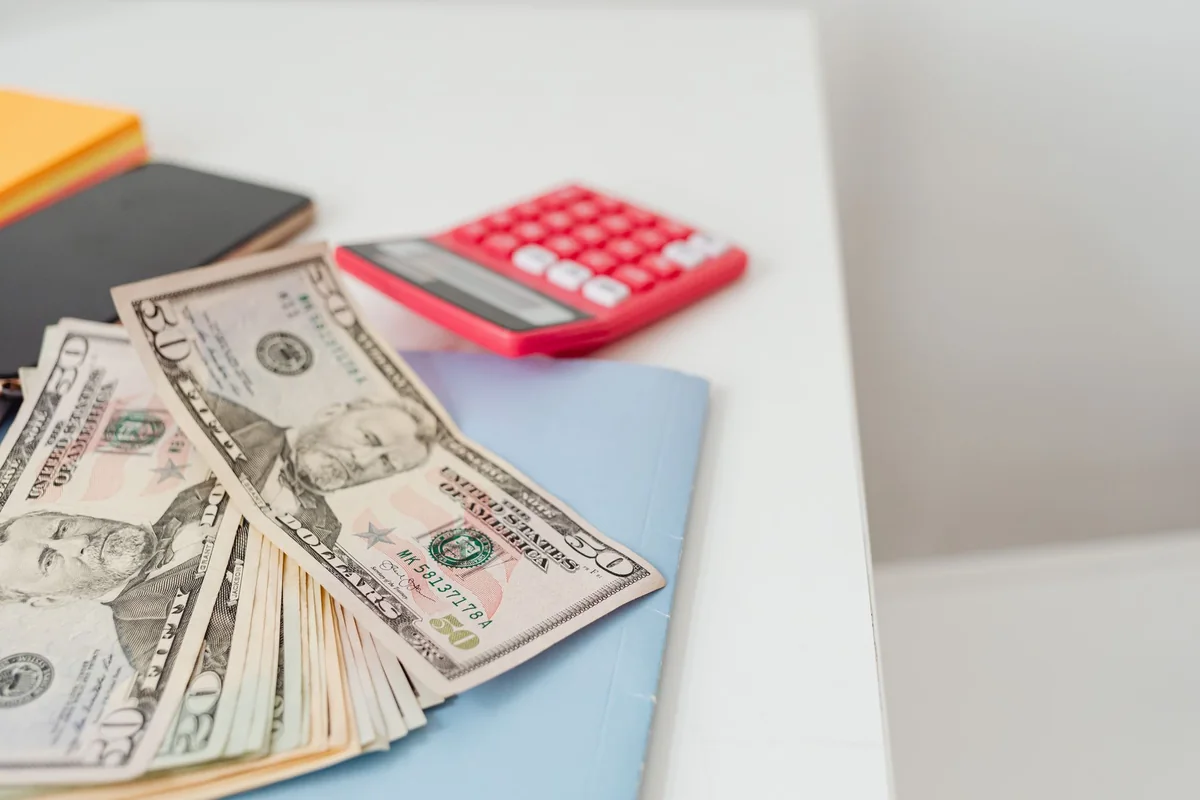
This is the most common one, and it is not always a scam so much as a tactic, which makes it easy to miss. Here is how it works. A buyer wins your contract with a strong number, higher than the honest offers you had. They tie the house up. Then, as closing gets close, the price starts to move. An inspection "found something." The "market shifted." A vague repair got expensive. Suddenly the number is well below where you started, and you are days from a move you already told everyone about.
The trap is the timing, not just the price. By the time the offer drops, you have mentally sold the house. You told family it is done, maybe put money down somewhere else, maybe stopped talking to the other buyers. Walking away feels like starting over from zero, so a lot of sellers swallow the lower number just to be finished. That feeling is the entire strategy.
Now, honesty cuts both ways here. A straight buyer can genuinely find something they did not know about, a bad roof, a cracked heat exchanger, and adjust for it once, with an explanation and usually a repair bid to back it up. That is not the trap. The trap is a number that keeps sliding for reasons that stay fuzzy, an offer that was never real, priced high on purpose to knock out honest bidders and reeled in later. One documented adjustment is a negotiation. A pattern of shrinkage is a tell.
How you beat it: get the offer and the key terms in writing up front, ask what specifically could change the price and under what conditions, and keep your other options warm until the money is actually in escrow. And be willing to walk. A buyer who knows you will walk has far less room to grind you down. For the wider view of how a straight cash sale is supposed to run start to finish, here is how selling a house for cash in Iowa actually works when nobody is playing games.

What a legit local cash buyer actually does
It is easier to spot a bad buyer when you know what a good one looks like, so here is the honest version from my side of the table. A legitimate local cash buyer is not a national call center that pipes your address into a spreadsheet and spits out a number. It is a person, usually one you can look up, who buys homes in your area and does a handful of unglamorous things every single time.
They come see the house, or at least try to, because a real offer is built on the real condition. They show proof of funds without being begged. They put the offer and the terms in writing so nothing gets "misremembered" later. And they close at a title company or a closing attorney, never at a kitchen table with a cashier's check and a handshake.
That last part matters more in Iowa than in most states, because Iowa is an abstract-of-title state. Instead of title insurance alone, we use a physical abstract that an attorney examines before the sale is final, which adds a few days and trips up out-of-state operators who have never done it this way. A real local buyer expects the abstract and the attorney review. Someone pushing you to close fast, off to the side, around that process is telling you something about themselves.
Here is how a fair buyer builds the number, so it is not a mystery: start with the after-repair value (what the house is worth fixed up), subtract the cost of repairs, subtract holding and selling costs, and subtract a margin to make the risk worth it. That is why a cash offer lands below a polished retail price, and it is also why an honest buyer can explain every piece of it. No theater, just arithmetic. Speed is the real trade you are buying, since a clean cash sale can close in as little as 7 days with no lender, no appraisal, and no financing to fall through. If you want to watch the whole thing run in order, here is how the process works, and here is where I buy houses across Iowa.
And the part I mean the most: I will tell you if a cash sale is not your best move. I have spent six years in Iowa real estate and bought well over 100 homes across the state, and plenty of times the honest answer is "list it, you will net more." No harm, no foul. I am just here to be one more option, not to talk you into the wrong one.
How to protect yourself before you sign
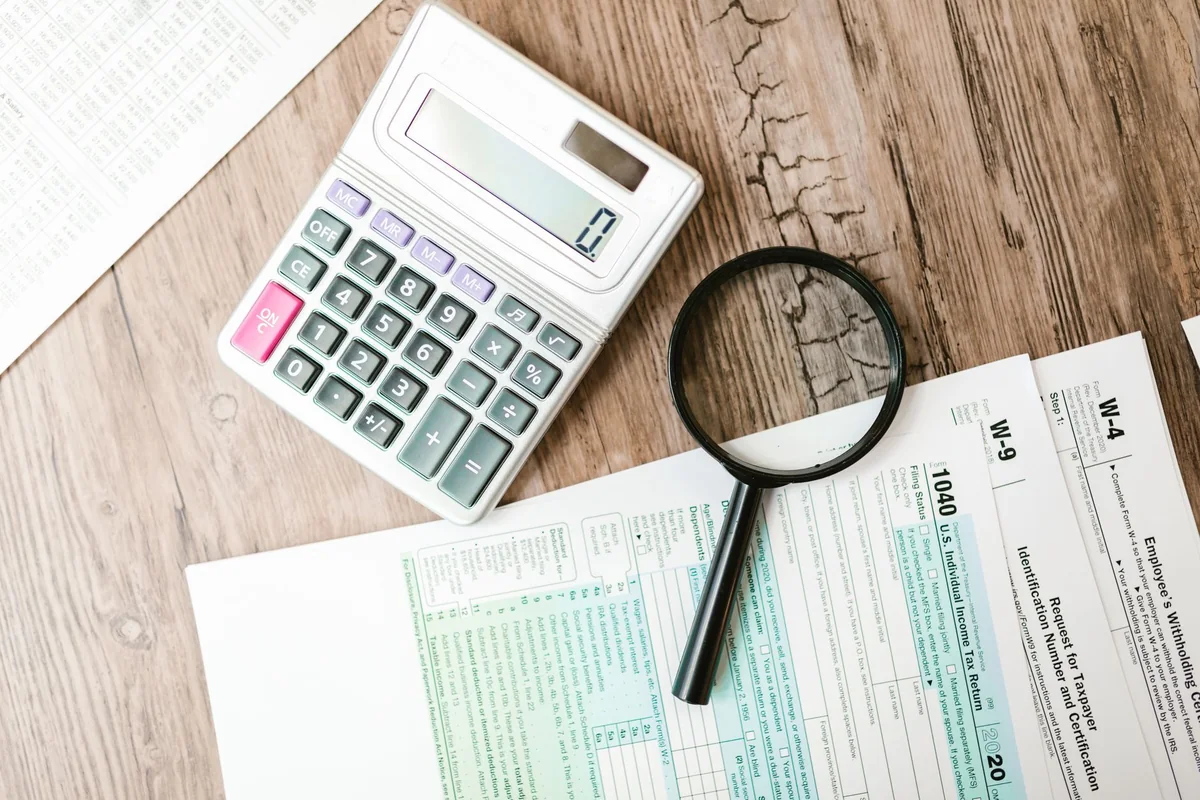
You do not need a law degree to sell safely. You need a short list of things you refuse to skip. Most sellers who get burned did not miss something exotic, they just felt rushed and let one of these slide.
- Ask for proof of funds, every time. A bank statement or a proof-of-funds letter. If the money is real, showing it is no trouble. If showing it is a problem, the money is the problem.
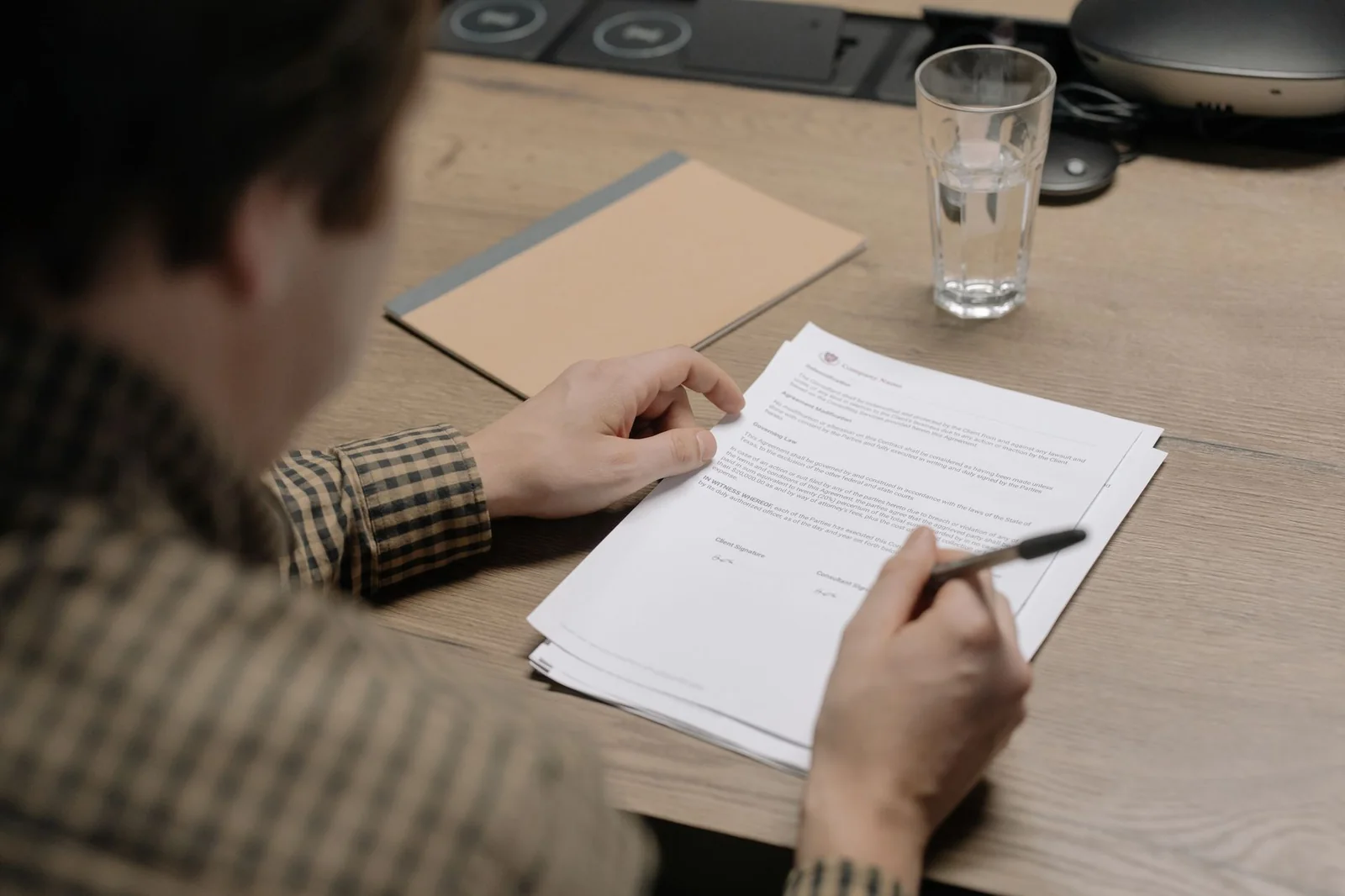
- Get the offer and terms in writing. The price, the closing date, what is contingent on what, and any assignment language. If it is not written down, it does not exist, and it can be "remembered" differently later.
- Read the assignment clause. Look for "and/or assigns." If it is there, ask directly: are you buying this yourself, or selling my contract to someone else? An honest wholesaler will tell you. That is fine. Hiding it is not.
- Never send money or sign your deed early. You do not pay a buyer to buy your house, and you never hand over your deed before closing and before you are paid. The deed and the money move together, at closing, through a third party.
- Close at a title company or attorney. A neutral closing agent holds the earnest money, handles the Iowa abstract, and makes sure you get paid the second the deed transfers. This one step blocks most of the ugly scenarios by itself.
- Verify the person. Look them up. Ask how many houses they have bought locally and where. A buyer who is really from around here has a trail. Iowa's own Attorney General consumer protection resources are a good backstop if something feels off.
Most sellers are not actually afraid of selling. They are afraid of what they do not know, the paperwork, the timeline, the parts nobody explained. So the fix for fear is not to avoid cash buyers, it is to walk into the room knowing how the honest version is supposed to look. When you know that, a bad actor gets obvious fast, and a good one gets a lot easier to say yes to. If your house is rough enough that you are worried it scares off normal buyers, that is a separate and very solvable thing: here is how selling a house in any condition in Iowa works, no repairs required.
The bottom line
We buy houses scams in Iowa are the exception, not the rule, but the model is built for speed and stress, which is exactly the soil a con needs. The good news is that the red flags are consistent and learnable: pressure to sign now, no proof of funds, a deposit that never lands, hidden wholesaling, a deed grab, an out-of-state operator who never sees the house, and the slow renegotiation that shrinks your number right before closing. A legit local buyer does the opposite, plainly and in writing, and closes where a neutral third party can watch.
If you want an honest read on your specific house, scams and worries and all, tell me about it and I will send a fair, no-obligation cash offer with proof of funds, a written number, and a closing at a title company. And if listing it is your smarter move, I will say so. That is the deal: I am one more option, not a countdown clock.
We buy houses scams: FAQ
Are we buy houses companies a scam?
Most are not. The majority of we buy houses companies are legitimate local investors and wholesalers who make real cash offers and close cleanly. The model does attract a few bad actors, though, because it targets stressed sellers who need to move fast. The scam almost never looks like a movie con. It looks like pressure to sign today, an offer that keeps dropping before closing, an earnest deposit you never actually see, a contract quietly assigned to a stranger, or someone who wants on your deed before any money changes hands. Learn the red flags and you can take a cash offer with your eyes open.
What are the biggest red flags of a cash home buyer?
The clearest red flags are pressure to sign fast, no proof of funds, and an offer that shrinks before closing. Add to that a promised earnest deposit that never lands in escrow, a buyer who assigns or wholesales your contract to a third party without telling you, anyone who asks to be added to your deed before closing, and out-of-state operators who make an offer without ever seeing the house. None of these on their own proves fraud, but each one is a reason to slow down, get it in writing, and verify before you sign.
Should I give a we buy houses buyer earnest money or my deed before closing?
No. In a normal sale, the buyer puts earnest money down, not you, and that deposit is held by a neutral third party such as a title company or closing attorney, not handed to the buyer directly. You should never sign your deed over to anyone before closing and before you have been paid. Legitimate buyers close through a title company or attorney, where the deed and the money change hands at the same time. Anyone who wants your deed early, or wants you to wire them money, is a hard stop.
What is the renegotiation trap in a cash home sale?
The renegotiation trap is when a buyer wins your contract with a high number, then chips it down before closing. They tie the property up, run out the clock, and come back citing an inspection, a repair, or a vague market change to justify a lower price. By then you have told people the house is sold, maybe planned a move, so you feel stuck accepting less. Honest buyers can adjust for something real they genuinely did not know about, but a number that keeps sliding for fuzzy reasons is a pattern, not a coincidence. Get the offer and the terms in writing, and be ready to walk.
How do I check if a cash buyer is legit in Iowa?
Ask for proof of funds, insist on closing at a title company or attorney, and get every term in writing. In Iowa, closings run through the abstract of title, which a local attorney examines before the sale is final, so a real local buyer will be comfortable with that process and will not push you to close some other way. Look the person up, ask how many houses they have bought locally, and see whether they will actually come look at the property. A buyer who shows funds, meets you at the house, and closes through a neutral third party is behaving like a real one.