Selling a house with an open insurance claim in Iowa
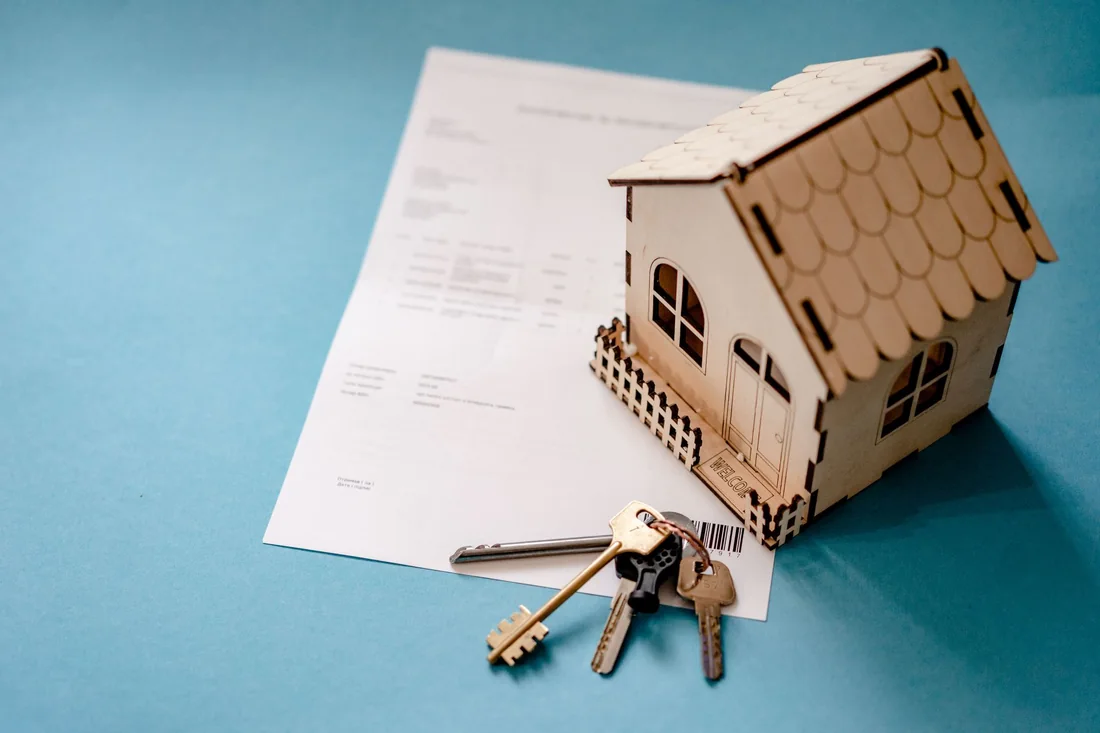
An open insurance claim is money in limbo, and limbo does not close houses. Picture the situation: hail chewed up the roof back in the spring, the adjuster came and went, a first check landed with your mortgage company's name printed right next to yours, and now you want out of the house before the rest of the paperwork ever wraps. That is the exact spot where selling a house with an open insurance claim gets sticky, because you are trying to sell two things at once, a building that still wears the damage and a payout that is not fully paid. Neither one is quite yours to hand over yet.
Here is the honest version. You can absolutely sell a house in Iowa with a claim still open, storm, hail, fire, or water. The three questions that decide everything are: who keeps the proceeds, who is a loss payee on the check, and whether you repair with the money first or sell as-is and settle or assign the claim. Get those straight and the sale is very doable. Leave them fuzzy and the deal stalls at the closing table.
Here is the knot. The check answers to the loss, the damage stays attached to the house, and a buyer has to make peace with both before anyone signs. Sort out where the money goes and who is fixing what, and an open claim turns from a dealbreaker into a line item.

Who keeps the insurance money when you sell
Start with the question everyone asks first: if I sell, who gets the claim money? The general rule is clean. The proceeds belong to the owner at the time of the loss, because that is who the policy covered when the damage happened. Selling the house next month does not quietly transfer the payout to whoever buys it. If the roof got hit while you owned the place, that claim is yours to collect.
Then comes the wrinkle that surprises people: your mortgage lender. If there is a loan on the house, the servicer is almost always listed as a loss payee on the policy, which means the claim check comes made out to you and them. You cannot just cash it. The servicer controls how those funds are released, and on bigger losses they often release the money in stages as repairs get done, inspecting the work along the way. The Consumer Financial Protection Bureau has a plain-language rundown of how servicers handle an insurance claim check that is worth reading before you count on that money.
(This is the part that catches out-of-state sellers and heirs the most. You assume the check is yours, then learn a servicer three states away has to sign off on releasing it. It is not a scam, it is just how the loss-payee clause works.)
So when you sell, the proceeds themselves do not automatically go anywhere. What you can do is negotiate. You can keep the payout, split it, or assign the open claim to the buyer, but whatever you agree to has to live in the purchase agreement in writing, not in a handshake. And every number in that conversation should be confirmed with your insurer first, because the adjuster's file, not your memory of the phone call, is what the money follows.
The claim money is not attached to the house like the furnace is. It is attached to the loss, and the loss belongs to whoever owned the place when it happened. Write down who keeps it, or the closing table will decide for you.
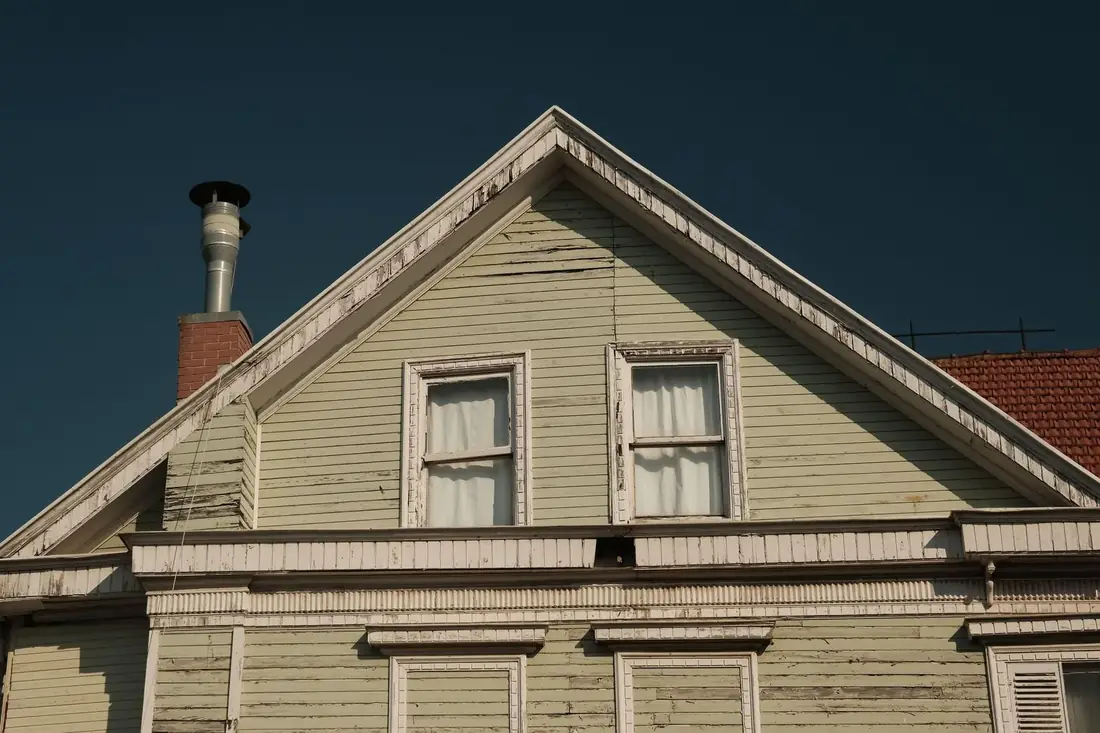
If your damage came from a spring storm or a summer hail run, the mechanics are the same but the details differ by peril, and I break those down in the guide on selling a house with storm damage in Iowa.

ACV, replacement cost, and recoverable depreciation
Before you decide what to do with the house, you have to know what your claim is actually going to pay, because two policies with the same damage can pay very differently. It comes down to three terms most people never think about until a claim lands.
- Actual cash value (ACV). This pays what the damaged item was worth right before the loss, so it subtracts depreciation for age and wear. A fifteen-year-old roof does not pay like a new one.
- Replacement cost value (RCV). This pays what it costs to put in a new version of what was damaged, without the depreciation haircut.
- Recoverable depreciation. On a replacement-cost policy, the insurer often pays the ACV amount up front and holds back the difference, the recoverable depreciation, releasing it only after you finish the repairs and send proof.
That holdback is the piece that changes your whole strategy. If your policy pays replacement cost, the first check is usually the smaller ACV number, and the rest is waiting behind a wall labeled "do the work first." Iowa homeowners can read how these terms play out on a claim on the Iowa Insurance Division site, and it is worth confirming which type your policy is, because the answer decides how much cash is really on the table.
Here is why it matters when you sell as-is. If you never complete the repairs, you may never collect that recoverable depreciation. So the "value" of an open claim is not the big estimate on page one, it is the ACV you have already been paid plus whatever you can realistically recover. A buyer weighing your house does the same math, which is exactly why the ACV-versus-replacement question belongs on the table before you name a price.
(Plain version: the number the adjuster wrote down and the number that hits your bank account are two different animals. Know both before you plan around either.)
Repair with the proceeds first, or sell as-is
Once you know who keeps the money and how much is real, the fork is simple to describe and harder to choose. You have two roads.
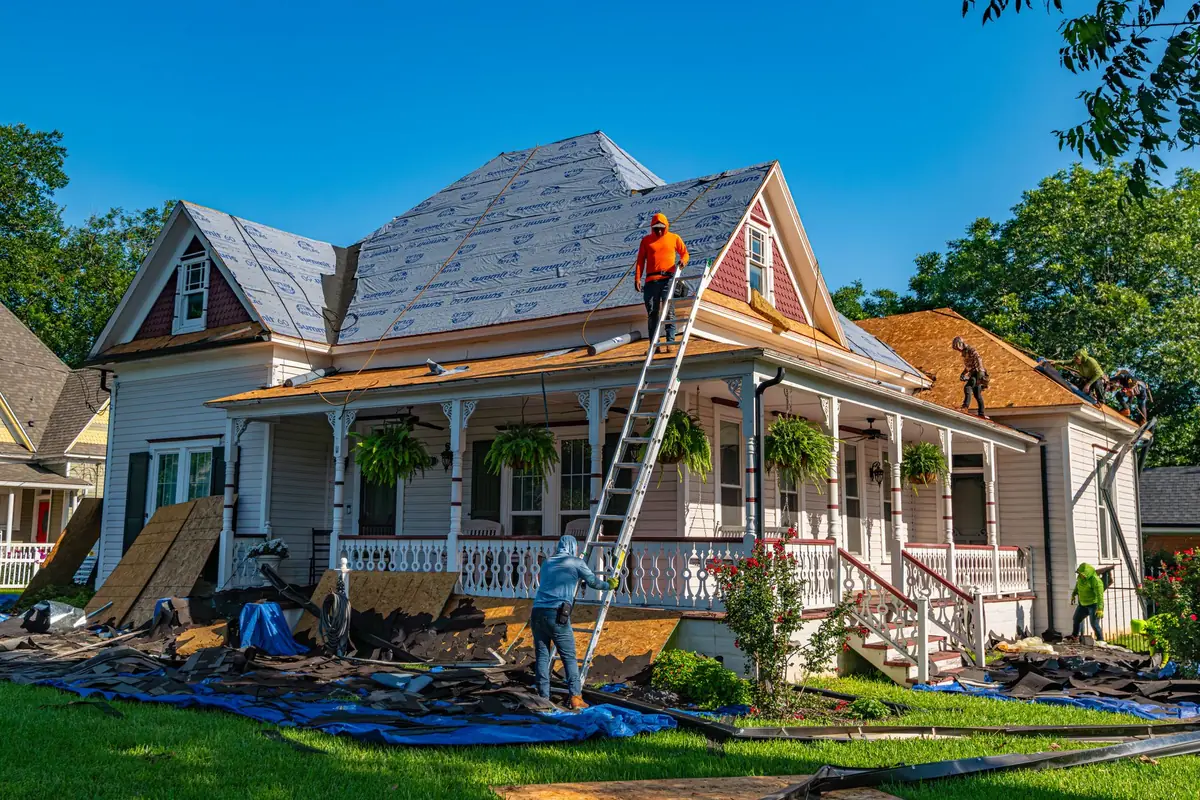
Road one: repair with the proceeds, then sell. You use the claim money to fix the damage, get the house back to normal condition, and list or sell it clean. The upside is a wider pool of buyers, including financed ones, and no awkward conversation about who inherits the damage. The downside is real: you are now managing contractors, fronting the recoverable depreciation until the work is signed off, coordinating servicer inspections, and waiting. If the damage is heavy or the timeline is tight, that is a project on top of a sale.
Road two: sell as-is and settle or assign the claim. Here you sell the house in its current condition and handle the claim one of two ways. You either settle the claim and keep the payout yourself, then sell the damaged house for a price that reflects the work left to do, or you assign the open claim to the buyer as part of the deal, so they take on both the repairs and the remaining proceeds. Selling as-is skips the contractor circus entirely. If you want the full picture on that route, here is how selling a house as-is in Iowa actually works.
| Repair first, then sell | Sell as-is, settle or assign | |
|---|---|---|
| Who does the repairs | You, before closing | The buyer, after closing |
| Timeline | Weeks to months of work | As fast as 7 days to close |
| Recoverable depreciation | You front it, then recover it | Settle and keep, or assign to buyer |
| Buyer pool | Wider, includes financed buyers | Cash buyers and investors |
| Effort on you | High, you run the project | Low, you hand off the damage |
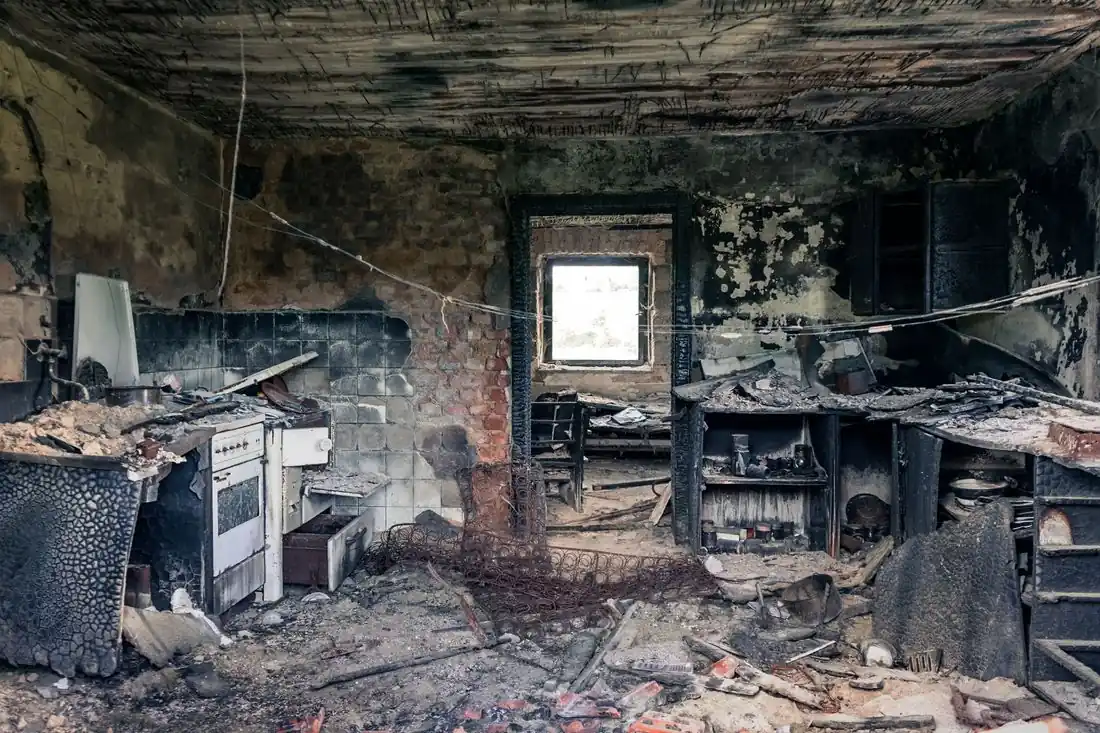
There is no universally right answer, only the one that fits your time and your stomach for a construction project. A fire is a different beast than a hail dent, and the heavier the damage the more the as-is road tends to win. If your loss was a fire, I walk through the specifics in the guide on selling a fire-damaged house in Iowa, because smoke and structure add layers a roof claim never does.
Repairing first buys you a normal sale. Selling as-is buys you your time back. Pick the one that matches the life you are actually living right now, not the one you wish you had the bandwidth for.
I will say the quiet part out loud: most sellers who call me with an open claim do not want to become a general contractor for the next three months. They want the house and the headache gone. That is a completely fair thing to want, and it usually points to the as-is road.

Why financed buyers get nervous, and a cash buyer does not
This is the part that quietly kills more open-claim deals than anything else. A buyer using a mortgage is not really one decision-maker, they are a buyer, a lender, and an appraiser, and all three have to get comfortable with your house. Unrepaired damage makes lenders and appraisers flinch, especially anything touching the roof, the structure, or safety. The appraisal can come back "subject to repairs," which means the loan will not close until the damage is fixed. Now your buyer is asking you to complete repairs first, escrow money for them, or renegotiate, and sometimes they just walk.
That is not the buyer being difficult. It is the lender protecting its collateral, and it is the single most common reason a sale with an open claim stalls out. The more visible the damage, the harder that wall gets.
A local cash buyer removes the wall. No lender, no appraisal contingency, no third party deciding your damage is a dealbreaker. I can look at a house with a blue tarp on the roof or water stains down a wall and still make an offer, because I am buying the house, not asking a bank for permission to. That means you can often keep the claim and settle it yourself, or assign it to me as part of the deal, and either way the unrepaired damage stops being the thing that blows up the closing.
This is genuinely the work I do. I buy houses in any condition across Iowa, including the storm-damaged and fire-damaged ones other buyers and most agents will not touch, and a cash sale can close in as little as seven days because there is no financing or appraisal in the way. Over six years and 100-plus homes bought across the state, the damaged houses nobody else will take are the ones I actively look for. One thing worth knowing here: Iowa is an abstract state, so instead of title insurance we use a physical abstract of title that gets updated and examined by an attorney before closing, which adds a few days and trips up out-of-state parties. A buyer who already knows that process is one less thing for you to manage.
And I will do the thing a pushy buyer never will. If your claim is close to settling and repairing first would clearly net you more, I will tell you that, even though it means I do not buy the house. We will tell you if we are not a fit. No harm, no foul, I am just here to be one more option. You can see how my process runs and where I buy across Iowa, or read a bit about me before you ever pick up the phone.
The bottom line
Selling a house with an open insurance claim in Iowa is not a dead end, it is a sequence. Nail down who keeps the proceeds, which is generally you as the owner at the time of loss, and remember your mortgage servicer is probably a loss payee on the check. Learn whether your claim pays ACV or replacement cost, because the recoverable depreciation only comes after repairs. Then choose your lane: fix it with the proceeds and sell in normal condition, or sell as-is and settle or assign the claim. Financed buyers and their lenders get skittish about unrepaired damage, so if you want speed and certainty, a cash sale usually clears the path. Above all, confirm the claim specifics with your insurer before you promise anyone anything.
If you have a storm, hail, fire, or water claim still open and you would rather not spend your summer chasing contractors, tell me about the house and I will send a fair, no-obligation cash offer, damage and open claim included, with no commissions and no repairs on your plate. And if fixing it first is genuinely your smarter move, I will tell you that too.
Open insurance claim home sale: FAQ
Who keeps the insurance money if I sell a house with an open claim?
Generally the owner at the time of the loss keeps the proceeds, because that is who the policy covered when the damage happened. Selling the house later does not automatically hand the payout to the buyer. There is one big wrinkle: if you have a mortgage, your lender is almost always listed as a loss payee on the claim check, so the check comes made out to both you and the servicer, and the servicer controls how it is released. You can also negotiate to keep, split, or assign the proceeds as part of the sale, but that has to be spelled out in the purchase agreement. Confirm the exact numbers and payees with your insurer before you promise anything.
Can I sell a house in Iowa before the insurance claim is settled?
Yes. You can sell before a claim is fully settled, but who ends up with the money and how the damage is handled both need to be written into the contract. Two common paths: repair the house with the proceeds first and then sell it in normal condition, or sell it as-is and either settle and keep the payout yourself or assign the open claim to the buyer at closing. A financed buyer and their lender will usually want unrepaired damage fixed or escrowed, which slows things down. A cash buyer can often take the house as-is and let you keep or assign the claim. Confirm the specifics with your insurer and put the arrangement in writing.
What is the difference between ACV and replacement cost on my claim?
Actual cash value (ACV) pays what the damaged item was worth right before the loss, so it subtracts depreciation for age and wear. Replacement cost value (RCV) pays what it costs to replace the item with a new one. On a replacement-cost policy the insurer often pays the ACV amount first and holds back the recoverable depreciation, releasing that remaining piece only after you actually complete the repairs and send proof. That holdback matters when you sell as-is, because if you never do the repairs you may never collect the recoverable depreciation. Read your policy and ask your adjuster exactly how your claim is structured.
Will a buyer's lender approve a house with unrepaired damage and an open claim?
Often not without conditions. Mortgage lenders and their appraisers get nervous about active, unrepaired damage, especially anything that affects the roof, structure, or safety, and the appraisal can come back requiring repairs before the loan will close. That can push a financed buyer to ask you to complete repairs first, escrow money for them, or walk away. It is the single most common reason a sale with an open claim stalls. A local cash buyer does not rely on a lender or an appraisal, so unrepaired damage and an open claim are much less of a roadblock, and closing can happen in as little as seven days.
Should I repair with the insurance money or sell the house as-is?
It depends on your time, your budget, and how bad the damage is. Repairing with the proceeds first can get you a normal-condition sale and a wider pool of financed buyers, but it means managing contractors, fronting the recoverable depreciation, and waiting. Selling as-is skips all of that: you either settle the claim and keep the payout, or assign the open claim to a buyer who takes on the repairs. If the damage is heavy, the timeline is tight, or you simply do not want to run a construction project, as-is to a cash buyer is usually the cleaner path. I will look at your situation and tell you honestly which one nets you more.