Selling a mobile home in Iowa
A manufactured home sells by a different rulebook than the lot it sits on. Picture the moment it hits you: a buyer likes the place, their lender asks one question, and the deal quietly stalls on a single line of paperwork you have not looked at in years. Is your home titled like a house, with a deed, or titled like a vehicle, with a certificate of title through the county treasurer. Selling a mobile home in Iowa turns on that answer before it turns on the kitchen, the roof, or the price, and most sellers do not find that out until a buyer's financing runs into it.
Here is the honest version. The single biggest factor is whether your home is legally real property or personal property. A manufactured home permanently affixed to land you own, with its title retired, is real property and sells like a house with a deed. A home that is not affixed, or that sits in a lot-rent park on land you do not own, is personal property, titled more like a car, and it is harder to finance, which shrinks the pool of buyers who can actually pay for it. Age matters too: a pre-1976 home built before the federal HUD code is very hard to finance at all. All of that steers a lot of these sales toward cash buyers.
So before you price anything or call a buyer, dig out the paperwork and find out what your home legally is, because a deed and a certificate of title send you down two completely different roads, with different buyers waiting at the end of each one.
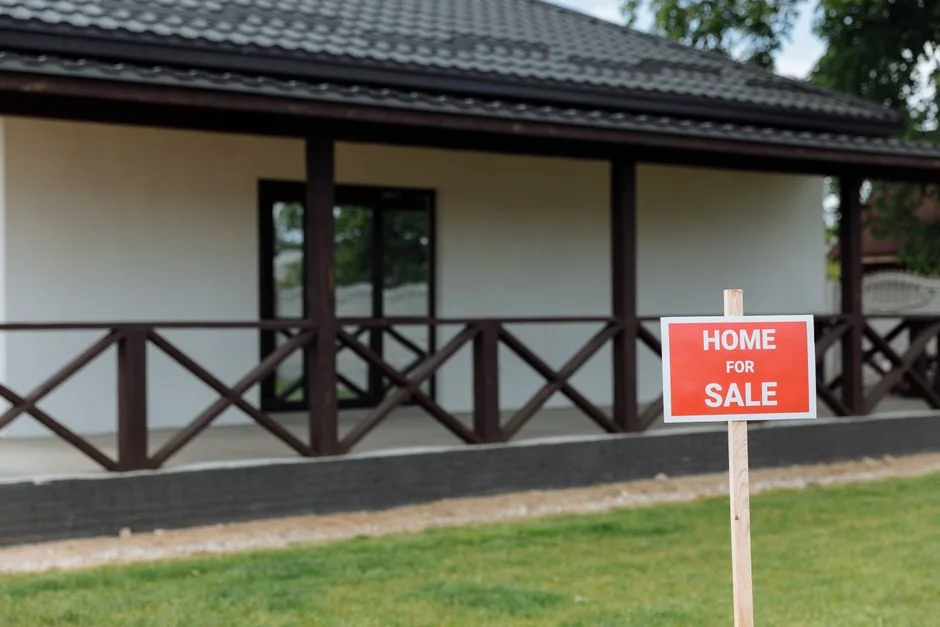
Real property or personal property: the split that decides everything
With a regular house, "what is it" is a silly question. With a manufactured home, it is the first and most important one. The same physical home can be two completely different things in the eyes of the law, and the difference decides how you sell it.
If your home is permanently affixed to land you own, and the manufacturer's certificate of title has been retired and converted, the home is real property. It is part of the land, it sells with a deed, and it moves through a closing that looks a lot like any other house sale in Iowa, abstract of title and all.
If the home is not affixed, or the title was never converted, or it sits on land you do not own, it is personal property. In that case it is carried on a certificate of title through your county treasurer, under the Iowa Department of Transportation's titling system, closer to how a car or a boat is titled than how a house is. You transfer ownership by signing that title over, not by recording a deed. The CFPB lays out the real-property-versus-personal-property split plainly, because it changes the loan a buyer can even get.
(I have watched a seller swear up and down their home "was a house," because it had been sitting on the same lot since the Reagan years, only to learn at the closing table that the title had never been retired. It was still, on paper, personal property. Nobody had lied. The paperwork just never caught up to the concrete.)
A manufactured home is whatever its paperwork says it is, not whatever it looks like from the driveway. Find the document before you find a buyer.
This is exactly why I tell sellers to start at the county treasurer, not the listing photos. Confirm whether you are holding a certificate of title or whether the home has been converted to real estate. Everything downstream, the buyer you can attract, the loan they can get, the way you close, hangs on that one fact. If the house itself is also rough, this pairs with how selling a house in poor condition in Iowa actually works, because condition and title problems tend to travel together.
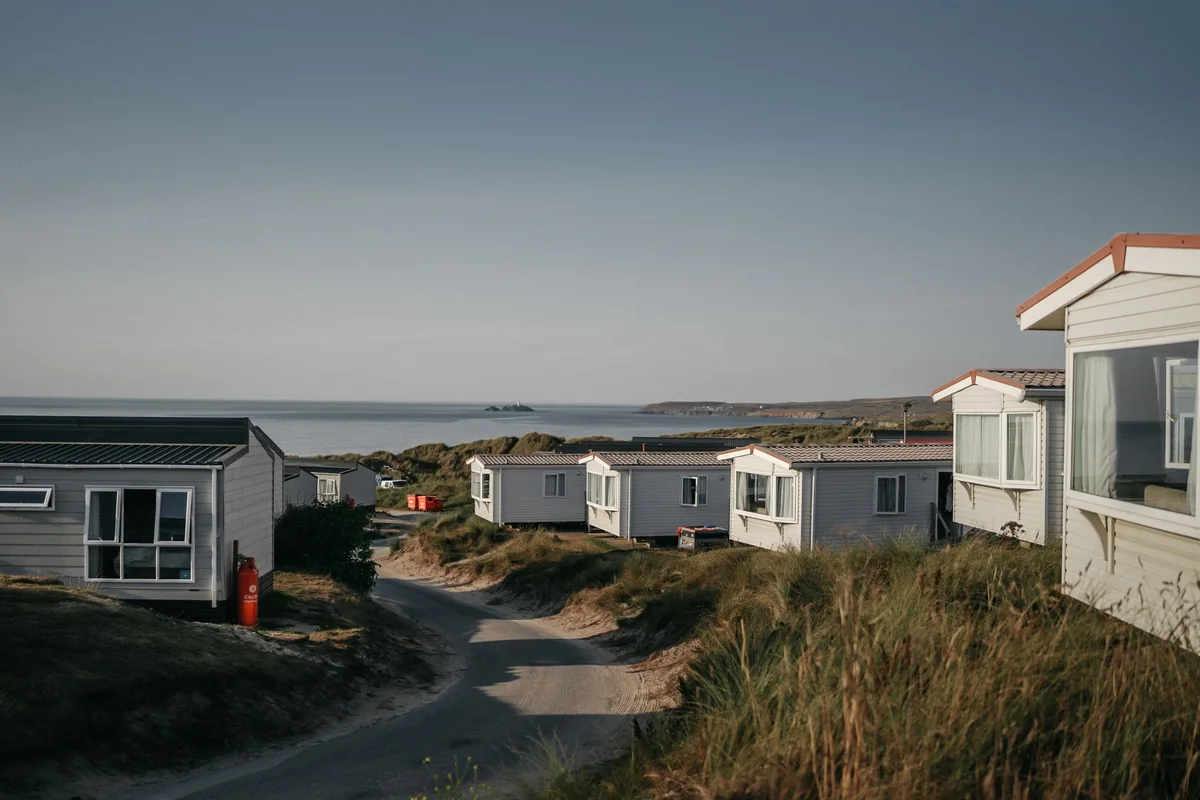
Who owns the land: your lot vs a lot-rent park
The second question follows straight from the first: do you own the ground under the home, or are you renting it. This changes the sale more than almost anything about the home itself.
If you own the land and the home is affixed to it, you are in the strongest spot. You can convert to real property (if it is not already), sell the home and the lot together as one piece of real estate, and open the door to normal mortgage buyers. That is the version that behaves like a house.
If the home sits in a lot-rent park, or on someone else's land, two things come with it:
- Park approval of your buyer. Most communities require the park to approve whoever takes over the lot. Your buyer can love the home and still get turned down by the community, which means you are not just selling to a buyer, you are selling to a buyer the park will accept.
- Lot rent keeps running. The rent on the ground does not pause while you look for a buyer. It accrues every month the home sits, and any back lot rent generally has to be cleared at closing before the community signs off on the transfer.
Both of those shrink your buyer pool and add time, which is a big reason park-lot homes so often end up selling to a cash buyer who can close fast and clear the community's approval without a lender in the mix. If you want to see how a straight cash sale runs start to finish, walk through selling a house for cash in Iowa, because the same speed-and-certainty logic applies to a home on a rented lot.
None of this makes a park home unsellable. It just means the land situation is a real part of the deal, not a footnote, and the buyer who can handle it looks different from a couple pre-approved for a mortgage on a starter house.

Age, the HUD code, and why financing is the hard part
Here is the piece that quietly kills more mobile home deals than any leaky roof: the buyer often cannot get a normal loan. When financing is hard, your buyer pool is small, and a small buyer pool means fewer offers and a longer wait.
Start with age. Manufactured homes built on or after June 15, 1976 meet the federal HUD manufactured housing construction and safety code. Anything built before that date is "pre-HUD," and most lenders simply will not finance it. A pre-1976 home is close to a cash-only sale from the start, no matter how well it has been kept.
Now add the title. Even a newer home, if it is still personal property rather than real estate, usually cannot get a regular mortgage. Instead the buyer needs a chattel loan, a personal-property loan that tends to carry higher interest rates and shorter terms than a mortgage. Fewer lenders offer them, and fewer buyers qualify. The consumer finance rules on personal-property loans are worth a read if you want the specifics.
Put those together and the pattern is clear. An older or unaffixed mobile home draws far fewer financed offers than a stick-built house at the same price, because so many would-be buyers cannot get money to buy it. That is not a knock on your home. It is the structure of the market it sits in.
| Your home is... | Who can buy it | What to expect |
|---|---|---|
| Affixed, real property, on land you own | Mortgage buyers, cash buyers | Sells most like a normal house, widest buyer pool |
| Personal property, newer than 1976 | Chattel-loan buyers, cash buyers | Higher rates, fewer lenders, a smaller field of offers |
| Pre-1976, pre-HUD-code | Mostly cash buyers | Very hard to finance, close to cash-only |
| In a lot-rent park | Park-approved buyers, cash buyers | Community approval plus lot rent to clear at closing |
If you are already leaning toward the simplest path, it helps to understand what selling a house as-is in Iowa really means, because a mobile home with a financing wall in front of it is one of the clearest cases where as-is to a cash buyer beats months of chasing a loan that never funds.
Your options for selling a mobile home in Iowa
Once you know what your home legally is and who owns the land, the ways to sell it narrow down to a short, honest list. Here they are straight, with the catch on each.
1. List it and wait for a qualified buyer
If your home is affixed, real property, on land you own, and reasonably modern, you can list it like any house and wait for a mortgage or chattel buyer. This gets you closest to retail price. The catch is time and financing risk: the buyer's loan has to actually fund, and on an older or personal-property home that is a real "if," not a formality. Deals that fall through at the financing step cost you weeks you may not have.
2. Convert it to real property first, then sell
If you own the land but the title was never retired, you may be able to convert the home to real estate before selling, which opens it to normal mortgage buyers. The catch is that conversion is its own process through the county, it takes time, and it only makes sense when you own the ground and are not in a hurry. Confirm the steps with your county treasurer and recorder before you count on it.
3. Sell it yourself to a cash buyer you find
You can advertise a personal-property home and sign the title over to a private cash buyer directly. It skips the financing wall, but it puts the title transfer, the park approval, and any lot-rent cleanup on your shoulders, and private buyers for older homes can be thin and unpredictable. It works, it is just more legwork than sellers expect.
4. Sell as-is to a cash home buyer
Sell directly to a buyer who purchases mobile and manufactured homes for cash and handles the title, the park, and the condition themselves. You get less than a flawless retail number, and I will not pretend otherwise. In exchange you skip the financing wall entirely, there is no lender to reject the age or the lease, no appraisal to fail, no chattel loan to fall through, and you pick the closing date. On a home that most buyers cannot finance anyway, this often nets closest to a clean sale once you subtract the months of carrying costs and the risk of a deal collapsing. This is the lane I work in.
Here is how a fair cash buyer builds the number, so it is not a mystery: we start from what the home is worth in good shape, then subtract the cost to deal with condition, title, or lot-rent issues, the holding and selling costs, and a margin to make the risk worth it. That is why the offer lands under a polished retail price, and also why a pre-1976 or personal-property home, which fewer buyers can touch, sits where it does. No games, just arithmetic. If you want to see the full path, here is how the process works, and where I buy homes across the state.
The bottom line
Selling a mobile home in Iowa is not harder than selling a house, it is just different, and the difference is almost entirely paperwork and financing rather than drywall. Find out first whether your home is real property or personal property. Know whether you own the land or rent the lot. Understand that age and the HUD code decide who can borrow to buy it. Once those three facts are clear, the right way to sell it usually picks itself, and a good chunk of the time it points at a cash buyer because that is who can actually close on these homes.
If you want the honest read on your specific home, title questions and all, tell me about it and I will send a fair, no-obligation cash offer within 24 hours, with no lender to satisfy, no chattel loan to chase, and no fee. I am an Iowa native and Iowa State grad who has spent six years in Iowa real estate and bought well over 100 homes across the state, and if listing it is your smarter move, I will tell you that too. Prefer to talk it through first? Call me at 515-216-0652.
Selling a mobile home in Iowa: FAQ
Is a mobile home real estate or personal property in Iowa?
It can be either, and that is the whole point. A manufactured home permanently affixed to land you own can be titled as real property and sold with a deed, just like a stick-built house. A home that sits on rented land, in a lot-rent park, or that has simply never had its title retired is usually personal property, carried on a certificate of title through the county treasurer, closer to how a vehicle is titled than how a house is. The status is not about how the home looks, it is about the paperwork, so confirm your situation with your county treasurer before you list anything.
Do you need the title to sell a mobile home in Iowa?
If your home is personal property, yes, you need the certificate of title to transfer it, and that title is handled through the county treasurer under the Iowa DOT system. If you cannot find it, you can apply for a duplicate through the treasurer before the sale. If the home has been converted to real property and titled as real estate, there is no vehicle-style certificate to hand over, the transfer runs through a deed and the county recorder instead. A cash buyer who does this regularly can help you figure out which document you actually need.
Can you sell a mobile home that sits in a park or on rented land in Iowa?
Yes, but the land lease adds two moving parts. First, most parks require the community to approve your buyer before they can move in and take over the lot, so a buyer with weak credit or a plan you cannot vouch for can be turned down. Second, lot rent keeps running until the home sells or moves, and back lot rent has to be cleared at closing. That combination narrows your buyer pool, which is a big reason park-lot homes so often sell to cash buyers who can close quickly and satisfy the community's approval on their own.
Why is an older mobile home so hard to finance?
Two reasons stack up. Homes built before June 15, 1976 are pre-HUD-code, and most lenders will not finance them at all, which pushes them almost entirely into cash territory. Newer manufactured homes that are still personal property usually need a chattel loan, a personal-property loan that tends to carry higher interest rates and shorter terms than a normal mortgage. Fewer lenders, tougher terms, and a smaller group of buyers who qualify all mean an older or unaffixed mobile home draws far fewer financed offers than a regular house.
Can you sell a mobile home for cash in Iowa?
Yes, and for many of these homes it is the most natural fit. Because so much of a mobile home sale bumps into financing limits, park approval, and title questions, a cash buyer removes the parts that stall the deal: there is no lender to reject the age or the lease, no appraisal to fail, and no financing contingency to fall through. You disclose what you know about the condition, agree on a fair price, and pick a closing date. It is usually a lower number than a perfect retail sale, traded for speed and certainty.