Selling a house that failed inspection in Iowa
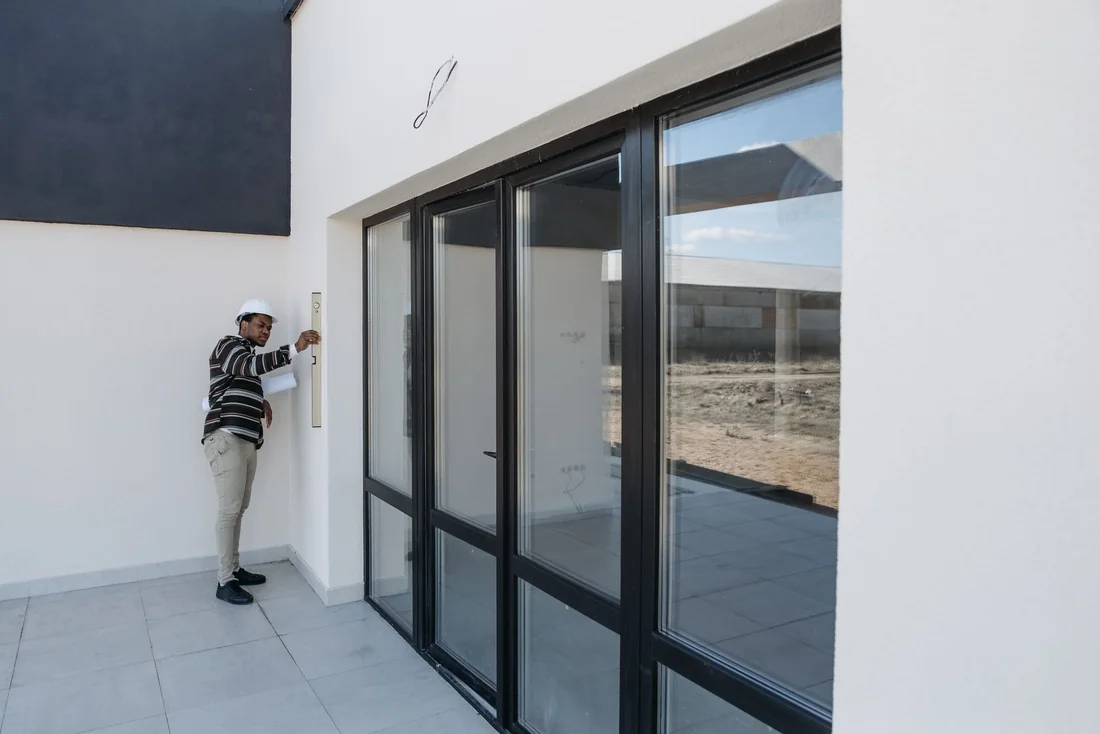
A failed inspection isn't a verdict on your house. It's a list, and lists can be handled. Your buyer's inspector spent a few hours crawling your basement and poking your attic, and now you're holding a bound report thick enough to prop open a door, with the deal you thought was finished suddenly wobbling. Selling a house that failed inspection can feel like being graded on a test nobody warned you about. Breathe. In Iowa, that report is one buyer's opinion and a starting point, not the final word.
Here's the honest version. A home inspection in Iowa does not officially pass or fail. It produces a report, the buyer reads it, and then you have three moves: renegotiate the price or terms, make the repairs the buyer is asking for, or sell the house as-is to a cash buyer who takes it with every finding already known. Which move is right depends on how long the list is and how much time and money you actually want to spend chasing it.
An inspection report is a list, not a grade. Your only real choice is whether clearing that list is worth more to you than handing it to a buyer and walking away clean.
What a "failed" inspection really means in Iowa
Start with the part that trips up almost everyone: a standard home inspection is not a test your house can pass or fail. It is not a government sign-off, and it is not a code enforcement action. The inspector is hired by the buyer to walk the property and write up what they see, from a soft spot in the roof to a water heater that is on borrowed time. The result is a report, not a grade.
So when someone says the house "failed inspection," what they usually mean is that the report came back rough and the buyer got cold feet. That is a real problem, but it is a negotiation problem, not a legal one. The inspector does not have the power to block your sale. Only your buyer, or their lender, gets to decide what to do with the findings. (I have watched sellers panic over a report that mostly listed a missing smoke detector and a slow drain.)
Two things do make an inspection sting more. First, most buyers are financed, and their lender can react to a report that flags safety or structural items, especially with government-backed loans. The mortgage closing process has a lot of boxes that all have to line up. Second, once a serious defect is in writing, Iowa's seller disclosure rules mean you generally have to share what you know with the next buyer too. Hiding it is not an option, and it is not a good idea anyway.

Your three options after a rough report
When the report comes back and your buyer starts asking questions, you have three ways to respond. None of them is "the sale is dead."
- Renegotiate. Offer a price reduction or a repair credit at closing instead of doing the work yourself. Many buyers would rather take money off the top and hire their own contractor. This keeps the deal alive without you swinging a hammer.
- Repair. Fix the items the buyer cares about and keep the price where it was. This works when the list is short and the fixes are cheap. It stops working fast when the report names the roof, the furnace, the foundation, and the panel all at once.
- Sell as-is. Decline the repairs and sell the house in its current condition, either to a buyer who accepts it or to a cash buyer who prices the problems in from the start. If you want the full picture, here is how to sell your house as-is in Iowa without getting pushed around.
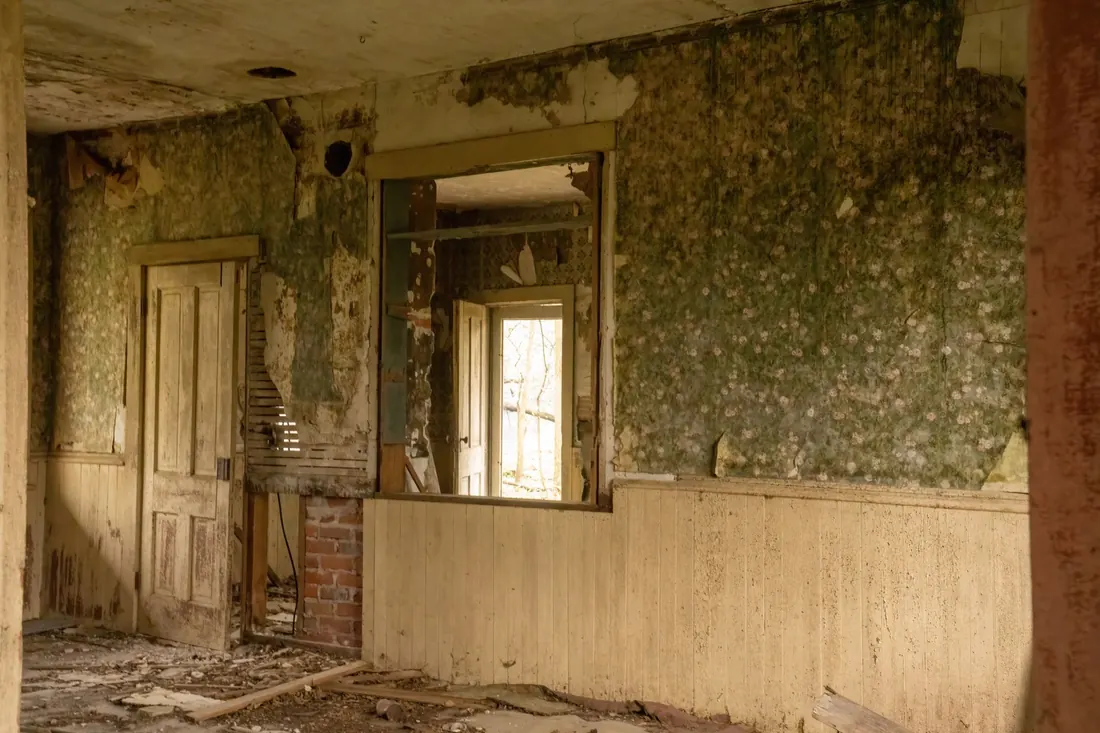
The trap is treating every line item as equally urgent. It is not. A cracked outlet cover and a failing foundation land in the same report and read with the same official tone, but one costs eight dollars and the other costs a used car. Knowing what not to fix when selling a house is half the battle here, because chasing cosmetic items to please one nervous buyer can drain money you never get back.
The inspection report is not a to-do list handed down from a judge. It is an opening offer in a negotiation, and you are allowed to counter.
Buyer's inspection vs. a city point-of-sale inspection
This is the piece the national websites always miss, and it matters in Iowa. There are two very different inspections that can show up in a sale, and confusing them costs people time.
The first is the buyer's inspection. It is optional, it is paid for by the buyer, and it produces the report we have been talking about. Nobody has to act on it. It exists so the buyer can decide whether they still want the house at the agreed price.
The second is a city point-of-sale or occupancy inspection. Some Iowa cities require the municipality to inspect a home before it can be sold or before a new occupant can move in, and that one can actually require specific fixes. Here is the key fact: these rules are set city by city, not by the state. Iowa does not have a statewide point-of-sale inspection law. Whether one applies to you depends entirely on where your house sits, so call your city hall or check the city's website before you assume anything. The HUD homeowner resources are a decent starting point for understanding the difference, but your city's ordinance is the only word that counts locally.
If your city does require its own inspection and it turns up real issues, a cash sale can still be simpler, because an experienced local buyer already knows how those requirements work. I buy across the state, so I have run into plenty of them. That is part of why I walk sellers through the areas where I buy houses and what each city expects, up front, before anyone signs.

Selling as-is to a cash buyer
Here is where a cash buyer earns the label. When you sell to me, I am buying the house with the findings known. I may still walk it to understand the condition, but I am not looking for a reason to back out. I waive the inspection contingency, which is the exact clause that lets a financed buyer reopen the price or vanish after a rough report.
That changes the whole feel of the sale. There is no lender who might flinch at a structural note. There is no appraisal that has to come in over the number. There is no second round of "well, now we want another five thousand off" a week before closing. The price I give you already accounts for the roof, the furnace, and the deferred maintenance, so the report cannot blow up the deal, because the deal was built around it. If you have never done this, here is how selling as-is without an inspection contingency works from the seller's side.
How does the number get built? I price off what the house is worth fixed up, then subtract the repairs, the holding costs, and a fair margin. The rougher the house, the wider the gap between that offer and full retail, because there is more for me to fix. I will not publish a formula output here, because every house is different, but I will always show you the math on yours. (No fee, no commission, and I never ask a seller for a dollar to sell their house. If someone does, walk. The FTC's advice on avoiding a scam applies to home sales too.)
When chasing every repair costs you money
The instinct after a bad report is to fix everything and relist. Sometimes that is right. Often it is a slow way to spend money you will not get back.
Run the math before you swing a hammer. A big-ticket report can mean a new roof, a furnace, foundation work, and an electrical panel, and any one of those runs into the thousands. While you line up contractors and wait on parts, you are still paying the mortgage, the taxes, the insurance, and the utilities on a house you are trying to leave. That is real money leaking out every month, and it rarely shows up in anyone's plan.
Then there is the second inspection. Fix the house, find a new financed buyer, and their inspector writes a brand new report that finds three things yours did not. The cycle can repeat. I have talked to sellers on their third buyer, tens of thousands of dollars deep in repairs, still not closed. A cash, as-is sale ends that loop in one move. It usually nets less on the sticker than a perfect listing, but once you subtract the repairs and the months of carrying costs, the two numbers land a lot closer than people expect, and the cash number comes with certainty.
I have spent six years in Iowa real estate and bought more than a hundred homes across the state, including plenty that "failed" someone's inspection. Fixing the worst house on a block is what I do. The couple who bought my very first flip, next to Ames High, still have kids in that school. A rough report is not a stain on your house. It is just a house that needs work, and some of us buy those on purpose.
The bottom line
Selling a house that failed inspection is not the dead end it feels like in the moment. In Iowa the report does not pass or fail anything. It hands you three choices: renegotiate, repair, or sell as-is to a buyer who takes the problems as they are. The right one depends on the length of the list, the size of your deadline, and how much you want to spend chasing a perfect house you are about to leave.
If you would rather skip the repair loop and the second and third inspections, tell me about your house and I will send a fair, no-obligation cash offer with the findings already priced in. If listing and fixing is genuinely your better move, I will tell you that too. I buy houses across the Des Moines metro and the rest of Iowa, report and all, and you can always call me at 515-216-0652 to talk it through.
Failed inspection: FAQ
Does a house officially pass or fail a home inspection in Iowa?
No. A standard home inspection in Iowa is not a pass/fail test and it is not a government approval. The inspector works for the buyer and produces a report describing the condition of the house. There is no official grade, so a house never truly fails. What happens is the buyer reads the report and decides whether to move forward, ask for repairs or a price cut, or walk away.
Can I still sell my house after a bad inspection report?
Yes. A rough report does not take your house off the market. You have three moves: renegotiate the price or terms with the current buyer, make the repairs they are asking for, or sell the house as-is to a cash buyer who takes it with every finding already known. Plenty of houses that lose a financed buyer over the inspection sell fine to the next one.
Do I have to make the repairs an inspection turns up?
Almost never. In a normal Iowa resale you are not legally required to fix what the inspection finds. Repairs are a negotiation, not a mandate. You can decline, offer a credit instead, or sell as-is. The exception is a city that requires its own point-of-sale or occupancy inspection, which can force specific fixes before the property changes hands.
Does a cash buyer do an inspection too?
Often yes, but the purpose is different. A cash buyer like me may still walk the house to understand its condition, but I am buying it with the problems in plain sight and I waive the inspection contingency. That means the deal does not reopen or fall apart over what the report says, because the price already accounts for the repairs.
What is a point-of-sale inspection in Iowa?
Some Iowa cities require a time-of-sale or occupancy inspection run by the city before a home can be sold or reoccupied, separate from the buyer's own inspection. These rules are set city by city, not statewide, so whether one applies depends entirely on where your house sits. Check with your city before assuming there is or is not a requirement.