Should I sell my house or rent it out in Iowa?
Renting out your old house sounds like free money. You keep the place, someone else covers the mortgage, and checks land in your account while you sleep. That fantasy holds up beautifully right up until the water heater quits on a holiday weekend and the tenant who stopped paying rent two months ago is the one calling you about it. So should I sell my house or rent it out? It really comes down to which headache you want, and which payoff.
Here's the honest version. Sell if you want cash now, a clean break, and zero midnight phone calls. Rent if you have a low mortgage rate, real rental demand where the house sits, and the stomach to be a landlord for years. Most people overestimate the monthly income and underestimate the hassle, which is exactly why the right answer depends on your numbers, not a blog's.
The catch is that renting and selling fix two different problems, and picking the wrong one costs you either monthly cash flow or years of your weekends. Let's walk the real math on both.
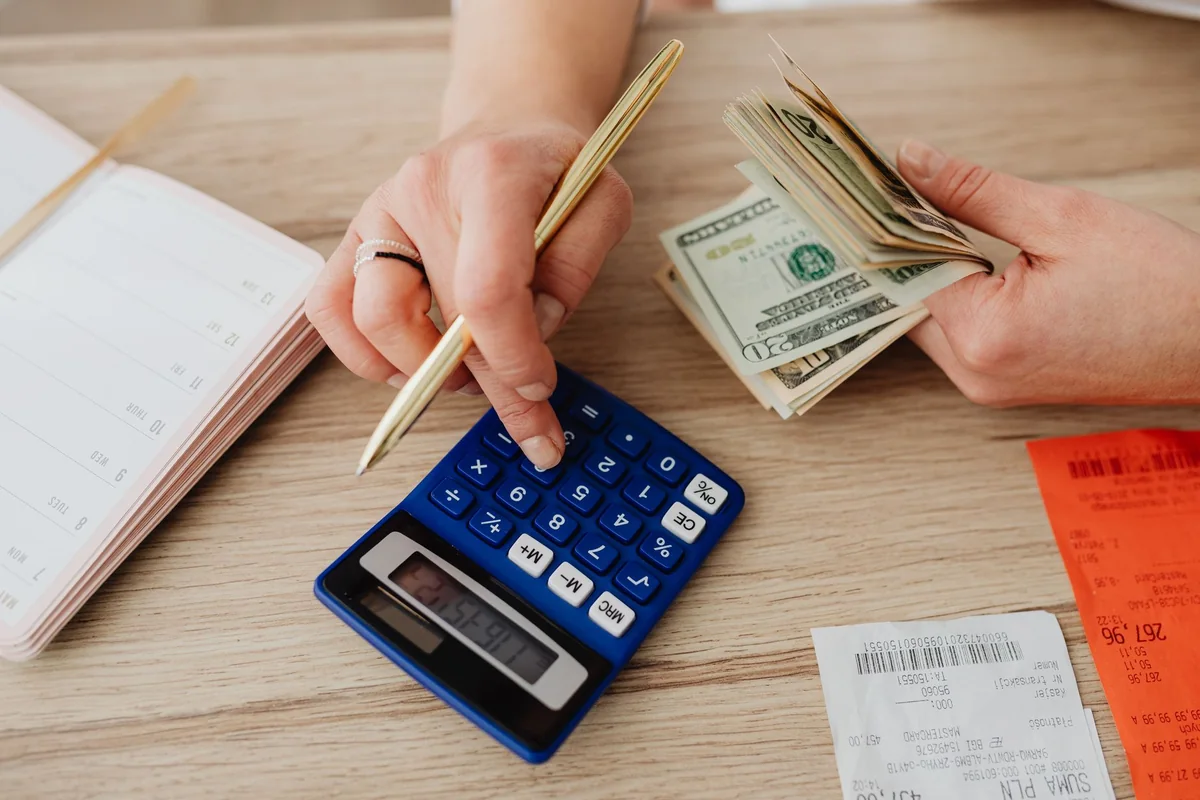
The real question: cash now or income later
Strip away the noise and this is a timing question. Selling hands you the equity today, in one lump, that you can use for a down payment, debt, or just peace of mind. Renting trades that lump for a trickle of monthly income and, if you hold long enough, appreciation and loan paydown down the road. One is a check. The other is a job that sometimes pays.
Neither is automatically right. If you need the proceeds to buy your next place, the math is basically made for you: you can't leave a chunk of your money frozen in a rental and still write a down-payment check. But if your next home is already covered and you can afford a few rough months, renting can quietly turn one house into long-term wealth. The honest question isn't "which makes more money," it's "how long can I wait, and how much risk can I carry while I wait?"
I own rentals myself, and here's the part nobody puts in the brochure: the profit is real, but it usually shows up in year five, not month one. The first year is repairs, vacancy, and learning what a "turn" actually costs.
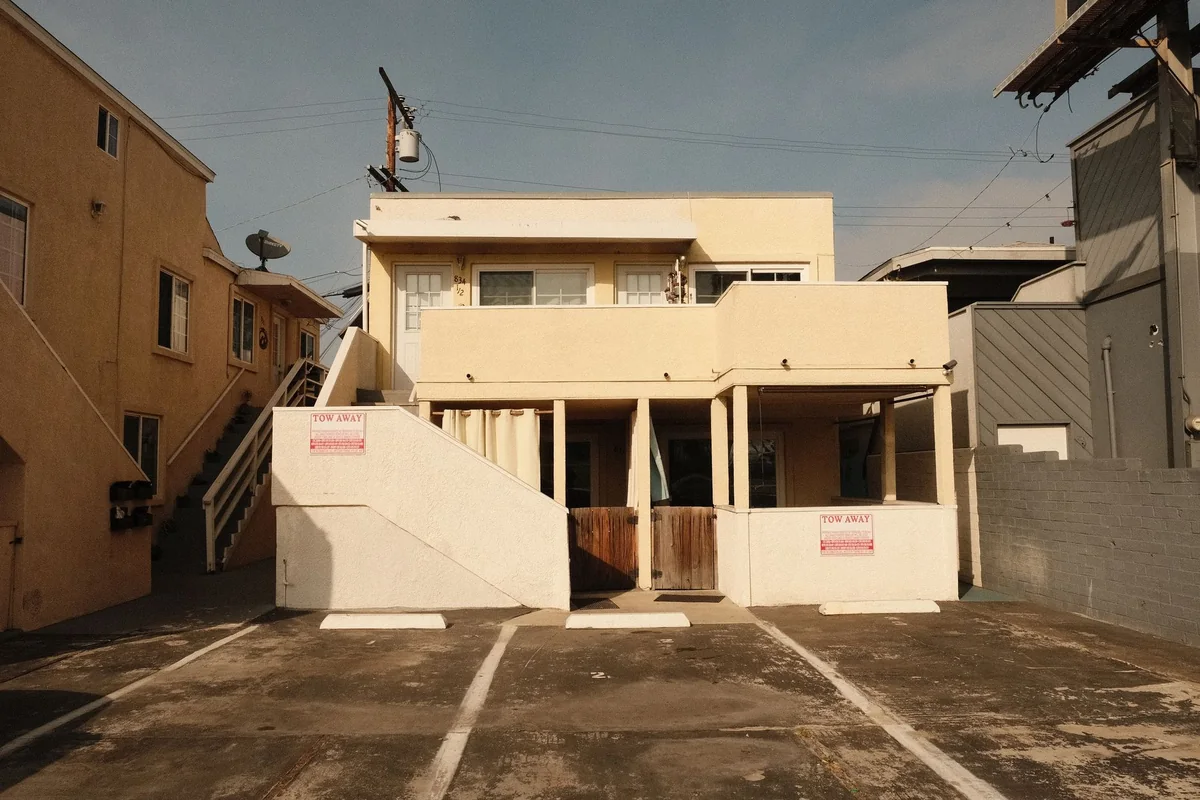
The case for renting it out
Renting makes the most sense when the numbers are already stacked in your favor before you do a thing. The strongest reason by far is a low, fixed mortgage rate. If you're locked in at 3% while new landlords are borrowing at much higher rates, your house is a small competitive advantage. Rents have climbed in a lot of Iowa markets, so a low payment plus a healthy rent can leave real cash flow after expenses.
Keeping it also makes sense if you might move back, if the area is clearly appreciating, or if you simply want a long-term asset that isn't the stock market. A screening rule a lot of investors use: monthly rent should be at least 1% of the home's value. It's a quick gut check, not a guarantee, but if your house can't clear it, renting is probably fighting uphill.
A few situations where renting tends to win:
- You have a sub-4% mortgage and rent comfortably covers the payment plus a cushion.
- There's steady tenant demand nearby (near a college, a hospital, or a growing employer).
- You can float two or three months of vacancy or a surprise repair without panic.
- You genuinely don't need the equity right now.
Just know that renting out a home is a business, and the IRS treats it like one. The rent you collect is taxable, though you can deduct expenses and depreciation. The rules on rental income and expenses are worth a read before you hand over a key.
The hidden costs of being a landlord
This is the section the rent-vs-sell calculators skip, and it's the one that changes people's minds. The gross rent number is seductive. The net number, after everything real life throws at a rental, is a lot smaller. Here's what actually comes out of that check:
- Vacancy. An empty month is a month you pay the mortgage with nothing coming in. It happens more than new landlords expect.
- Repairs and turns. Furnaces, roofs, water heaters, and the cleanup between tenants. Budget a real reserve, not a hopeful one.
- Management. If you don't want the 11pm calls, a property manager runs roughly 8%–12% of monthly rent. If you do want them, that's your evenings.
- Bad tenants. Late rent, damage, and, in the worst case, an eviction that costs money and months.
- Taxes on the exit. Rent too long and you can lose the capital gains exclusion you'd get on a primary home, which is a real bill down the road.
That last one is the sneaky one. To keep the primary-residence exclusion, you generally have to have lived in the home for two of the last five years. Rent it out past that window and a chunk of your gain can become taxable. The IRS rules on selling a home spell out the timing, and it's the kind of thing worth knowing before, not after. Being a landlord can absolutely pay. It just isn't passive, and it isn't free. Before you commit, it's worth running your own numbers the boring way, the same way the Consumer Financial Protection Bureau pushes people to on any big housing decision.
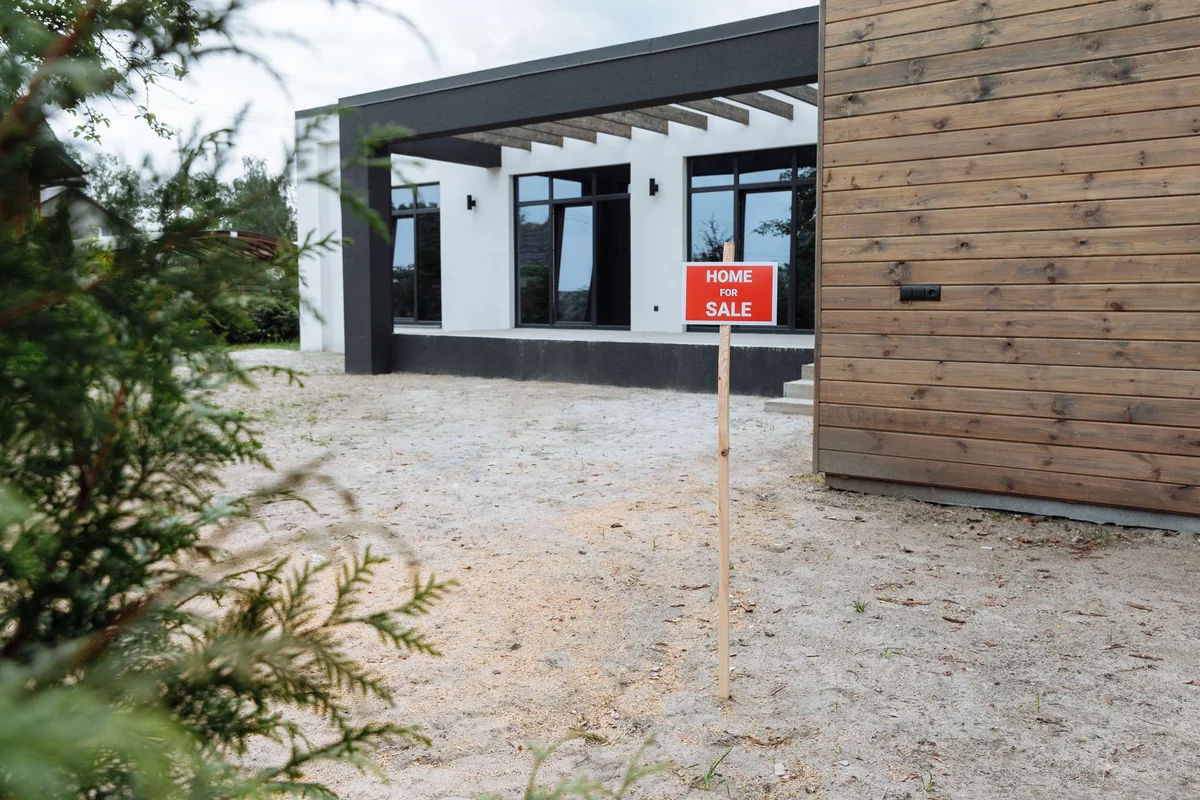
The case for selling
Selling wins when you want the money, the certainty, or your life back. It converts a house into cash you can actually use, and it ends the responsibility completely. No tenants, no repairs, no bookkeeping, no wondering whether this is the month the furnace goes. For a lot of people, that clean break is worth more than a maybe-someday return.
Selling is usually the right call if you need the equity for your next home, if the house needs work you don't want to fund, if you're moving out of state, or if you're settling something like a divorce or an estate and just want it done. It's also the move when the rental math simply doesn't clear, which happens more often than the calculators admit once you subtract vacancy and repairs.
You've got two ways to sell. List it on the open market, which usually means agent commissions and closing costs around 6% and 2%, plus repairs and a 30 to 60 day wait to reach contract. Or sell it as-is to a cash buyer, skip the repairs and showings, and close in as little as a week. A cash sale is calculated the same way any investor calculates it: the after-repair value, minus the repairs, minus the costs, minus a margin. It won't beat a perfect retail sale on price, but it beats it on speed and certainty, and it lets you skip fixing anything at all.
One more thing sellers forget: taxes. Selling a primary residence you've lived in usually comes with a generous capital gains exclusion, which is a big part of why selling now, before you convert the house to a rental, can be the cheaper move. If you want the details, we broke down the taxes on selling a house in Iowa separately.

A simple way to decide
Forget the vibes for a minute and run four quick checks. If most of them point one way, you have your answer.
- Do you need the cash now? If yes, lean sell. Frozen equity can't fund a down payment.
- What's your mortgage rate? Sub-4% is a strong reason to keep it. Higher, and the math for renting gets thin fast.
- Can rent cover the payment plus a cushion? If not, you're subsidizing a tenant every month.
- Do you actually want to be a landlord? Be honest. "Not really" is a completely valid answer, and it points to selling.
Here's the same trade-off in one table:
| What matters to you | Sell it now | Rent it out |
|---|---|---|
| Cash | All your equity, up front | A monthly trickle, minus expenses |
| Effort | None after closing | Ongoing, or 8%–12% for a manager |
| Risk | Low: you're out | Vacancy, repairs, bad tenants |
| Long-term upside | Capped at today's price | Appreciation + loan paydown, if you hold |
| Taxes | Primary-home exclusion likely applies | Rental income taxed; exclusion can expire |
| Speed | As little as 7 days for cash | Immediate income, indefinite commitment |
If you're still genuinely torn, that's usually a sign the returns are close, and when the returns are close, the tiebreaker is temperament. Some people sleep fine with a tenant's problems. Some don't. Neither is wrong.
The bottom line
Renting builds wealth slowly and asks for your patience, your reserves, and the occasional ruined weekend. Selling trades the long game for cash and a closed chapter. If you have a low rate, real demand, and the temperament for it, keeping the house can be a genuinely good move. If you'd rather have the money and your Sundays back, selling is nothing to apologize for. I've bought more than a hundred Iowa homes and kept some as rentals, so I'm not here to talk you out of landlording, only to make sure you count the real costs first.
If you land on selling and want to skip the repairs, the showings, and the wait, that's exactly what I do across the Des Moines metro, Ames, and all over Iowa. Tell me about your house and I'll send a fair, no-obligation cash number you can weigh against renting, with no pressure either way. You can also see where I buy across the state first.
Sell or rent your house: FAQ
Is it better to sell my house or rent it out?
It depends on your numbers and your patience. Sell if you want cash now, a clean break, and no maintenance calls. Rent if you have a low mortgage rate, steady rental demand, and the willingness to be a landlord for years. Most people overestimate the monthly income and underestimate the time and cost of vacancies and repairs.
How much rent should I charge to make it worth keeping?
A common rule of thumb is that monthly rent should be at least 1% of the home's value, but that is a screen, not a promise. After the mortgage, taxes, insurance, repairs, and vacancy, your real cash flow is usually a lot thinner than the gross rent suggests. Run the full number before you decide.
Do I pay taxes if I rent out my house?
Yes. Rental income is taxable and you report it on your return, though you can deduct expenses like repairs, insurance, and depreciation. Renting also affects the capital gains exclusion you get for a primary residence, so check the IRS rules or a tax pro before you convert the house.
Will renting my house cost me the capital gains exclusion when I sell?
It can. To use the primary-residence exclusion, you generally must have lived in the home for two of the last five years. Rent it out too long and you lose that window, which can mean a real tax bill later. This is one of the biggest hidden costs of waiting to sell.
Can I sell fast if being a landlord doesn't work out?
Yes. Plenty of Iowa owners rent for a year or two, decide it isn't worth it, and sell. A cash sale lets you sell with a tenant in place or after they leave, as-is, without fixing the wear and tear, often in about a week.