Selling a house with a bad well in Iowa
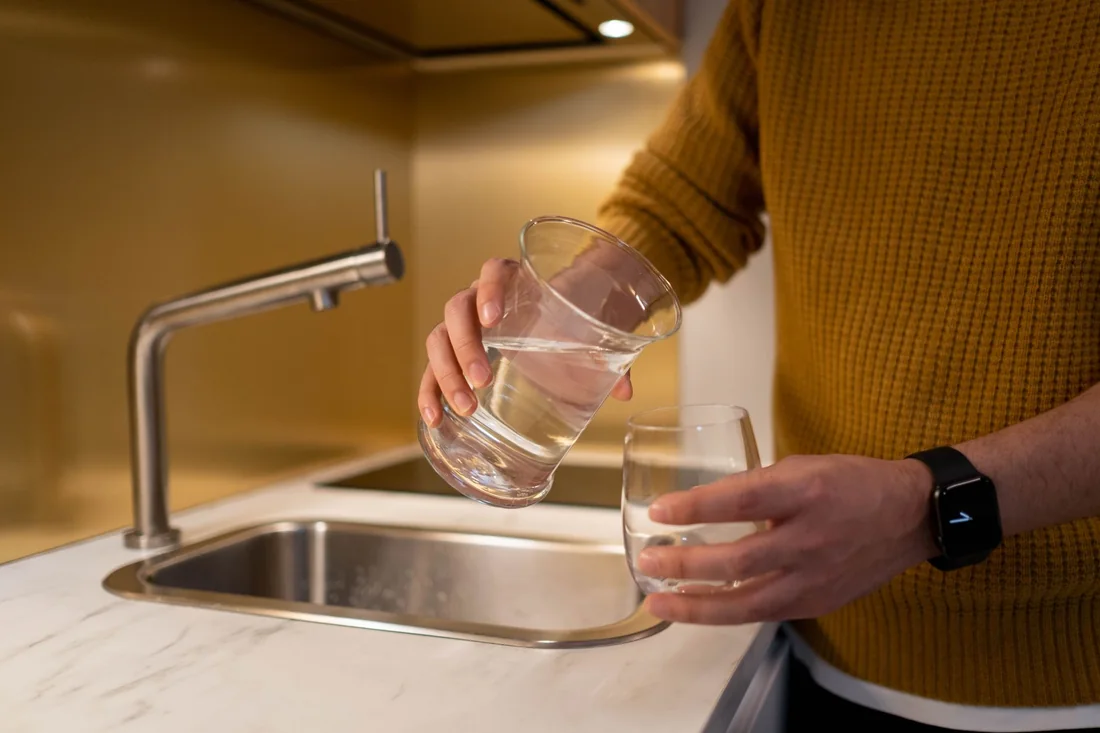
In much of rural Iowa, the house comes with its own private water supply, and its own private problems. You turn the tap and it runs fine for you, same as it has for years, until a buyer's inspector fills a little sterile bottle, drives it to a lab, and a week later a single line on a report decides who is allowed to buy your place. Selling a house with a bad well is less about the water you drink and more about that piece of paper, because out here the well is not a detail. It is the utility, the fire hydrant, and the deal-breaker, all fed by one pipe in the ground.
Here's the honest version. A well with a fixable problem is a negotiating point. A well that fails its bacteria or nitrate test, runs dry, or leans on a dying pump is a different animal: it spooks buyers, and on a financed sale it can stall the loan, because a lot of Iowa lenders want a passing water test before they will hand a buyer a mortgage on a rural home. From there you have three real moves: fix the well and sell, list it as-is on the MLS, or sell it as-is to a cash buyer who prices the well in.
The water test results set the ceiling on who can buy your house, and the repair on the table sets the number. Shock-chlorinate a well that shows bacteria and you might be back in business for pocket change. Drop in a new pump, drill a fresh well, or tap into rural water and the cost, and the calendar, climb fast.

Why a bad well shrinks your Iowa buyer pool
When people say the well "doesn't really matter," they have never watched a rural deal die at the water test. Out past the city mains, there is no municipal line at the road to fall back on. The well is the water: drinking, showers, laundry, the garden hose, and the only pressure the fire department can pull from if it ever comes to that. A bad well hits your sale on two fronts: how buyers feel about it, and how it finances.
The feel is immediate. A country buyer already knows a private well is theirs to maintain, so the second yours shows a problem, they start bracing for a bill they cannot size. Uncertainty scares buyers more than a number does. "The well has bacteria" with no fix attached reads as a money pit, even when the real fix is cheap.
The financing side is quieter and more dangerous. When a buyer needs a mortgage on a rural home, the lender often orders a water test as a condition of the loan, and a permanent, safe, sufficient water supply is part of what they are checking. Government-backed loans (FHA, VA, and USDA), which a lot of Iowa buyers in the country use, are the strictest: they typically require a passing test for coliform bacteria and nitrate before closing. Fail it, and the deal stalls until the well is fixed and retested. The appraisal and loan conditions exist to protect the lender's collateral, and a home with no safe water is a shaky bet for a 30-year note.
(I have watched a clean, financed country deal grind to a halt over a coliform hit the seller swore was "just the sample bottle." Maybe it was. The lender still wanted a passing retest before anybody signed.)
If the well is not the only rough spot on the property, read the whole picture honestly. A failing well often travels with an aging septic system, and here's a straight look at selling a house with a failed septic in Iowa.

What an Iowa well test actually finds: bacteria, nitrates, low yield
There is a real difference between a well that needs a cheap fix and one that needs a new hole in the ground, and the water test is what tells them apart. A few problems show up over and over on Iowa wells:
- Coliform or E. coli bacteria. The most common failure, and often the most fixable. It usually means surface water or a cracked cap is letting contamination in. A round of shock chlorination and a retest clears many cases for very little money.
- High nitrate. Iowa is row-crop country, and ag runoff pushes nitrate into shallow groundwater. High nitrate is a genuine health concern, especially for infants, and it is harder to solve than bacteria. It can mean treatment, a deeper well, or a rural-water connection.
- Low yield. The well simply cannot deliver enough water. A house that runs dry doing two loads of laundry is a hard sell, and there is no shock-chlorine fix for it.
- An old or failing pump. Submersible pumps wear out. A dead pump can masquerade as a "dry" well until someone actually pulls it.
- Old hand-dug or unsealed wells. These fail bacteria tests more often because they let surface water in, and an unused, unsealed well on the property is its own liability. Iowa's Grants-to-Counties program actually helps landowners plug abandoned wells; your county health department can point you to it.
A treatable bacteria hit is a line item. A dry well is a locked door, and the only people holding a key are cash buyers.
One thing sellers get wrong: Iowa does not have a single statewide "test the well at every sale" law the way it has a time-of-transfer inspection for septic. Whether a test is required comes down to the lender and, in some places, the county. So confirm the rules for your specific property with your county health department or the Iowa DNR private well program before you assume anything, in either direction. And remember: as-is does not erase disclosure. A known failed test or abandoned well belongs on your Iowa property condition disclosure. If you are weighing what is worth touching at all, this rundown of selling a house as-is in Iowa is worth a read.
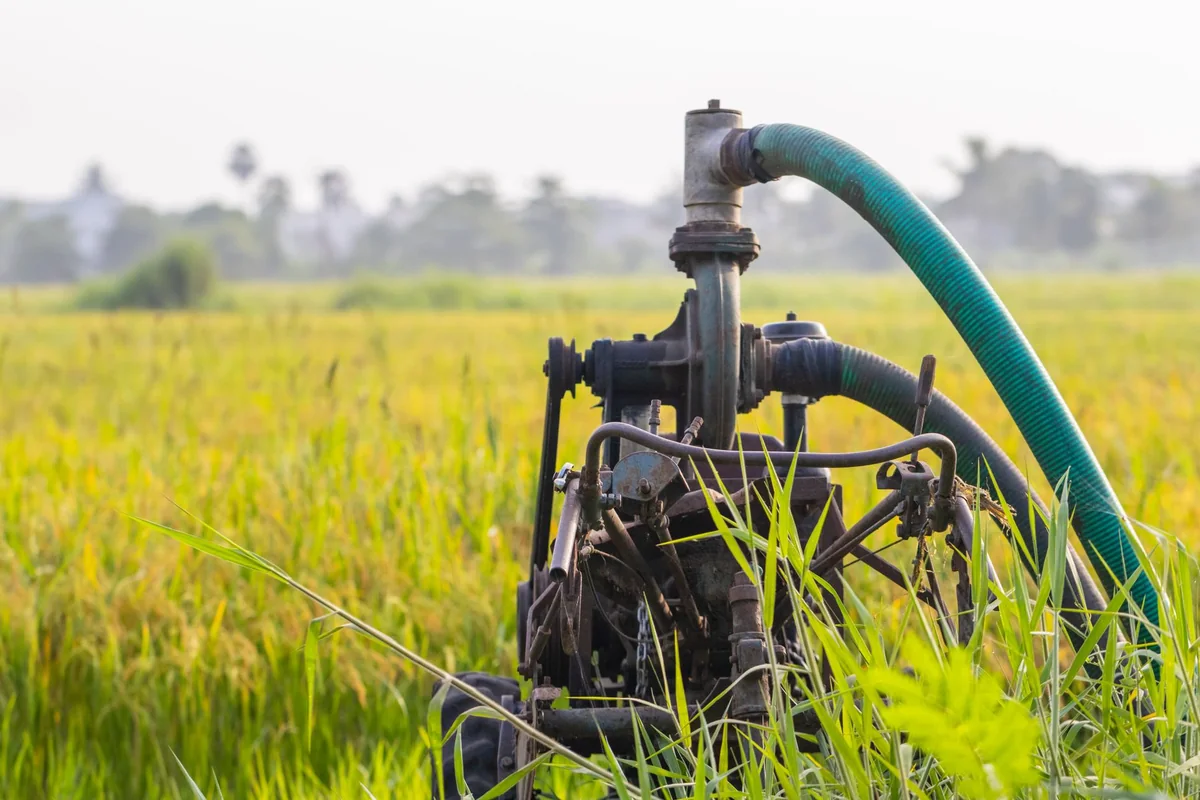
Fix the well or price it in: chlorination, pumps, and rural water
Now the real question: do you fix the well before you sell, or price the problem in and move on? Unlike a whole-house rehab, a well problem sorts into a clean ladder, from cheap to eye-watering.
The case for fixing. If the failure is bacteria and a shock-chlorination plus retest clears it, fixing is close to a no-brainer, because you reopen the door to every financed buyer for very little money. Even a new pump can pay off if the rest of the house is solid, because a working, testable water supply takes the scariest question off the table and puts you back on the open market.
The case against. The ladder can get steep in a hurry. A dry or low-yield well may mean drilling a brand-new well or paying to connect to a rural water district, and that is real money and real time out of pocket on a house you are leaving. Well drillers, like HVAC crews, get backed up. If the well is one problem among many (roof, wiring, foundation), a fixed well alone will not make the house financeable, and you have spent the cash without moving the needle. The EPA's private-well resources lay out what these systems involve if you want to understand the repair before you pay for it.
A rule of thumb I use: if the well is the last thing standing between your house and a clean sale, and the fix is on the cheap end of the ladder, fixing usually pays. If it is a dry well on top of a long repair list, you are better off pricing it in and moving on.
There is a middle path people miss. Have a licensed well contractor test the water and inspect the well even if you do not fix it, and get it in writing. A clear "here is exactly what is wrong and what it costs" turns a buyer's worst-case imagination into a real number, and real numbers negotiate better than fear does. If your bigger worry is what a leak or moisture has done to the house itself, here's how to think about selling a house with water damage in Iowa.

Your three options, honestly compared
Whatever the water test says, there are three honest ways out. Here they are, straight, with the catch on each.
1. Fix the well, then sell
Clear the problem (chlorinate and retest, replace the pump, or in the worst case drill a new well or connect to rural water), get the water supply back to passing, and list on the open market. On a mostly solid house this often earns the most, because you reopen the door to every financed buyer. The catch is the cash and the calendar: you pay now, you wait on a driller or a rural-water district, and you carry the mortgage, taxes, insurance, and utilities while it happens. If the fix is cheap and the rest of the house is sound, this is frequently the smart play.
2. List it as-is on the MLS
Put it up honestly, bad well and all, and let buyers come knowing they inherit the water problem. You skip the repair spend, but you are fishing in a smaller pond, because financed buyers still trip on the lender's water test and the ones left are hunting for a deal. Expect harder negotiation, a longer wait, and a real chance a deal dies when the test comes back and you start over. It can work if the issue is minor and treatable. On a dry well or a stubborn nitrate problem, it often becomes a slow road to the same cash buyer you could have called first.
3. Sell it as-is to a cash buyer
Sell directly to a cash or investor buyer who prices the well in and closes fast. You get less than a fixed-up retail price. That is the honest trade, and I will not pretend otherwise. In exchange you pay for zero repairs, chase no well quotes, order no retests, skip the showings, pick the closing date, and get certainty the deal actually closes, because there is no lender to say no over the water. On a well that cannot pass for financing anyway, this often nets closest to a listing once you subtract the new well, the carrying costs, and the wait. This is the lane I work in, across the state.
| Path | Best when | The catch |
|---|---|---|
| Fix, then sell | The fix is cheap (bacteria, a pump) and the house is otherwise sound | Money up front, a wait on a busy driller, carrying costs |
| List as-is on MLS | The well issue is minor and easily treatable | Smaller buyer pool, hard negotiation, deals that die at the water test |
| Sell as-is for cash | Dry or low-yield well, tight timeline, no repair budget | Lower price in trade for speed, certainty, and zero repair spend |
Here's how a fair cash buyer builds the number, so it isn't a mystery: we start with the after-repair value (what the house is worth fixed up), then subtract the repairs (a new well or hookup included), the holding and selling costs, and a margin to make the risk worth it. That's why the offer comes in under retail, and also why a dry well on top of other issues widens the gap. No games, just arithmetic. If you want to see how the rest of a cash sale runs start to finish, walk through how the process works.
One honest note, because it's how I run things: sometimes a cash sale is not your best move, and I'll say so. If a cheap chlorination is all that stands between you and a normal listing, fixing it and selling will likely net you more, and I'd rather tell you that than talk you out of money. I'm one more option, not the only one. If it's a fit, this is where I buy houses across Iowa.
The bottom line
Selling a house with a bad well isn't hopeless. It's a water problem before it's a sale problem, because in rural Iowa the well quietly decides who's allowed to buy. Sort the situation honestly. A treatable bacteria hit and an otherwise sound house? Shock-chlorinate, retest, and stay on the open market. A dry well, high nitrate, or a dead pump stacked on top of other repairs? A cash sale usually wins on what actually lands in your pocket once the well work and the waiting come out. And whatever you do, confirm your county's and lender's actual requirements before you spend a dime.
If you want the honest math on your specific house, failed water test and all, tell me about it and I'll send a fair, no-obligation cash offer within 24 hours, with no repairs, no well quotes to chase, and no fee. I buy houses across the Des Moines metro and rural Iowa alike, and if fixing the well and listing is your smarter move, I'll tell you that too.
Selling a house with a bad well: FAQ
Can you sell a house with a bad well in Iowa?
Yes. You can always sell a house with a bad well. The question is who can buy it and at what price. A well with a fixable problem is a negotiating point. A well that fails a bacteria or nitrate test, runs dry, or has a dead pump narrows your buyer pool, because many lenders want a passing water test before they will finance a rural home. You can fix the well and sell, list it as-is on the MLS, or sell it as-is to a cash buyer who prices the well in.
Does a well have to pass a water test to sell a house in Iowa?
Not by a blanket statewide law. Iowa does not have a single time-of-transfer well test rule the way it does for septic systems. In practice, though, the lender often requires one. Government-backed loans like FHA, VA, and USDA usually require a passing well-water test for coliform bacteria and nitrate before closing, and some counties order tests too. Confirm the rules for your property with your county health department or the Iowa DNR. A cash buyer can skip the lender test and buy as-is.
What problems show up on an Iowa well water test?
The common ones are coliform or E. coli bacteria, high nitrate (Iowa is farm country, so ag runoff pushes nitrate up), low yield where the well cannot deliver enough water, and old, failing pumps. Older hand-dug or unsealed wells fail more often because they let surface water in. Some issues are cheap to fix, like shock-chlorinating a well that shows bacteria. Others, like a dry well, mean a new well or a rural-water hookup.
Do I have to disclose well problems when selling as-is in Iowa?
Yes. Iowa requires most sellers to give the buyer a written property condition disclosure, and selling as-is does not erase your duty to disclose known defects. A failed water test, a dry or low-yield well, a dead pump, or a known abandoned well on the property belongs on that form. As-is means you are not agreeing to fix the well, not that you get to stay quiet about it. Disclosing up front also keeps the deal from falling apart later.
Can I sell a house with a bad well for cash without fixing it?
Yes. A cash or investor buyer does not need a lender's passing water test, so a failed well test that would stall a financed sale does not stop a cash sale. The buyer prices the well repair into the offer, which is why a cash number comes in under a fixed-up retail price. In exchange you skip the repairs, the water tests, and the showings, and you pick the closing date. On a well that cannot pass for financing anyway, cash is often the cleaner path.