Selling a House With Smoke Damage in Iowa
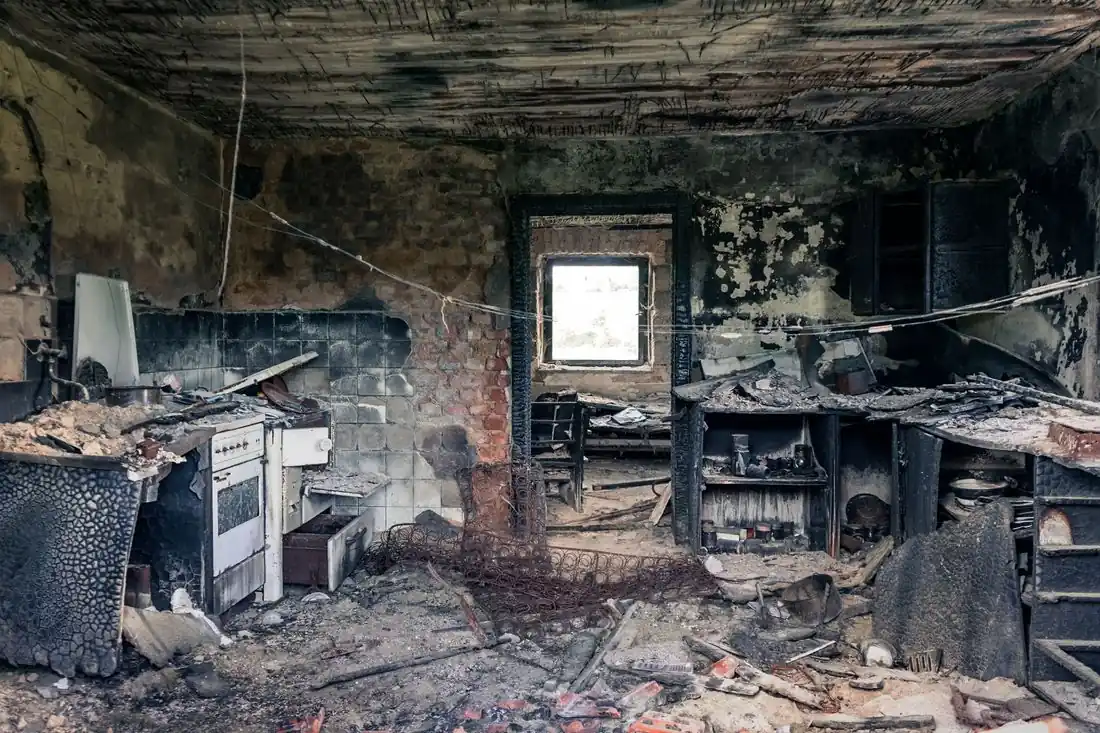
A fire does not have to burn a house down to make it hard to sell. A contained kitchen fire, a chimney flare-up, even heavy long-term cigarette smoke leaves behind staining, odor, and residue that soak into drywall, ductwork, and framing. Selling a house with smoke damage in Iowa is its own particular challenge, because the damage you cannot fully see is often the part that scares buyers and insurers the most.
Why smoke is harder to sell than it looks
With visible fire damage, a buyer knows what they are dealing with. Smoke is different. The odor and residue work into drywall, insulation, carpet, and the HVAC system, and they can linger for years and resurface in humid weather. A buyer walks in, catches that acrid smell, and starts imagining a much bigger problem than a fresh coat of paint can fix.
That uncertainty is the real obstacle. Financed buyers and their inspectors flag smoke damage, insurers get cautious about writing a new policy, and the deal slows down while everyone tries to figure out how deep it goes.
The insurance claim usually matters most
If the smoke came from a fire event, there is very likely an insurance claim attached, and how you handle it drives the whole sale. Who keeps the claim proceeds, whether remediation is done before closing, and whether the claim can be assigned to a buyer all shape your options. A financed buyer's lender will usually insist the work be completed before they fund, which puts the cost and the timeline on you.
I walk through the insurance side in more detail in the guide on selling a fire-damaged house. The short version: do not close out or spend the claim before you understand your options, because it may be worth more left in place.
Remediate or sell as-is
Professional smoke remediation, sealing surfaces, cleaning or replacing ductwork, and treating or removing porous materials, can genuinely restore a house, but it is not cheap and it is not fast. On a house you are leaving, paying for a full remediation to satisfy a financed buyer is often money you will not fully recover.
Selling as-is skips all of it. The buyer takes on the remediation, and you avoid fronting thousands for work on a house you are trying to move on from. The right call depends on how deep the damage is and whether you want speed or top dollar.
Selling as-is for cash
A cash buyer is built for exactly this. There is no lender demanding the smoke damage be remediated before funding and no insurer refusing a policy, so the sale does not stall on the very things that scare off a retail buyer. I can take the house as-is, factor the remediation into a fair offer, and in many cases let you keep or assign the insurance claim.
I buy smoke and fire-affected homes across Iowa, close on your schedule, and will not spring surprise costs on you late in the deal. If a targeted remediation would clearly open the house to more buyers and net you more, I will tell you. We will tell you if we are not a fit.
The bottom line
Smoke damage is as much a fear problem as a physical one. The structure is often fine, but the odor and the unknowns send buyers and lenders running. Sort out the insurance claim first, then decide whether to remediate for the open market or sell as-is and hand off the cleanup.
If you would rather not chase remediation quotes and claim adjusters, tell me about the house and I will send a fair cash offer that takes it as-is.
Smoke Damage: FAQ
Can you sell a house with smoke damage in Iowa?
Yes. Smoke damage narrows your buyer pool but does not make a house unsellable. Financed buyers struggle because lenders often require remediation before funding and insurers hesitate to write a new policy, both of which stall a loan. A cash buyer can close with the smoke damage as-is, price the remediation into the offer, and handle the cleanup after closing.
Do I have to remediate smoke damage before selling?
No. You can sell as-is and let the buyer handle remediation. Paying for professional smoke remediation up front can open the house to financed buyers, but it is expensive and you rarely recover the full cost on a house you are leaving. Selling as-is to a cash buyer skips the expense entirely and avoids the lender and insurance hurdles that come with smoke damage.
What happens to my insurance claim if I sell a smoke-damaged house?
It depends on how you structure the sale, which is why you should understand your options before spending or closing the claim. In many cases a cash buyer can take the house as-is and let you keep or assign the claim, something a financed buyer's lender usually will not allow. Sort the claim out early, because it can be worth more left in place than cashed out.