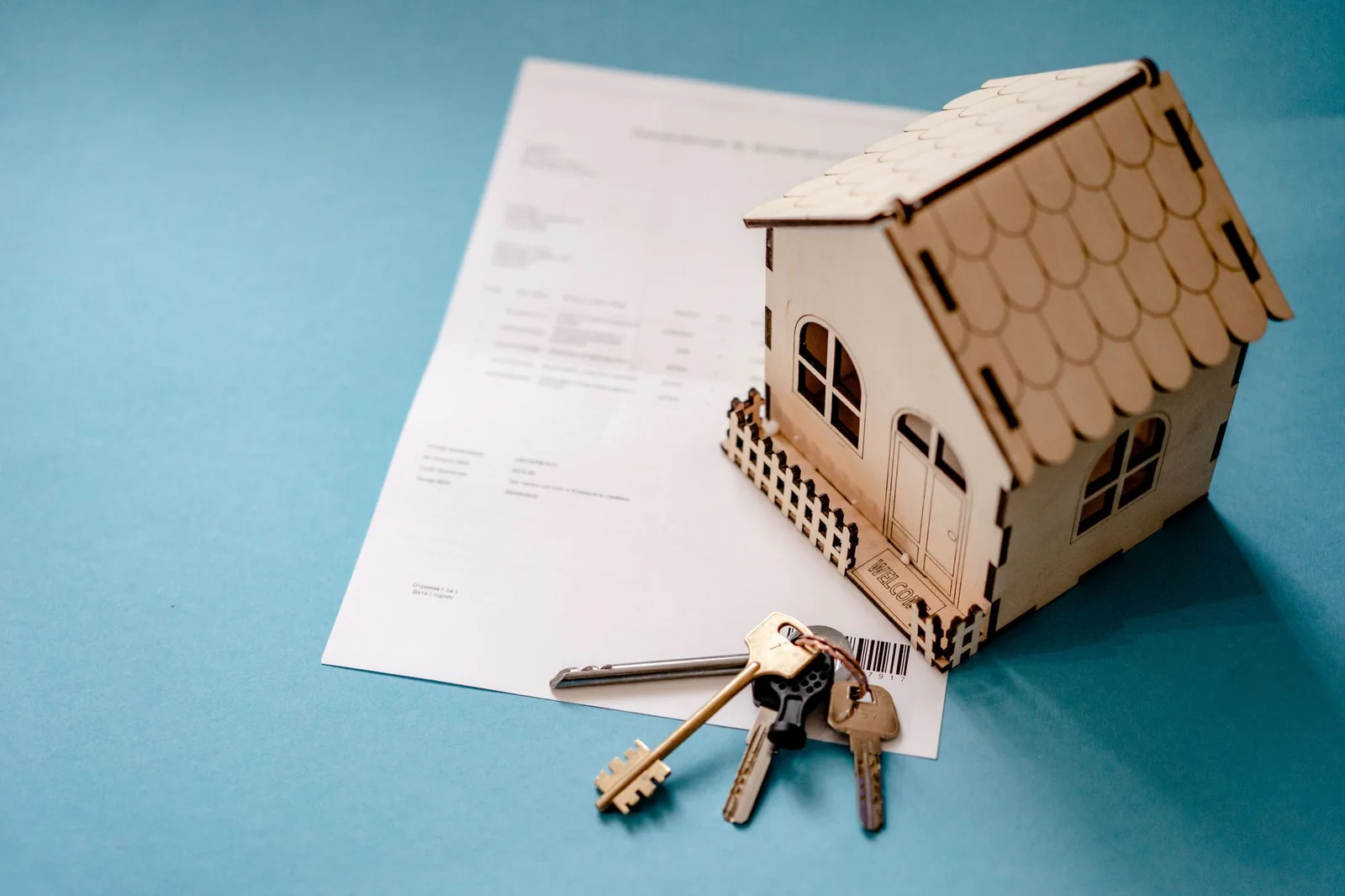
Can you sell a house with a mortgage?

Plenty of good people sit at the kitchen table convinced they're stuck, sure that you have to own your home free and clear, the mortgage fully paid off, before you're allowed to sell it. So someone sits there doing the math, figures they're chained to another 22 years of payments, and quietly gives up on moving. Here's the part nobody told them. The vast majority of homes that sell every year still have a loan on them. The real question isn't can you sell a house with a mortgage, it's how the payoff works, and that part is simpler than the myth.
Yes. You can absolutely sell a house with a mortgage still on it, and most sellers do exactly that. When the sale closes, the buyer's money pays off whatever you still owe the lender first, then you pocket the rest. You don't pay the loan off in advance, you don't need the bank's permission to list it, and you don't keep making payments after closing. The loan simply gets retired as part of the sale.
The whole thing hinges on one number you probably don't have memorized: your exact payoff balance, and where it lands compared to the sale price. Let's walk through it.
Yes, you can sell with a mortgage
Start here, because it's the part the myth gets wrong: a mortgage is not a lock on your front door. It's a lien, which is the lender's legal claim to be paid back when the house sells. That claim gets settled at closing, automatically, out of the sale price. Roughly six in ten American homeowners are still paying off a loan, and they sell their houses all the time. So do people in the middle of a refinance, people two years into a 30-year note, and people who just want out.
You don't need to call the bank and ask for a hall pass. You list (or sell to a cash buyer), you agree on a price, and the closing process handles the loan in the background. The only thing the mortgage changes is the arithmetic at the end: instead of the full sale price coming to you, the payoff amount peels off the top first. That's it.
I've sat across from sellers who'd talked themselves out of moving for three years because they thought you had to be mortgage-free to sell. You don't. I've never once bought a house where that was the holdup.
If you're weighing whether to list with an agent or sell direct, the loan doesn't really tip that decision either way. What matters more is your timeline and the condition of the house. (More on the fast lane down in the selling fast section.) If you want the human version, here's a little about how I work with Iowa sellers one-on-one.

How the mortgage payoff works at closing
Here's the actual sequence, in plain English. Once you're under contract, the closing company (a title company or closing attorney) orders a payoff statement from your lender. That's an official document, sometimes called a payoff quote, that says exactly how much it takes to make the loan disappear as of a specific date: your principal, the interest that's piled up to that day, and any small fees. The Consumer Financial Protection Bureau has a good plain-language explainer on what a payoff amount is and why it's higher than your statement balance.
At the closing table, the buyer's funds come in. The closing company uses that money to wire the payoff amount straight to your lender, the lender releases its lien, and the loan is officially closed. Whatever's left after the payoff, the closing costs, and any property taxes owed, that's your check. You don't touch the loan yourself, you don't write the bank a goodbye check, and you stop owing the day it closes.
One thing that catches people off guard: the payoff number is usually a bit higher than the balance on your last monthly statement, because it includes interest accruing right up to the payoff day. It's not a trick, it's just the meter still running. The closing company builds that into the math, so there are no surprises at the table.
In Iowa, there's one local wrinkle worth knowing. We use an abstract of title rather than title insurance the way many states do, and the abstract has to be updated and continued to reflect that the mortgage lien was released. A good closer handles that as a matter of routine, but it's part of why working with someone who knows the Iowa process keeps things clean.

What's left over: your equity
The money you walk away with is your equity, and the formula is friendlier than it sounds. Take the sale price, subtract your mortgage payoff, then subtract the costs of selling. What's left is yours.
| The math | Example |
|---|---|
| Sale price | What the buyer pays |
| − Mortgage payoff | Principal + interest to the payoff day + fees |
| − Selling costs | Commissions, closing costs, any taxes owed |
| = Your equity | The check you take home |
That middle line, the selling costs, is where a traditional sale quietly eats into the leftover. On the open market, fees commonly run somewhere in the neighborhood of 7 to 10 percent of the price once you add up commissions and closing costs. I broke that down in detail in what it really costs to sell a house in Iowa, and it's worth reading before you assume the sticker price is what you keep.
The flip side: if you've owned the place a while and the loan has been shrinking, your equity is probably bigger than you think. Every payment for years has been quietly buying back your house from the bank. A lot of sellers are sitting on more than they expect, which is exactly why the "I'm stuck for 22 years" myth is so frustrating. You may be far closer to free than the calendar suggests.

What if you owe more than it's worth (underwater)?
This is the scenario the myth is secretly worried about, so let's name it. Being "underwater" or "upside down" means your payoff is bigger than what the house will sell for. It's less common when home values have climbed, but it happens, especially if you bought near the top, took out a second loan, or the house needs serious work that drags the value down.
You still have moves. Two main ones:
- Bring cash to closing. If the gap is small, you can cover the difference yourself so the loan still gets paid in full. Not fun, but it's clean, fast, and keeps your credit untouched.
- Ask your lender about a short sale. A short sale is when the lender agrees to let the house sell for less than you owe and forgives (or sometimes defers) the shortfall. It needs the lender's sign-off, takes longer, and can affect your credit, but it's a real exit. The CFPB explains how a short sale works in plain terms.
If the reason you're underwater is that you've also fallen behind on payments, time matters more than usual, because a missed-payment problem can snowball toward foreclosure. I wrote a full playbook on how to stop foreclosure in Iowa if that's where you are. And if you want to understand your rights and options before you're in a bind, HUD keeps a solid list of ways to avoid foreclosure. The worst move underwater is to do nothing and hope. The door's still open, but it gets narrower the longer you wait.

Selling fast when you still have a mortgage
Having a mortgage doesn't slow a sale down. What slows a sale down is the buyer's mortgage. On a traditional sale, the clock is mostly the buyer's lender doing its thing: loan approval, appraisal, underwriting, the occasional last-minute hiccup. That's where the weeks pile up.
Selling to a cash buyer cuts that whole chain out. There's no buyer loan to approve, no appraisal to schedule, no parade of showings, and no financing falling through at the last minute. Your payoff still works exactly the same way, the cash buyer's funds retire your loan at closing, but the timeline shrinks from months to days. When I make an Iowa homeowner an offer, the payoff is built right into how I run the numbers (I work from the home's value, minus repairs, minus costs, and your loan balance is simply paid off at closing). I never publish a flat price, because a fair number depends on the actual house, but the loan is never the obstacle.
This is the route that makes the most sense when the house needs work, when you're racing a deadline, or when you just want the loan handled and the keys gone. Sam's Estates buys across Des Moines, Ames, Ankeny, Polk County, and the rest of Iowa, and the mortgage gets paid off at closing every single time. If you'd rather skip the showings and the financing risk, you can tell me about your house and get a cash offer.
The bottom line
You were never stuck. A mortgage is a lien that gets settled at closing, not a gate you have to clear before you're allowed to sell. The sale pays off your loan first, you keep the equity that's left, and if you happen to be underwater there are still real options on the table. Don't let a kitchen-table myth cost you another year of payments on a house you're ready to leave. If it's in Iowa and you want a fair, no-obligation number with the loan handled for you, send me the details or call 515-216-0652 and I'll walk you through it.
Selling a house with a mortgage: FAQ
Can you sell a house with a mortgage?
Yes. Most homes that sell still have a loan on them. At closing, the sale proceeds pay off your remaining mortgage balance first, and you keep whatever is left over. You do not have to pay the loan off before you list or sell.
What happens to my mortgage when I sell?
It gets paid off and closed out at closing. The title company or closing attorney requests a payoff statement from your lender, uses the buyer's funds to wire that exact amount to the lender, and the lien is released. You walk away with no loan and the leftover equity.
How do I find out my exact mortgage payoff amount?
Request a payoff statement (also called a payoff quote) from your lender. It lists your principal balance, any accrued interest through a specific date, and any fees. It is usually higher than the balance on your monthly statement because it includes interest up to the payoff day.
Can I sell if I owe more than the house is worth?
Yes, but you have fewer options. You can bring cash to closing to cover the gap, or you can ask your lender to approve a short sale (selling for less than you owe). A short sale needs lender approval and takes longer, so start that conversation with your lender early.
Is it faster to sell to a cash buyer when I still have a mortgage?
Often, yes. A cash buyer skips the buyer's loan approval, the appraisal, and the long list of showings, so closing can happen in days instead of months. The payoff works the same way: the cash buyer's funds pay off your loan at closing and you keep the rest.