Selling a condemned house in Iowa
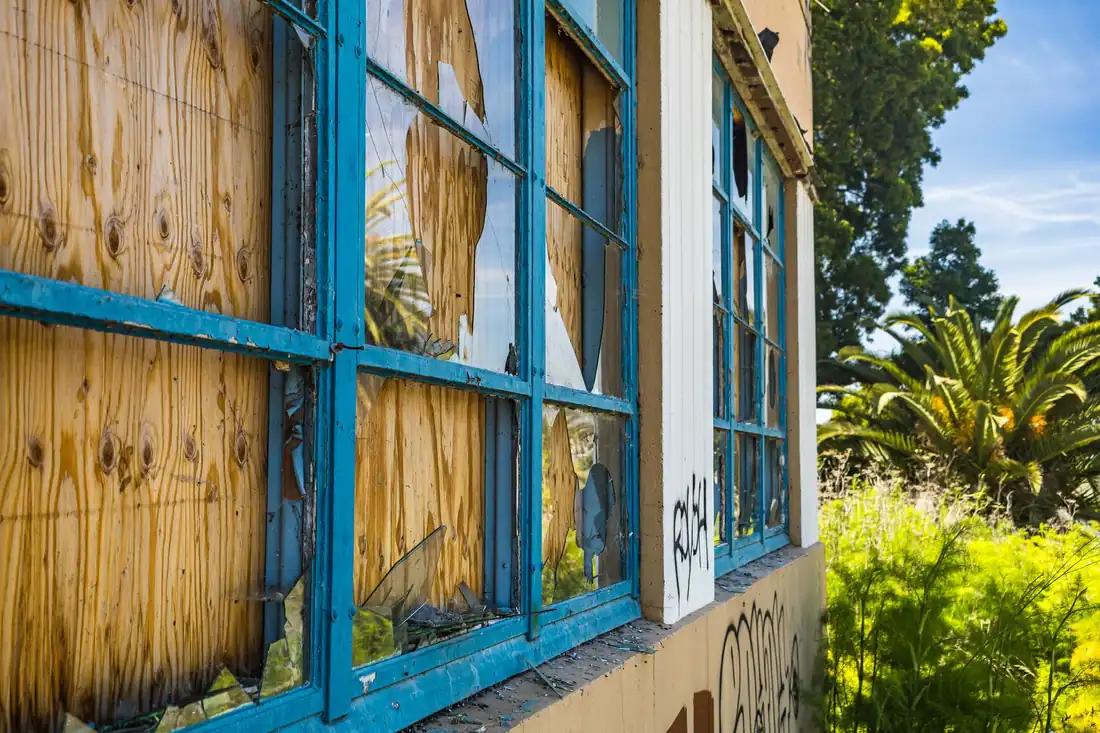
A red tag on the door turns a house into a countdown. One visit from a city inspector, one placard stapled to the front, and a place people used to live in becomes a file with a deadline on it. You read the notice twice: unfit for occupancy, correct the violations or vacate, a date near the bottom that sits closer than you would like. Nobody can sleep there now, the utilities may already be shut off, and selling a condemned house suddenly sounds less like a plan and more like the only door left. The good news is that it is a real door, and it opens.
Here is the honest version. Condemned almost always means a local building or housing official has declared the house unfit to live in and posted a notice, usually with an order to repair, vacate, or demolish inside a set window. It does not usually mean the government is taking your land. You still own the house, so you can still sell it. What changes is who can buy it: a home no one is allowed to occupy is very hard to finance, which quietly hands the market to cash and investor buyers.
The city's deadline is the one fixed thing in this whole situation. Everything else, the price, the buyer, the repairs, gets decided against that date and the repair-or-demolish order attached to it. Your job is to find a buyer who can act before the clock runs out, and in practice that is a cash or investor buyer who can either fix the house or clear the lot fast.
What "condemned" actually means in Iowa
The word "condemned" does double duty, and mixing up the two meanings is where people scare themselves for no reason.
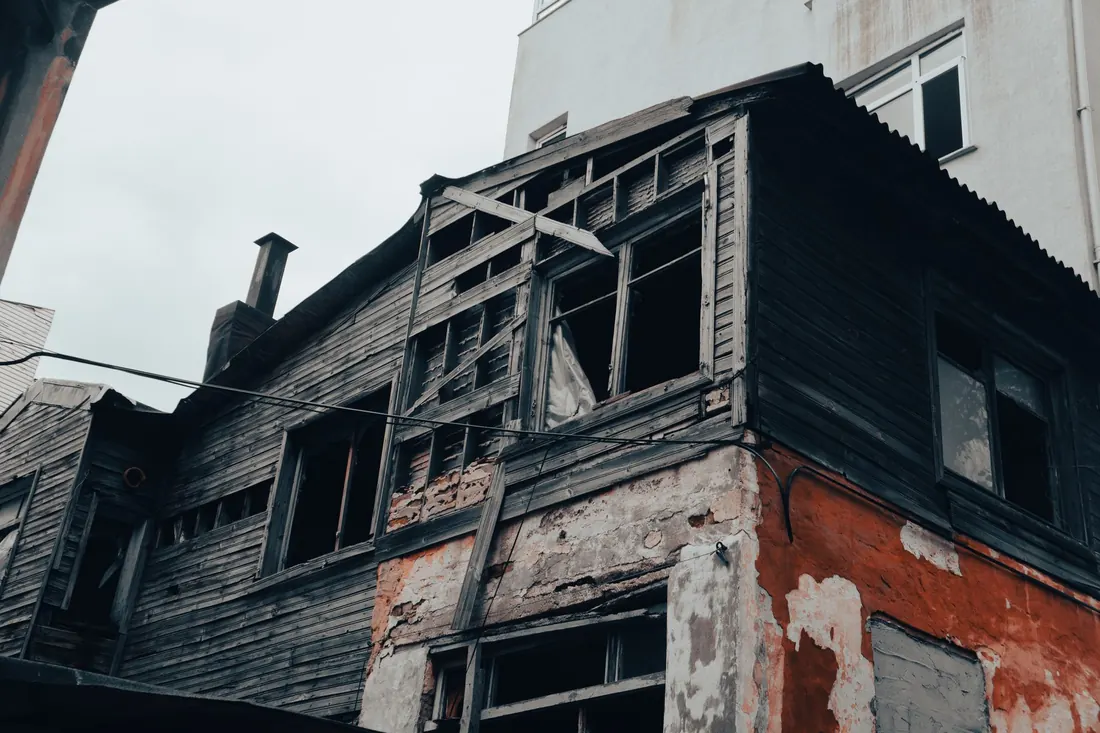
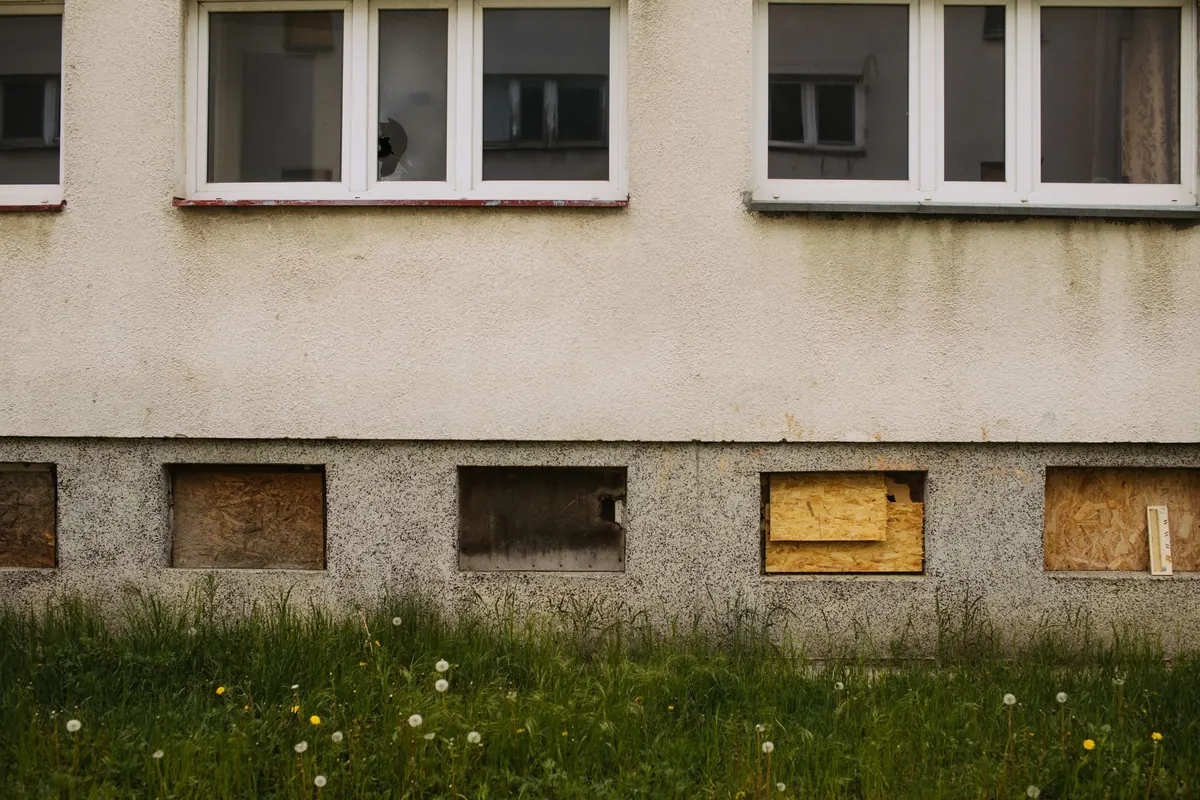
The version almost every homeowner is dealing with is a code condemnation. A city building inspector or housing official looks at the house, decides it is unsafe or unfit for people to live in, and posts a notice, sometimes a literal red tag or placard on the door. That notice usually carries an order: fix the listed violations, get everyone out, or tear it down, all within a set amount of time. The triggers are the serious stuff, not chipped paint. Think no working heat, exposed or dangerous wiring, structural failure, severe water or mold damage, a caved-in roof, or a house so full of junk that inspectors can't move through it safely.
The other version is eminent domain, where the government uses its "condemnation" power to take private property for a public use, a road, a utility, a school, and has to pay you fair market value for it. That is a completely different process, and it is not what a red tag on a rough house is about. The legal term "condemnation" covers both, which is exactly why the confusion happens. A code condemnation does not take your house. It just tells you nobody can live in it until it is safe again.
(One quiet mercy: a code condemnation leaves you holding the deed. You still get to decide what happens next, including selling. Eminent domain would take that choice.)
A code condemnation is a stop sign on living there, not a padlock on selling. You still own the house. The city is telling you it is not safe, not that it is no longer yours.
One important note, and I mean it: I am not going to quote you a specific Iowa statute or a city ordinance here, because the exact rules, timelines, and appeal rights vary by town, and I do not want you making a decision on a number I invented. The people who actually know are your city's building, inspections, or housing department. Call them, get the notice explained, and ask what your options and deadlines really are. If your house is rough but not formally condemned, the broader picture in selling a house in poor condition in Iowa is a good next read.
Can you still sell a condemned house?
Yes. This is the part that surprises people the most, so let me say it plainly: a condemnation does not take away your ownership, so you can absolutely sell the house. The title is still yours to transfer.
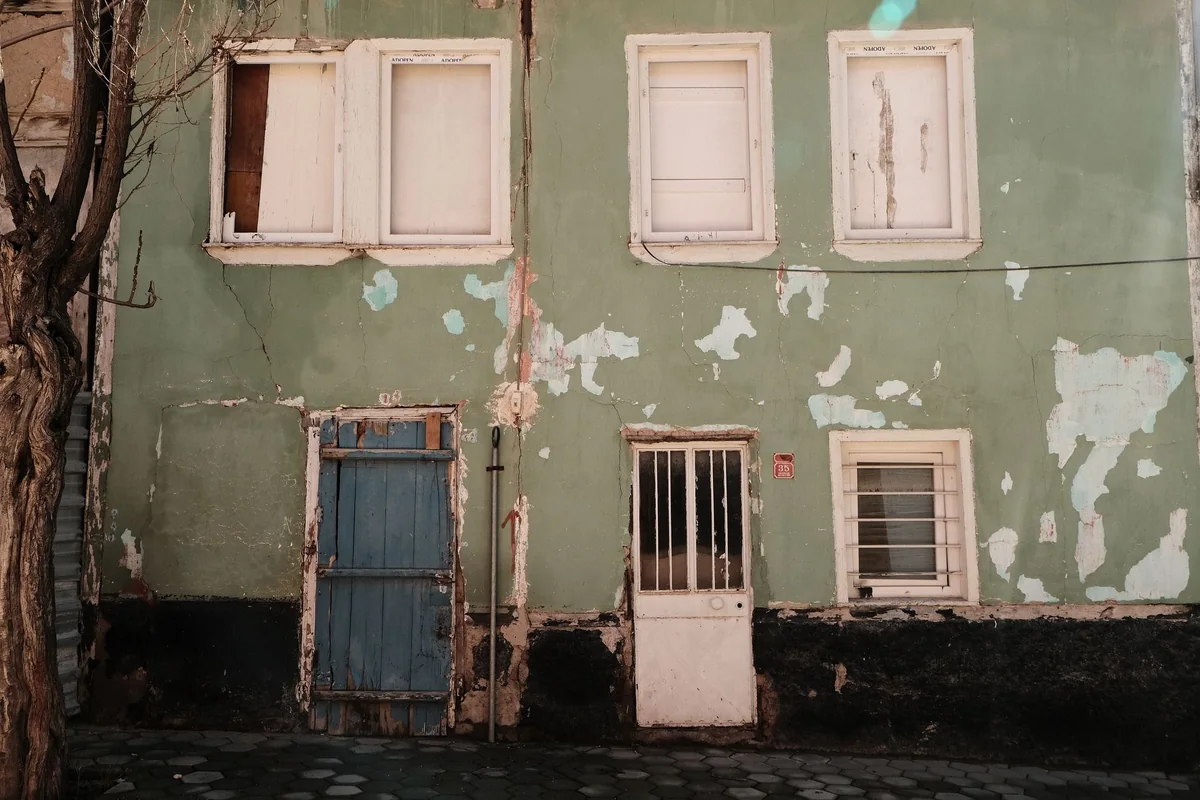
What you generally cannot do is legally occupy or rent it out until the violations are corrected and the city lifts the condemnation. That is the whole point of the notice: it is a restriction on using the property, not on owning or selling it. You can sell an empty, red-tagged house to someone who is willing and able to fix it or tear it down. Plenty of buyers do exactly that for a living.
Two things you have to keep honest, though:
- Disclosure still applies. Iowa asks most sellers to fill out a written property condition disclosure, and selling as-is does not erase your duty to disclose known defects. A condemnation notice, a red tag, and open code violations belong on that form. As-is means you won't be fixing it, not that you get to stay quiet. Say it straight up front and the deal is far less likely to blow up later.
- Fines and liens can follow the house. Unpaid municipal fines, code-enforcement charges, and any demolition costs the city advances can attach to the property as a lien. Those typically get cleared at closing out of the sale proceeds, which is one more reason to know the real number before you sign. If there is already a lien on the property, here is how selling a house as-is in Iowa and clearing what is owed usually work together.
(I have watched sellers assume a condemnation meant the house was worthless or seized. It almost never does. It means the pool of buyers just got smaller and more specialized, which is a very different problem, and a solvable one.)

Why cash and investor buyers are the market
Here is the mechanical reason a condemned house lands with cash buyers, and it has nothing to do with anyone being predatory. It is about financing.
When a buyer needs a mortgage, the lender sends an appraiser, and on most loan types that appraiser has to confirm the house meets minimum property standards: safe, sound, and livable. A condemned house fails that test by definition, because the city has literally declared it unfit to occupy. No lender wants a 30-year loan secured by a house nobody is allowed to live in. The appraisal exists to protect the lender's collateral, and condemned collateral is a non-starter. Government-backed loans like FHA and USDA, which a lot of Iowa buyers use, are the strictest of all.
Strip the financed buyers out and who is left? People buying with cash: investors, flippers, and builders who can fund the purchase themselves, then either repair the house back to livable and lift the condemnation, or demolish it and put up something new. They are the realistic market for a red-tagged property, the same way they are for a house that needs a lot of repairs in Iowa.
So how does a fair cash buyer land on a number? It is arithmetic, not a dartboard. Start with the after-repair value, what the finished house would be worth. Subtract the repairs, which on a condemned house are heavy, the holding and selling costs, and a margin to make the risk worth taking. Whatever is left is the offer. That is why it comes in under a fixed-up retail price, and why a demolition order or a stack of city fines widens the gap: those costs come straight off the top. No games, just math. You can see how a full cash sale runs, step by step, in how the process works.
One honest aside, because it is how I run things. I have bought 100-plus homes across Iowa over six years in this business, and a good share of them were the worst house on the block, the kind realtors won't list. My first flip, at about twenty, was the roughest house next to Ames High. I cleaned it out by hand, fixed it up, and a family lives there now with kids in that same school. Fixing a condemned or near-condemned house is not stripping a neighborhood, it is putting the school, the street, and the block back together. That is the part of this work I actually like.
Repair, demolish, or sell as-is: your options
Whatever the notice says, you have three honest ways out. Here they are straight, with the catch on each, and all three run against that same city deadline.
1. Repair it, lift the condemnation, then sell
Fix the violations the city listed, get the condemnation lifted, and sell a house that is legally livable again. This reopens the door to financed buyers and usually earns the most. The catch is real: condemnation-level repairs are expensive and slow, you are paying contractors on a house you are leaving, and you carry the taxes, insurance, and any fines while the work drags out. It makes sense when the damage is fixable, your budget is comfortable, and the deadline gives you room to actually do it.
2. Demolish and sell the lot
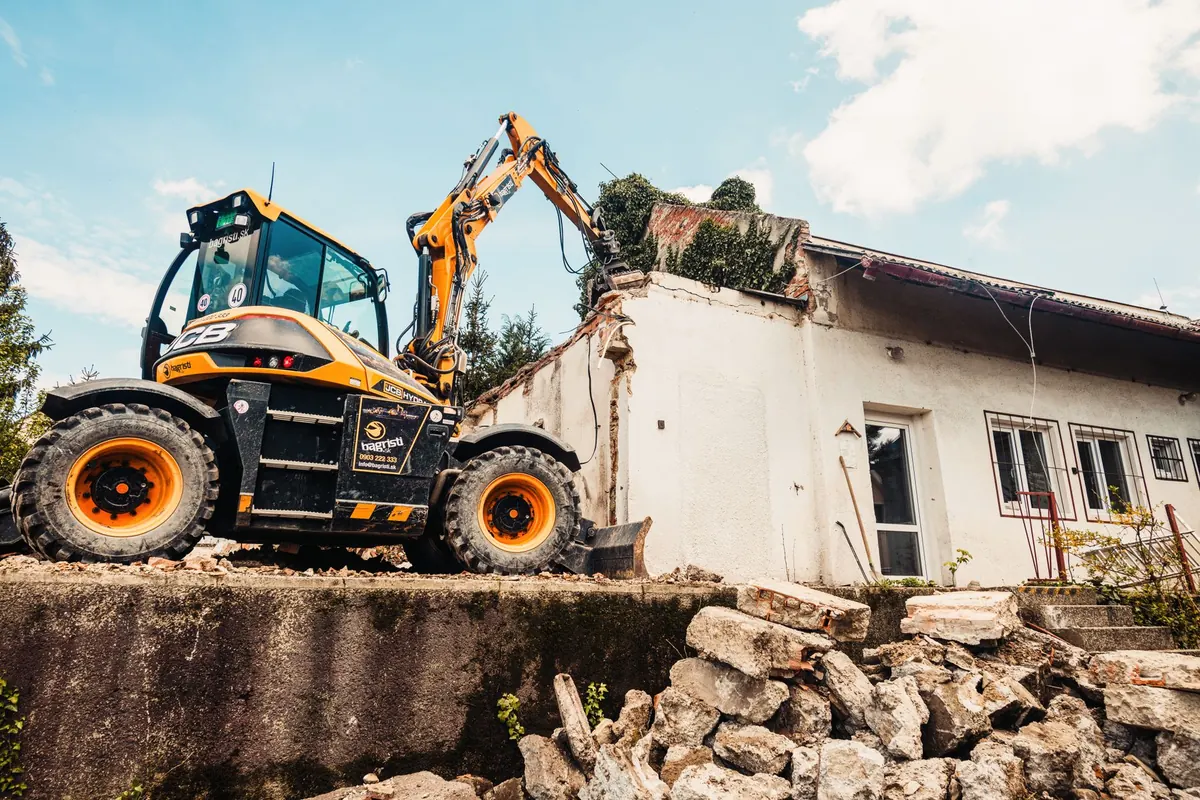
If the order is to demolish, or the house is too far gone to save, tearing it down and selling a clean, buildable lot is sometimes the play. Bare land sells to a wider group and sidesteps the "unfit house" problem entirely. The catch is that demolition costs real money out of pocket, and depending on the lot and location, a cleared parcel may be worth less than you hope. Confirm the number before you commit to the wrecking crew.
3. Sell it as-is to a cash buyer
Sell the house exactly as it stands, red tag, violations, deadline and all, to a cash or investor buyer who takes on the whole problem. You net less than a fixed-up retail price, and I won't pretend otherwise, that is the honest trade. In return you pay for zero repairs, hire no demolition crew, chase no contractors, and often close in as little as 7 days with no commissions and no fees. Because there is no lender to say no over the condition, the deal actually closes, which matters a lot when a city clock is running. On a house that can't be financed anyway, this frequently nets closest to the others once you subtract the repairs, the carrying costs, and the wait.
| Option | Best when | The catch |
|---|---|---|
| Repair and lift the condemnation | Damage is fixable, budget is comfortable, deadline gives you time | Heavy repair cost, slow, carrying costs and fines pile up while you work |
| Demolish and sell the lot | Order is to demolish, or the house is beyond saving | Demolition cost out of pocket, a bare lot may be worth less than hoped |
| Sell as-is to a cash buyer | Tight deadline, no repair budget, you want certainty and speed | Lower price in trade for zero repairs, no fees, and a closing you can count on |
And here is the thing I tell every seller, because it is true here too: sometimes a cash sale is not your best move, and I will say so. If the repairs are light enough that lifting the condemnation is realistic and you have the time and money, fixing it and listing will likely net you more, and I would rather point you there than talk you out of it. I am one more option, not the only one. If a cash sale does fit, this is where I buy houses across Iowa.
The bottom line
Selling a condemned house is not the dead end the red tag makes it feel like. It is a use restriction with a deadline, not a seizure, and you still own the house. Read the situation honestly. Damage fixable and time on the clock? Repairing and relisting can put you back on the open market for the most money. Demolition order, a pile of fines, or repairs you can't fund? A cash sale usually wins on what actually lands in your pocket once the repairs and the waiting come out. Either way, call your city's inspections department first so you know the real deadline you are working against.
If you want the honest math on your specific house, red tag and all, tell me about it and I'll send a fair, no-obligation cash offer, with no repairs to make, no fines to chase, and no fee. I buy houses across the Des Moines metro and the rest of Iowa, and if fixing it and listing is your smarter move, I'll tell you that too. Or just call 515-216-0652 and we'll talk it through.
Selling a condemned house: FAQ
Can you sell a condemned house in Iowa?
Yes. In Iowa, a house is usually condemned when a local building or housing official declares it unfit for occupancy and posts a notice, often with an order to repair, vacate, or demolish. That is a restriction on using the house, not a taking of your ownership, so you still own it and can sell it. What changes is the buyer pool: because no one can legally live there until the violations are corrected, a mortgage lender generally will not finance it, which makes cash and investor buyers the realistic market.
What does it mean when a house is condemned?
It means a government official, usually a city building inspector or housing authority, has determined the house is unsafe or unfit to live in and has limited or banned occupancy, often by posting a placard or red tag. The notice commonly comes with an order to correct the violations, vacate, or demolish within a set time. This is different from eminent domain, where the government uses its condemnation power to take private property for public use and pay you for it. A code condemnation does not take your house; it just says people cannot live in it until it is fixed.
Can you get a mortgage on a condemned house?
Almost never. A condemned house typically fails the minimum property standards that lenders and appraisers require, because a home no one is allowed to occupy is poor collateral for a long-term loan. Government-backed loans like FHA and USDA are especially strict about safe, livable condition. That is why financed buyers usually cannot close on a condemned property, and why cash and investor buyers, who do not rely on an appraisal or a lender, become the practical market.
Do you have to disclose that a house was condemned when you sell it?
Yes. Iowa asks most sellers to complete a written property condition disclosure, and selling as-is does not erase your duty to disclose known defects. A condemnation notice, a red tag, open code violations, and any unpaid city fines belong on that form. As-is means you are not agreeing to make repairs, not that you can stay quiet about the condition. Disclosing up front also keeps the sale from unraveling later at the closing table.
Who pays the unpaid fines and demolition costs on a condemned house?
Those usually follow the property. Unpaid municipal fines, code-enforcement charges, and demolition costs a city advances can attach to the house as a lien, which typically has to be cleared at closing out of the sale proceeds. A cash buyer often factors these into the offer or handles them as part of the deal, but you should confirm exactly what is owed with your city's inspections or housing department before you sign anything.