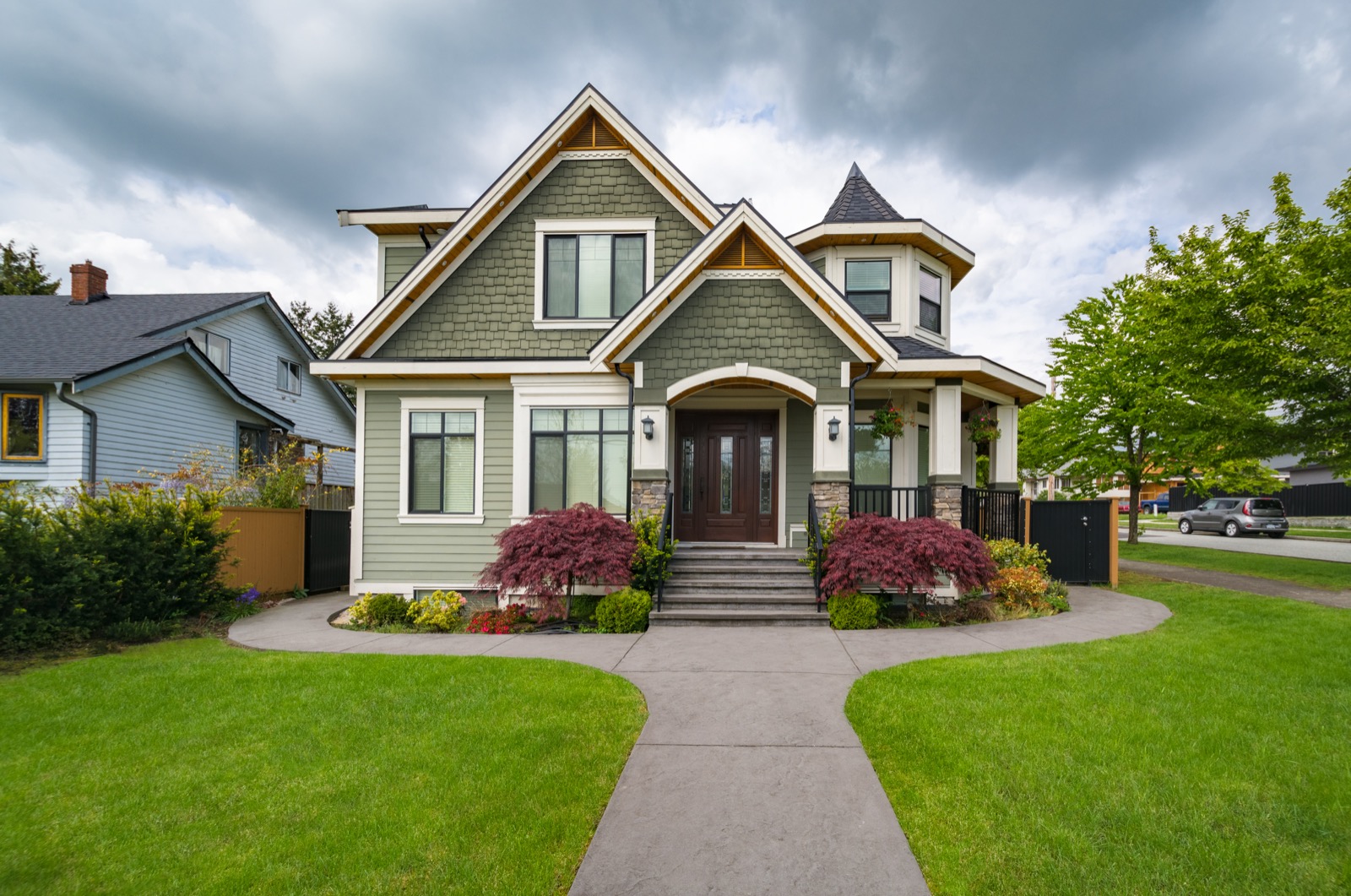
Getting your house ready to sell in Iowa: what actually matters

Announce that you're selling and your brother-in-law becomes a general contractor. Your mom has opinions about the carpet, your neighbor knows a guy for the driveway, and the coworker who has never sold a house in his life is certain nobody will touch it without granite. Collect enough getting house ready to sell tips and a pattern shows up: most of them quietly spend money you will never see again at closing.
Here's the honest version. Buyers pay for clean, bright, and not-broken. They do not pay you back for a new kitchen, a new roof color, or the bathroom you redid at the last minute. Deep clean it, empty half of it, fix what is visibly broken or scares a lender, paint what is loud, and stop. Everything past that is you buying a nicer listing photo with your own money.
Here's the math nobody runs for you. Prep costs you real money today for a payoff that only exists if a buyer notices it and pays extra for it. Most prep fails that test.
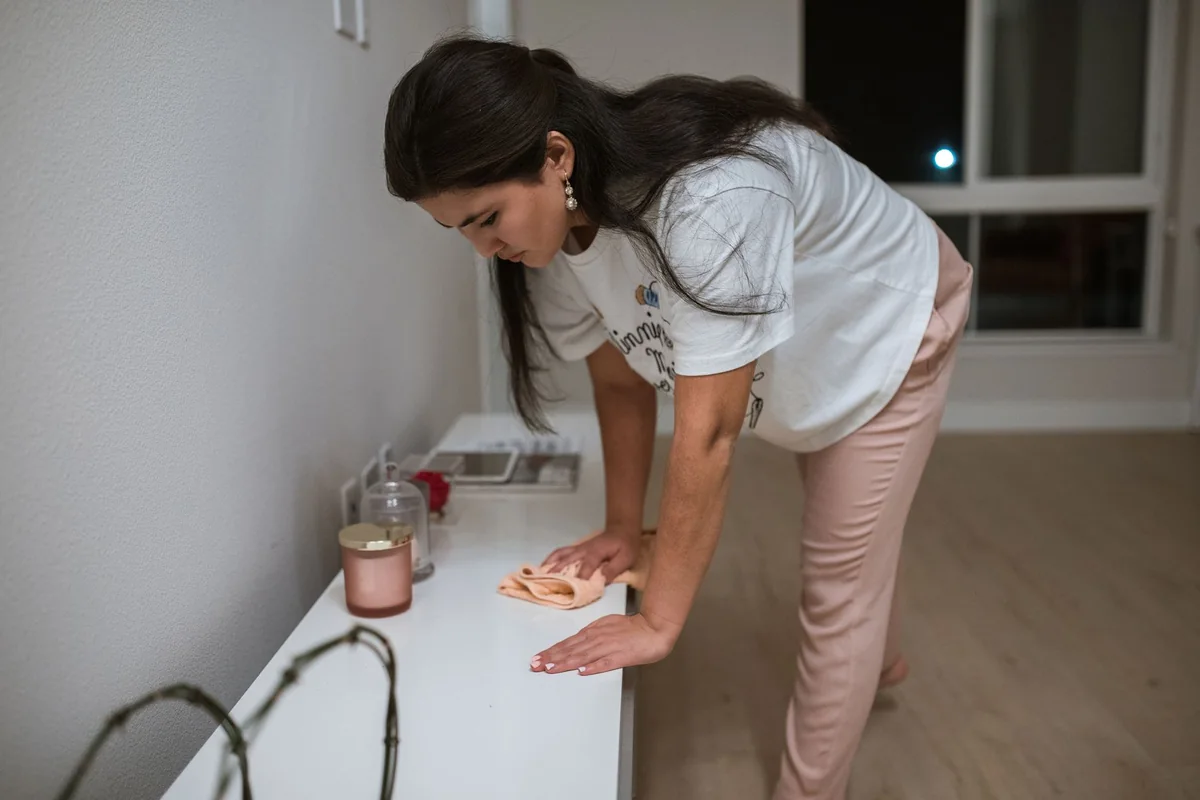
What actually matters to buyers
I've bought over 100 houses in Iowa and walked through a few hundred more. Buyers are not running a spreadsheet. They walk in, and in about eight seconds they decide whether the house feels cared for or ignored. Everything after that is them collecting evidence for the verdict they already reached in the entryway.
What creates that verdict is boring: light, smell, clutter, and anything visibly broken. A house with clean windows, working bulbs in every socket, and half the furniture removed reads as bigger and newer than the identical house with heavy drapes and a full basement. That is not a psychology trick, it's just what people see.
The second thing buyers price in is fear. A stain on the ceiling is not a $200 problem in a buyer's head, it's a roof, and they will knock five figures off in their mind before they finish the sentence. Their lender feels the same way. The Consumer Financial Protection Bureau walks buyers through appraisals and inspections, and a financed buyer's approval can hinge on what those turn up.
Buyers don't pay a premium for a nice house. They subtract for a worrying one. Your prep budget should go toward removing subtractions, not chasing premiums.
| What a buyer sees | What they do with it |
|---|---|
| Clean, bright, half-empty rooms | Feels bigger and newer. Costs you a weekend, not a loan. |
| Water stain, musty smell, soft floor | Mentally subtracts far more than the actual repair. Fix or disclose it. |
| Dated but functional kitchen | Shrugs. They were planning to change it anyway. |
| Brand-new kitchen you just installed | Likes it. Does not reimburse you for it. |
| Your family photos on every wall | Sees your house, not theirs. Free to fix. |

The cheap fixes genuinely worth doing
This is the short list, and it's short on purpose. Every item here shares one trait: it costs a little and removes an objection worth a lot more than it cost.
Deep clean everything, including the windows, the baseboards, and the inside of the fridge. Declutter until it feels like you moved out early, because you basically want it to. Put a bright bulb in every fixture, same color temperature throughout, and open every blind before a showing. Touch up or repaint any wall that is a personality color. Fix the broken screen, the dead outlet, the running toilet, the sticky door, and the handrail that wiggles. Mow, trim, and pull the weeds by the front step, since the front step is where they stand while the agent fumbles the lockbox and forms their entire opinion of the place.
That's it. That's the list your brother-in-law was supposed to give you.
My rule: if a fix costs less than a few hundred dollars and prevents a buyer from imagining a bigger problem, do it. If it costs thousands and just looks nicer, don't.
| Pre-listing job | Rough effort | Worth it or skip it |
|---|---|---|
| Deep clean, top to bottom | A weekend or one cleaning service | Worth it. Best return in the whole process. |
| Declutter and depersonalize | Free, plus a storage unit if needed | Worth it. Makes rooms read larger for $0. |
| Neutral paint in loud rooms | Paint and a weekend | Worth it. Highest-return upgrade there is. |
| Light bulbs, switch plates, hardware | An afternoon and a hardware run | Worth it. Cheap "newness" buyers actually notice. |
| Small visible repairs and leaks | A handyman day | Worth it. Removes fear, which is expensive. |
| Basic yard cleanup | An afternoon | Worth it. First impression, cheapest possible. |
Notice what's missing from that table. No remodels, no upgrades, no "while we're at it." If you want the longer version of the don't-do-it list, I wrote a whole post on what not to fix before selling a house in Iowa.

What to skip entirely
Here's the part nobody selling you a service will say out loud. Big pre-listing projects are usually a transfer of money from you to a contractor, with a thank-you note from the buyer and nothing else.
Skip the kitchen remodel. Skip the bathroom remodel. Skip replacing a roof that is old but not leaking, because a buyer's inspector will call it "aged" whether it's four months old or four years old, and you'll have spent a small car to move that word. Skip new flooring throughout, skip the deck, skip the finished basement, and skip the "one more thing" that keeps you off the market for another six weeks while you carry the mortgage, the taxes, the insurance, and the utilities on a house you already emotionally left.
The exception is a repair that blocks financing. If the furnace is dead or the roof is actively leaking, a financed buyer may not be able to close at all, and then you're choosing between fixing it or selling to someone who buys in that condition. HUD's home buying resources spell out how condition affects the loans most of your buyers will use.
The most expensive prep is the kind that keeps you off the market. Every month of "almost ready" costs you a mortgage payment for a house you don't live in anymore.
| The project | Why sellers do it | Verdict |
|---|---|---|
| Kitchen or bath remodel | "Buyers want updated." | Skip it. They want to pick their own finishes. |
| Roof replacement, old but not leaking | "Inspection will flag it." | Skip it. Price it in or sell as-is instead. |
| New flooring throughout | "The carpet is embarrassing." | Skip it. Clean it and let the buyer choose. |
| Deck, fence, or finished basement | "It adds value." | Skip it. It adds cost. Rarely price. |
| Dead furnace or active leak | Loan may not close | Fix it or sell as-is. The one real exception. |

Is staging worth it?
Sometimes, and less often than the staging industry would like. Staging does one job: it helps a buyer understand what a room is for and how big it is. If your house already answers those two questions, you're paying someone to move your couch four feet.
Where it genuinely earns its money is an empty house. Vacant rooms photograph badly, feel smaller than they are, and give buyers nothing to scale against, so every flaw becomes the main character. The other case is a house so full of stuff that nobody can see the house. In both, staging is real. In a normal, lived-in, tidy home, the free version wins: pull out a third of the furniture, clear every counter to two objects, and open the blinds.
One honest aside. Virtually every staging statistic you'll read comes from companies that sell staging. That doesn't make them wrong. It does mean you should ask what your specific house needs, not what the national average house needs.
Staging is subtraction, not decoration. If you removed a third of your furniture and nothing else, you'd capture most of the benefit for the price of a storage unit.
| Your situation | Stage it or skip it |
|---|---|
| Vacant house, no furniture | Worth it. Empty rooms show badly. Even partial staging helps. |
| Very full, very lived-in house | Worth it, if "staging" mostly means hauling things out. |
| Tidy, normally furnished home | Skip it. Declutter and rearrange yourself. Same result, free. |
| House that needs real repairs | Skip it. Staging a broken house is a bow on a flat tire. |
| You've already moved out of state | Skip it. Selling as-is is usually simpler than managing prep remotely. |

When to skip prep and just sell as-is
Prep assumes three things: you have the money, you have the time, and you have the patience for strangers walking through your house on a Sunday. Take away any one of those and the math changes.
Skipping prep makes sense when the house needs more work than you want to fund, when you've inherited a place two hours away and full of forty years of belongings, when a divorce or a job or a foreclosure timeline is setting the clock, or when you simply do not want to spend a nickel to sell something you're leaving. Selling as-is in Iowa means exactly what it says. You take what matters to you, leave the rest, and hand over the keys.
The trade is real and I'll say it plainly. A cash as-is offer accounts for the condition, so you give up some top-end price in exchange for spending nothing, fixing nothing, cleaning nothing, and closing on your schedule. For a house that needs $30,000 of work you don't have, that trade is easy. For a clean, updated house in a hot neighborhood, listing it is probably the better move, and I'll tell you that on the phone. I buy across the Des Moines metro, Ankeny, West Des Moines, Urbandale, Ames, and the towns in between. Here's where I buy.
The question isn't "as-is or fixed up." It's "do I want to spend money and months on a house I've already left?" For a lot of sellers, that answers itself.
| Prep it and list it | Sell as-is for cash | |
|---|---|---|
| Money up front | Cleaning, paint, repairs, staging, carrying costs | Nothing |
| Your time | Weeks of prep, then showings on their schedule | One walkthrough |
| Timeline | Prep, list, offer, inspection, appraisal, financing | Often days, on your date |
| Repairs and cleanout | Yours | Mine |
| Top-end price | Higher, if the prep lands and the buyer's loan closes | Lower, in exchange for certainty and zero cost |
The bottom line
Getting your house ready to sell is a much shorter list than the internet, and your family, would have you believe. Clean it, empty it, light it, fix what's broken, and go. The rest is a hobby with a receipt.
And if the honest answer is that the house needs work you can't fund, or you just want out without a single Saturday spent hauling boxes, that's a real option, not a failure. Tell me about the house and I'll give you a fair, no-obligation number for it exactly as it sits, no cleaning, no repairs, no showings. Send me the address, call 515-216-0652, or read why you're dealing with me instead of a call center first. Either way, don't spend money you'll never see again.
Getting your house ready to sell: FAQ
How much should I spend getting my house ready to sell?
Less than most people think. Deep cleaning, decluttering, fixing what is visibly broken, and neutral touch-up paint cover the majority of the return. Once you get past a few thousand dollars into remodeling, the money usually stops paying you back and starts buying you a story about how much you spent.
What are the most important things to fix before selling a house?
Anything that reads as neglect or scares a buyer's lender. Leaks, active roof problems, broken windows, dead outlets, a failed furnace, and rotted trim all cost you more in buyer discounts than they cost to repair. Cosmetic dents and dated finishes rarely do.
Is it worth painting the whole house before selling?
Rarely the whole house. Painting the rooms buyers actually react to, usually the main living space and any wall that is a bold color, gets you most of the benefit. Repainting bedrooms that are already a normal color is money spent on your own peace of mind.
Does staging really help a house sell?
It helps most in an empty house or a cluttered one, and it helps least in a home that is already clean and reasonably furnished. Rearranging your own furniture and removing half of it gets you most of what a stager would do, for free.
Can I sell my Iowa house without doing any prep at all?
Yes. Selling as-is to a cash buyer means no repairs, no cleaning, no showings, and no staging. You take what you want and leave the rest. The offer accounts for the condition, so you trade some top-end price for skipping the money, time, and hassle of prep.