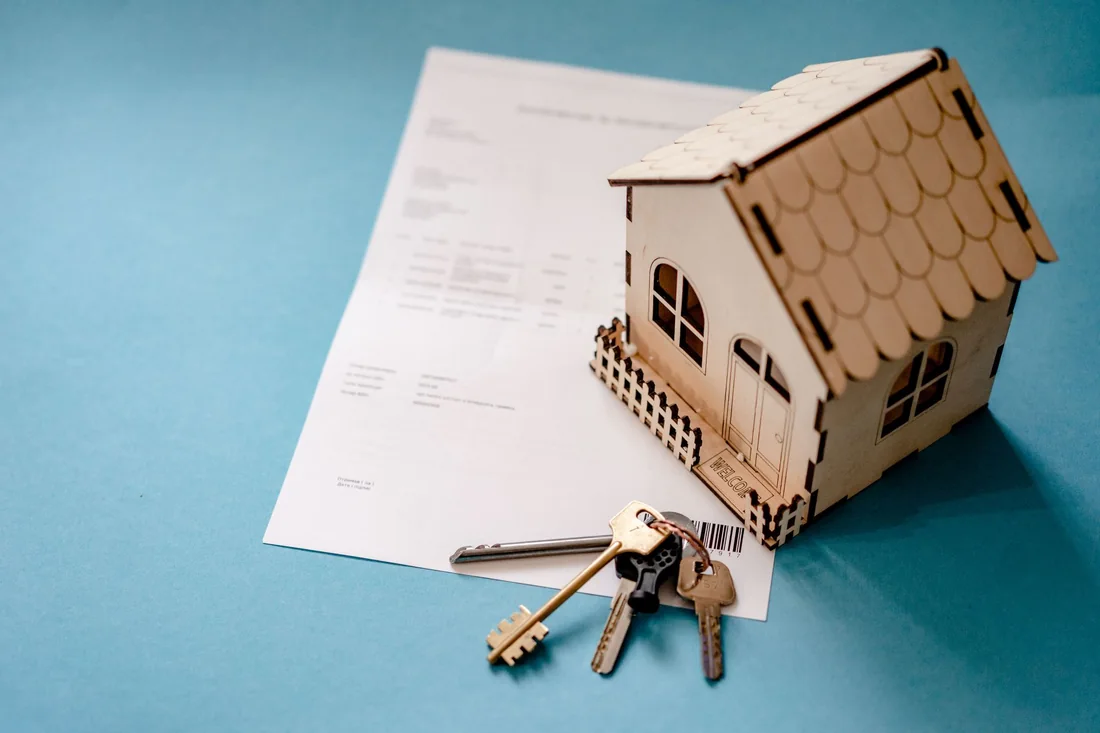
Selling a Stigmatized House in Iowa
Some houses carry a story that has nothing to do with the roof or the furnace. A death inside, a crime, a reputation in the neighborhood, even a rumor of something worse. These are what the industry calls stigmatized properties, and they can make a sale feel awkward in a way no repair can fix. Selling a stigmatized house in Iowa is mostly a question of what you have to tell buyers and what you do not.
What makes a house stigmatized
A stigmatized property is one buyers may shy away from for reasons tied to its history rather than its condition. Common examples include a death in the home, a past crime or police activity, a former use like a meth lab, or simply a persistent neighborhood reputation. The house may be in perfect shape. The hesitation is emotional, not structural.
That emotional piece is real, though. Some buyers will not care at all, and others will walk no matter how good the price. Your job is to price and market to the buyers who are not scared off.
What Iowa requires you to disclose
This is where Iowa helps sellers. The state's seller disclosure law focuses on the physical condition of the property, and purely psychological stigmas such as a death on the property are generally not required to be disclosed. A former meth lab is different, because contamination is a physical and health issue that does carry disclosure and remediation obligations.
The firm rule: you must never knowingly lie. If a buyer asks you a direct question, you answer honestly. This is general information, not legal advice, so when in doubt, check with an Iowa real estate attorney about your specific situation.
You can read Iowa's seller disclosure law yourself in Iowa Code chapter 558A. This is general information, not legal advice.
How a stigma affects value and buyers
A stigma can soften your price or shrink your buyer pool, but it rarely kills value outright. Investors and cash buyers, in particular, tend to look at the numbers and the bones rather than the backstory. The more practical problem is marketing: a stigmatized house can sit longer on the open market simply because squeamish buyers pass, which costs you holding time and price.
Selling for cash, no story required
If you would rather not run a stigmatized house through a long public listing and a parade of buyers asking questions, a direct cash sale is the quiet path. I look at the house on its merits, make a fair offer, and close fast, without the property's history scaring off a financed buyer at the last minute. If there is a physical issue behind the stigma, like contamination, I will factor that in honestly.
I have bought houses across Iowa with all kinds of histories over six years and 100-plus purchases. If a normal sale would clearly net you more, I will tell you. We will tell you if we are not a fit.
The bottom line
A stigmatized house is a perception problem, not a structural one, and Iowa's disclosure law is relatively kind to sellers on psychological stigmas. Know what you must disclose, never lie when asked, and price to the buyers who judge the house on its bones. A cash sale skips the squeamish-buyer problem entirely.
If you would rather sell quietly and skip the questions, tell me about the house and I will make a fair cash offer based on the house, not its history.
Stigmatized House: FAQ
Do I have to disclose a death in the house when selling in Iowa?
Generally no. Iowa's seller disclosure law centers on the physical condition of the property, and purely psychological stigmas such as a death in the home typically do not have to be disclosed. The key limit is that you cannot lie. If a buyer asks you directly, you must answer honestly. Because situations vary, confirm the specifics with an Iowa real estate attorney.
Can you sell a stigmatized house?
Yes. A stigma affects perception, not the structure, so the house is fully sellable. It may draw a smaller buyer pool or sell for a bit less, since some buyers avoid a property's history, but investors and cash buyers usually judge it on its condition and numbers. The main cost is time on a public listing, which a direct cash sale avoids.
Is a former meth lab treated differently?
Yes. A former meth lab is not just a psychological stigma, it is a physical and health hazard due to possible contamination, so it carries real disclosure and often remediation obligations. That is a different situation from a death or a reputation. If your property was used that way, get professional testing and legal guidance, and expect it to factor directly into any sale.